Pneumocystis Pneumonia (PCP): Causes, Symptoms & Treatment
Complete guide to PCP: understanding causes, recognizing symptoms, and treatment options.
Pneumocystis Pneumonia (PCP): A Comprehensive Overview
Pneumocystis pneumonia (PCP) is a serious lung infection that primarily affects individuals with weakened or compromised immune systems. This fungal infection, caused by the organism Pneumocystis jirovecii, represents one of the most common opportunistic infections in people living with HIV/AIDS and other immunocompromising conditions. Understanding PCP is critical because early recognition and treatment can be lifesaving, as the infection can rapidly progress to severe respiratory failure if left untreated.
What Causes Pneumocystis Pneumonia?
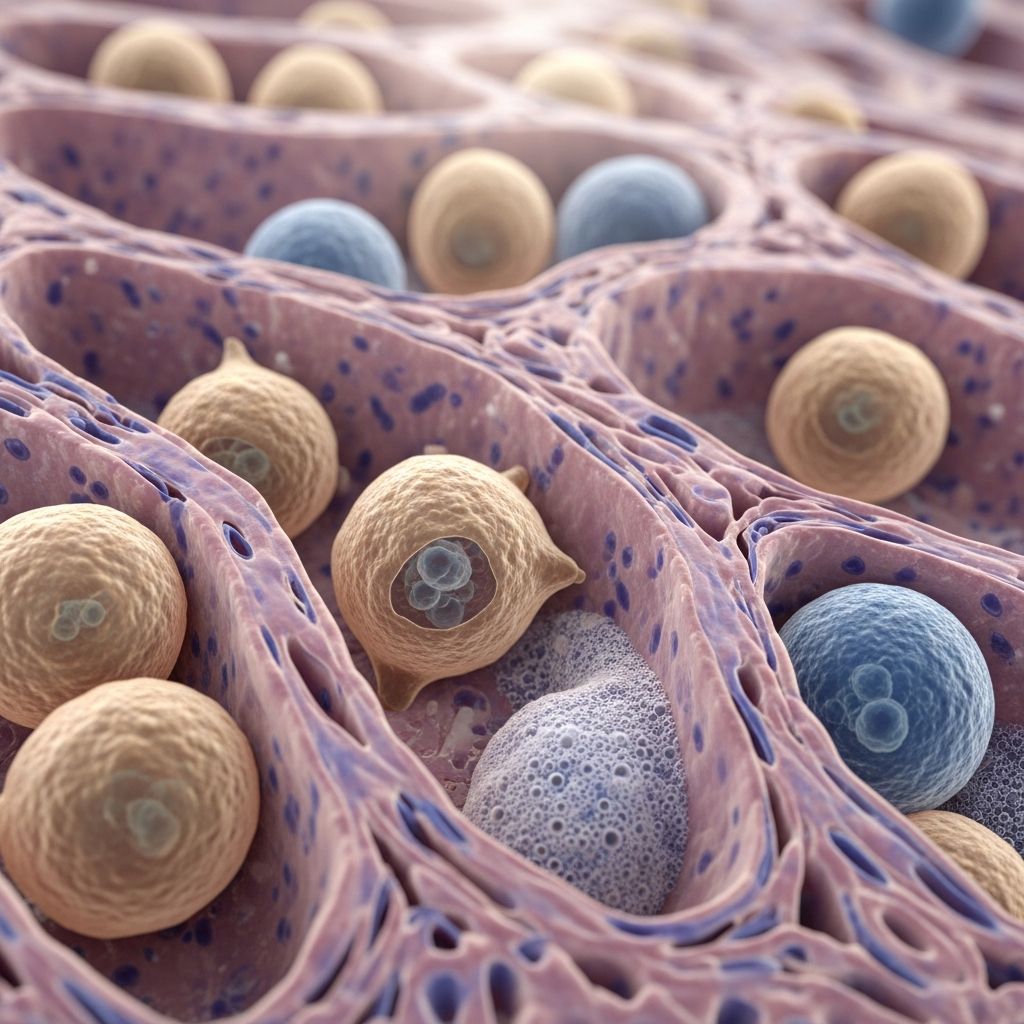
Pneumocystis pneumonia is caused by a yeast-like fungus called Pneumocystis jirovecii (formerly known as Pneumocystis carinii). Unlike many other fungal pathogens, P. jirovecii is unique in that it exists exclusively in humans and is not found in the environment. The organism is typically acquired through inhalation and then adheres to type I alveolar cells within the lungs.
The development of PCP depends critically on immune system dysfunction. People with healthy, normally functioning immune systems rarely develop this infection, even if exposed to the organism. The infection becomes problematic only when the immune system is sufficiently weakened, allowing the fungus to proliferate unchecked within the lungs.
Who Is at Risk for PCP?
Certain populations face significantly elevated risk for developing Pneumocystis pneumonia. The primary risk groups include:
- Individuals with HIV/AIDS, particularly those with CD4+ counts less than 200 cells/µL
- Cancer patients undergoing chemotherapy or radiation therapy
- Organ transplant recipients taking immunosuppressive medications
- Bone marrow transplant recipients
- Patients taking high-dose corticosteroids
- Individuals receiving other immunosuppressive therapies
Among these populations, people with HIV infection represent the largest group at risk for PCP. The infection was particularly prevalent during the early years of the HIV/AIDS epidemic before the widespread adoption of antiretroviral therapy and effective prophylaxis strategies.
Recognizing the Symptoms of PCP
The symptoms of Pneumocystis pneumonia can vary significantly depending on whether the infected individual has HIV or another form of immunosuppression. In HIV-infected individuals, symptoms typically develop gradually over several weeks, whereas in non-HIV immunocompromised patients, symptoms often appear more rapidly over just a few days.
Common Symptoms Include:
- Shortness of breath: This is often the earliest and most prominent symptom, occurring initially during physical activity but potentially progressing to occur even at rest.
- Dry cough: Unlike typical bacterial pneumonia, PCP characteristically produces a dry, nonproductive cough because the mucus is too thick to be coughed up easily.
- Fever: Often accompanied by night sweats, fever is a common manifestation of the infection.
- Fatigue and malaise: General feelings of weakness and being unwell frequently accompany PCP.
- Weight loss: Unintentional weight loss may occur in some individuals with PCP.
- Chest discomfort: Some patients experience chest pain or discomfort that may worsen with breathing.
A critical feature of PCP is that nearly all affected individuals develop hypoxemia, meaning dangerously low levels of oxygen in the blood. This can occur either at rest or during physical activity, making breathing increasingly difficult as the disease progresses.
Diagnosis of Pneumocystis Pneumonia
Diagnosing PCP requires a combination of clinical evaluation, imaging studies, and laboratory confirmation. Because symptoms can be subtle and may resemble other infections, a heightened index of suspicion is essential, particularly in patients with known risk factors.
Diagnostic Approaches:
- Clinical History and Physical Examination: Healthcare providers assess symptom duration, risk factors for immunocompromise, and findings from physical examination including lung auscultation.
- Chest X-ray: Imaging typically reveals characteristic infiltrates, though findings can vary. Some patients may have relatively normal-appearing chest X-rays despite having significant infection.
- Arterial Blood Gas Testing: This measures oxygen levels and helps assess disease severity.
- Laboratory Tests: Blood tests measuring lactate dehydrogenase (LDH) levels and other markers may support diagnosis, as elevated LDH is common in PCP.
- Bronchoalveolar Lavage (BAL): This procedure involves collecting fluid from the lungs through a bronchoscope to identify the organism.
- Sputum Induction: In some cases, induced sputum samples can be examined for the presence of Pneumocystis jirovecii.
Related Stories



Importantly, treatment should not be delayed while awaiting diagnostic confirmation. Many experts recommend initiating empiric therapy in patients with clinical presentation compatible with PCP and appropriate risk factors, as early treatment significantly improves outcomes.
Treatment Options for PCP
Early and aggressive treatment is crucial for PCP, as the infection can be life-threatening and is almost always fatal if left untreated. The good news is that Pneumocystis pneumonia can be cured with appropriate medication when treatment begins promptly.
First-Line Treatment
The primary treatment for PCP is trimethoprim-sulfamethoxazole (TMP-SMX), also known as co-trimoxazole and sold under brand names including Bactrim, Septra, and Cotrim. This antibiotic is effective despite being used to treat a fungal infection. The medication is administered for approximately 3 weeks, either orally for mild cases or intravenously for moderate to severe disease.
Alternative Treatments
For patients with allergies to sulfa drugs or those with mild to moderate disease who cannot tolerate TMP-SMX, several alternative regimens are available:
- Atavaquone 750 mg, taken orally twice daily
- Pentamidine 4 mg/kg administered intravenously once daily over 60 minutes
- Primaquine 30 mg by mouth daily combined with clindamycin 600 mg intravenously every 6 hours or 900 mg every 8 hours
Adjunctive Therapies
For patients with severe symptoms or complications, additional treatments may be necessary: Corticosteroids such as prednisone may be prescribed to reduce inflammation in the lungs. A typical regimen includes 40 mg orally twice daily for days 1-5, followed by 40 mg daily for days 6-10, and 20 mg daily for days 11-21. This is distinct from performance-enhancing steroids used by athletes and serves a specific therapeutic purpose in managing lung inflammation.
Supportive Care
Many patients require hospitalization for PCP management. Hospitalized patients may need intravenous fluids, supplemental oxygen therapy, and in severe cases, mechanical ventilation support. For patients who retain adequate lung function but have insufficient oxygen levels, oxygen can be provided through nasal tubing or a face mask.
Side Effects and Considerations
While TMP-SMX is highly effective, it can cause side effects including rash and fever. Patients should report any adverse reactions to their healthcare provider, as alternative regimens can be substituted if necessary. The benefits of treatment typically far outweigh the risks, as untreated PCP is invariably fatal.
Prevention of Pneumocystis Pneumonia
For individuals at high risk of developing PCP, prophylactic treatment is recommended. Prevention with trimethoprim-sulfamethoxazole is indicated in HIV-infected individuals with CD4+ counts less than 200 cells/µL or CD4+ less than 14%, or in patients with CD4+ counts of 200-250 cells/µL when antiretroviral therapy cannot be started or regular CD4+ count monitoring is not feasible. Additionally, individuals with oropharyngeal candidiasis should receive PCP prophylaxis.
Living with and Managing PCP
Individuals at risk for PCP should maintain regular contact with their healthcare providers, obtain regular blood tests to monitor immune function, and take prescribed preventive medications as directed. For those who develop PCP, adherence to the complete antibiotic course is essential, even after symptoms improve. Recovery may take several weeks, and patients should expect gradual improvement in breathing and overall energy levels.
When to Seek Medical Attention
Anyone with risk factors for PCP who experiences shortness of breath, dry cough, fever, or night sweats should seek immediate medical evaluation. These symptoms warrant urgent assessment, as PCP can progress rapidly from mild symptoms to severe respiratory failure. Do not wait to see if symptoms resolve on their own.
Frequently Asked Questions About PCP
Q: Can people with healthy immune systems get Pneumocystis pneumonia?
A: No. PCP occurs almost exclusively in people with significantly weakened immune systems. Individuals with normal immune function rarely develop this infection, even if exposed to the organism.
Q: Is Pneumocystis pneumonia contagious?
A: While Pneumocystis jirovecii can be transmitted between individuals through inhalation, people with normal immune systems do not develop PCP from exposure. Therefore, standard precautions are generally sufficient in healthcare settings.
Q: How long does PCP treatment take?
A: Standard treatment with trimethoprim-sulfamethoxazole lasts approximately 3 weeks. However, full recovery may take several weeks to months, depending on disease severity and individual factors.
Q: What is the success rate for PCP treatment?
A: When treatment is initiated early, the majority of patients respond well to antimicrobial therapy. However, outcomes depend heavily on immune status, disease severity at presentation, and adherence to treatment.
Q: Can PCP recur after successful treatment?
A: Yes, PCP can recur if immune function remains compromised and prophylactic medication is not maintained. This is why ongoing prophylaxis is recommended for at-risk individuals.
Q: Are there long-term complications from PCP?
A: Some patients experience residual lung scarring or decreased respiratory function after severe PCP. Long-term monitoring may be necessary, particularly for those with extensive lung involvement.
References
- Pneumocystis Pneumonia — Nemours KidsHealth. Accessed 2025. https://kidshealth.org/en/parents/pneumocystis.html
- Pneumocystis Pneumonia – Symptoms, Causes, Treatment — National Organization for Rare Disorders (NORD). Accessed 2025. https://rarediseases.org/rare-diseases/pneumocystis-pneumonia/
- Pneumocystis jirovecii Pneumonia — StatPearls, National Center for Biotechnology Information (NCBI). 2025. https://www.ncbi.nlm.nih.gov/books/NBK482370/
- Pneumocystis Pneumonia: Causes, Symptoms & Treatment — Cleveland Clinic. Accessed 2025. https://my.clevelandclinic.org/health/diseases/pneumocystis-pneumonia
- Pneumocystis carinii Pneumonia: A Clinical Review — American Family Physician (AAFP). 1999-10-15. https://www.aafp.org/pubs/afp/issues/1999/1015/p1699.html
Similar Articles








Read full bio of medha deb