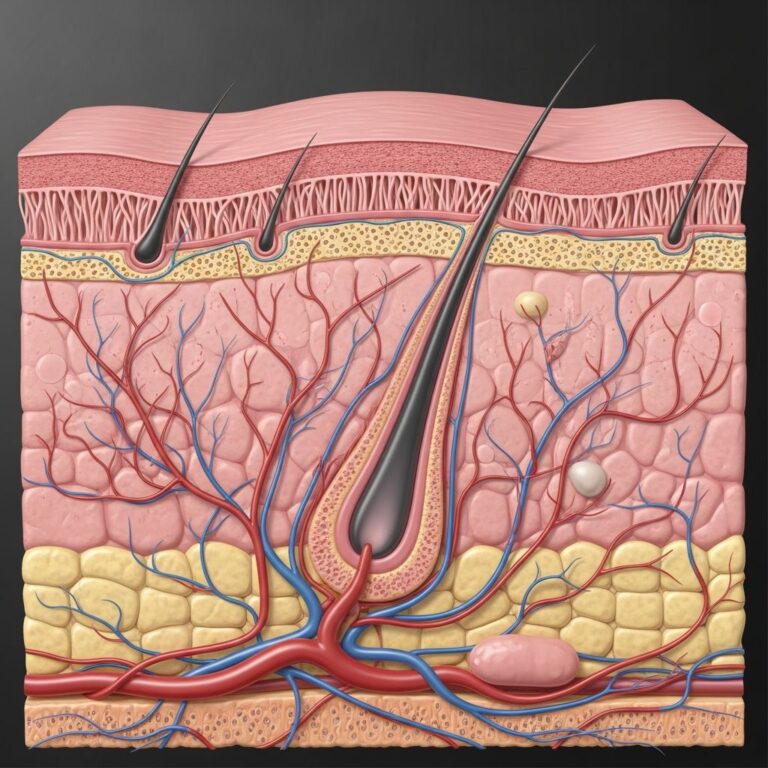
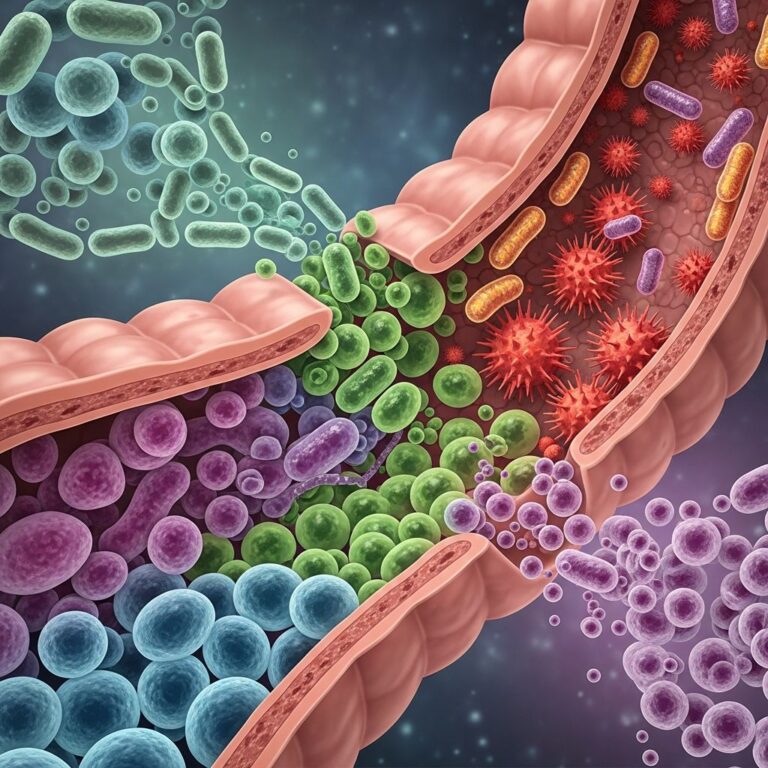
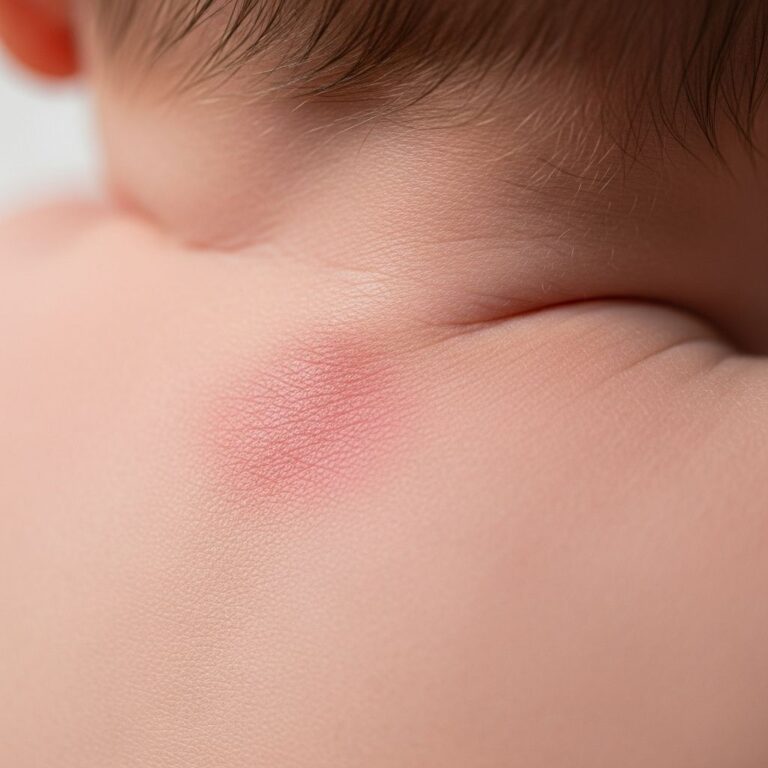
Pneumocystosis: Diagnosis, Skin Signs, Treatment Guide
Opportunistic fungal infection in immunocompromised patients, primarily affecting lungs with rare skin manifestations.
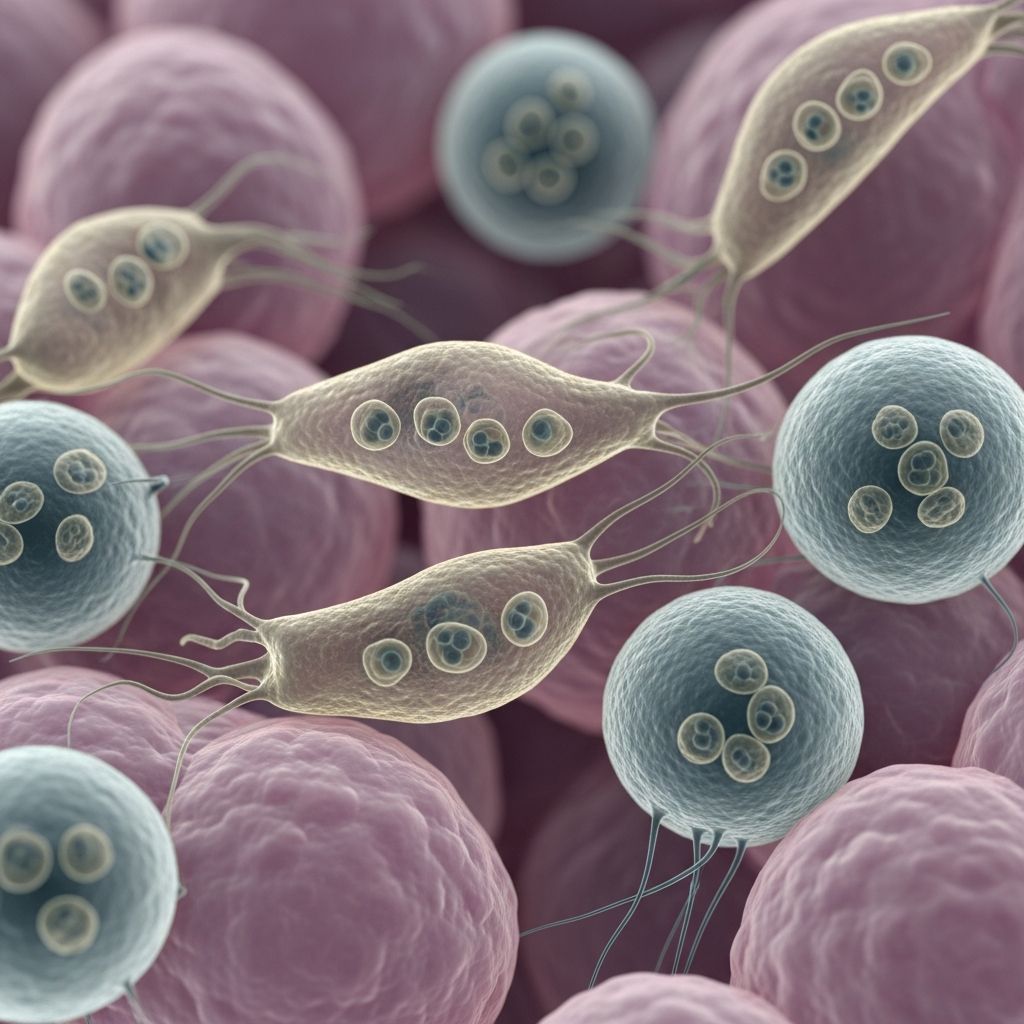
Authoritative facts about pneumocystosis (Pneumocystis jirovecii pneumonia; PJP): what it is, who gets it, and how it presents on the skin.
Pneumocystosis is an opportunistic fungal infection caused by Pneumocystis jirovecii, primarily manifesting as pneumonia in immunocompromised individuals. While predominantly a pulmonary disease, extrapulmonary involvement, including the skin, occurs rarely but can be diagnostically challenging. This article explores the epidemiology, clinical features, diagnosis, management, and prevention of pneumocystosis, with a focus on dermatological aspects.
What is pneumocystosis?
Pneumocystosis, formerly known as Pneumocystis carinii pneumonia (PCP), is now termed Pneumocystis jirovecii pneumonia (PJP) to reflect the specific human pathogen P. jirovecii. This ascomycetous fungus colonizes the lungs asymptomatically in healthy individuals but causes life-threatening infection when immunity wanes. It is ubiquitous, with most children developing antibodies by age 4, indicating widespread environmental exposure.
The organism exists in both cyst (thick-walled sexual forms) and trophic (thin-walled asexual forms) stages. Transmission occurs via airborne spores, often from person-to-person in crowded settings or reactivated latent infection. Unlike typical fungi, P. jirovecii cannot be cultured in vitro, complicating research.
Who gets pneumocystosis?
Pneumocystosis predominantly affects those with severe immunosuppression. Key risk groups include:
- Patients with HIV/AIDS, especially CD4 counts <200 cells/µL (66–85% lifetime risk in untreated HIV).
- Transplant recipients (solid organ or hematopoietic stem cell transplants) on immunosuppressive therapy.
- Individuals on high-dose corticosteroids (>20 mg/day prednisone for >4 weeks) or other agents like calcineurin inhibitors, TNF inhibitors, or biologics for dermatological conditions.
- Those with malignancies (e.g., haematological cancers), primary immunodeficiencies, or severe malnutrition.
- Premature infants or elderly with comorbidities, though rarer.
In dermatology, patients with severe psoriasis, eczema, or connective tissue diseases on systemic immunosuppression are at elevated risk, with mortality up to 47% in reported cases. Prophylaxis gaps, lymphopenia, hypoalbuminemia, and comorbidities exacerbate vulnerability.
Clinical features of pneumocystosis
Pulmonary pneumocystosis
The classic presentation is subacute pneumonia with insidious onset of dry cough, progressive dyspnoea, fever, and fatigue over 1–4 weeks. Hypoxemia is disproportionate to physical findings, with chest X-rays showing bilateral interstitial infiltrates. Respiratory failure can ensue rapidly without intervention.
Extrapulmonary pneumocystosis
Extrapulmonary dissemination affects 1–2.5% of cases, often in advanced HIV or despite prophylaxis. Sites include lymph nodes, spleen, liver, bone marrow, eyes, kidneys, thyroid, GI tract, and rarely skin. Disseminated disease signals poor prognosis.
Cutaneous pneumocystosis
Skin involvement is exceedingly rare (<1% of extrapulmonary cases), typically in HIV/AIDS or transplant patients. Presentations include:
- Nodular growths in ear canals, axillae, palms, or soles; may be tender, ulcerate, or drain fluid.
- Rash or papules with central umbilication on face, trunk, or extremities; resemble molluscum contagiosum or cryptococcosis.
- Plaques or erosions in intertriginous areas; ear involvement can perforate tympanic membrane or erode mastoid bone.
Lesions often coexist with pulmonary PJP and elevated fungal markers like beta-D-glucan. Diagnosis requires high suspicion in at-risk patients.
Diagnosis
Diagnosis hinges on detecting P. jirovecii in clinical specimens via microscopy, histopathology, or molecular tests. Induced sputum or bronchoalveolar lavage (BAL) yields highest sensitivity for pulmonary disease (90–98%).
Related Stories



Microscopic techniques:
- Giemsa, Diff-Quik, or Wright stain: highlight trophic forms and intracystic bodies.
- Methenamine silver (GMS) or toluidine blue O: stain cyst walls black/blue.
PCR assays on respiratory or tissue samples offer superior sensitivity/specificity. Serum beta-D-glucan (>500 pg/mL) supports diagnosis but lacks specificity.
For skin lesions, punch biopsy with special stains is essential. Histology shows foamy alveolar exudate-like material packed with cysts. Culture is impossible; immunofluorescence aids confirmation.
| Diagnostic Method | Sensitivity | Specimen |
|---|---|---|
| Induced Sputum + Stains | 50–90% | Respiratory |
| BAL + PCR | >95% | Respiratory |
| Skin Biopsy + GMS | Variable | Skin |
| Beta-D-Glucan | 90% (adjunct) | Serum |
Treatment
First-line therapy is trimethoprim-sulfamethoxazole (TMP-SMX; co-trimoxazole) at 15–20 mg/kg/day TMP (oral/IV) divided q6–8h for 21 days in HIV patients (14–21 days otherwise). It targets folate synthesis in the fungus.
- Adjunctive corticosteroids: For HIV patients with PaO2 <70 mmHg or A-a gradient >35 mmHg; prednisone 40 mg BID days 1–5, taper over 11 days.
- Alternatives for sulfa allergy/intolerance: Pentamidine IV, atovaquone, clindamycin+primaquine, or dapsone+trimethoprim. Desensitization for mild TMP-SMX allergy.
HIV patients respond slower, requiring extended courses. Monitor for adverse effects like rash, marrow suppression, or hyperkalemia. Note: Unlike other mycoses, antifungals (e.g., azoles, echinocandins) are ineffective; antibiotics target this unique fungus.
Skin lesions often resolve with systemic therapy, though excision may be needed for localized disease.
Prophylaxis
Primary prophylaxis is crucial for high-risk groups:
- HIV: CD4 <200 cells/µL, or <14%, or thrush with CD4 200–250.
- Non-HIV: Prolonged high-dose steroids (>20 mg/day >1 month), transplants, or CD4 <200 on immunosuppressants.
TMP-SMX 1 DS tablet daily or 3x/week is preferred (DS = double strength). Alternatives: dapsone, atovaquone, aerosolized pentamidine (less effective against extrapulmonary disease). Dermatology patients on biologics/steroids warrant consideration.
How does pneumocystosis affect the skin?
Cutaneous pneumocystosis mimics other opportunistic infections. Common morphologies:
- Ear canal nodules: Erythematous, draining; risk mastoiditis.
- Axillary/palmar papules: Umbilicated, crusted; tender.
- Facial plaques: Brownish, scaly; may ulcerate.
Histopathology reveals cyst clusters in dermis without inflammation. PCR confirms. Despite pentamidine prophylaxis, extrapulmonary breakthrough occurs.
Related topics
- Cryptococcosis image library
- Disseminated fungal infection
- HIV dermatology
- Immunosuppression
- Molluscum contagiosum
Frequently asked questions
What causes pneumocystosis?
Inhalation of Pneumocystis jirovecii spores in immunocompromised hosts leads to PJP; skin spread is haematogenous.
Who is at risk for skin involvement?
Advanced HIV, transplant patients on suboptimal prophylaxis; CD4 <100 cells/µL heightens risk.
How is cutaneous PJP diagnosed?
Biopsy with GMS/toluidine blue stains or PCR; adjunct beta-D-glucan.
Is prophylaxis effective against skin disease?
TMP-SMX yes; pentamidine less so for extrapulmonary sites.
What is the prognosis?
Pulmonary PJP mortality 10–20% with treatment; higher (40–50%) in non-HIV or cutaneous cases.
References
- Pneumocystosis — Wikipedia. 2023-10-01. https://en.wikipedia.org/wiki/Pneumocystosis
- Pneumocystis jiroveci pneumonia in patients treated with systemic immunosuppression for dermatology diseases: a report of 17 cases — Wiley Online Library. 2016-03-24. https://onlinelibrary.wiley.com/doi/10.1111/ijd.13231
- Pneumocystosis — DermNet NZ. 2023. https://dermnetnz.org/topics/pneumocystosis
- Cutaneous Pneumocystis jirovecii infection in an allogeneic stem cell transplant patient — European Journal of Case Reports in Internal Medicine. 2023. https://www.ejcrim.com/index.php/EJCRIM/article/view/4615
- Pneumocystis jirovecii Pneumonia — NCBI StatPearls. 2023-11-20. https://www.ncbi.nlm.nih.gov/books/NBK482370/
- Pneumocystis Pneumonia Basics — CDC. 2024-01-15. https://www.cdc.gov/pneumocystis-pneumonia/about/index.html
Similar Articles








Read full bio of Sneha Tete