Pneumonectomy: Comprehensive Guide to Lung Removal Surgery
An in-depth exploration of pneumonectomy procedures, recovery, risks, and patient care post lung removal surgery.
What is Pneumonectomy?
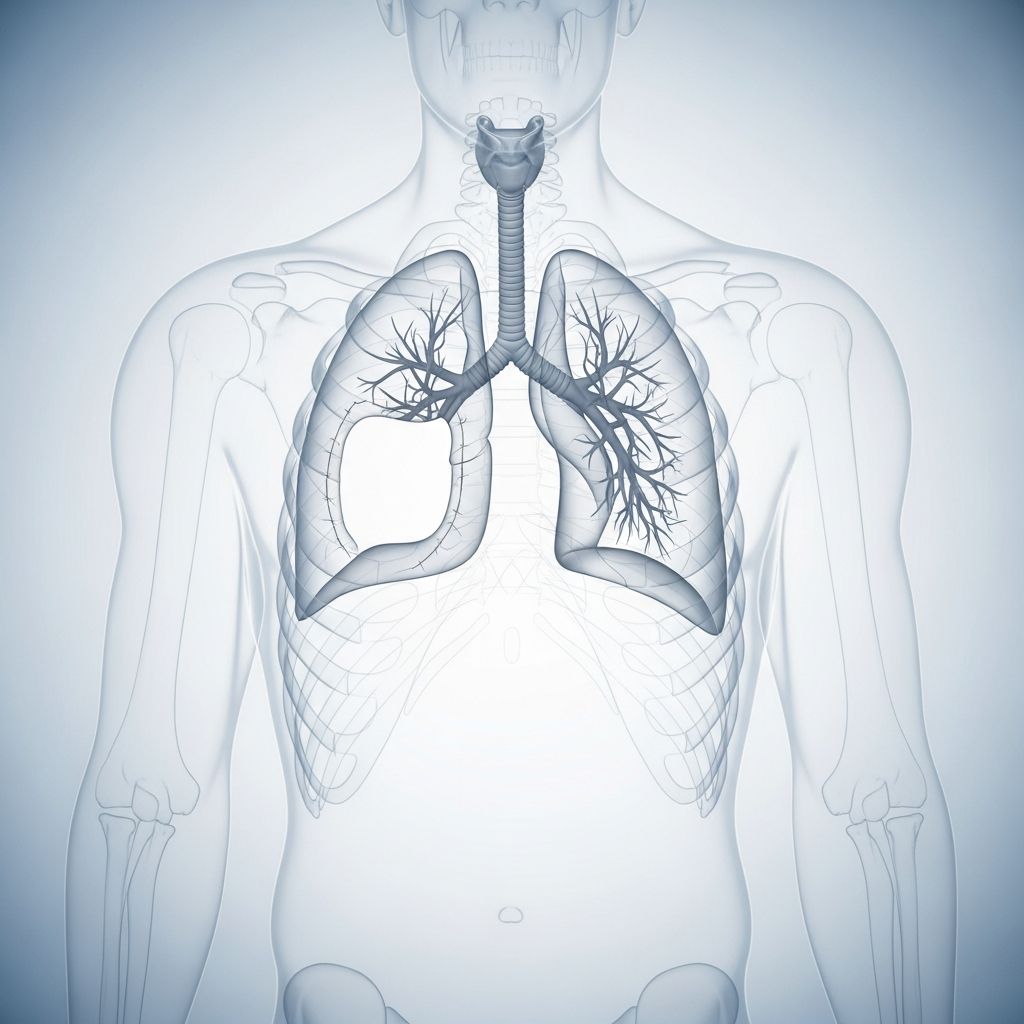
A pneumonectomy is a surgical procedure involving the removal of an entire lung. It is primarily performed to treat lung cancer, but it can also be indicated for other diseases such as severe infections, trauma, or pleural mesothelioma. Unlike a lobectomy or segmentectomy, which involve partial lung resections, pneumonectomy removes the entire lung on either the right or left side.
Types of Pneumonectomy
- Simple or Standard Pneumonectomy: This surgery removes only the affected lung.
- Extrapleural Pneumonectomy (EPP): A more extensive procedure that removes not only the entire lung but also parts of the pleura (lung lining), pericardium (heart lining), diaphragm, and regional lymph nodes. This is often used in treating pleural mesothelioma.
Indications for Pneumonectomy
Common reasons for a pneumonectomy include:
- Lung cancer, especially when tumors involve the entire lung or are centrally located making lesser resections inadequate.
- Extensive pleural disease, such as mesothelioma involving the pleura and lung.
- Severe trauma or infection resulting in irreversible lung damage.
Preoperative Evaluation and Tests
Before surgery, a thorough assessment is crucial to confirm a patient’s suitability for pneumonectomy. Because one lung will be removed, patients must have strong cardiopulmonary function to tolerate surgery and maintain adequate breathing afterward.
- Pulmonary Function Tests (PFTs): Forced expiratory volume in one second (FEV1) and diffusion capacity of the lungs for carbon monoxide (DLCO) help evaluate lung function and potential postoperative respiratory capacity.
- Cardiopulmonary Exercise Testing: Assesses oxygen consumption (VO2 max) and overall cardiovascular fitness.
- Imaging: Chest X-rays, CT scans, PET scans, and sometimes MRI are used to determine tumor extent and ensure disease is limited to one lung, especially for EPP candidates.
- Stair Climbing or Six-Minute Walk Test: Functional tests to assess ability to withstand surgery.
The Pneumonectomy Procedure
The pneumonectomy is performed under general anesthesia and involves several steps:
- The patient is positioned on their side on the operating table.
- A surgical incision, usually a posterolateral thoracotomy through the fourth or fifth intercostal space, provides access to the lung.
- The affected lung is deflated and carefully dissected. The surgeon isolates and divides the main bronchus, pulmonary artery, and veins supplying the lung.
- In an extrapleural pneumonectomy, the surgeon also removes the pleura, part of the diaphragm, the pericardium, and nearby lymph nodes.
- After removal, the bronchial stump is closed and checked for air leaks.
- The chest cavity is usually filled with sterile fluid, and chest tubes are placed to drain fluid or air postoperatively.
- The incision is closed, and the patient is transferred to recovery.
Recently, minimally invasive approaches such as video-assisted thoracoscopic surgery (VATS) are increasingly used for pneumonectomy in select cases, offering reduced morbidity and faster recovery.
Postoperative Recovery
After surgery, patients are closely monitored in the hospital for several days. Recovery involves:
- Monitoring: Vital signs including heart rate, blood pressure, oxygen saturation, and respiratory status are continuously observed.
- Pain Management: While patients may experience soreness, severe pain is uncommon. Pain control facilitates deep breathing to prevent atelectasis and pneumonia.
- Breathing Therapy: Respiratory therapists assist with breathing exercises and use of devices like incentive spirometers to clear secretions from the remaining lung.
- Oxygen Support: Oxygen by nasal cannula is commonly provided initially to support adequate oxygenation.
- Prevention of Complications: This includes measures to prevent infection, blood clots, and fluid build-up in the chest.
- Physical Rehabilitation: Gradual mobilization and pulmonary rehabilitation help improve lung capacity and overall strength.
Related Stories



Potential Risks and Complications
While advances in surgical technique and perioperative care have greatly improved safety, pneumonectomy carries several risks, including:
- Short-term:
- Pneumonia
- Bronchopleural fistula (air leak at the bronchial stump)
- Respiratory failure or distress
- Arrhythmias or heart complications
- Bleeding or infection
- Long-term:
- Reduced exercise tolerance due to loss of lung capacity
- Chronic breathlessness
- Possible changes in chest anatomy leading to shifting of the heart and remaining lung
Anatomical and Physiological Changes After Pneumonectomy
Following lung removal, the thoracic cavity adapts through several mechanisms:
- Hyperinflation: The remaining lung expands to fill some of the empty space.
- Mediastinal Shift: The heart and mediastinum shift toward the side of the removed lung.
- Space Filling: Initially, the pneumonectomy space contains air that is gradually absorbed and replaced by fluid, which eventually becomes gelatinous proteinaceous material.
- Chest Wall Changes: Slight collapse or remodeling of the chest wall on the operated side may occur.
Long-term Care and Lifestyle Adjustments
Patients who have undergone pneumonectomy need ongoing monitoring and adaptations including:
- Avoidance of lung irritants such as smoking and polluted environments.
- Engagement in pulmonary rehabilitation programs to maximize lung function.
- Regular follow-up medical appointments to assess lung health and detect any signs of complications or cancer recurrence.
- Adoption of a healthy lifestyle with balanced nutrition and physical activity appropriate to lung capacity.
Frequently Asked Questions (FAQs)
Q: Can a person live with only one lung?
A: Yes, many people live normal lives with only one lung after pneumonectomy, although they may experience some limitations in exercise tolerance and require lifestyle adjustments to protect their remaining lung.
Q: What is the difference between a simple and extrapleural pneumonectomy?
A: A simple pneumonectomy removes just the lung, while an extrapleural pneumonectomy (EPP) also removes the pleura, part of the diaphragm, the pericardium, and sometimes lymph nodes, generally as treatment for conditions like mesothelioma.
Q: How long does recovery take after pneumonectomy?
A: Hospital recovery usually lasts one to two weeks; however, full recovery and adjustment to one lung can take several months with physical therapy and rehabilitation.
Q: What complications should patients watch for after surgery?
A: Patients should monitor for signs of infection, persistent coughing, shortness of breath, chest pain, or fever, and report these immediately to their healthcare provider.
Q: Are there minimally invasive surgical options for pneumonectomy?
A: Yes, in selected cases, video-assisted thoracoscopic surgery (VATS) pneumonectomy is feasible and offers benefits such as reduced pain and quicker recovery compared to traditional open thoracotomy.
References
- Pneumonectomy – Johns Hopkins Medicine — Johns Hopkins Medicine. Accessed 2025-12-01. http://www.hopkinsmedicine.org/health/treatment-tests-and-therapies/pneumonectomy
- Pneumonectomy – Wikipedia — Wikipedia contributors. 2023-09-10. https://en.wikipedia.org/wiki/Pneumonectomy
- Can You Live With One Lung? – WebMD — WebMD. Updated 2024-02-15. https://www.webmd.com/lung/can-you-live-with-one-lung
- Pneumonectomy | Pleural Mesothelioma Treatment — Mesothelioma Hub. Updated 2024-03-12. https://mesotheliomahub.com/treatment/surgery/pneumonectomy/
- Lung Cancer Pneumonectomy | Lung Removal for Cancer — Lung Cancer Group. Accessed 2025-12-01. https://www.lungcancergroup.com/treatment/surgery/pneumonectomy/
Similar Articles








Read full bio of Sneha Tete