Pneumonia: Causes, Symptoms, Diagnosis, And Treatment Guide
Understand pneumonia risks, symptoms, treatments, and prevention strategies for better lung health across all ages.
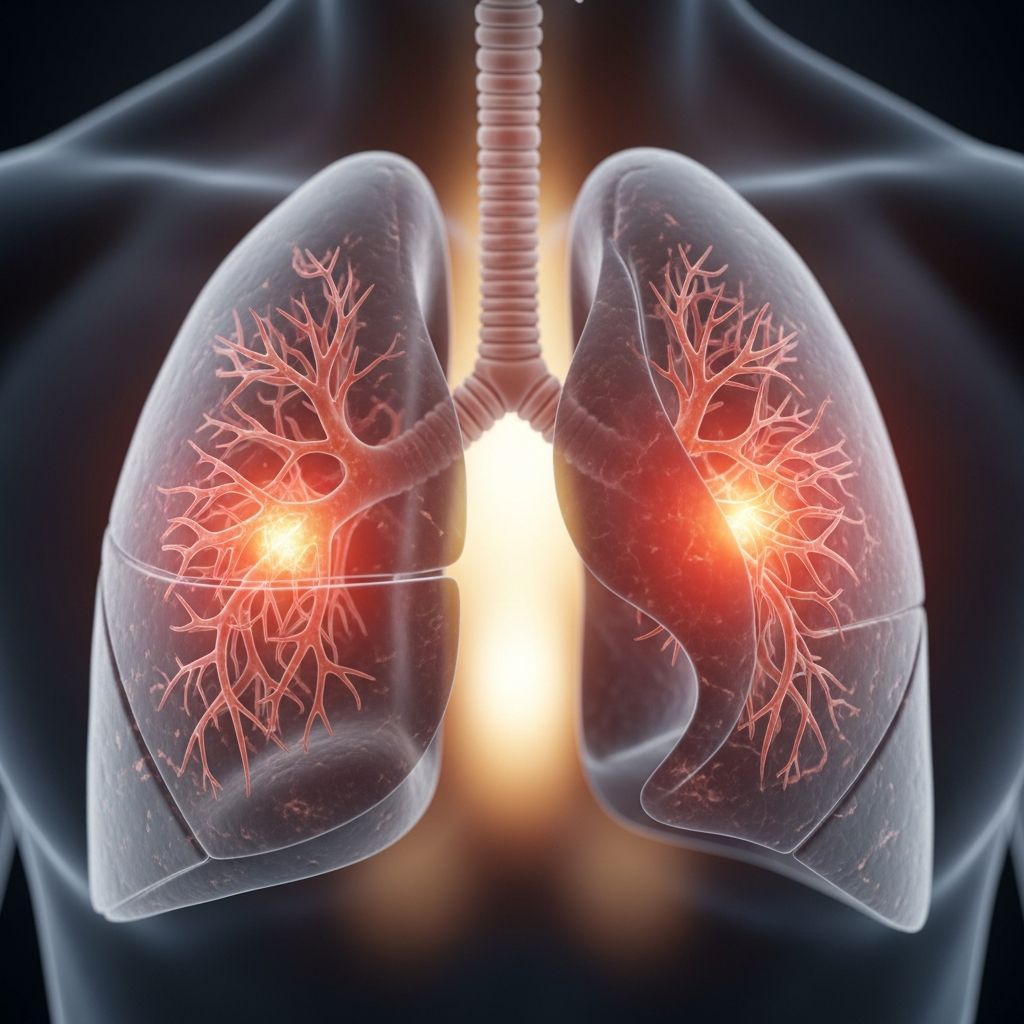
Pneumonia represents a significant health concern as an inflammatory condition affecting the lungs’ air sacs, often triggered by infectious agents. This infection fills the alveoli with fluid or pus, impairing oxygen exchange and leading to symptoms ranging from mild discomfort to life-threatening complications.
Defining Lung Inflammation from Infection
The lungs consist of tiny air sacs known as alveoli, which facilitate gas exchange during breathing. In pneumonia, these sacs become inflamed and accumulate fluid, pus, or debris due to microbial invasion. This disruption hinders efficient oxygen delivery to the bloodstream, causing breathing difficulties and systemic effects.
Unlike upper respiratory infections, pneumonia targets the lower respiratory tract, specifically the parenchyma. It manifests acutely, with inflammation driven by the body’s immune response to pathogens. Neutrophils dominate in bacterial cases, while viral infections often involve lymphocytes.
Microbial Culprits Behind Pneumonia
Pneumonia arises from diverse pathogens, categorized by type and acquisition context. Bacteria like Streptococcus pneumoniae are primary causes in community settings, while viruses such as influenza or respiratory syncytial virus predominate in others. Fungi and parasites play lesser roles, mainly in vulnerable populations.
- Bacterial agents: Common in adults; respond to antibiotics.
- Viral agents: Frequent in children; often self-limiting.
- Fungal agents: Affect immunocompromised individuals.
Hospital environments introduce risks like Pseudomonas or resistant strains, complicating treatment.
Classifying Pneumonia by Origin and Host Factors
Pneumonia classification aids targeted therapy. Key types include:
| Type | Description |
|---|---|
| Community-Acquired | Develops outside healthcare settings; typical bacteria or viruses. |
| Hospital-Acquired | Onset after 48 hours in hospital; often multidrug-resistant. |
| Ventilator-Associated | Affects mechanically ventilated patients after 48 hours. |
| Aspiration-Related | From inhaling oral/gastric contents; anaerobes involved. |
Immune status further refines categories: immunocompetent versus compromised hosts face different pathogen profiles.
Host Vulnerabilities and Risk Amplifiers
Certain factors heighten susceptibility by weakening respiratory defenses. Chronic conditions like COPD, heart disease, or diabetes impair clearance mechanisms. Age extremes—infants under 2 and adults over 65—face elevated risks, as do smokers and those with swallowing difficulties.
- Upper airway barriers: Saliva enzymes, normal flora inhibitors.
- Lower airway protections: Cough reflex, mucociliary escalator, alveolar macrophages.
Immunodeficiencies, from neutropenia to HIV, expand pathogen range, demanding tailored diagnostics.
Recognizing Warning Signs and Progression
Symptoms emerge abruptly or gradually, blending respiratory and systemic features. Cough, often productive of discolored sputum, accompanies dyspnea and pleuritic chest pain. Fever, chills, fatigue, and myalgias signal infection.
In elderly patients, confusion or lethargy may predominate over classic signs. Children might exhibit rapid breathing, grunting, or nasal flaring. Severity escalates with hypoxia, indicating potential ICU needs.
- Common indicators: Cough (75%), shortness of breath (65%).
- Severe markers: High fever, bloody sputum, cyanosis.
Diagnostic Approaches for Confirmation
Diagnosis integrates clinical evaluation, imaging, and labs. Chest X-ray reveals consolidation patterns, essential for validation. Blood tests show leukocytosis or elevated CRP; sputum cultures identify pathogens.
Severity tools like CURB-65 assess hospitalization needs: Confusion, Urea elevation, Respiratory rate, Blood pressure, Age over 65. Scores guide outpatient versus inpatient care.
- History and physical exam.
- Imaging confirmation.
- Microbiological testing.
- Treatment response monitoring.
Related Stories



Tailored Treatment Strategies
Management hinges on severity, pathogen suspicion, and setting. Antibiotics target bacterial cases; empiric choices cover likely agents like macrolides or beta-lactams for community-acquired.
Viral pneumonia relies on supportive care—hydration, antipyretics, oxygen. Hospitalized patients may receive IV therapies; severe cases demand ventilation.
- Outpatient: Oral antibiotics, rest.
- Inpatient: IV drugs, monitoring.
- Critical care: Mechanical support, broad-spectrum coverage.
Recovery spans 2-4 weeks, with follow-up imaging if symptoms persist.
Preventive Measures and Vaccination
Prevention curbs incidence, especially in high-risk groups. Vaccines against pneumococcus, influenza, and pertussis prove effective. Hygiene—handwashing, cough etiquette—limits spread.
Pneumococcal vaccines (PCV13, PPSV23) reduce invasive disease. Lifestyle modifications like smoking cessation bolster defenses.
| Vaccine | Target Group | Benefit |
|---|---|---|
| Pneumococcal conjugate | Children, elderly | Prevents bacterial pneumonia. |
| Influenza annual | All ages | Lowers viral complication risk. |
| Haemophilus influenzae type b | Infants | Reduces secondary infections. |
Special Considerations for Vulnerable Groups
Children under 5 bear heavy burden; pneumonia claims over 800,000 lives yearly in this demographic. Rapid breathing and chest indrawing signal danger.
Elderly face atypical presentations, higher mortality. Immunocompromised patients require vigilant prophylaxis against Pneumocystis jirovecii.
Complications and Long-Term Outlook
Untreated pneumonia risks abscesses, empyema, or sepsis. Post-infection sequelae include fibrosis in severe cases. Most recover fully with prompt intervention, though fatigue lingers.
Frequently Asked Questions
What distinguishes walking pneumonia from severe forms?
Walking pneumonia, often mycoplasma-driven, presents mildly without hospitalization needs, unlike lobar bacterial types causing high fever and respiratory failure.
Can pneumonia resolve without antibiotics?
Viral cases frequently self-resolve with rest; bacterial require antimicrobials to prevent progression.
How long does recovery take?
Typically 1-3 weeks for mild cases; severe may extend months with rehab.
Is pneumonia contagious?
Underlying germs spread via droplets; pneumonia itself stems from lung invasion.
Who qualifies for pneumonia vaccines?
Infants, seniors over 65, chronic illness sufferers, and smokers.
References
- Pneumonia—Overview — National Center for Biotechnology Information (PMC). 2020-04-28. https://pmc.ncbi.nlm.nih.gov/articles/PMC7241411/
- Learn About Pneumonia — American Lung Association. 2023-10-01. https://www.lung.org/lung-health-diseases/lung-disease-lookup/pneumonia/learn-about-pneumonia
- Overview of Pneumonia — Merck Manuals Professional Edition. 2024-01-15. https://www.merckmanuals.com/professional/pulmonary-disorders/pneumonia/overview-of-pneumonia
- Pneumonia: Causes, Symptoms, Diagnosis & Treatment — Cleveland Clinic. 2023-11-20. https://my.clevelandclinic.org/health/diseases/4471-pneumonia
- Pneumonia — World Health Organization. 2024-02-10. https://www.who.int/health-topics/pneumonia
- Pneumonia — National Health Service (NHS). 2023-09-05. https://www.nhs.uk/conditions/pneumonia/
- Pneumonia — Centers for Disease Control and Prevention (CDC). 2024-01-22. https://www.cdc.gov/pneumonia/index.html
Similar Articles








Read full bio of Sneha Tete