Pneumonia: Causes, Symptoms, Diagnosis & Treatment
Complete guide to pneumonia: understanding infection types, symptoms, diagnosis methods, and treatment options.
Understanding Pneumonia: A Comprehensive Guide
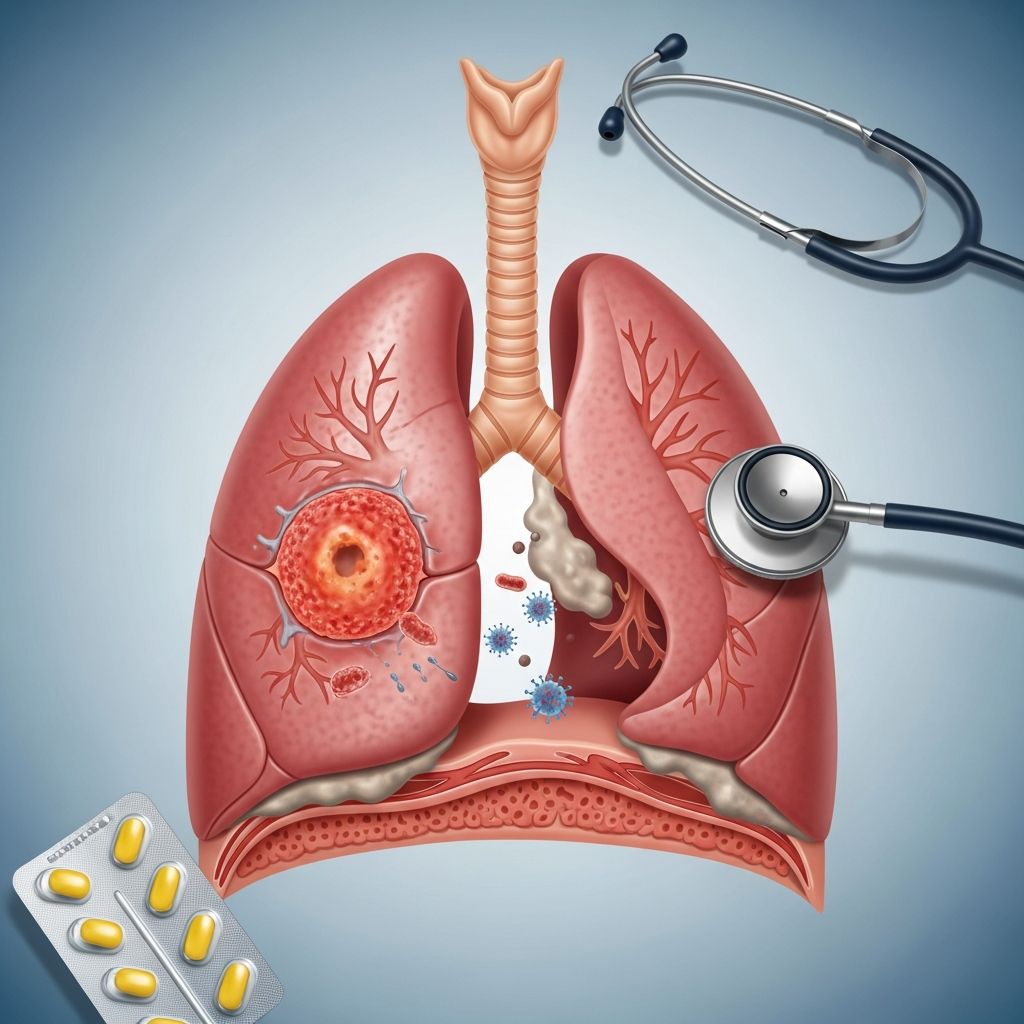
Pneumonia is a serious infection of the lungs characterized by inflammation of the air sacs, or alveoli, which fill with pus or fluid. This condition can affect one or both lungs and can range from mild to life-threatening depending on the type of pathogen involved, the patient’s age, and their overall health status. Pneumonia remains one of the most common infectious diseases worldwide, requiring prompt diagnosis and appropriate treatment to prevent serious complications.
What is Pneumonia?
Pneumonia is defined as an infection of the lung involving the alveolar space, where gas exchange normally occurs. When pneumonia develops, the infected alveoli fill with inflammatory fluid or pus, which interferes with oxygen transfer into the bloodstream. This can lead to reduced oxygen levels in the body and symptoms ranging from mild respiratory discomfort to severe breathing difficulties. The condition can develop rapidly or gradually, depending on the causative organism and individual host factors.
Types of Pneumonia
Pneumonia is classified in several ways to help guide diagnosis, treatment, and infection control measures. Understanding these classifications is essential for appropriate clinical management and patient care.
Classification by Location
Community-Acquired Pneumonia (CAP) develops in individuals living in the community who have not been hospitalized. This is the most common type of pneumonia and typically occurs after exposure to respiratory pathogens in everyday environments.
Hospital-Acquired Pneumonia (HAP) occurs in patients who have been hospitalized for more than 48 hours or who have been recently discharged from a hospital within the past seven days. This type often involves different pathogens than community-acquired pneumonia and may be more resistant to standard antibiotics.
Ventilator-Associated Pneumonia (VAP) develops in critically ill patients who are on mechanical ventilation in intensive care units for more than 48 hours. These patients are at particularly high risk due to their compromised condition and the presence of the endotracheal tube.
Classification by Immune Status
Pneumonia occurring in immunocompetent individuals typically follows a more predictable clinical course with a recognizable set of common pathogens. In contrast, pneumonia in immunocompromised patients may involve a much wider range of organisms, including opportunistic pathogens that rarely cause disease in healthy individuals. The greater the degree of immune compromise, the broader the range of potential causative agents.
Classification by Pathogen Type
Pneumonia can be caused by various microorganisms:
- Bacterial pathogens
- Viral pathogens
- Fungal organisms
- Mycobacteria
- Parasites
While this classification is helpful for guiding treatment decisions, microbiological confirmation often takes days or may remain unclear even after investigation. Advances in rapid, point-of-care diagnostics are making faster pathogen identification increasingly possible.
Causes and Risk Factors
Common Bacterial Pathogens
The most frequently implicated bacterial pathogens in community-acquired pneumonia include Streptococcus pneumoniae, Haemophilus influenzae, Moraxella catarrhalis, Chlamydophila pneumoniae, Legionella species, and Mycoplasma pneumoniae. These organisms are responsible for the majority of bacterial pneumonia cases and typically respond to standard antibiotic therapy when susceptibility patterns are favorable.
Related Stories



Viral Pathogens
Viral pneumonia is increasingly recognized as an important cause of respiratory infection. Common viral pathogens include SARS-CoV-2, influenza A and B, respiratory syncytial virus (RSV), parainfluenza, adenovirus, human metapneumovirus, and rhinovirus. Recent epidemiological data indicates that rhinovirus and influenza are among the most frequently identified viral causes of hospitalized pneumonia cases.
Host Risk Factors
Multiple host factors predispose individuals to pneumonia by reducing lung defenses and immune function:
- Advanced age
- Chronic lung disease (COPD, asthma)
- Cardiovascular disease
- Diabetes mellitus
- Chronic kidney disease
- Compromised immune system
- Recent surgery or hospitalization
- Smoking and alcohol use
- Aspiration risk factors
Special Consideration: Aspiration Pneumonia
Aspiration pneumonia occurs when a patient manifestly at risk of aspiration develops pneumonia, with anaerobic pathogens from the digestive tract implicated alongside multiple other microorganisms. While overt aspiration events are sometimes recognized, micro-aspiration of microorganisms into the lower airways is a common occurrence and likely accounts for pneumonia development in the majority of cases. Aspiration pneumonia may be accompanied by pleural reactions or lung abscess formation.
Pathogenesis and Transmission
The development of pneumonia involves the introduction of microorganisms to the lung, most commonly via micro-aspiration. Haematogenous spread from other body sites and direct spread from contiguous sources are less common routes of infection. Once pathogens reach the lower airways and alveoli, they overwhelm local host defenses, leading to inflammation, immune response activation, and alveolar consolidation with fluid or pus accumulation.
Symptoms and Clinical Presentation
Patients with pneumonia typically present with a combination of respiratory and systemic symptoms. The classic presentation includes:
- Cough (present in approximately 75% of cases)
- Dyspnea or shortness of breath (approximately 65%)
- Sputum production (approximately 30%)
- Chest pain (approximately 30%)
- Fever
- Rigors (shaking chills)
- Myalgia (muscle pain)
- Confusion or altered mental status
The severity and specific constellation of symptoms vary depending on the causative pathogen, the patient’s immune status, and underlying health conditions. Immunocompromised patients may present with atypical or subtle symptoms, making diagnosis more challenging. Additionally, the classic symptoms related to immune response may be absent in severely immunosuppressed individuals, altering the clinical presentation significantly.
Diagnosis of Pneumonia
A definitive diagnosis of pneumonia comprises four essential aspects: symptoms and signs of respiratory tract infection, radiological changes consistent with pneumonia, identification of a putative pathogen, and a treatment response or clinical course consistent with the condition.
Clinical Assessment
The initial diagnosis begins with a thorough history and physical examination. Healthcare providers assess respiratory symptoms, duration of illness, and systemic manifestations. Physical examination may reveal signs such as crackles or consolidation on lung auscultation, tachypnea, and fever.
Radiological Findings
Chest imaging, typically chest X-ray, is essential for confirming pneumonia diagnosis. Radiological findings show infiltrates consistent with pneumonic consolidation, often visible as areas of increased density in the affected lung fields. High-resolution CT scanning may be used in complex cases or when additional diagnostic clarity is needed.
Microbiological Testing
A wide array of microbiological tests is available for pathogen identification, including:
- Sputum culture and Gram stain
- Blood cultures
- Polymerase chain reaction (PCR) testing
- Antigen detection tests
- Nucleic acid amplification tests
- Respiratory specimen analysis
Despite the availability of modern molecular-based microbiological investigations, a pathogen is identified in only 50-75% of community-acquired pneumonia cases. This underscores the importance of empiric treatment while awaiting culture results and the limitations of current diagnostic methodologies.
Additional Diagnostic Considerations
Blood tests may show elevated white blood cell count and inflammatory markers. Oxygen saturation measurement and arterial blood gas analysis help assess the severity of respiratory compromise. Rapid point-of-care diagnostics are increasingly available and can provide microbiological confirmation within minutes to hours of presentation, improving the clinical relevance of pathogen-directed therapy.
Treatment of Pneumonia
Treatment of pneumonia depends on the type of pathogen involved, the severity of illness, the patient’s age and underlying health conditions, and local antimicrobial resistance patterns. Empiric antibiotic therapy is typically initiated based on clinical presentation and risk factors while awaiting microbiological confirmation.
Antimicrobial Therapy
For community-acquired pneumonia in outpatients, first-line agents typically include macrolides, fluoroquinolones, or amoxicillin-clavulanate depending on local resistance patterns and patient factors. Hospitalized patients with CAP may receive broader spectrum agents such as beta-lactam/beta-lactamase inhibitor combinations or respiratory fluoroquinolones. Patients with risk factors for resistant pathogens or those in intensive care settings may require agents covering drug-resistant organisms.
Supportive Care
Beyond antimicrobial therapy, supportive care is crucial for pneumonia management. This includes oxygen therapy to maintain adequate oxygenation, fluid management, and pain control. Mechanical ventilation may be necessary for patients with severe respiratory failure. Nutrition support and mobilization, when appropriate, promote recovery.
Adjunctive Measures
Additional interventions may include bronchial hygiene techniques, chest physiotherapy, and management of complications such as pleural effusion or empyema. Vaccination against common respiratory pathogens such as pneumococcus and influenza can help prevent pneumonia development in vulnerable populations.
Prevention Strategies
Prevention of pneumonia includes immunization with pneumococcal and influenza vaccines, particularly in older adults and individuals with chronic health conditions. Smoking cessation, hand hygiene, and respiratory etiquette reduce transmission risk. For hospitalized patients, strategies such as elevation of the head of the bed, oral care, and reducing aspiration risk are important preventive measures.
Emerging Challenges
Novel pathogens continue to emerge as causes of pneumonia, requiring vigilant surveillance and rapid response capabilities. The rise of drug resistance among common respiratory pathogens presents a significant challenge for treatment and underscores the importance of appropriate antimicrobial stewardship, accurate diagnostic testing, and development of new therapeutic agents.
When to Seek Medical Care
Individuals experiencing persistent cough, fever, shortness of breath, or chest pain should seek medical evaluation. Urgent care is warranted for severe dyspnea, confusion, high fever, or signs of sepsis. Elderly patients, those with chronic medical conditions, and immunocompromised individuals should have a lower threshold for seeking evaluation, as they are at higher risk for severe pneumonia.
Frequently Asked Questions
Q: Can pneumonia be spread from person to person?
A: Yes, pneumonia can spread person-to-person, particularly viral pneumonia through respiratory droplets. Community-acquired pneumonia spreads through coughing and sneezing. Practicing good respiratory hygiene and hand washing helps reduce transmission risk.
Q: How long does pneumonia treatment typically take?
A: Treatment duration varies based on pneumonia severity and causative organism. Mild community-acquired pneumonia may resolve with outpatient antibiotics in 7-10 days, while hospitalized patients may require 2-3 weeks or longer for recovery.
Q: What complications can develop from untreated pneumonia?
A: Untreated pneumonia can lead to serious complications including bacteremia, sepsis, pleural effusion, empyema, lung abscess, acute respiratory distress syndrome, and multi-organ failure. Prompt treatment is essential to prevent these complications.
Q: Are there vaccines available to prevent pneumonia?
A: Yes, pneumococcal vaccines (PCV13 and PPSV23) protect against Streptococcus pneumoniae, one of the most common bacterial causes. Annual influenza vaccination also reduces viral pneumonia risk. Consult your healthcare provider about appropriate vaccinations.
Q: What is the difference between pneumonia and bronchitis?
A: Bronchitis is inflammation of the airways (bronchi), while pneumonia is infection involving the air sacs (alveoli) with consolidation and impaired gas exchange. Pneumonia typically causes more severe symptoms and requires different treatment approaches.
References
- Pneumonia—Overview — PubMed Central. National Center for Biotechnology Information. https://pmc.ncbi.nlm.nih.gov/articles/PMC7241411/
- Pneumonia, Community-Acquired (Adult) — Johns Hopkins ABX Guide. The Johns Hopkins University. 2022-10-09. https://www.hopkinsguides.com/hopkins/view/Johns_Hopkins_ABX_Guide/540442/all/Pneumonia__Community_Acquired
- Pneumonia – Health Library — Brigham and Women’s Hospital. https://healthlibrary.brighamandwomens.org/Search/85,P01321
Similar Articles








Read full bio of Sneha Tete