Pneumonia: Causes, Symptoms, Diagnosis & Treatment
Understanding pneumonia: Learn about causes, symptoms, diagnosis methods, and effective treatment options.
Understanding Pneumonia: A Comprehensive Overview
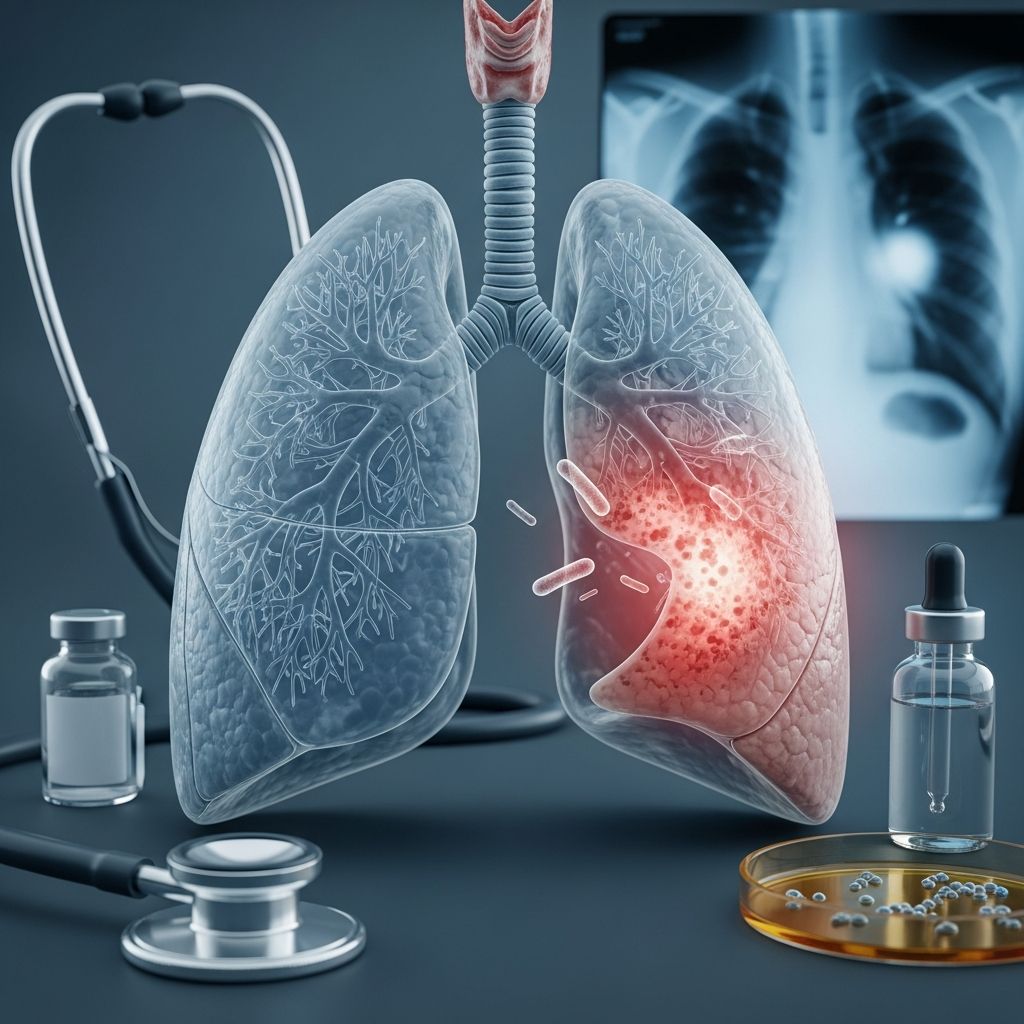
Pneumonia is a serious respiratory infection characterized by inflammation and fluid accumulation in the lungs. This condition occurs when bacteria, viruses, or fungi invade the air sacs (alveoli) within the lungs, causing them to fill with fluid or pus. As a result, oxygen transfer to the bloodstream becomes compromised, making it difficult to breathe and potentially leading to severe complications if left untreated. Pneumonia affects people of all ages but poses particular risks for young children, elderly individuals, and those with compromised immune systems.
Types and Causes of Pneumonia
Pneumonia can develop from various infectious agents, each requiring different treatment approaches. Understanding the type of pneumonia you have is crucial for determining the most effective treatment strategy.
Bacterial Pneumonia
Bacterial pneumonia represents one of the most common forms of the disease. The most frequent causative organism is Streptococcus pneumoniae, which can spread through respiratory droplets from infected individuals. Other bacterial pathogens include Haemophilus influenzae and Legionella pneumophila. Community-acquired pneumonia (CAP), which develops in individuals outside hospital settings, is often caused by these bacteria. Bacterial pneumonia typically develops suddenly and presents with more severe symptoms than viral pneumonia.
Viral Pneumonia
Viruses such as influenza, respiratory syncytial virus (RSV), and coronavirus can cause pneumonia. Viral pneumonia often begins as an upper respiratory infection and progresses to affect the lower respiratory tract. While viral pneumonia may seem milder initially, it can sometimes lead to secondary bacterial infections that complicate the condition.
Fungal Pneumonia
Fungal pneumonia typically occurs in individuals with weakened immune systems, including those with HIV/AIDS or taking immunosuppressive medications. Common fungal causes include Pneumocystis jirovecii and Candida species. Fungal infections usually develop more slowly than bacterial infections and require specialized antifungal treatments.
Recognizing Symptoms of Pneumonia
Pneumonia symptoms can vary depending on the causative organism, the person’s age, and overall health status. Recognizing these signs is essential for seeking timely medical attention.
Common Symptoms Include:
- Persistent cough, often productive with phlegm or sputum
- Fever and chills
- Shortness of breath and difficulty breathing
- Chest pain that worsens when coughing or breathing deeply
- Fatigue and weakness
- Headache and muscle aches
- Rapid or irregular heartbeat
- Confusion or altered mental status in severe cases
Walking Pneumonia
Walking pneumonia, also known as atypical pneumonia, is a milder form of the disease that allows individuals to remain relatively mobile. This condition typically causes a sore throat, sneezing, persistent cough, headache, and mild chills with low-grade fever. Walking pneumonia is often caused by atypical organisms such as Mycoplasma pneumoniae, Chlamydia pneumoniae, or Legionella pneumophila.
Diagnostic Methods for Pneumonia
To diagnose pneumonia, healthcare providers employ a systematic approach combining clinical evaluation with diagnostic testing. Proper diagnosis is essential to distinguish pneumonia from other respiratory conditions and to guide appropriate treatment.
Medical History and Physical Examination
Your healthcare provider will begin by taking a detailed health history and conducting a thorough physical examination. They will listen to your lungs with a stethoscope to identify abnormal breath sounds or crackling noises (rales) that indicate fluid in the lungs. The presence of newly acquired lower respiratory symptoms such as cough, sputum production, and dyspnea, especially when accompanied by fever and altered breath sounds, raises suspicion for pneumonia.
Related Stories



Imaging Tests
Chest X-rays are the primary imaging tool used to diagnose pneumonia. These radiographs reveal infiltrates and fluid patterns characteristic of pneumonic consolidation. In some cases, computed tomography (CT) scans may be ordered for a more detailed evaluation, particularly when complications are suspected.
Laboratory Tests
Several laboratory tests help identify the causative organism and assess disease severity:
- Blood cultures: Two pretreatment blood cultures are recommended to identify bacterial pathogens in the bloodstream
- Sputum cultures: Gram staining and culture of expectorated sputum help identify the infectious organism
- Urinary antigen tests: These tests detect antigens for Legionella pneumophila and Streptococcus pneumoniae
- Molecular testing: PCR testing can identify specific viral or atypical pathogens
- Oxygen saturation measurement: Pulse oximetry assesses how well oxygen is being transferred to the bloodstream
Risk Stratification
The Pneumonia Severity Index incorporates 20 risk factors to classify patients into five classes correlated with mortality risk. This classification helps determine whether outpatient or inpatient management is appropriate, with classes I and II suitable for outpatient care and classes IV and V typically requiring hospitalization.
Treatment Approaches for Pneumonia
Treatment for pneumonia depends on the identified cause—bacterial, viral, or fungal—and the severity of the infection. In many cases, the exact causative organism cannot be determined, so treatment focuses on managing symptoms and preventing deterioration.
Antibiotic Therapy
Antibiotic selection should be informed by the patient’s risk factors and degree of illness before a causative pathogen is identified. Treatment recommendations vary based on the setting:
| Patient Setting | Recommended Antibiotics |
|---|---|
| Outpatient (non-hospitalized) | Macrolide, doxycycline, or fluoroquinolone with enhanced activity against S. pneumoniae |
| Medical floor (hospitalized) | Respiratory fluoroquinolone or beta-lactam plus macrolide |
| Intensive care unit | Beta-lactam plus macrolide or respiratory fluoroquinolone |
| Penicillin-allergic patients | Aztreonam with aminoglycoside and respiratory fluoroquinolone |
Doxycycline can serve as an alternative to macrolides or fluoroquinolones to cover atypical organisms in patients with prolonged QTc intervals. Once an organism is identified through culture, PCR, or serology, the empiric antibiotic regimen should be adjusted accordingly. Antibiotics should be administered for at least five days, though longer durations may be necessary in immunocompromised patients or those with pulmonary or extrapulmonary complications.
Antiviral and Antifungal Treatment
For viral pneumonia, treatment primarily focuses on supportive care, as antiviral medications are limited. However, if influenza is confirmed, neuraminidase inhibitors may be beneficial if administered early. Antifungal medications are essential for fungal pneumonia and are selected based on the specific fungal organism identified.
Supportive Care
Supportive measures are critical for all patients with pneumonia. These include adequate oxygenation through supplemental oxygen if needed, adequate hydration, and rest. Over-the-counter medications may help relieve nasal congestion, cough, and mucus buildup in the chest. Patients can help open their airways by drinking warm fluids, using a humidifier, or taking hot baths or showers.
Discharge Criteria
Patients who are hemodynamically stable, can ingest medications safely, and have a normal gastrointestinal tract can be discharged on oral therapy without waiting to observe the clinical response. Follow-up care should be arranged to monitor recovery and ensure appropriate treatment response.
Risk Factors and Prevention
Certain factors increase the likelihood of developing pneumonia. Aging, chronic underlying illnesses such as chronic obstructive pulmonary disease or diabetes, and local epidemiologic factors all influence susceptibility to specific pathogens. Additionally, a thorough social history should be gathered to screen for potential occupational, travel, or endemic exposures that may guide microbiologic testing and empiric antibiotic treatment.
Prevention Strategies
- Pneumococcal vaccination protects against infections caused by Streptococcus pneumoniae and can prevent serious complications, hospitalizations, and death
- Annual influenza vaccination reduces the risk of viral pneumonia
- Practicing good hand hygiene and respiratory etiquette
- Avoiding close contact with individuals who have respiratory infections
- Maintaining overall health through proper nutrition and exercise
- Quitting smoking, as smoking damages lung defenses
When to Seek Medical Attention
Immediate medical evaluation is necessary if you experience severe shortness of breath, persistent chest pain, confusion, high fever unresponsive to medication, or signs of sepsis such as rapid heartbeat and extreme fatigue. Children, elderly individuals, and immunocompromised patients require particularly vigilant monitoring.
Frequently Asked Questions
Q: Can pneumonia resolve on its own without treatment?
A: Mild cases of viral pneumonia may resolve without specific treatment, but bacterial and fungal pneumonia require antibiotic or antifungal therapy. Even viral pneumonia benefits from supportive care and medical monitoring to prevent complications.
Q: How long does it take to recover from pneumonia?
A: Recovery time varies depending on the type of pneumonia, severity, and individual factors. Most patients begin feeling better within a few days to a week of starting appropriate treatment, but complete recovery may take several weeks to months.
Q: Is pneumonia contagious?
A: Yes, pneumonia is contagious, especially bacterial and viral forms. It spreads through respiratory droplets when an infected person coughs or sneezes. Practice good hygiene and respiratory etiquette to prevent transmission.
Q: What complications can arise from untreated pneumonia?
A: Untreated pneumonia can lead to serious complications including sepsis, respiratory failure, pleural effusion, lung abscess, and in severe cases, death. Prompt diagnosis and treatment are essential to prevent these outcomes.
Q: Can children and elderly people get pneumonia more easily?
A: Yes, both young children and elderly individuals have weaker immune systems and are at higher risk for developing pneumonia and experiencing severe complications. They should receive appropriate vaccinations and medical attention promptly if symptoms develop.
Q: What is the difference between pneumonia and bronchitis?
A: Bronchitis involves inflammation of the airways (bronchi) while pneumonia involves inflammation of the air sacs (alveoli) where gas exchange occurs. Pneumonia typically causes more severe symptoms and poses greater health risks.
Q: Should I take antibiotics if I suspect pneumonia?
A: Do not self-treat with antibiotics. Seek medical evaluation to determine if you have pneumonia and whether antibiotics are appropriate. Using antibiotics unnecessarily contributes to antibiotic resistance.
References
- Community-acquired pneumonia: Strategies for triage and treatment — Cleveland Clinic Journal of Medicine. 2018. https://www.ccjm.org/content/87/3/145
- Community-Acquired Pneumonia: New Considerations for an Old Infection — Cleveland Clinic Consult QD. https://consultqd.clevelandclinic.org/community-acquired-pneumonia-new-considerations-for-an-old-infection
- Practice Guidelines for the Management of Community-Acquired Pneumonia in Adults — National Center for Biotechnology Information. 2019. https://pmc.ncbi.nlm.nih.gov/articles/PMC7109923/
- Walking Pneumonia: What Is It, Causes, Symptoms & Treatment — Cleveland Clinic. 2022. https://my.clevelandclinic.org/health/diseases/15744-pneumonia-atypical-walking-pneumonia
- Pneumonia: Causes, Symptoms, Diagnosis & Treatment — Cleveland Clinic. 2022. https://my.clevelandclinic.org/health/diseases/4471-pneumonia
- Community-Acquired Pneumonia: An Update — Cleveland Clinic Journal of Medicine. 1996. https://www.ccjm.org/content/ccjom/63/1/16.full.pdf
- Worried About Pneumonia? Why the Vaccine Is Your Best Defense — Cleveland Clinic. https://health.clevelandclinic.org/pneumococcal-vaccine-key-facts-you-need-to-know
Similar Articles








Read full bio of Sneha Tete