Pneumonia: Causes, Symptoms, Treatment, and Prevention
Complete guide to pneumonia: Understanding infection, diagnosis, and effective treatment options.
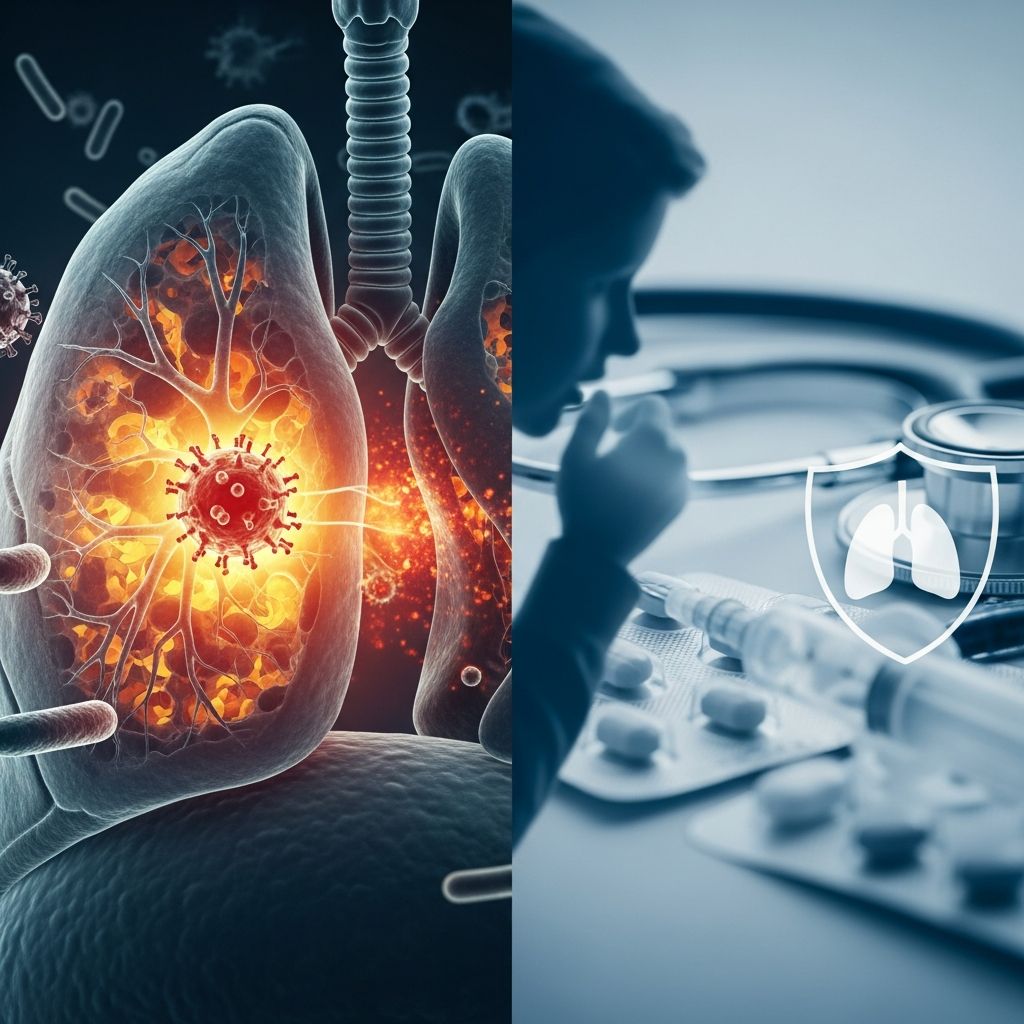
Understanding Pneumonia: A Comprehensive Guide
Pneumonia is an infection of the lungs that affects millions of people worldwide each year. It occurs when germs such as bacteria, viruses, or fungi invade the lungs and trigger an immune response. Understanding this common respiratory condition is essential for recognizing symptoms early and seeking appropriate treatment. This guide provides detailed information about pneumonia, its causes, symptoms, diagnosis, treatment options, and preventive measures.
What Is Pneumonia?
Pneumonia is fundamentally an infection of the lungs that occurs when pathogens reach the respiratory system and establish themselves in the air sacs, called alveoli. When germs enter the lungs, the immune system responds by sending white blood cells to attack the invaders. This immune response causes inflammation in the alveoli, leading them to fill with fluid or pus. This accumulation of fluid makes it difficult for the lungs to absorb oxygen, resulting in the characteristic symptoms of pneumonia.
Most cases of pneumonia in the United States are caused by bacterial infections, with Streptococcus pneumoniae being the most common culprit. However, other bacteria such as Mycoplasma and Legionella, as well as various viruses, can also cause pneumonia. When infections are caused by less common organisms, they are often referred to as atypical pneumonia because they may not present with all the classic pneumonia symptoms. Atypical pneumonia most commonly affects people younger than 40 years old.
Types of Pneumonia
Understanding the different types of pneumonia helps medical professionals determine the most effective treatment approach:
– Bacterial Pneumonia: The most common type, caused by bacterial organisms like Streptococcus pneumoniae- Viral Pneumonia: Caused by viruses such as influenza or respiratory syncytial virus (RSV)- Fungal Pneumonia: Less common, typically affecting people with weakened immune systems- Aspiration Pneumonia: Develops when chemical irritants and bacteria from the mouth or stomach are inhaled into the lungs, more common in individuals who have difficulty swallowing or are unconscious- Hospital-Acquired Pneumonia: Develops in hospitalized patients and tends to be more serious because hospital organisms often resist many antibiotics
Risk Factors and Vulnerable Populations
Certain individuals face a higher risk of developing pneumonia due to their age, health status, or lifestyle factors. Understanding these risk factors can help people take preventive measures:
– Adults over 65 years old- Infants and young children under 5 years old- Individuals with chronic lung disease, including asthma and COPD- People with heart disease or cardiovascular conditions- Those with liver or kidney disease- Individuals with a damaged or missing spleen- People undergoing cancer treatment or with certain types of cancer- Individuals with weakened or compromised immune systems- Smokers and people exposed to secondhand smoke- People with diabetes or other metabolic disorders- Individuals who have recently had the flu
Related Stories



Symptoms of Pneumonia
Recognizing the symptoms of pneumonia is crucial for early diagnosis and treatment. Symptoms can vary depending on the type of pneumonia and individual health factors:
Common Symptoms
Most types of pneumonia cause a combination of the following symptoms:
– High fever or elevated body temperature- Persistent cough that may produce sputum (coughed-up mucus)- Shortness of breath or difficulty breathing- Fatigue and general weakness- Chest pain, especially when breathing deeply or coughing- Chills and body aches
Symptoms in Specific Populations
Older patients may experience different symptom presentations. In elderly individuals, fatigue or confusion may be the only or most noticeable symptom, making diagnosis more challenging. In atypical and viral pneumonia, a dry cough without sputum production is more common than the productive cough seen in bacterial pneumonia.
Severe Warning Signs
Seek immediate medical attention if you experience:
– Severe difficulty breathing- Chest pain that worsens- Confusion or altered mental state- Blue or purplish lips, fingernails, or skin- Very high fever exceeding 103°F (39.4°C)- Rapid or irregular heartbeat
Diagnosis of Pneumonia
Diagnosing pneumonia requires a systematic approach combining clinical evaluation and diagnostic testing. Healthcare providers use multiple methods to confirm pneumonia and identify the underlying cause:
Clinical Evaluation
Your doctor begins with a thorough medical history and detailed discussion of your symptoms. During the physical examination, healthcare providers look for specific clinical signs:
– Rapid breathing or increased respiratory rate- Presence of confusion or altered mental state- Purplish discoloration of lips, fingernails, or hands, indicating low oxygen levels- Abnormal lung sounds detected through a stethoscope, including crackling, wheezing, or reduced breath sounds
Diagnostic Tests
Several tests help confirm pneumonia and identify the causative organism:
Chest X-ray: This is the primary imaging test used to confirm pneumonia. It reveals characteristic patterns of infection and inflammation in the lungs.Blood Tests: Laboratory analysis can detect elevated white blood cell counts indicating infection and ensure normal electrolyte and kidney function.Sputum Culture and Samples: Samples of coughed-up mucus can be sent to a laboratory to identify the specific bacteria, virus, or other organism causing the infection.Blood Culture: This test can identify whether bacteria have entered the bloodstream.
Identifying the Cause
Identifying the specific infectious organism causing pneumonia helps doctors choose the most effective antibiotic treatment. However, even when no specific organism can be identified, pneumonia can still be treated successfully with broad-spectrum antibiotics while awaiting culture results.
Treatment Options for Pneumonia
Treatment for pneumonia depends on several factors including the type of infection, severity of disease, patient age, and overall health status. A tailored treatment plan addresses both curing the infection and preventing complications:
Antibiotic Therapy
The main treatment for bacterial pneumonia is antibiotic therapy. Younger and healthier individuals with uncomplicated pneumonia can often be treated safely at home and typically feel better within a few days. Doctors select antibiotics based on the suspected or confirmed causative organism.
Supportive Care
In addition to antibiotics, comprehensive pneumonia treatment includes:
– Adequate rest to allow the body to fight infection- Sufficient fluid intake to prevent dehydration- Supplemental oxygen therapy to maintain adequate blood oxygen levels- Pain management for chest discomfort- Fever reduction with appropriate medications
When Hospitalization Is Necessary
Certain patients face higher risks of complications and may require hospitalization for two days to one week. These include individuals who are:
– Older than 60 years of age- Have heart failure or active cancer- Have chronic kidney disease or COPD- Are unable to take oral medications- Have dangerously low blood pressure or irregular heart rate- Require intensive care or mechanical ventilation support
Surgical Interventions
While most pneumonia patients do not require surgery, it may become necessary if complications develop, such as lung abscesses or empyema (fluid accumulation around the lungs). Surgical procedures may include drainage of infected fluid or removal of affected tissue.
Prevention Strategies
Preventing pneumonia is more effective than treating it after infection develops. Two primary vaccines can significantly reduce pneumonia risk:
Pneumococcal Vaccines
PPSV23 (Pneumococcal Polysaccharide Vaccine): This vaccine protects against some common types of Streptococcus pneumoniae and is recommended for:
– All adults 65 years and older- Adults ages 19 to 64 with increased risk factors- Smokers- People with chronic lung disease or asthma- Individuals with heart disease, liver disease, or kidney disease- People with a damaged or absent spleen- Those with certain cancers or undergoing cancer treatment- Individuals with weakened immune systems
PCV13 (Pneumococcal Conjugate Vaccine): Administered to children younger than age 5, this vaccine primarily reduces the risk of meningitis and ear infections while also lowering pneumonia risk.
Influenza Vaccination
The annual influenza vaccine prevents both flu and the secondary bacterial pneumonia that can follow influenza infection. The vaccine is recommended for anyone older than 6 months and can be administered as an injection or nasal spray. FluMist, the nasal influenza vaccine, is an alternative for healthy individuals ages 2 through 49.
Additional Prevention Measures
Beyond vaccinations, several lifestyle modifications reduce pneumonia risk:
– Avoid smoking and secondhand smoke exposure- Practice good hand hygiene, especially during flu season- Maintain a healthy diet and regular exercise- Manage chronic health conditions effectively- Stay updated on recommended vaccinations- Avoid contact with people who have respiratory infections when possible
Prognosis and Complications
Most pneumonia cases are treated successfully, particularly when antibiotics are started early. However, pneumonia can develop complications in vulnerable populations:
Favorable Outcomes
With appropriate treatment, most people recover fully from pneumonia without permanent lung damage. Early antibiotic therapy significantly improves outcomes and reduces hospitalization duration.
Potential Complications
Serious complications can develop, particularly in elderly individuals or those with multiple medical conditions:
– Empyema: Infected fluid collecting around the lungs may require drainage or surgical intervention- Lung Abscess: Particularly associated with aspiration pneumonia, requiring extended antibiotic therapy- Respiratory Failure: Severe pneumonia may prevent adequate oxygen absorption- Acute Respiratory Distress Syndrome (ARDS): Life-threatening condition requiring intensive care- Sepsis: Systemic infection spreading throughout the body- Organ Failure: Untreated severe pneumonia can affect heart, kidneys, and other organs
Mortality Risk
While pneumonia can be fatal, mortality is highest in very old and frail individuals, especially those with multiple other medical conditions. Prompt recognition and treatment significantly reduce mortality risk.
When to Seek Medical Attention
Consult a healthcare provider immediately if you experience symptoms suggesting pneumonia, particularly if you belong to a high-risk group. Seek emergency care for severe symptoms including difficulty breathing, chest pain, confusion, or signs of low oxygen levels.
Frequently Asked Questions About Pneumonia
Q: Can pneumonia be treated at home?
A: Yes, many cases of uncomplicated pneumonia in younger, healthier individuals can be treated at home with oral antibiotics, rest, and supportive care. However, severe cases or high-risk patients require hospitalization.
Q: Is pneumonia contagious?
A: Some types of pneumonia are contagious, particularly viral pneumonia and certain bacterial pneumonia cases. Maintaining good hygiene and avoiding close contact with infected individuals helps prevent transmission.
Q: How long does pneumonia recovery take?
A: Recovery time varies depending on pneumonia severity and individual health. Most people begin feeling better within a few days of starting antibiotics, though complete recovery may take weeks.
Q: Can pneumonia recur?
A: Yes, individuals can develop pneumonia multiple times. Vaccination, smoking cessation, and managing chronic conditions help reduce recurrence risk.
Q: Are antibiotics always necessary for pneumonia?
A: Antibiotics are necessary for bacterial pneumonia but not for viral pneumonia, which requires supportive care. Your doctor determines the appropriate treatment based on pneumonia type and severity.
Q: What complications can develop from pneumonia?
A: Serious complications include empyema, lung abscess, respiratory failure, sepsis, and organ dysfunction, particularly in vulnerable populations.
References
- Patient Basics: Pneumonia — Harvard Health Publishing. 2024. https://www.health.harvard.edu/topics/pneumonia
- Pneumonia: Symptoms, Diagnosis, and Treatment — Brigham and Women’s Hospital Lung Center. 2024. https://www.brighamandwomens.org/lung-center/diseases-and-conditions/pneumonia
- Pneumonia Prevention and Treatment Guidelines — Centers for Disease Control and Prevention (CDC). 2024. https://www.cdc.gov/pneumonia/index.html
- Clinical Practice Guidelines for Community-Acquired Pneumonia — American Thoracic Society. 2024. https://www.thoracic.org/statements/resources/clinical-resources/
Similar Articles








Read full bio of Sneha Tete