Pneumonia Cough: How Long It Lasts And Recovery Tips
Understand the persistent cough in pneumonia: causes, symptoms, treatments, and when to seek urgent medical help for this serious lung infection.
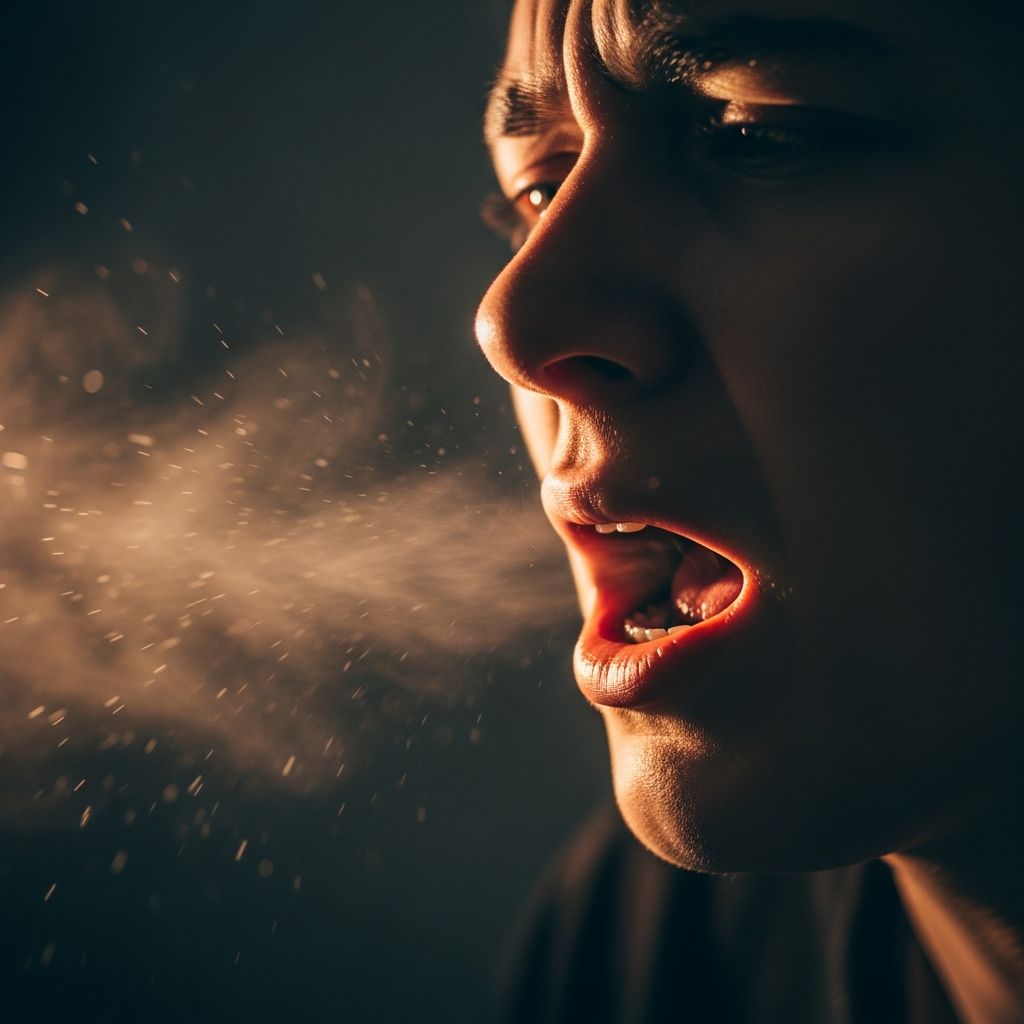
A cough is one of the hallmark symptoms of pneumonia, an infection that inflames the air sacs in one or both lungs, often filling them with fluid or pus. This leads to a persistent cough producing phlegm, sometimes blood-tinged or discolored, alongside fever, chills, chest pain, and shortness of breath. While the cough can linger for weeks even after treatment, understanding its characteristics helps differentiate pneumonia from less serious respiratory issues like a cold or bronchitis.
Pneumonia severity varies from mild to life-threatening, particularly in infants, older adults over 65, and those with weakened immune systems. Bacterial pneumonia typically produces a thick, yellowish-green sputum cough, while viral cases may yield clearer mucus. Prompt recognition and treatment are crucial to prevent complications like pleural effusion or lung abscesses.
What Does a Pneumonia Cough Sound Like?
The pneumonia cough is often described as wet, productive, and painful, worsening with deep breaths or movement. It stems from the body’s immune response flooding lung alveoli with white blood cells, bacteria, and pus to fight the infection. Classic features include:
- Rust-colored or blood-streaked sputum: Common in bacterial pneumonias like those caused by Streptococcus pneumoniae, indicating ruptured blood vessels in inflamed airways.
- Yellowish-green phlegm: Signals pus from bacterial invasion, distinguishing it from viral clear mucus.
- Dry hacking cough initially: In viral or early stages, transitioning to productive as fluid accumulates.
- Wheezing or crackling sounds: Audible on auscultation, reflecting airway inflammation and fluid.
Unlike a typical cold cough, pneumonia’s is accompanied by systemic symptoms like high fever over 102°F (39°C), shaking chills, rapid breathing, and fatigue. Newborns may show subtle signs like poor feeding or lethargy without obvious coughing.
Pneumonia Cough Symptoms
Beyond the cough, pneumonia presents a cluster of symptoms due to lung inflammation impairing oxygen exchange. Key indicators include:
- Cough with phlegm or pus
- Fever, sweating, and chills
- Shortness of breath, even at rest
- Chest pain sharpening on inhalation or coughing
- Fatigue and muscle aches
- Confusion in older adults
- Gastrointestinal upset like nausea or diarrhea
In high-risk groups—adults over 65, children under 2, or immunocompromised individuals—symptoms may be atypical, such as low-grade fever, worsening chronic conditions, or mental changes rather than dramatic fever.
Types of Pneumonia That Cause Cough
Pneumonia classification by causative agent and acquisition site influences cough characteristics and treatment:
| Type | Cause | Cough Features | Treatment |
|---|---|---|---|
| Bacterial (e.g., pneumococcal) | Bacteria like Streptococcus pneumoniae | Thick, rusty or green phlegm; sudden onset | Antibiotics (5-7 days) |
| Viral (e.g., flu, COVID-19) | Respiratory viruses | Clear to yellow mucus; flu-like prodrome | Supportive care, antivirals if applicable |
| Aspiration | Food/liquid inhalation | Foul-smelling sputum; in bedridden patients | Antibiotics, posture management |
| Hospital-acquired | Resistant bacteria | Severe, purulent; ventilator-related | IV antibiotics, hospital care |
Bacterial forms are most cough-productive and severe, often requiring hospitalization.
Adult Pneumonia Cough
Adults experience abrupt onset: high fever, productive cough, pleuritic pain, and dyspnea within hours. Older adults may present with confusion, hypothermia, or lethargy instead of fever, delaying diagnosis. Cough persists 1-4 weeks post-treatment, with fatigue lingering longer.
Related Stories



Pneumonia Cough in Kids and Babies
Children under 5 are vulnerable; symptoms include rapid breathing (>50 breaths/min in infants), nasal flaring, grunting, and retractions. Cough may be minimal in newborns, who instead vomit, refuse feeds, or appear restless. High fever and phlegm are common in bacterial cases.
Timeline: How Long Does a Pneumonia Cough Last?
Recovery timeline varies by type and health:
- Bacterial: Fever resolves in 24-48 hours on antibiotics; cough improves in 3-5 days but lasts 2-4 weeks.
- Viral: Symptoms peak 2-3 days, resolve in 1-2 weeks; cough/fatigue up to 4-6 weeks.
- Full recovery: 4 weeks typically, with gradual energy return. Overexertion risks relapse.
Monitor for worsening: persistent high fever, increased shortness of breath, or blue lips signal complications.
Is Pneumonia Cough Contagious?
Contagiousness depends on cause:
- Bacterial: Not highly contagious; spread via droplets if untreated. Non-contagious after 48 hours antibiotics and fever-free.
- Viral: Contagious until fever-free 24+ hours and improving.
- Aspiration/Healthcare-associated: Not person-to-person.
Practice hygiene: handwashing, covering coughs, avoiding close contact.
Pneumonia Cough Treatment
Treatment targets the cause:
- Antibiotics: Oral or IV for bacterial (e.g., amoxicillin); 5-7 days.
- Supportive: Rest, hydration, fever reducers (acetaminophen), oxygen if hypoxic.
- Hospitalization: For severe cases—IV meds, steroids, ventilation.
- No cough suppressants: Productive cough clears infection; avoid.
Improvement: reduced fever first, then less phlegm.
Pneumonia Cough Won’t Go Away: When to Worry
Seek immediate care for:
- Difficulty breathing or chest pain
- Fever ≥102°F persisting 3+ days
- Cough with blood/pus
- Confusion, especially >65
Red flags: worsening despite antibiotics, indicating abscess or effusion.
Pneumonia Cough Recovery Tips
Aid healing with:
- Rest until energy returns
- Hydration to thin mucus
- Humidified air/steam
- Upright positioning
- Nutritious diet
Follow-up imaging if symptoms persist >4 weeks.
Complications of a Pneumonia Cough
Untreated, risks include:
- Pleural effusion: Fluid around lungs, needing drainage.
- Lung abscess: Pus cavity, requiring antibiotics/surgery.
- Sepsis/ARDS: Systemic spread, respiratory failure.
Preventing Pneumonia Cough
Key strategies:
- Vaccines: Pneumococcal (PCV20, PPSV23), flu, COVID-19 for at-risk groups.
- Hygiene: Handwashing, avoid sick contacts.
- Lifestyle: Quit smoking, manage chronic illnesses.
Frequently Asked Questions (FAQs)
What does a pneumonia cough feel like?
It feels painful and deep, producing thick phlegm, worsened by breathing or coughing.
Can pneumonia cough last months?
Rarely; typically 2-4 weeks, but post-viral cough up to 6-8 weeks. Persistent cases need evaluation.
Is pneumonia cough dry or wet?
Usually wet/productive, especially bacterial; dry in early viral stages.
How to sleep with pneumonia cough?
Prop up with pillows, use humidifier, stay hydrated.
Does pneumonia cough come and go?
It waxes/wanes but persists until inflammation resolves.
References
- Pneumonia – Symptoms and causes — Mayo Clinic. 2023-10-13. https://www.mayoclinic.org/diseases-conditions/pneumonia/symptoms-causes/syc-20354204
- Overview: Pneumonia — InformedHealth.org / NCBI Bookshelf. 2023-11-09. https://www.ncbi.nlm.nih.gov/books/NBK525774/
- Pneumonia: Causes, Symptoms, Diagnosis & Treatment — Cleveland Clinic. 2023-12-07. https://my.clevelandclinic.org/health/diseases/4471-pneumonia
Similar Articles








Read full bio of medha deb