Pneumonia: Symptoms, Causes, and Treatment Guide
Complete guide to pneumonia: understand symptoms, causes, risk factors, and treatment options.
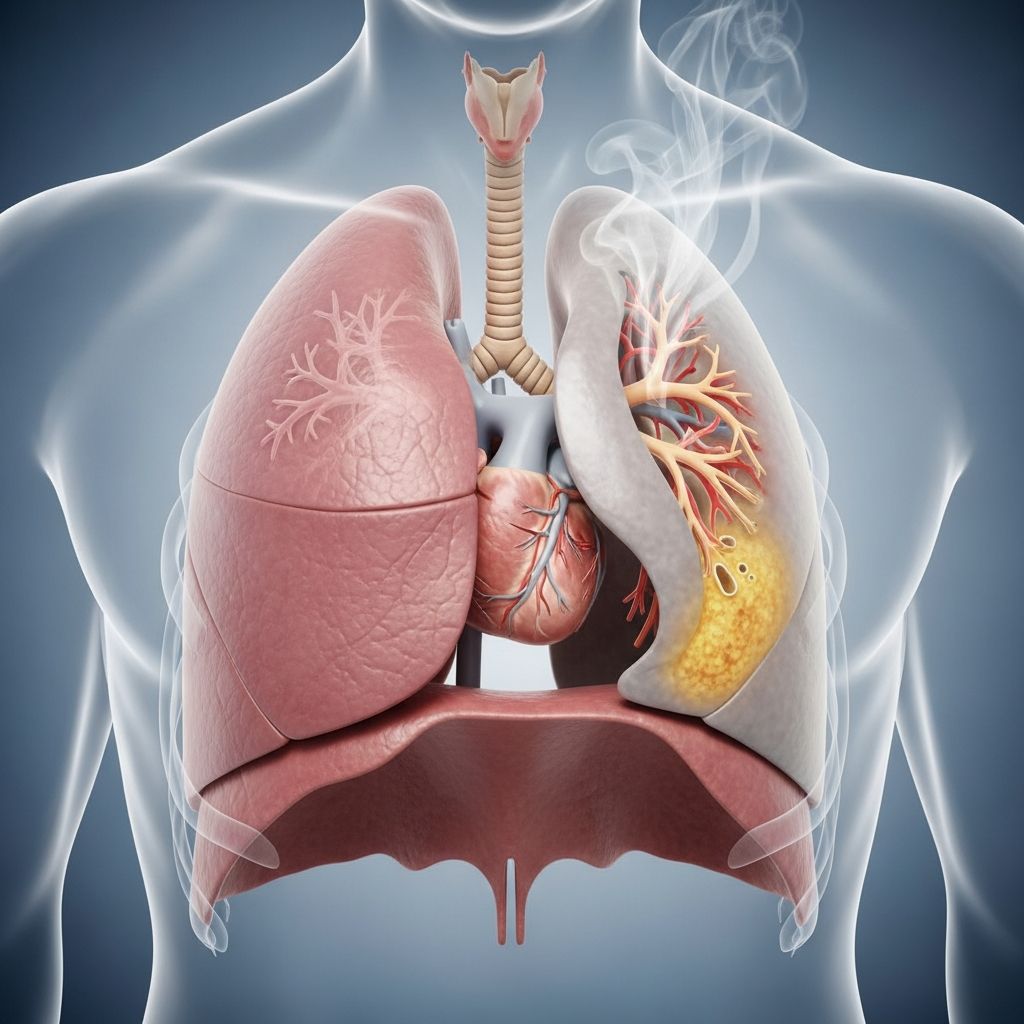
What Is Pneumonia?
Pneumonia is a lung infection that inflames the air sacs (alveoli) in one or both lungs. The infection causes these small sacs to fill with fluid or pus, making breathing difficult and reducing oxygen intake into the bloodstream. Pneumonia is a form of acute respiratory infection most commonly caused by viruses or bacteria, though fungi can also cause the condition.
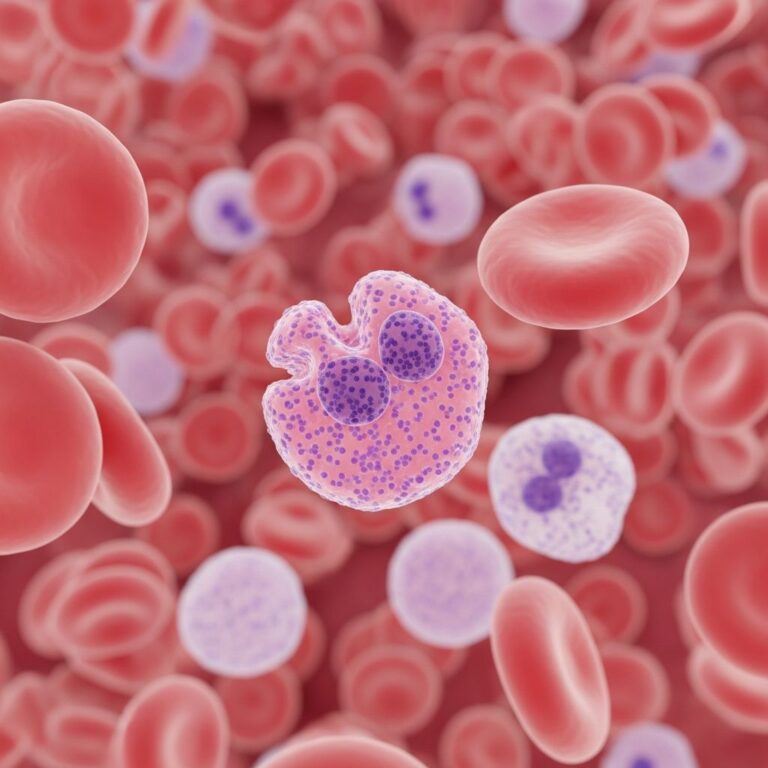
The condition ranges from mild to life-threatening in severity. Pneumonia develops when a breakdown in the body’s natural defenses allows germs to invade and multiply within the lungs. In response, white blood cells rapidly accumulate to destroy the attacking organisms, but in the process, the air sacs become filled with bacteria, fungi, and immune cells.
Pneumonia is the infection of the distal lower respiratory tract, principally affecting the alveolar space, including the small bronchi and bronchioles. The condition results from the proliferation of microorganisms at these sites in combination with the host’s immune response to their presence.
Understanding Pneumonia Epidemiology
Pneumonia represents a significant global health burden. According to the World Health Organization, pneumonia is the single largest infectious cause of death in children worldwide. In 2017 alone, pneumonia killed more than 808,000 children under the age of 5, accounting for 15% of all deaths in this age group.
Beyond childhood mortality, pneumonia affects people of all ages, with particular vulnerability in specific populations. Pneumonia is most serious for infants and young children, people older than age 65, and people with health problems or weakened immune systems.
Causes of Pneumonia
A variety of organisms can cause pneumonia, and understanding the causative agent is essential for proper treatment. The etiologic spectrum of all types of pneumonia includes common community-acquired pathogens, and the spectrum broadens in response to immunocompromise or greater exposure to broad-spectrum antibiotics.
Bacterial Pneumonia
Bacteria are the most common cause of pneumonia in adults. Bacterial pneumonia tends to be more common and more severe than viral pneumonia and is more likely to require hospitalization. Providers treat bacterial pneumonia with antibiotics, and a classic sign is a cough that produces thick, blood-tinged or yellowish-greenish sputum with pus.
Viral Pneumonia
Viruses are the most common cause of pneumonia in school-aged children. Viral pneumonia causes flu-like symptoms and is more likely to resolve on its own without requiring specific treatment. Common illnesses that can lead to pneumonia include the flu and COVID-19. Viral pneumonia is typically less severe than bacterial forms and often resolves without medical intervention.
Fungal Pneumonia
Fungal pneumonia is most common in people with chronic health problems or weakened immune systems, and in people who have inhaled large doses of fungal organisms. The fungi that cause pneumonia can be found in soil or bird droppings and vary depending on geographic location.
Related Stories



Bacteria-Like Organisms
Mycoplasma pneumoniae also can cause pneumonia and typically produces milder symptoms than other types of pneumonia. This type is informally known as “walking pneumonia” because it typically isn’t severe enough to require bed rest.
Symptoms of Pneumonia
Pneumonia symptoms can vary depending on the causative organism, the severity of infection, and the patient’s age and overall health status. Common symptoms in adults include:
- Cough, which may produce phlegm
- Fever, sweating and shaking chills
- Shortness of breath
- Chest pain when you breathe or cough
- Fatigue
- Nausea, vomiting or diarrhea
- Confusion or changes in mental awareness (in adults age 65 and older)
- Lower than normal body temperature (in adults older than age 65 and people with weak immune systems)
Symptoms in Older Adults
Adults over 65 or those with weakened immune systems may have mild or less noticeable symptoms of pneumonia, such as a subtle cough and shortness of breath. Symptoms of ongoing health conditions may worsen, and older adults may experience confusion or significantly altered mental awareness.
Symptoms in Newborns and Infants
Newborns and infants may not show any sign of the infection, or they may vomit, have a fever and cough, appear restless or tired and without energy, or have difficulty breathing and eating.
Who Is at Risk for Pneumonia?
Certain populations face elevated risk for developing pneumonia and experiencing severe complications. People at-risk for pneumonia include infants, young children, adults over the age of 65, and people with preexisting health problems. Additionally, individuals with weakened immune systems due to conditions like HIV/AIDS, organ transplantation, or cancer treatment face increased vulnerability.
People with chronic lung diseases, heart disease, diabetes, or other chronic health conditions are also at heightened risk. Immunocompromise from any source—whether from disease, medication, or other factors—significantly increases pneumonia risk and the likelihood of severe outcomes.
Complications of Pneumonia
While many cases of pneumonia resolve with appropriate treatment, severe pneumonia can lead to serious complications affecting multiple organ systems:
Respiratory Complications
- Difficulty breathing. If pneumonia is severe or you have chronic underlying lung diseases, you may have trouble breathing in enough oxygen. Severe cases may require hospitalization and use of a breathing machine (ventilator) while the lung heals.
- Fluid accumulation around the lungs (pleural effusion). Pneumonia may cause fluid to build up in the thin space between layers of tissue that line the lungs and chest cavity (pleura). If the fluid becomes infected, you may need to have it drained through a chest tube or removed with surgery.
- Lung abscess. An abscess occurs if pus forms in a cavity in the lung. An abscess is usually treated with antibiotics, though sometimes surgery or drainage with a long needle or tube placed into the abscess is needed to remove the pus.
Systemic Complications
- Bacteria in the bloodstream (bacteremia). Bacteria that enter the bloodstream from the lungs can spread the infection to other organs, potentially causing organ failure.
Types of Pneumonia by Acquisition
Pneumonia can be categorized based on how and where it was acquired, which influences treatment approaches and prognosis:
Community-Acquired Pneumonia
Community-acquired pneumonia occurs in people living in the general community and represents the most common form of pneumonia. This category includes typical pneumonia in normal hosts (bacterial, viral, fungal, mycobacterial, or parasitic) and pneumonia in immunocompromised individuals.
Hospital-Acquired Pneumonia
Hospital-acquired pneumonia is defined as pneumonia that occurs at least 48 hours after admission to a hospital. This type often involves different organisms than community-acquired pneumonia and may be more resistant to antibiotics.
Ventilator-Associated Pneumonia
Ventilator-associated pneumonia (VAP) is defined as pneumonia that occurs more than 48 hours after intubation. This serious condition affects patients requiring mechanical ventilation support.
Pathophysiology and Immune Response
Understanding how pneumonia develops provides insight into why certain patients are more vulnerable. Pneumonia develops when your immune system attacks an infection in the small sacs of your lung (alveoli). This causes your lungs to swell and leak fluids.
The common component to the pathology of pneumonia is an inflammatory response within the lung parenchyma. The pattern of inflammatory response varies by causative etiology. Mycobacterial and fungal infections result in a granulomatous response characterized by histiocytes and mononuclear cell proliferation. Most bacterial pneumonias result in a neutrophilic alveolitis, while many viruses and obligate intracellular agents generate a lymphocytic alveolitis.
Microorganisms can reach the alveolar level through two major mechanisms: aerosol deposition and aspiration of an infected bolus. Aerosol deposition is the mechanism for most viral, mycobacterial, and fungal infections, while many bacterial pneumonias result from aspiration.
Contagiousness and Transmission
Pneumonia itself isn’t actually contagious, but the bacteria and viruses that cause it are. For instance, the flu is contagious and can lead to pneumonia, but most people who get the flu won’t develop pneumonia. These infections are generally spread by direct contact with infected people.
Prevention Through Vaccination
Vaccines can help prevent pneumonia. Vaccination is particularly important for vulnerable populations, including older adults, people with chronic health conditions, and those with weakened immune systems. Immunization against common pneumonia-causing pathogens—such as pneumococcal vaccines and influenza vaccines—provides significant protection and reduces the risk of severe complications.
Treatment Approach
Treatment depends on the cause and severity of pneumonia. The etiologic agent must be identified when possible to guide appropriate therapy. Bacterial pneumonia is typically treated with antibiotics, while viral pneumonia often resolves on its own with supportive care. Fungal pneumonia may require specialized antifungal medications and treatment of underlying immune deficiencies.
Severe pneumonia cases may require hospitalization for oxygen therapy, intravenous medications, and respiratory support including mechanical ventilation in critical cases.
Frequently Asked Questions
Q: Is pneumonia contagious?
A: Pneumonia itself is not contagious, but the bacteria and viruses that cause it are. The underlying infection (such as the flu) spreads between people, which can then lead to pneumonia in some cases.
Q: Can viral pneumonia turn into bacterial pneumonia?
A: Viral pneumonia can sometimes be followed by secondary bacterial infection, but this is not automatic. Most viral pneumonia cases resolve on their own without developing bacterial superinfection.
Q: How long does pneumonia typically last?
A: Recovery time varies depending on the type of pneumonia, its severity, and the patient’s overall health. Mild cases may resolve in 1-2 weeks, while severe cases may require weeks to months for full recovery.
Q: Who should get pneumonia vaccines?
A: Pneumonia vaccines are recommended for all children, adults over 65, and people with chronic health conditions, weakened immune systems, or certain occupational exposures.
Q: What should I do if I suspect I have pneumonia?
A: Contact a healthcare provider promptly, especially if you have difficulty breathing, chest pain, confusion, or a high fever. Early diagnosis and treatment improve outcomes and reduce complications.
References
- Pneumonia – Symptoms and Causes — Mayo Clinic. 2024. https://www.mayoclinic.org/diseases-conditions/pneumonia/symptoms-causes/syc-20354204
- Pneumonia: Overview and Epidemiology — National Center for Biotechnology Information (NCBI/PubMed Central). 2020. https://pmc.ncbi.nlm.nih.gov/articles/PMC7150323/
- Pneumonia: Causes, Symptoms, Diagnosis & Treatment — Cleveland Clinic. 2024. https://my.clevelandclinic.org/health/diseases/4471-pneumonia
- Pneumonia — World Health Organization (WHO). 2024. https://www.who.int/health-topics/pneumonia
- Pneumonia — Centers for Disease Control and Prevention (CDC). 2024. https://www.cdc.gov/pneumonia/index.html
Similar Articles








Read full bio of Sneha Tete