Pneumonia Symptoms: What To Watch For And When To Seek Care
Recognize the signs of pneumonia early: fever, cough, shortness of breath, and more to seek timely treatment.
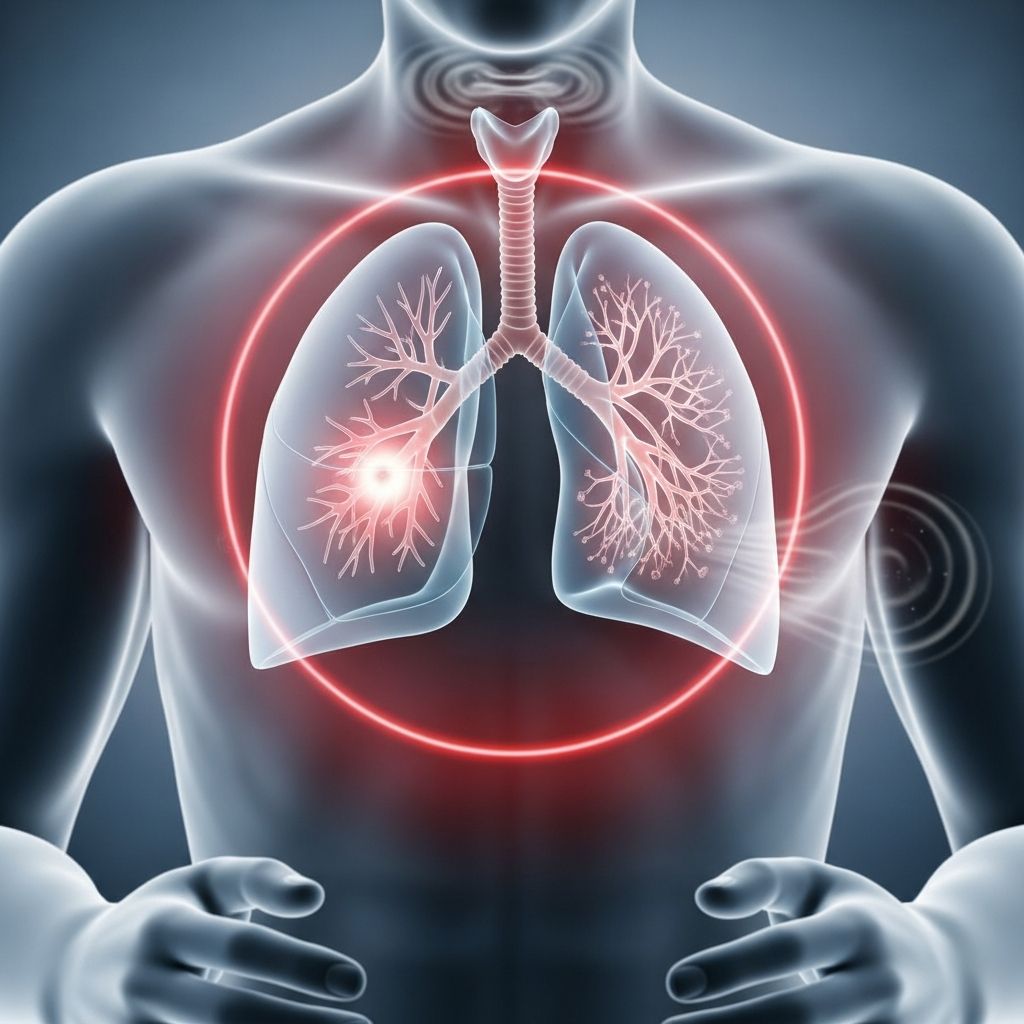
Pneumonia is a serious lung infection causing inflammation in the air sacs, leading to symptoms like high fever, productive cough, and breathing difficulties. Early recognition of these signs is crucial for prompt treatment and recovery.
What Are Pneumonia Symptoms?
Pneumonia manifests as an inflammation of the lung’s alveoli, often triggered by bacterial, viral, or fungal infections. Common symptoms include a sudden high fever, chills, cough producing phlegm, shortness of breath, rapid breathing, and a racing pulse. Patients frequently feel profoundly weak and unwell, with symptoms escalating quickly within hours.
In bacterial pneumonia, which is typically more severe, symptoms develop abruptly and may require hospitalization. Viral pneumonia often presents more gradually with flu-like signs such as headache, muscle pain, and fatigue alongside respiratory issues. Fungal pneumonia is less common but can affect immunocompromised individuals.
Pneumonia Symptoms in Adults
Adults with pneumonia commonly experience:
- High fever and chills, often exceeding 102°F (39°C).
- Cough with yellow, green, or bloody mucus (phlegm).
- Shortness of breath, even at rest.
- Chest pain that worsens with coughing or deep breaths.
- Fatigue and weakness, making daily activities challenging.
- Rapid heartbeat and sweating.
These symptoms can vary in intensity. Bacterial cases often hit suddenly, while viral ones build over days.
Pneumonia Symptoms in Children and Infants
Children, especially infants, may not display classic symptoms. Look for:
- Rapid or labored breathing, with nostrils flaring or chest retractions.
- Fever or low body temperature in newborns.
- Cough or grunting sounds.
- Lethargy or irritability.
- Poor feeding and vomiting in babies.
- Bluish skin around lips or nails (cyanosis), indicating low oxygen.
Infants under 2 months are at high risk for severe complications, so any breathing changes warrant immediate medical attention.
Pneumonia Symptoms in Older Adults
Seniors over 65 often have subtler symptoms due to weakened immune responses:
- Mild or absent fever.
- Confusion or sudden mental changes.
- Worsening of chronic conditions like COPD or heart failure.
- Low-grade fever with fatigue and weakness.
- Shortness of breath without prominent cough.
These atypical presentations make pneumonia particularly dangerous in the elderly, as delays in diagnosis increase mortality risk.
Atypical Pneumonia Symptoms
Not all cases follow the textbook pattern. Atypical symptoms include:
- Gastrointestinal issues: Diarrhea, nausea, vomiting, or abdominal pain.
- Neurological signs: Drowsiness, confusion, or headaches, especially in aspiration pneumonia.
- Joint or muscle pain in viral cases.
- Hoarseness or sore throat preceding respiratory symptoms.
Aspiration pneumonia, from inhaling food, saliva, or vomit, is common in bedridden patients or those with swallowing difficulties, often presenting with sudden cough and fever after eating.
When to See a Doctor for Pneumonia Symptoms
Seek immediate care if you experience:
Related Stories



- Difficulty breathing or chest pain.
- Persistent fever over 102°F not responding to OTC meds.
- Cough with bloody or rust-colored sputum.
- Confusion, especially in older adults.
- Bluish lips or extreme fatigue.
Pneumonia can mimic flu or COVID-19, but its potential severity—claiming about 55,000 U.S. lives yearly—demands professional evaluation.
How Is Pneumonia Diagnosed?
Diagnosis begins with a history and physical exam, focusing on lung sounds via stethoscope (crackles or diminished breath sounds). Key tests include:
- Chest X-ray: Confirms lung consolidation or infiltrates.
- Blood tests: Check white blood cell count, inflammation markers (CRP), and oxygen levels via pulse oximetry.
- Sputum culture
- CT scan or ultrasound: For complex cases.
- Blood or urine tests: Detect specific bacteria like pneumococcus.
: Identifies causative pathogens.
Pulse oximetry, a non-invasive finger clip, measures blood oxygen saturation, crucial for assessing severity.
Pneumonia Causes and Risk Factors
Pneumonia stems from:
| Type | Common Causes | Risk Groups |
|---|---|---|
| Bacterial | Streptococcus pneumoniae, Haemophilus influenzae | Adults, smokers, post-flu |
| Viral | Influenza, RSV, SARS-CoV-2 | Children, elderly |
| Fungal | Pneumocystis jirovecii | Immunocompromised |
| Aspiration | Oral bacteria | Stroke patients, elderly |
Risk factors: Age extremes, chronic illnesses (diabetes, heart disease), smoking, weakened immunity, recent viral infections.
Pneumonia Treatment
Treatment targets the cause:
- Antibiotics for bacterial (e.g., amoxicillin, azithromycin); symptoms improve in 24-48 hours.
- Antivirals for influenza-related cases.
- Supportive care: Oxygen, fluids, pain relievers, rest.
- Hospitalization for severe cases with IV antibiotics and monitoring.
Recovery: Fever subsides in days with treatment; full strength may take 1-4 weeks, longer in vulnerable groups. Avoid overexertion to prevent relapse.
Pneumonia Prevention
Preventive measures include:
- Vaccinations: Pneumococcal (PCV20, PPSV23), flu, COVID-19 shots for high-risk groups.
- Hygiene: Frequent handwashing, covering coughs.
- Lifestyle: Quit smoking, manage chronic conditions.
- Aspiration avoidance: Upright positioning during meals for at-risk individuals.
Good hygiene reduces community-acquired pneumonia risk significantly.
Complications of Pneumonia
Untreated or severe pneumonia can lead to:
- Pleural effusion: Fluid around lungs causing pain.
- Lung abscess: Pus pockets.
- Sepsis or respiratory failure.
- Chronic issues: Worsened lung function in elderly.
Complications rise in babies, seniors, and those with comorbidities.
Pneumonia Recovery Timeline
- Acute phase: 3-7 days with fever resolution.
- Cough/fatigue: 2-4 weeks.
- Full recovery: 1-3 months for healthy adults; longer otherwise.
Contagiousness ends after 48 hours on antibiotics (bacterial) or fever-free days (viral).
Frequently Asked Questions (FAQs)
What are the first signs of pneumonia?
The earliest signs are often high fever, chills, and a cough with phlegm, progressing to shortness of breath.
Can pneumonia resolve without antibiotics?
Viral pneumonia may resolve with rest, but bacterial cases require antibiotics to prevent complications.
How long is pneumonia contagious?
Bacterial: Until 48 hours on antibiotics; viral: Until fever-free for days.
Is pneumonia worse than bronchitis?
Yes, pneumonia affects lung tissue deeply, often requiring hospitalization unlike bronchitis.
Who is most at risk for pneumonia?
Infants, elderly, smokers, and those with chronic illnesses or weakened immunity.
References
- Overview: Pneumonia – InformedHealth.org — NCBI Bookshelf. 2023. https://www.ncbi.nlm.nih.gov/books/NBK525774/
- Pneumonia: Causes, Symptoms, Diagnosis & Treatment — Cleveland Clinic. 2023-10-30. https://my.clevelandclinic.org/health/diseases/4471-pneumonia
Similar Articles








Read full bio of Sneha Tete