PO-SCORAD: A Simple Guide To Tracking Eczema Progress
Discover how PO-SCORAD empowers eczema patients to monitor symptoms at home and improve management with simple self-assessment.
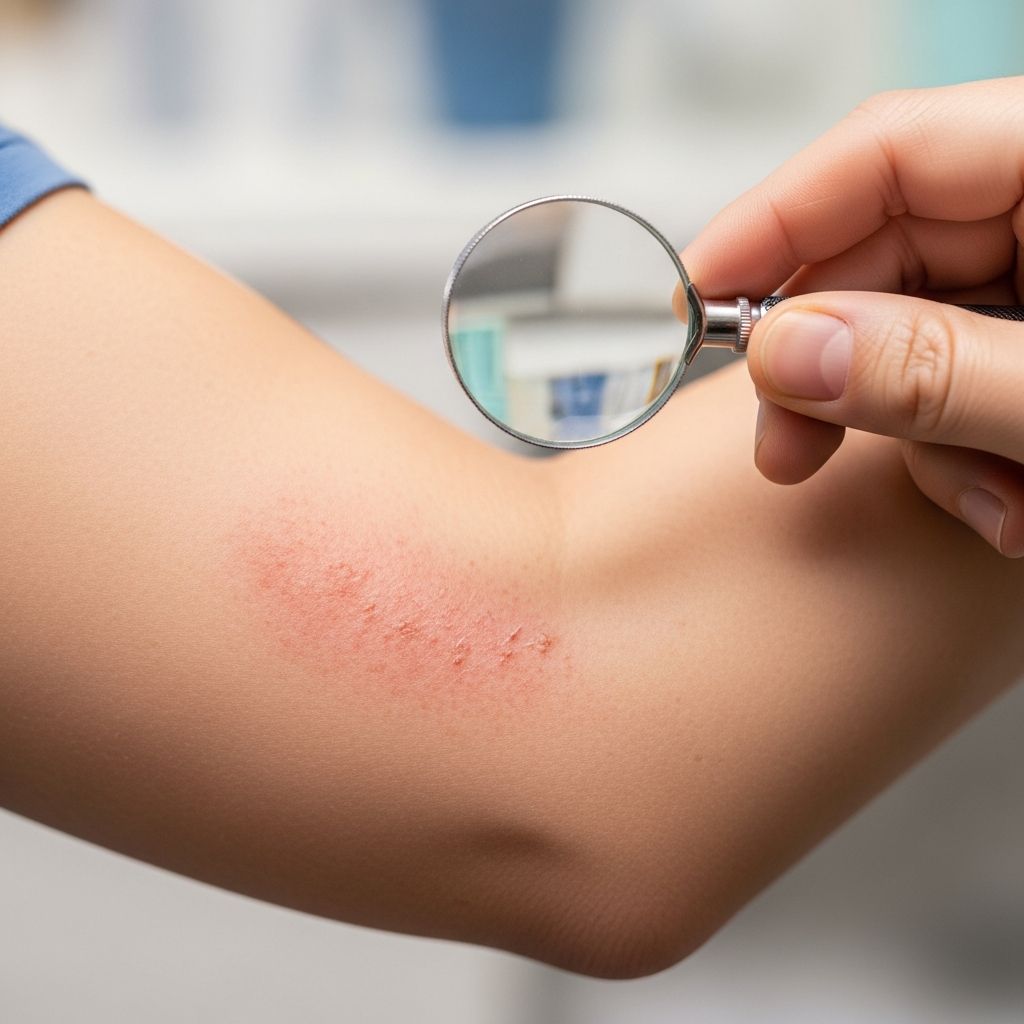
PO-SCORAD represents a patient-friendly adaptation of the traditional SCORAD index, enabling individuals with atopic dermatitis to evaluate their skin condition independently. This tool combines objective observations of skin changes with personal reports of discomfort, offering a practical way to monitor eczema over time.
Understanding the Roots of Eczema Assessment Tools
Atopic dermatitis, commonly known as eczema, impacts millions worldwide, with prevalence rates reaching nearly 10% in the United States alone. Effective management hinges on regular evaluation of symptom severity to guide treatment adjustments. Traditional clinician-led assessments like SCORAD provide detailed insights but require professional expertise, limiting frequent use. PO-SCORAD addresses this by empowering patients to perform self-evaluations, fostering proactive care.
Developed as a simplified version, PO-SCORAD maintains the core principles of its predecessor while prioritizing accessibility. It categorizes eczema manifestations into measurable components, allowing users to quantify dryness, redness, swelling, oozing, crusting, and fissured skin alongside subjective experiences like itchiness and sleeplessness. This dual approach ensures a holistic view of disease impact.
Breaking Down the PO-SCORAD Components
The PO-SCORAD framework divides into three main parts: objective signs, subjective symptoms, and extent of affected skin. Each element is scored to generate a total value, typically ranging from 0 to 100, where lower scores indicate milder symptoms.
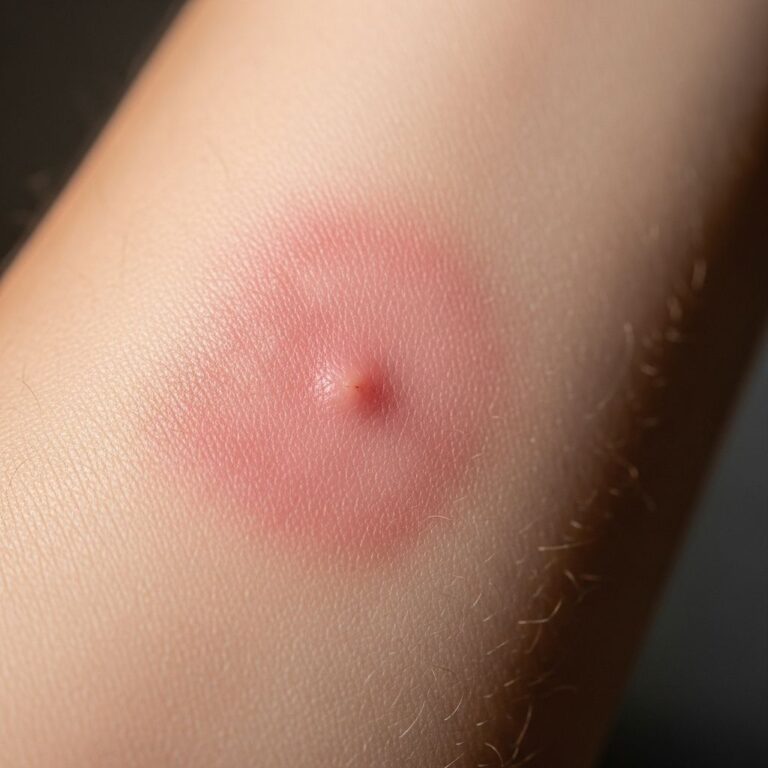
- Objective Signs (A): Patients assess six key skin features—erythema (redness), edema/papulation (swelling or bumps), oozing/crusts (weeping or scabs), excoriations (scratch marks), lichenification (skin thickening), and dryness—each on a scale of 0-3 across affected areas.
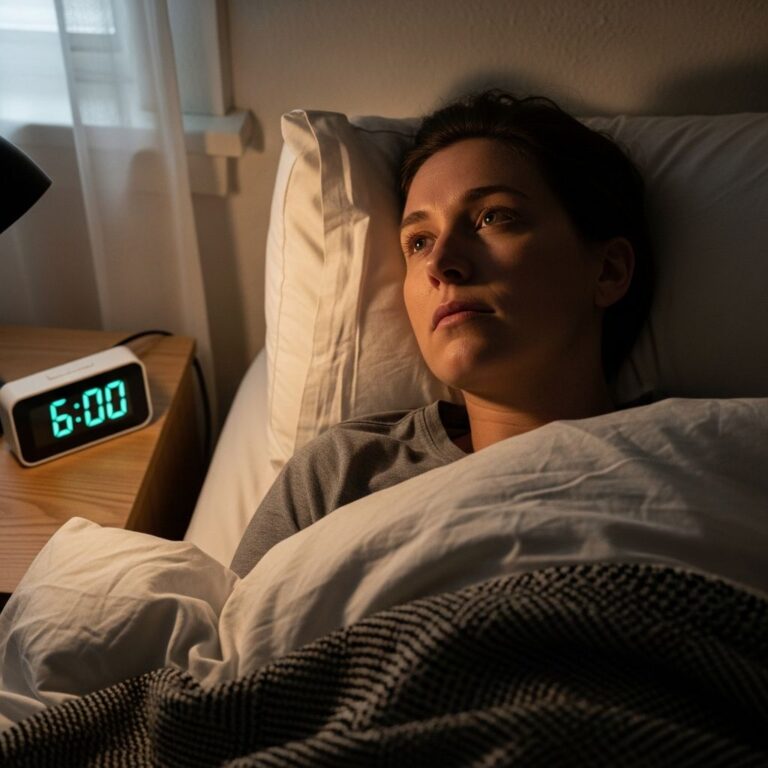
- Subjective Symptoms (B): Daily itch intensity and sleeplessness due to eczema, rated from 0-10, capture the personal burden of the condition.
- Extent (C): Estimated percentage of body surface area involved, often using rule-of-nines or hand-sized approximations for accuracy.
The formula integrates these as: PO-SCORAD = A/2 + 5 × (B/20) + C, simplifying calculations for home use while correlating strongly with clinical SCORAD scores.
Step-by-Step Guide to Using PO-SCORAD
Implementing PO-SCORAD begins with preparation: clean and dry the skin, ensure good lighting, and use a mirror or helper for hard-to-see areas. Record scores weekly or during flares to track patterns.
- Identify affected regions and note the total body surface percentage (e.g., one hand palm ≈1% body area).
- Score each objective sign (0=none, 1=mild, 2=moderate, 3=severe) and average them.
- Rate itch and sleep disturbance on visual analog scales.
- Compute the total score and log it with photos for visual reference.
Regular tracking reveals triggers like stress, allergens, or weather changes, enabling timely interventions such as emollient application or topical treatments.
Interpreting Your PO-SCORAD Scores
| Score Range | Severity Level | Recommended Actions |
|---|---|---|
| 0-25 | Mild | Continue maintenance therapy; focus on moisturizing and trigger avoidance. |
| 25-50 | Moderate | Introduce or intensify topical corticosteroids or calcineurin inhibitors; consult physician. |
| >50 | Severe | Seek urgent medical review; consider systemic therapies or phototherapy. |
Related Stories



Scores guide personalized management, aligning with evidence-based treatments like daily emollients to reduce flares and steroid-sparing strategies.
Integrating PO-SCORAD into Daily Eczema Care
Beyond scoring, PO-SCORAD enhances overall management when paired with foundational practices. Emollients form the cornerstone, applied liberally post-bath to lock in moisture and repair the skin barrier. Baths should use lukewarm water with fragrance-free cleansers, followed by immediate moisturizing to prevent dryness-induced flares.
Avoid irritants such as wool fabrics, harsh soaps, and extreme temperatures. Stress reduction via meditation or yoga can mitigate psychosomatic exacerbations. For persistent symptoms, topical corticosteroids reduce inflammation, while calcineurin inhibitors like tacrolimus offer steroid-free options for sensitive areas.
Advanced Treatment Options Monitored by PO-SCORAD
- Phototherapy: Controlled UV exposure calms immune overactivity in moderate cases, with scores tracking response.
- Biologics: Injectables targeting IL-4/IL-13 pathways for severe eczema, monitored via declining PO-SCORAD.
- Wet Wraps: Damp dressings over medicated skin enhance absorption, ideal for acute flares.
Patient education amplifies these efforts; apps or journals logging PO-SCORAD alongside lifestyle factors promote adherence.
Real-World Benefits and Evidence
Studies affirm PO-SCORAD’s reliability, showing high agreement with physician assessments (correlation coefficient >0.8). It empowers patients, improving quality of life by quantifying progress and facilitating provider discussions. In proactive regimens, serial PO-SCORAD monitoring reduces topical steroid needs by identifying subclinical flares early.
For children and adults alike, this tool bridges self-care and clinical oversight, especially valuable in chronic management where symptoms fluctuate. Prevalence data underscores urgency: with 31.6 million U.S. cases, accessible tools like PO-SCORAD democratize care.
Common Challenges and Solutions
Users may struggle with consistent scoring due to subjective bias. Standardization via photos, training videos, or validated apps mitigates this. Body surface estimation improves with practice; diagrams aid precision. During rapid flares, daily scoring captures peaks, informing escalation.
Combining PO-SCORAD with trigger diaries reveals patterns, like dietary allergens or environmental factors, enhancing control.
Frequently Asked Questions (FAQs)
What is the difference between SCORAD and PO-SCORAD?
SCORAD is clinician-performed with detailed measurements; PO-SCORAD is self-administered, focusing on patient-reported outcomes for home use.
How often should I calculate my PO-SCORAD?
Weekly for stable disease, daily during flares, or as advised by your doctor.
Can PO-SCORAD replace doctor visits?
No, it complements professional care by providing data for informed consultations.
Is PO-SCORAD suitable for children?
Yes, with parental assistance; adapted scales ensure age-appropriateness.
What if my score doesn’t improve despite treatment?
Consult a dermatologist for regimen adjustments, potential infections, or advanced therapies.
Empowering Long-Term Eczema Control
Adopting PO-SCORAD transforms eczema from a reactive burden to a manageable condition. By quantifying objective and subjective elements, it fosters accountability, optimizes treatments, and improves outcomes. Pair it with emollients, trigger avoidance, and medical therapies for comprehensive care. Regular use not only tracks progress but also motivates adherence, reducing flare frequency and severity.
Incorporate lifestyle tweaks: wear breathable cotton, maintain short nails to minimize scratching damage, and use cool compresses for itch relief. For winter flares, humidifiers prevent dryness. This multifaceted approach, anchored by PO-SCORAD, aligns with guidelines emphasizing hydration, anti-inflammatories, and education.
References
- A Comprehensive Review of the Treatment of Atopic Eczema — PMC/NCBI. 2016-02-29. https://pmc.ncbi.nlm.nih.gov/articles/PMC4773205/
- Eczema (Atopic Dermatitis) Overview — Pfizer. 2023-01-15. https://www.pfizer.com/disease-and-conditions/eczema
- Eczema (atopic dermatitis): Symptoms, treatment, and more — Medical News Today. 2024-11-10. https://www.medicalnewstoday.com/articles/14417
- Atopic eczema — NHS. 2024-05-20. https://www.nhs.uk/conditions/atopic-eczema/
- Eczema (Atopic Dermatitis) — AAAAI. 2023-08-12. https://www.aaaai.org/tools-for-the-public/conditions-library/allergies/eczema-(atopic-dermatitis)-overview
Similar Articles








Read full bio of Sneha Tete