Poikilocytosis: Causes, Types, and Treatment
Understanding abnormal red blood cell shapes and their impact on health.
What Is Poikilocytosis?
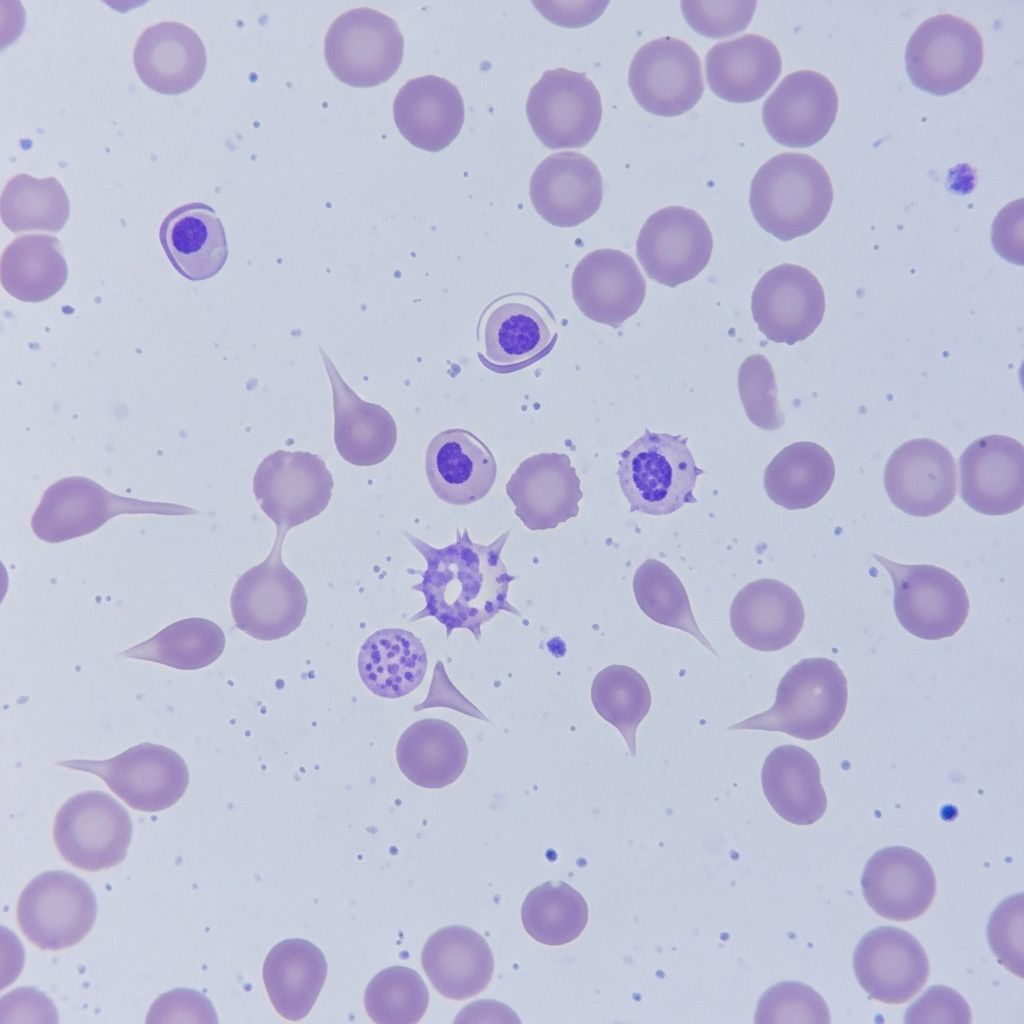
Poikilocytosis is a medical term used to describe the presence of abnormally shaped red blood cells (RBCs) in the bloodstream. Normally, RBCs are disk-shaped and flexible, allowing them to move easily through blood vessels and deliver oxygen to tissues. In poikilocytosis, these cells may appear flat, elongated, teardrop-shaped, crescent-shaped, or have other irregular features. When more than 10% of the RBCs in a blood sample are abnormally shaped, it is considered poikilocytosis.
Causes of Poikilocytosis
Poikilocytosis is not a disease itself but rather a sign of an underlying condition. The abnormal shape of RBCs can result from various factors, including:
- Nutritional deficiencies: Iron deficiency anemia, vitamin B12 deficiency, and folate deficiency can all lead to poikilocytosis.
- Inherited disorders: Conditions such as sickle cell anemia, thalassemia, hereditary spherocytosis, and hereditary elliptocytosis can cause abnormal RBC shapes.
- Liver disease: Liver dysfunction can affect the production and shape of RBCs.
- Kidney disease: Chronic kidney disease can lead to changes in RBC morphology.
- Cancer: Certain cancers, especially those affecting the bone marrow, can result in poikilocytosis.
- Infections: Severe infections, such as sepsis, can cause RBC fragmentation and abnormal shapes.
- Autoimmune disorders: Autoimmune hemolytic anemia can lead to the destruction of RBCs and abnormal shapes.
- Medications: Some drugs can affect RBC shape and function.
Types of Poikilocytosis
There are several types of poikilocytosis, each characterized by a specific abnormal shape of RBCs:
- Sickle cells (drepanocytes): Crescent-shaped cells commonly seen in sickle cell disease.
- Target cells (codocytes): Cells with a central area of hemoglobinization surrounded by a halo of pallor, often seen in thalassemia and liver disease.
- Spherocytes: Small, spherical cells with no central pallor, seen in hereditary spherocytosis and autoimmune hemolytic anemia.
- Elliptocytes (ovalocytes): Oval or elongated cells, seen in hereditary elliptocytosis and iron deficiency anemia.
- Echinocytes (burr cells): Cells with multiple small projections, seen in kidney disease and pyruvate kinase deficiency.
- Acanthocytes (spur cells): Cells with irregular, spiky projections, seen in liver disease, kidney disease, and certain genetic disorders.
- Schistocytes (fragmented cells): Irregularly shaped, fragmented cells, seen in hemolytic anemias and severe infections.
Symptoms of Poikilocytosis
Poikilocytosis itself does not cause symptoms, but the underlying condition that leads to abnormal RBC shapes can result in various symptoms, including:
- Fatigue
- Pale skin
- Shortness of breath
- Palpitations
- Weakness
- Dizziness
- Headaches
- Jaundice (yellowing of the skin and eyes)
Diagnosis of Poikilocytosis
Poikilocytosis is typically diagnosed through a blood smear examination, where a sample of blood is examined under a microscope to identify the presence and type of abnormal RBCs. Additional tests may include:
- Complete blood count (CBC)
- Reticulocyte count
- Hemoglobin electrophoresis
- Serum iron, vitamin B12, and folate levels
- Liver and kidney function tests
- Genetic testing for inherited disorders
Treatment of Poikilocytosis
The treatment of poikilocytosis depends on the underlying cause. Some common treatment approaches include:
- Nutritional deficiencies: Iron, vitamin B12, and folate supplements, along with dietary changes, can correct deficiencies and improve RBC shape.
- Inherited disorders: Conditions like sickle cell anemia and thalassemia may require lifelong management, including blood transfusions, medications, and in some cases, bone marrow transplantation.
- Liver and kidney disease: Treatment focuses on managing the underlying organ dysfunction, which may include medications, lifestyle changes, and in severe cases, organ transplantation.
- Cancer: Treatment may involve chemotherapy, radiation, or surgery, depending on the type and stage of cancer.
- Infections: Antibiotics or antiviral medications are used to treat infections that cause poikilocytosis.
- Autoimmune disorders: Immunosuppressive medications may be necessary to control autoimmune hemolytic anemia.
Related Stories



Complications of Poikilocytosis
The complications of poikilocytosis are related to the underlying condition. For example:
- Sickle cell disease: Can lead to infections, stroke, severe chest pain, and anemia.
- Thalassemia: Can result in severe anemia, bone deformities, and growth retardation.
- Iron deficiency anemia: Can cause poor cognitive development in children and delayed growth.
- Liver and kidney disease: Can lead to organ failure and other systemic complications.
Prognosis
The prognosis for poikilocytosis depends on the underlying cause. Conditions like iron deficiency anemia and megaloblastic anemias have a good prognosis with appropriate treatment. However, some causes, such as sickle cell disease, may have a poor prognosis and require lifelong management.
Prevention
Preventing poikilocytosis involves managing the underlying conditions that can lead to abnormal RBC shapes. This includes maintaining a balanced diet, managing chronic diseases, and seeking prompt medical attention for symptoms of anemia or other blood disorders.
FAQs
Q: Is poikilocytosis a serious condition?
A: Poikilocytosis itself is not a disease but a sign of an underlying condition. The seriousness depends on the cause and severity of the underlying disorder.
Q: Can poikilocytosis be cured?
A: Poikilocytosis can be managed or resolved by treating the underlying cause. For example, nutritional deficiencies can be corrected with supplements, while inherited disorders may require ongoing management.
Q: What are the most common types of poikilocytosis?
A: The most common types include sickle cells, target cells, spherocytes, elliptocytes, echinocytes, and acanthocytes.
Q: How is poikilocytosis diagnosed?
A: Poikilocytosis is diagnosed through a blood smear examination and additional blood tests to identify the underlying cause.
Q: Can poikilocytosis be prevented?
A: Preventing poikilocytosis involves managing the underlying conditions that can lead to abnormal RBC shapes, such as maintaining a balanced diet and managing chronic diseases.
References
- Poikilocytosis – StatPearls – NCBI Bookshelf — National Center for Biotechnology Information. 2023. https://www.ncbi.nlm.nih.gov/books/NBK562141/
- Poikilocytosis: Abnormal Shaped Blood Cells – WebMD — WebMD. 2023. https://www.webmd.com/a-to-z-guides/what-is-poikilocytosis
- Poikilocytosis: Types, symptoms, and treatment – Medical News Today — Medical News Today. 2023. https://www.medicalnewstoday.com/articles/poikilocytosis
Similar Articles








Read full bio of Sneha Tete