Poikiloderma of Civatte: Causes, Symptoms & Treatment
Understanding sun-damaged skin: Comprehensive guide to poikiloderma of Civatte diagnosis and management strategies.
What is Poikiloderma of Civatte?
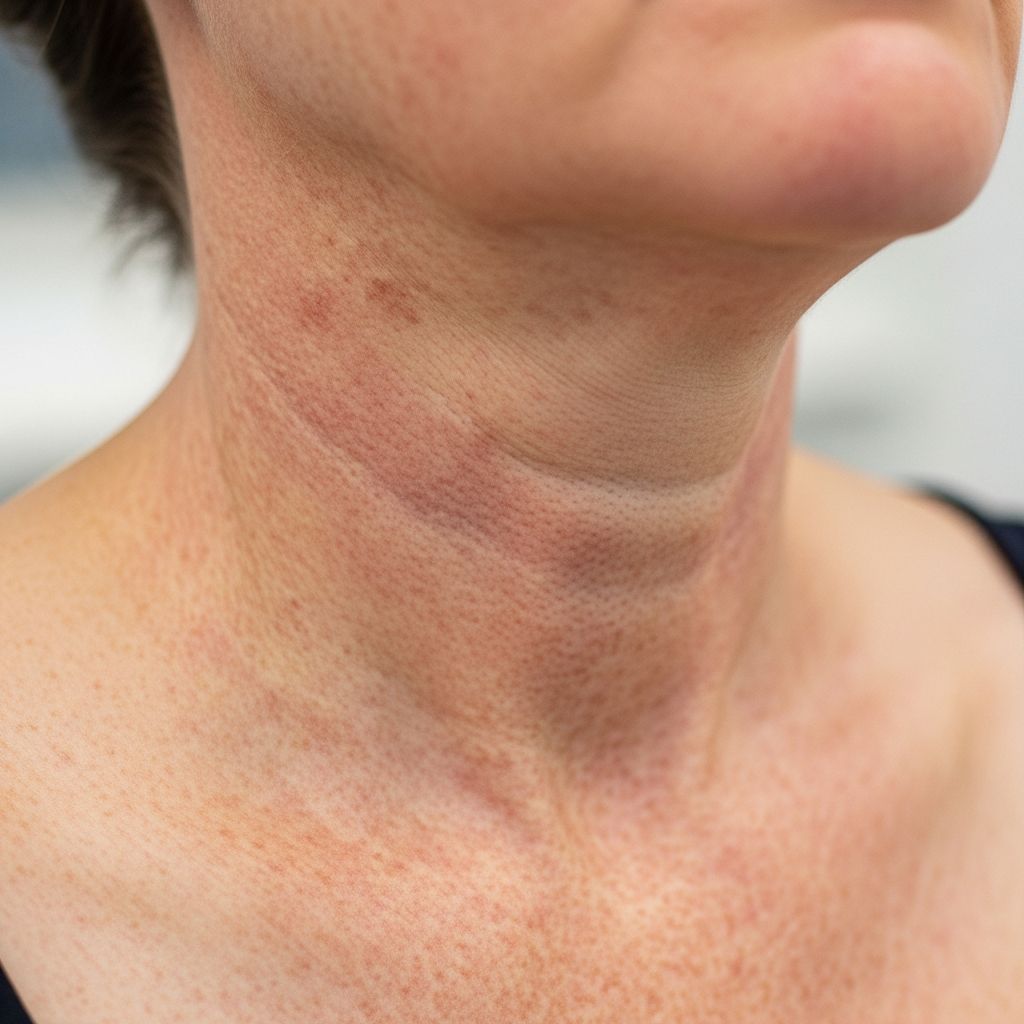
Poikiloderma of Civatte is a chronic, benign skin condition characterized by a distinctive combination of clinical features affecting sun-exposed areas of the neck and upper chest. The condition is defined by the presence of linear telangiectasia (visible dilated blood vessels), reticulate hyperpigmentation (mottled brown discoloration), and slight skin atrophy (thinning). Despite its cosmetically concerning appearance, poikiloderma of Civatte poses no systemic health risks and does not cause severe medical complications.
The characteristic pattern of poikiloderma of Civatte typically spares anatomically shaded areas, most notably the submental area (under the chin), creating a distinctive appearance that distinguishes it from other forms of photodamage. This selective distribution pattern is a key diagnostic feature that helps dermatologists identify the condition during clinical examination. The condition is also referred to as sun aging or photodamaged skin, reflecting its primary association with chronic ultraviolet radiation exposure.
Epidemiology and Risk Factors
Poikiloderma of Civatte predominantly affects individuals in middle age and older populations, with a notable female predominance. The condition is significantly more common in individuals with fair skin types and those with a history of substantial sun exposure or sun sensitivity. Research indicates that women are affected more frequently than men, particularly those over 40 years of age, suggesting a relationship with hormonal changes and skin aging processes.
Several well-established risk factors contribute to the development of poikiloderma of Civatte:
- Chronic Sun Exposure: Ultraviolet radiation is the primary trigger, progressively damaging collagen, dilating blood vessels, and stimulating excess melanin production over time
- Genetic Predisposition: Familial factors and inherited skin characteristics influence susceptibility to the condition
- Hormonal Changes: Declining estrogen levels during and after menopause contribute to thinner, more reactive skin
- Cosmetic and Perfume Use: Certain cosmetics and fragrances may increase skin sensitivity to sunlight, potentially accelerating onset
- Fair Skin Phenotype: Lighter skin types have reduced melanin protection and show greater susceptibility to photodamage
Clinical Features and Presentation
The clinical diagnosis of poikiloderma of Civatte is made through careful visual examination, identifying several characteristic skin changes that occur in a symmetrical pattern on both sides of the neck.
The primary clinical features include:
- Alternating Pigmentation: Areas of reddish-brown discoloration interspersed with patches of normal or depigmented skin, creating a mottled appearance
- Visible Telangiectasia: Numerous tiny, visible broken blood vessels creating a network pattern across the affected skin
- Skin Atrophy: Noticeable thinning of the skin on the neck and upper chest regions
- Geographic Distribution: Primarily affects the sides of the neck, lower anterior neck, and the “V” area of the upper chest, while sparing shaded areas like the submental region
While poikiloderma of Civatte is usually asymptomatic, some patients experience associated sensory symptoms. Approximately half of affected individuals report mild burning sensations, itching (pruritus), episodic flushing, or increased skin sensitivity in the affected areas. These symptoms, though generally mild, may contribute to the patient’s motivation to seek treatment beyond cosmetic concerns.
Related Stories



Histopathological Findings
Diagnosis of poikiloderma of Civatte is primarily clinical, based on the characteristic presentation of skin changes. However, when histological examination is performed through punch biopsy, the tissue reveals distinctive microscopic features that confirm the diagnosis. The histopathological examination typically demonstrates multiple key findings:
- Hyperkeratosis: Thickening of the outer keratin layer
- Epidermal Atrophy: Overall thinning of the epidermis with basal cell liquefactive degeneration
- Pigmentary Incontinence: Abnormal distribution of melanin with leakage into the dermis
- Telangiectasia: Dilated blood vessels throughout the affected tissue
- Superficial Dermal Infiltrate: Variable presence of lymphohistiocytic immune cells
- Solar Elastosis: Marked degenerative changes in elastic fibers from chronic sun damage
Differential Diagnosis and Diagnostic Approach
The clinical presentation of poikiloderma of Civatte is usually distinctive enough to allow confident diagnosis without additional testing. The combination of linear telangiectasia, reticulate hyperpigmentation, skin atrophy, and the characteristic sparing of the submental area creates a recognizable pattern that experienced dermatologists can identify on physical examination.
However, differential diagnosis may be considered for conditions presenting with similar features, including:
- Rosacea with significant photodamage
- Melasma or other forms of hyperpigmentation
- Other photoaging conditions
- Cutaneous lupus erythematosus
When diagnostic uncertainty exists, a punch biopsy can provide definitive histological confirmation through the characteristic findings of solar elastosis, epidermal changes, and vascular dilation.
Treatment Options and Management Strategies
Medical treatment for poikiloderma of Civatte remains challenging, and complete clearance is difficult to achieve with existing therapeutic modalities. The condition’s chronic and irreversible nature requires patient education regarding realistic expectations and the importance of prevention strategies. A comprehensive management approach typically combines photoprotection, topical treatments, and physical modalities.
Photoprotection and Prevention
The foundation of managing poikiloderma of Civatte involves patient education about sun exposure avoidance and proper sunscreen use. Photoprotection with both chemical and physical sunscreens may limit disease progression and prevent worsening of existing lesions. Daily application of broad-spectrum sunscreen with SPF 30 or higher, combined with protective clothing and sun avoidance during peak UV hours, should be emphasized as essential preventive measures.
Topical Therapeutic Options
Topical retinoids represent the primary medical treatment option for poikiloderma of Civatte. Various retinoid formulations—including tretinoin, adapalene, and tazarotene—can be utilized to limit the effects of photoaging. However, these agents provide only limited improvement in the dyspigmentation observed with this condition, and reported results are largely anecdotal. Topical niacinamide and azelaic acid may help regulate pigmentation and promote cell renewal, with clinical-grade or prescription products recommended as part of at-home maintenance routines.
Laser and Light-Based Therapies
Physical modalities remain the main treatment option for poikiloderma of Civatte, though achieving complete clearance is difficult with current technologies.
Intense Pulsed Light (IPL) Therapy: IPL is among the most effective technologies for targeting both the redness and pigment simultaneously. This treatment uses a broad spectrum of light to break down pigments and reduce redness, resulting in more even skin tone. Studies have reported clearance rates of up to 75% with relatively low side effect incidence (5%), including posttreatment erythema, swelling, mild purpura, and appearance of untreated stripes. Typical treatment protocols involve three treatment sessions at 3-week intervals, though this may vary based on individual response.
Fractional Photothermolysis: Non-ablative fractional laser (such as Fraxel) and ablative fractional photothermolysis particularly improve dyspigmentation while simultaneously targeting vascular and textural components of the condition. This modality may be superior for addressing the pigmentary component while improving overall skin texture. Treatment typically involves one to three sessions at 6-8 week intervals with significant improvement observed in multiple studies.
Pulsed Dye Laser (PDL): PDL has been traditionally used to primarily target the vascular component of poikiloderma lesions. PDL is particularly effective for treating telangiectasia associated with the condition. However, treatment is limited by potential complications including purpura development, mottled appearance, and scarring risk.
Additional Laser Options: Other laser technologies including Potassium Titanyl Phosphate (KTP) laser and Argon laser may be considered as alternative treatment options. Laser Genesis and complementary therapies like red light therapy can enhance healing, reduce redness, and promote collagen synthesis, particularly when used as post-laser or post-peel maintenance.
Treatment Efficacy and Realistic Expectations
Patient counseling regarding realistic treatment outcomes is essential for satisfaction and compliance. While laser and light-based therapies can produce significant improvement, particularly in targeting the vascular and pigmentary components, complete resolution is uncommon. Most patients experience gradual but long-lasting results with multiple treatment sessions, though ongoing maintenance therapy may be necessary to prevent progression.
Prognosis and Disease Course
Poikiloderma of Civatte follows a chronic course with a benign prognosis regarding systemic health implications. However, the condition is generally considered irreversible without intervention, and untreated lesions tend to persist or slowly progress with continued sun exposure. The condition causes no systemic involvement or severe medical complications, allowing treatment decisions to be guided primarily by cosmetic concerns and patient preferences rather than medical necessity.
Frequently Asked Questions
Q: Is poikiloderma of Civatte a serious medical condition?
A: No, poikiloderma of Civatte is a benign, chronic skin condition with no systemic health implications or severe complications. It is primarily a cosmetic concern that affects appearance rather than overall health.
Q: Can poikiloderma of Civatte be completely cured?
A: Complete cure is not possible with current treatment options, though various therapies can significantly improve appearance and slow progression. The condition is generally irreversible without intervention.
Q: Who is most likely to develop poikiloderma of Civatte?
A: The condition predominantly affects middle-aged and older women with fair skin who have had chronic sun exposure. Individuals with genetic predisposition and hormonal changes (particularly post-menopausal women) are at higher risk.
Q: What is the best treatment for poikiloderma of Civatte?
A: Laser therapy, particularly IPL and fractional photothermolysis, represents the most effective treatment option. A multimodal approach combining photoprotection, topical retinoids, and laser treatments typically produces the best results.
Q: How can I prevent poikiloderma of Civatte from worsening?
A: Strict photoprotection through daily sunscreen use (SPF 30+), protective clothing, sun avoidance during peak hours, and limiting cosmetic and perfume use on sensitive areas can slow disease progression.
Q: How many laser treatment sessions are typically needed?
A: Treatment protocols vary depending on the laser technology used. IPL therapy typically requires three sessions at 3-week intervals, while fractional photothermolysis may involve one to three sessions at 6-8 week intervals.
Conclusion
Poikiloderma of Civatte represents a common manifestation of chronic photodamage affecting primarily fair-skinned, older women. While benign and medically harmless, the condition’s visible appearance often motivates patients to seek treatment for cosmetic improvement. A comprehensive management approach incorporating patient education about photoprotection, topical medications, and advanced laser therapies can produce significant improvement and slow disease progression, though complete resolution remains challenging with current therapeutic options.
References
- Poikiloderma of Civatte: Causes, Signs & Expert Treatment in London — Faciem Dermatology. 2024. https://www.faciemdermatology.com/poikiloderma-of-civatte-causes-signs-expert-treatment-in-london/
- Poikiloderma Of Civatte Treatment And Prevention Options — Westlake Dermatology. 2024. https://www.westlakedermatology.com/blog/poikiloderma-of-civatte-treatment-and-prevention/
- Poikiloderma of Civatte — Dermatology Advisor. 2024. https://www.dermatologyadvisor.com/home/decision-support-in-medicine/dermatology/poikiloderma-of-civatte/
- Poikiloderma of Civatte – DermNet — DermNet NZ. 2024. https://dermnetnz.org/topics/poikiloderma-of-civatte
- Poikiloderma of Civatte Mclean and Woodbridge VA — B Derm. 2024. https://www.bderm.com/services/general-dermatology/poikiloderma-of-civatte/
- Poikiloderma of Civatte: Causes, Symptoms, and Treatment — Skinsight. 2024. https://skinsight.com/skin-conditions/poikiloderma-of-civatte/
Similar Articles








Read full bio of medha deb