Poison Ivy On Eyelid: Immediate Care Guide
Discover effective steps to manage poison ivy reactions on sensitive eyelid skin and prevent vision risks.
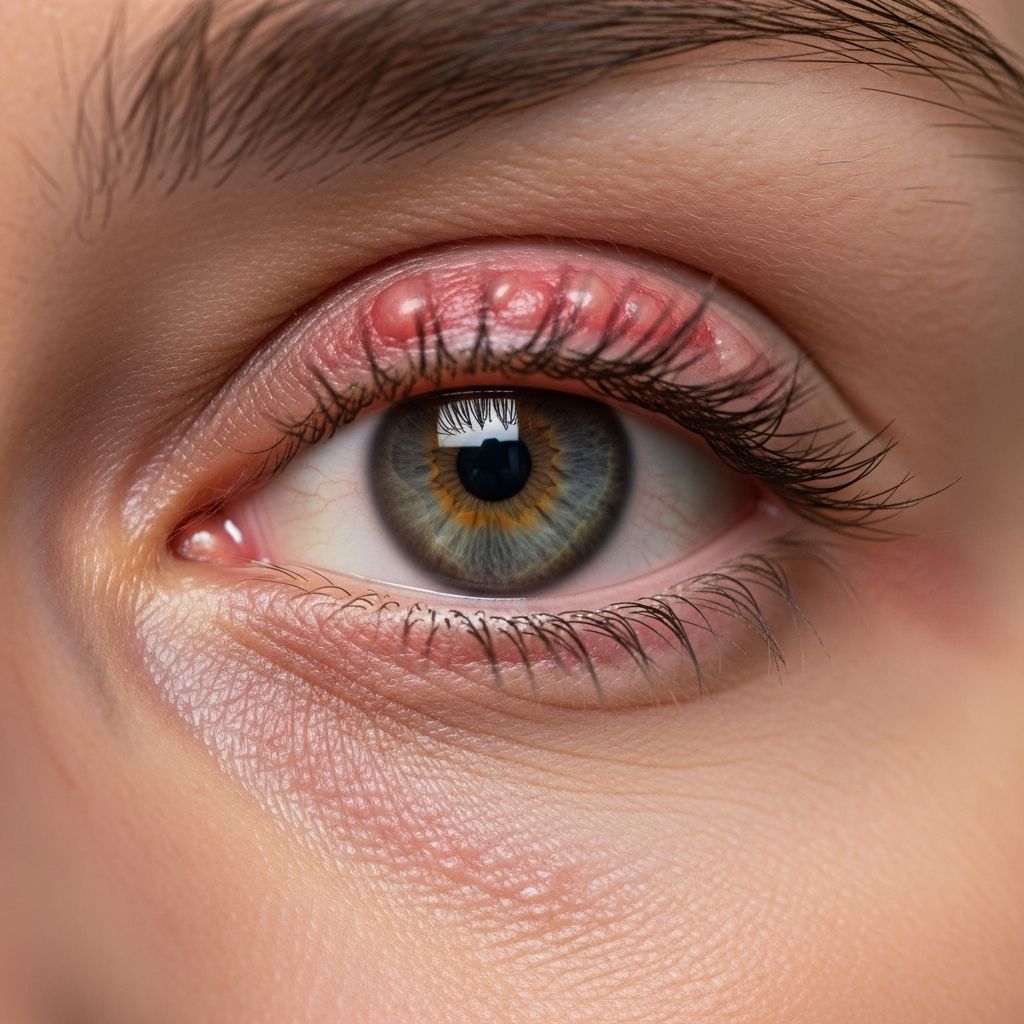
Poison ivy exposure near the eyes can lead to uncomfortable inflammation on the eyelids due to urushiol oil, affecting 50-75% of people. Prompt action prevents worsening and protects vision.
Understanding the Allergen Behind Eyelid Reactions
The resin urushiol in poison ivy triggers allergic contact dermatitis when it contacts skin or mucous membranes. This oily substance lingers on surfaces, clothes, or hands, easily transferring to eyelids during outdoor activities. Reactions develop hours to days later, with eyelids swelling due to their thin, sensitive skin.
Symptoms include red, itchy rashes, bumps or blisters, watery eyes, and light sensitivity. In darker skin tones, rashes may appear purple, brown, or black. Severe cases cause eyelids to swell shut, risking corneal irritation if untreated.
Immediate Response to Exposure
Act quickly upon suspected contact to limit urushiol spread. Wash hands, face, and eye area with mild soap and lukewarm water. For direct eye exposure, flush with saline or artificial tears for 15 minutes, tilting the head to protect the other eye.
- Avoid rubbing eyes to prevent spreading the oil.
- Remove and wash contaminated clothing immediately.
- Launder pets or gear that brushed against plants.
These steps reduce reaction severity, as urushiol remains active until thoroughly removed.
Home-Based Relief Strategies
Mild cases resolve in 2-3 weeks with self-care. Start with cool compresses: soak a clean cloth in cold water, apply for 15-30 minutes, 3-4 times daily to ease swelling and itch.
Chill artificial tears in the fridge for soothing redness and rinsing residue. Oral antihistamines like loratadine or diphenhydramine reduce systemic itching, though the latter causes drowsiness.
| Method | Frequency | Benefits |
|---|---|---|
| Cool Compress | 15-30 min, 3-4x/day | Reduces swelling, soothes itch |
| Artificial Tears | As needed | Cleanses, relieves dryness |
| Oral Antihistamines | Per package | Controls allergy response |
| Head Elevation | During sleep | Minimizes overnight puffiness |
Avoid topical creams near eyes unless ophthalmologist-approved, as they may irritate further.
Advanced Medical Interventions
Consult an eye specialist if symptoms persist beyond 48 hours or worsen. Ophthalmologists or optometrists diagnose via exam, ruling out infections or conjunctivitis.
Treatments scale with severity:
- Steroid Eye Drops: Reduce inflammation, e.g., ketorolac.
- Oral Steroids: Prednisone for widespread reactions.
- Antibiotics: If infection signs like pus appear.
- Prescription Creams: For eyelid dermatitis.
Complete courses prevent rebound inflammation. Pain relievers like ibuprofen aid discomfort.
Recognizing When Professional Help is Essential
Seek urgent care for:
- Eyelids swollen shut or severe pain.
- Vision changes, pus, or fever.
- Rash spreading to face/genitals or breathing issues.
- Symptoms unrelieved after 1 week.
Eye involvement risks corneal scratches or secondary infections, warranting prompt evaluation.
Prevention Tactics for Outdoor Enthusiasts
Avoid contact by learning plant identification: poison ivy has three leaflets, often reddish. Wear long sleeves, pants, gloves during hikes.
- Use barrier creams with bentoquatam before exposure.
- Wash skin/tools post-exposure with degreasing soap.
- Avoid burning plants, as smoke carries urushiol.
For gardeners, mulch infested areas or hire professionals.
FAQ: Common Concerns About Eye Reactions
Related Stories



Can poison ivy permanently damage vision?
No, blindness is not a risk with timely care, though untreated cases may scar or infect. Rinse and seek steroids promptly.
How long do eyelid symptoms last?
Typically 2-3 weeks, faster with treatment. Blisters crust over, then fade.
Is it safe to wear contacts during a reaction?
No; remove and discard if exposed. Use glasses until cleared by a doctor.
Does poison ivy affect one or both eyes?
Often one initially, but touching spreads to both. Isolate affected side during rinsing.
What if a child gets poison ivy near eyes?
Immediate flush and pediatrician visit. Symptoms mimic allergies; professional assessment key.
Long-Term Skin and Eye Protection Tips
Build resilience indirectly: maintain skin barrier with moisturizers. For recurrent exposures, allergy testing identifies sensitivities. Track reactions in a journal for patterns.
Post-healing, eyelids may remain sensitive; use hypoallergenic products. Annual eye exams catch vulnerabilities early.
References
- Dealing with Poison Ivy in the Eye – Symptoms, Treatments and Prevention — CorneaCare. 2023. https://mycorneacare.com/eye-health-and-wellness/dealing-with-poison-ivy-in-the-eye-symptoms-treatments-and-prevention/
- What to Do When You Get Poison Ivy in Your Eye — Healthline. 2023-10-10. https://www.healthline.com/health/poison-ivy-on-eye
- Treatments for Poison Ivy, Oak, and Sumac — WebMD. 2024. https://www.webmd.com/allergies/understanding-poison-ivy-oak-sumac-treatment
- Poison Ivy in the Eye — All About Vision. 2024. https://www.allaboutvision.com/conditions/infections-allergies/poison-ivy-in-eye/
- Poison Ivy Rash – Diagnosis and Treatment — Mayo Clinic. 2024-02-24. https://www.mayoclinic.org/diseases-conditions/poison-ivy/diagnosis-treatment/drc-20376490
- Eyelid Dermatitis: Contact, Symptoms, Causes, Treatment — Cleveland Clinic. 2023. https://my.clevelandclinic.org/health/diseases/21930-eyelid-dermatitis
Similar Articles








Read full bio of Sneha Tete