Poison Ivy and Poison Oak: Symptoms, Treatment, and Prevention
Complete guide to recognizing, treating, and preventing poison ivy and poison oak rashes.
Understanding Poison Ivy and Poison Oak
Poison ivy and poison oak are plants that cause allergic skin reactions in millions of people each year. The rash develops when your skin comes into contact with the oils from these plants, specifically a substance called urushiol oil. This oil is found on the leaves, stems, and roots of poison ivy and poison oak plants. The reaction is not contagious, meaning you cannot spread it to another person by touching the rash itself, though the oil on your skin or clothing can still transfer the reaction if it contacts someone else’s skin.
Poison oak typically grows in the eastern and southeastern United States, while poison ivy is found throughout most of the country. Both plants produce similar symptoms and require comparable treatment approaches. The severity of your reaction depends on several factors, including your sensitivity to the plant oils, the amount of exposure, and your individual immune response.
Recognizing Symptoms
Understanding the symptoms of poison ivy and poison oak is crucial for early treatment and preventing complications. Symptoms can appear within hours to several days after exposure, though most people develop visible signs within 12 to 48 hours.
Common Symptoms
The typical symptoms of poison ivy and poison oak rashes include:
- Intense itching and burning sensations
- Redness and inflammation of the skin
- Swelling of the affected area
- Small blisters that may leak fluid
- In severe cases, large blisters and extensive swelling
The hallmark symptom is intense itching that can become almost unbearable, often accompanied by a burning sensation. Many people describe the itching as severe enough to interfere with sleep and daily activities.
Duration of Symptoms
Most poison ivy and poison oak rashes last between one to three weeks, though symptoms can persist longer in severe cases. The rash typically peaks in intensity during the first week and gradually improves over time. However, if left untreated or if the affected area becomes infected from scratching, symptoms can last considerably longer.
When to Seek Medical Attention
While most poison ivy and poison oak reactions can be managed at home with over-the-counter treatments, certain situations require immediate medical attention. Understanding when to see a doctor can help prevent serious complications.
Schedule an Appointment With Your Doctor If
- Your body temperature rises above 100°F (38°C)
- You notice pus on the rash, indicating infection
- Soft yellow scabs develop on the affected area
- Itching worsens or prevents you from sleeping
- The rash spreads to sensitive areas like your eyes, mouth, or genital region
- Your rash shows no improvement after two to three weeks
Seek Emergency Care Immediately If
Certain symptoms indicate a severe allergic reaction requiring emergency medical attention. Go to the nearest emergency room if you experience:
- Difficulty breathing or shortness of breath
- Trouble swallowing or chest tightness
- Swelling of your eyelids or eyes, especially if an eyelid swells shut
- Rash covering your face or genitals
- Widespread itching across your entire body that nothing relieves
- Wheezing or coughing
Related Stories



These symptoms may indicate a systemic allergic reaction that requires immediate professional medical intervention.
Treatment Options
Treatment for poison ivy and poison oak focuses on relieving symptoms and preventing infection. Several approaches can be used, depending on the severity of your reaction.
Over-the-Counter Treatments
Topical Corticosteroids: Hydrocortisone cream or lotion (such as Cortizone 10) is one of the most effective over-the-counter treatments. Prescription-strength topical corticosteroids are also available for more severe cases. These medications reduce inflammation, redness, and itching associated with the rash.
Calamine Lotion: This classic remedy helps reduce itching and can soothe the skin. Apply calamine lotion directly to affected areas as needed throughout the day.
Oral Antihistamines: Over-the-counter antihistamines such as diphenhydramine (Benadryl) can help relieve itching and discomfort. Benadryl is particularly useful at night because of its drowsy side effects, promoting better sleep. For daytime use, consider nondrowsy alternatives like loratadine (Claritin) or cetirizine (Zyrtec).
Skin Protectants: Products containing zinc acetate, zinc carbonate, zinc oxide, and aluminum acetate help dry oozing blisters and prevent further irritation.
Home Remedies and Self-Care
Cool Baths and Compresses: Soak the affected area in cool water for 15 to 30 minutes several times daily. You can add colloidal oatmeal (Aveeno) or approximately half a cup of baking soda to the bathwater to further soothe irritation. This approach is one of the most effective ways to relieve itching and reduce inflammation.
To make a cool compress, soak a clean washcloth in cool water, wring out excess water, and apply it to the itchy area. Avoid very hot water, as heat can worsen itching and increase blood flow to the affected area.
Oatmeal Baths: Colloidal oatmeal baths are particularly effective for relieving itching and soothing irritated skin. The oatmeal works by forming a protective barrier and reducing inflammation.
Baking Soda Paste: Mix baking soda with a small amount of water to create a paste. Apply this directly to affected areas to help dry up blisters and reduce itching.
Proper Hygiene: Clean the affected area with mild soap and water, then pat dry gently. Avoid vigorous rubbing, which can worsen the rash and increase the risk of infection. Keep your fingernails trimmed short to minimize damage from scratching.
Prescription Medications
For moderate to severe reactions, your doctor may prescribe stronger medications. Oral corticosteroids such as prednisone can help reduce widespread inflammation and severe symptoms. Your dermatologist may also prescribe prescription-strength topical steroids for localized areas. If the rash becomes infected from scratching, oral antibiotics may be necessary to treat the bacterial infection.
Prevention Strategies
The best approach to poison ivy and poison oak is prevention. Taking precautions to avoid contact with these plants can significantly reduce your risk of developing a rash.
Identifying the Plants
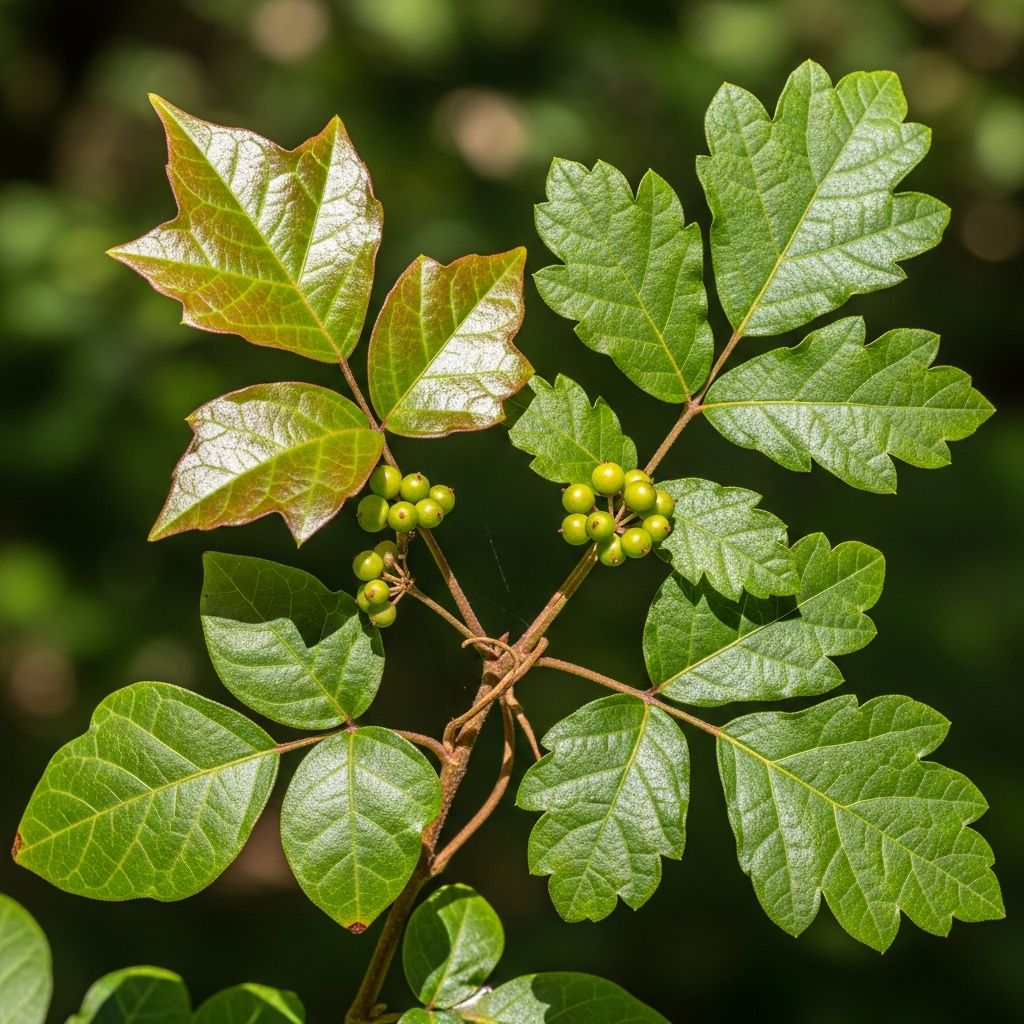
Learn to recognize poison ivy and poison oak in your area. Poison ivy typically has three leaflets arranged in an alternate pattern on the stem. Poison oak also has three leaflets but they are more rounded and resemble oak leaves. Both plants can vary in appearance depending on the season, appearing green in spring and summer and red or orange in fall.
Protective Measures
- Wear protective clothing when hiking or working outdoors in areas where these plants may grow, including long sleeves, long pants, and boots
- Wear higher socks or tuck pant legs into socks to create a barrier
- Use gloves when handling yard work or gardening
- Stay on designated trails when hiking to avoid brushing against plants
- Be aware of your surroundings and teach children to recognize and avoid these plants
Post-Exposure Care
If you suspect you have contacted poison ivy or poison oak, wash the exposed skin immediately with mild soap and water. The urushiol oil can remain on your skin for hours, so prompt washing is essential. Also wash any clothing that may have come into contact with the plant, as the oil can persist on fabric and cause reactions later.
Understanding the Rash Better
Why the Rash Appears in Streaks
Many people notice that their poison ivy or poison oak rash appears in streaks or lines. This pattern occurs because the plant oils transfer to your skin in the areas where the plant made direct contact. It does not mean the rash is spreading.
Infection Risk
The primary risk associated with poison ivy and poison oak is infection from scratching. When you scratch the blisters, you can break the skin and introduce bacteria, leading to a secondary infection. Signs of infection include pus, yellow scabs, increasing warmth around the area, and swelling that worsens rather than improves.
Frequently Asked Questions
Q: Is the poison ivy rash contagious?
A: No, the rash itself is not contagious and cannot spread from person to person through direct contact with the rash. However, if urushiol oil remains on your skin or clothing, it can transfer to another person and cause a reaction in them.
Q: How long does it take for symptoms to appear after exposure?
A: Symptoms typically appear within 12 to 48 hours of exposure, though in some cases, reactions can occur within a few hours or take up to five days to develop.
Q: Can I go outside once my rash clears?
A: Yes, once the rash has completely cleared, you can resume outdoor activities. However, take precautions to avoid future exposure by wearing protective clothing, learning to identify poison ivy and oak, and washing immediately after potential contact.
Q: What should I do if the rash spreads to my face or eyes?
A: If the rash appears on your face, eyes, mouth, or genitals, or if your eyes swell shut, seek immediate medical attention at an emergency room, as these areas require professional treatment.
Q: Are there any long-term complications from poison ivy or poison oak?
A: In most cases, poison ivy and poison oak rashes resolve completely without long-term complications. However, severe infections or delayed treatment can lead to scarring in rare instances.
Q: Can I prevent developing a reaction to poison ivy if I know I’ve been exposed?
A: Washing your skin thoroughly with soap and water within 30 minutes of exposure can significantly reduce or prevent a reaction by removing the urushiol oil before it penetrates the skin.
Summary and Next Steps
Poison ivy and poison oak are common plants that cause uncomfortable skin reactions affecting millions of people annually. While the rash is typically not dangerous, it can be extremely itchy and may lead to infection if not properly managed. Most cases respond well to over-the-counter treatments including topical steroids, calamine lotion, antihistamines, and home remedies like cool baths with oatmeal or baking soda.
The key to managing poison ivy and poison oak is early recognition, prompt treatment, and prevention of scratching to avoid infection. If your symptoms are severe, spreading to sensitive areas, or not improving after two to three weeks, contact your healthcare provider. For emergency symptoms like difficulty breathing or significant swelling, seek immediate medical attention.
By learning to identify these plants, taking protective measures when outdoors, and washing promptly after potential exposure, you can significantly reduce your risk of developing these uncomfortable reactions. When exposure does occur, knowing your treatment options allows you to manage symptoms effectively and maintain comfort while your skin heals.
References
- Treatments for Poison Ivy, Oak, and Sumac — WebMD. 2024. https://www.webmd.com/allergies/understanding-poison-ivy-oak-sumac-treatment
- Poison Ivy Rash: Symptoms and Treatment — Dermatology of Southeastern Ohio. 2024. https://www.dermatologyofsoutheasternohio.com/conditions/poison-ivy-rash
- 6 Best OTC Treatments for Poison Ivy — GoodRx. 2024. https://www.goodrx.com/health-topic/environmental/over-the-counter-poison-ivy-treatment
- Poison ivy, oak, and sumac: How to treat the rash — American Academy of Dermatology. 2024. https://www.aad.org/public/everyday-care/itchy-skin/poison-ivy/treat-rash
- Poison ivy rash – Diagnosis and treatment — Mayo Clinic. 2024. https://www.mayoclinic.org/diseases-conditions/poison-ivy/diagnosis-treatment/drc-20376490
- Poison Ivy, Poison Oak and Poison Sumac: Treatment and Prevention — Nationwide Children’s Hospital. 2024. https://www.nationwidechildrens.org/conditions/poison-ivy-poison-oak-and-poison-sumac
- Outsmarting Poison Ivy and Other Poisonous Plants — U.S. Food and Drug Administration. 2024. https://www.fda.gov/consumers/consumer-updates/outsmarting-poison-ivy-and-other-poisonous-plants
Similar Articles








Read full bio of Sneha Tete