Poison Ivy Rash: Symptoms, Causes, Treatment
Everything you need to know about poison ivy rash: identification, prevention, symptoms, home remedies, and when to seek medical help.
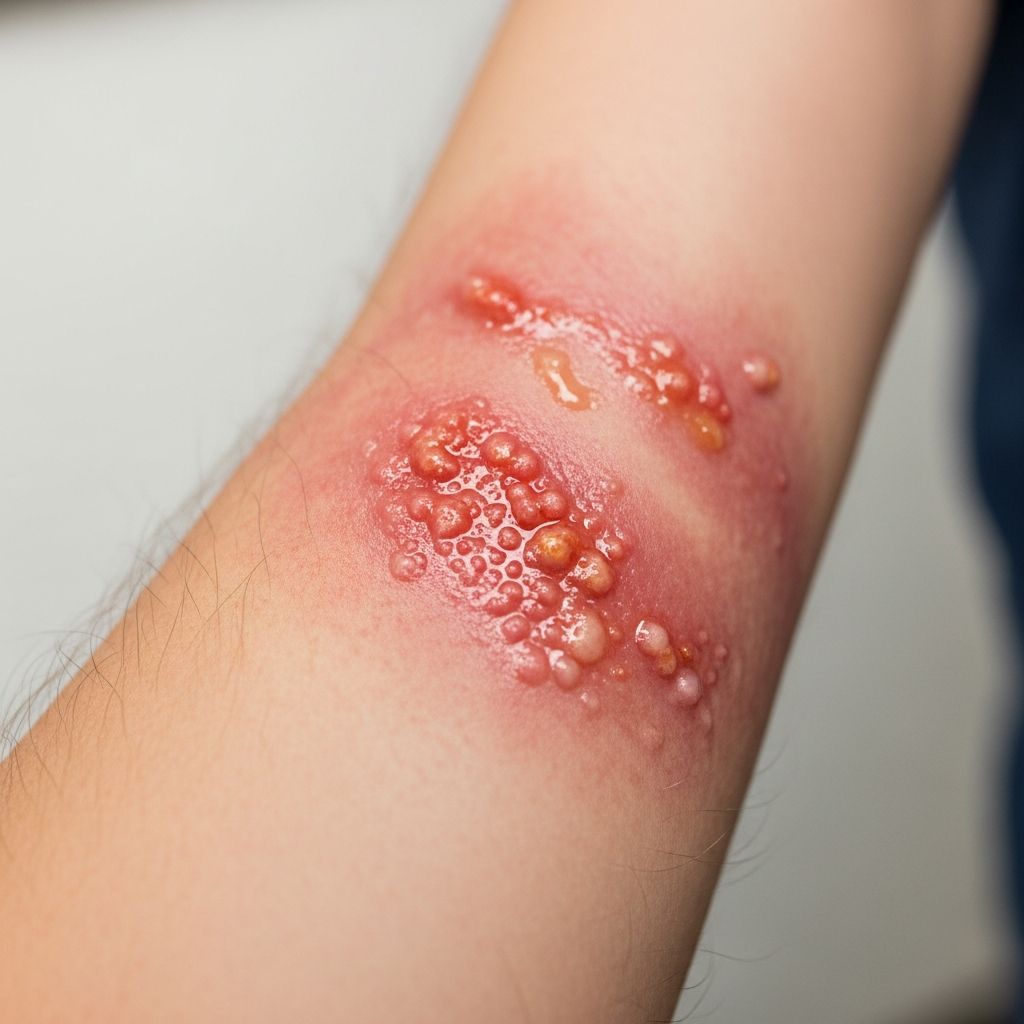
Poison ivy is a common plant that triggers an allergic skin reaction in most people who touch it, leading to a notoriously itchy rash. The oil from the plant, called
urushiol
, causes this contact dermatitis, which can appear anywhere from hours to days after exposure and last up to three weeks if untreated.What Is Poison Ivy?
Poison ivy (*Toxicodendron radicans*) is a resilient plant found throughout North America in forests, fields, along roadsides, and even urban areas. It grows as a vine or shrub with three almond-shaped leaflets per stem, often remembered by the rhyme “leaves of three, let it be.” The plant produces urushiol, an oily resin in its leaves, stems, roots, and even bare winter branches, which binds to skin proteins and triggers an immune response.
This allergen affects about 85% of people, with reactions worsening upon repeated exposures. Urushiol remains active for years on surfaces, tools, or pet fur, making indirect contact a common culprit for rashes.
How to Identify Poison Ivy
Recognizing poison ivy is key to avoidance. Look for:
- Three leaflets: Each cluster has three pointed, toothed-edge leaves, 1.5-4 inches long; red in spring, green in summer, yellow/orange/red in fall.
- Vine or shrub form: Vines climb trees with hairy roots; shrubs stay low.
- White berries: Small, waxy fruits in season.
- No thorns: Smooth stems distinguish it from harmless lookalikes like blackberry.
Seasonal changes make identification tricky—bare vines in winter still pose risks. Similar plants include poison oak (similar leaflets, oak-like leaves) and poison sumac (seven leaflets, swampy areas, red stems).
Symptoms of Poison Ivy Rash
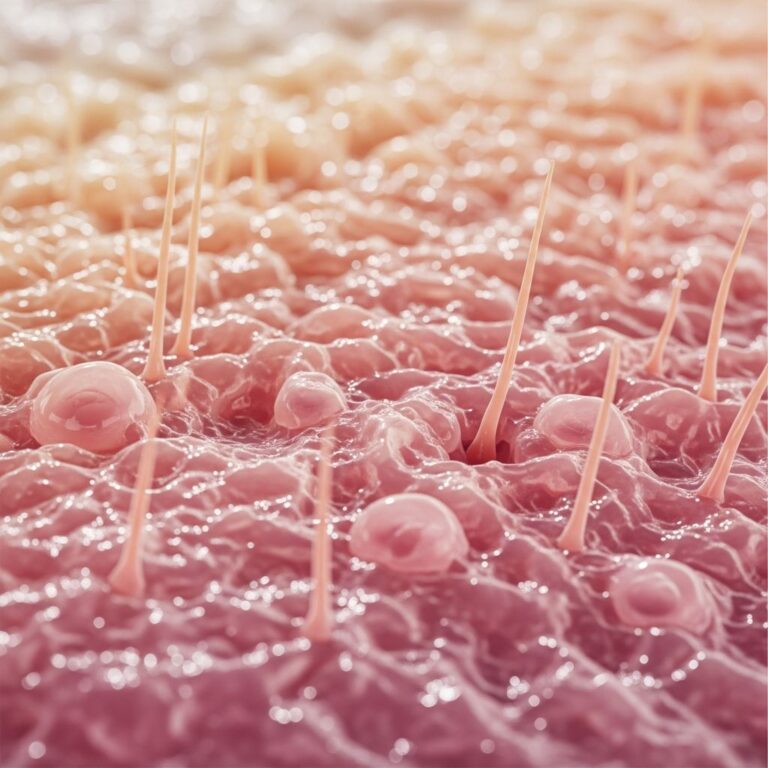
The rash develops 12-48 hours after exposure (up to a week for first-timers), starting as red, itchy tracks or streaks where urushiol touched skin. Key symptoms include:
- Itchy, red bumps or hives that turn into fluid-filled blisters.
- Swelling around affected areas, especially eyes, face, or genitals.
- Oozing and crusting as blisters break, forming yellow scabs.
- Burning or stinging sensation.
The rash isn’t contagious—blister fluid doesn’t spread urushiol. It spreads only via re-exposure to the oil or contaminated items. Linear patterns indicate direct contact; widespread rashes suggest indirect spread. Severe cases may cause fever, headaches, or widespread swelling.
Causes and Risk Factors
**Urushiol** is the primary cause, penetrating skin in minutes and persisting until washed off. Risk factors include:
- Outdoor activities like hiking, gardening, or camping.
- Sensitive skin or prior exposures (sensitization builds).
- Indirect contact via pets, tools, clothing, or smoke from burning plants (urushiol aerosolizes, irritating lungs).
- Children and those with allergies face higher risks of severe reactions.
Not everyone reacts—about 15% are immune initially, though immunity can fade.
Poison Ivy Prevention Tips
Avoidance is best. Follow these strategies:
- Learn identification: Use apps or guides; teach kids the “leaves of three” rule.
- Wear protection: Long sleeves, pants, gloves, boots in risky areas[10].
- Apply barriers: OTC ivy blockers with bentoquatum before exposure.
- Remove plants safely: Use herbicides or pull roots with gloves; never burn, as smoke carries urushiol.
- Wash immediately: Soap and cool water within 10-30 minutes removes oil. Clean nails, tools, clothes, pets too.
Related Stories



| Prevention Method | Details | Effectiveness |
|---|---|---|
| Protective Clothing | Long pants, sleeves, gloves | High—blocks direct contact |
| Ivy Blocker Lotions | Bentoquatum-based creams | Moderate—repels urushiol[10] |
| Immediate Washing | Soap/water in first 10 min | High—removes 90%+ oil |
| Plant Removal | Herbicides, gloved pulling | High for yards |
Treatment for Poison Ivy Rash
Most rashes resolve in 1-3 weeks with self-care. Focus on relieving itch, drying blisters, preventing infection.
Home Remedies and OTC Treatments
- Cool compresses: Damp cloth or ice pack (wrapped) for 15-30 min, several times daily reduces swelling and itch.
- Oatmeal baths: Colloidal oatmeal in cool water soothes; use stocking to avoid drain clogs.
- Calamine lotion: Dries oozing, relieves itch; apply 4-6x/day.
- Hydrocortisone 1% ointment: Reduces inflammation; prefer ointment over cream for open skin.
- Antihistamines: Oral diphenhydramine (Benadryl) or cetirizine for itch/sleep; follow dosing.
- Astringents: Aluminum acetate (Domeboro) for weeping blisters.
Avoid bleach, alcohol, peroxide—they worsen irritation. Don’t scratch or pop blisters—skin protects wounds.
Medical Treatments
See a doctor for severe cases:
- Oral steroids: Prednisone taper for 2-3 weeks if rash widespread or facial/genital.
- Topical steroids: Prescription strength for stubborn rashes.
- Antibiotics: For secondary infections.
When to See a Doctor
Seek care if:
- Rash on face, eyes, mouth, genitals.
- Signs of infection: fever, pus, increasing redness/swelling/heat.
- No improvement in 7-10 days or worsening.
- Difficulty breathing/swallowing (anaphylaxis—call 911).
- Extensive rash (>25% body) or severe swelling.
Children may need prompt evaluation if miserable or near sensitive areas.
Frequently Asked Questions (FAQs)
Is poison ivy rash contagious?
No, the rash and blister fluid don’t spread urushiol or infection person-to-person. Only re-exposure spreads it.
How long does poison ivy rash last?
Typically 1-3 weeks; first exposures or severe cases may last longer.
Can you get poison ivy from a dog or clothes?
Yes, urushiol sticks to fur, fabrics, tools—wash thoroughly.
Does poison ivy get worse before better?
Yes, peaks in 3-7 days with max itch/blisters, then crusts and fades.
What if I inhaled poison ivy smoke?
Seek emergency care—can cause lung irritation or anaphylaxis.
Poison Ivy in Children
Kids are prone during play. Supervise, teach identification. Treatments same as adults but dose by weight; consult pediatrician for antihistamines/steroids. Watch for infection from scratching.
Long-Term Effects and Myths
No permanent scarring usually, unless infected. Myths: Rash spreads by touching; bleach cures it (false—irritates more). Build immunity? No, avoid exposure.
References
- 6 Ways to Prevent and Treat Poison Ivy — Carilion Clinic. Accessed 2026. https://www.carilionclinic.org/health-and-wellness/article/6-ways-prevent-and-treat-poison-ivy
- How to Identify, Avoid and Treat Poison Ivy — Children’s Hospital of Philadelphia (CHOP). Accessed 2026. https://www.chop.edu/news/health-tip/how-identify-avoid-and-treat-poison-ivy
- A Parent’s Guide to Poison Ivy: Prevention, Identification, and Treatment — Miller Children’s & Women’s Hospital. Accessed 2026. https://www.millerchildrens.memorialcare.org/blog/parents-guide-poison-ivy-prevention-identification-and-treatment
- Poison Ivy Rash – Symptoms and Causes — Mayo Clinic. 2023-10-12. https://www.mayoclinic.org/diseases-conditions/poison-ivy/symptoms-causes/syc-20376485
- Outsmarting Poison Ivy and Other Poisonous Plants — U.S. Food and Drug Administration (FDA). 2019-06-20. https://www.fda.gov/consumers/consumer-updates/outsmarting-poison-ivy-and-other-poisonous-plants
- Poison Ivy Rash, Poison Oak, Poison Sumac — Cleveland Clinic. 2023-08-30. https://my.clevelandclinic.org/health/diseases/10655-poison-plants-poison-ivy–poison-oak–poison-sumac
Similar Articles








Read full bio of medha deb