Poison Plants: Poison Ivy, Oak & Sumac Guide
Complete guide to identifying, treating, and preventing poison ivy, oak, and sumac exposure.
Poison ivy, poison oak, and poison sumac are common plants that can cause uncomfortable skin reactions in most people who come into contact with them. These plants contain an oily resin called urushiol that triggers an allergic reaction on the skin. Understanding how to identify these plants, recognize symptoms, and treat reactions can help you manage exposure effectively.
What Are Poison Ivy, Oak, and Sumac?
Poison ivy, poison oak, and poison sumac are plants that produce an allergic reaction in the skin of most people. The allergic reaction is caused by direct contact with the plant’s sap, which contains urushiol oil. All three plants are found throughout various regions of the United States, though their specific locations vary. Poison ivy is found in most areas of the country, while poison oak and poison sumac are more commonly found in the eastern and southeastern parts of the United States.
These plants can grow in different forms depending on their species and environment. They may appear as ground-hugging vines, climbing vines on trees, or shrubs. Regardless of their growth pattern, all three plants produce the same irritating sap that causes skin reactions.
Identifying Poison Plants
Learning to identify these plants is one of the most effective ways to prevent contact with them. Each plant has distinctive characteristics that can help you recognize and avoid them.
Poison Ivy
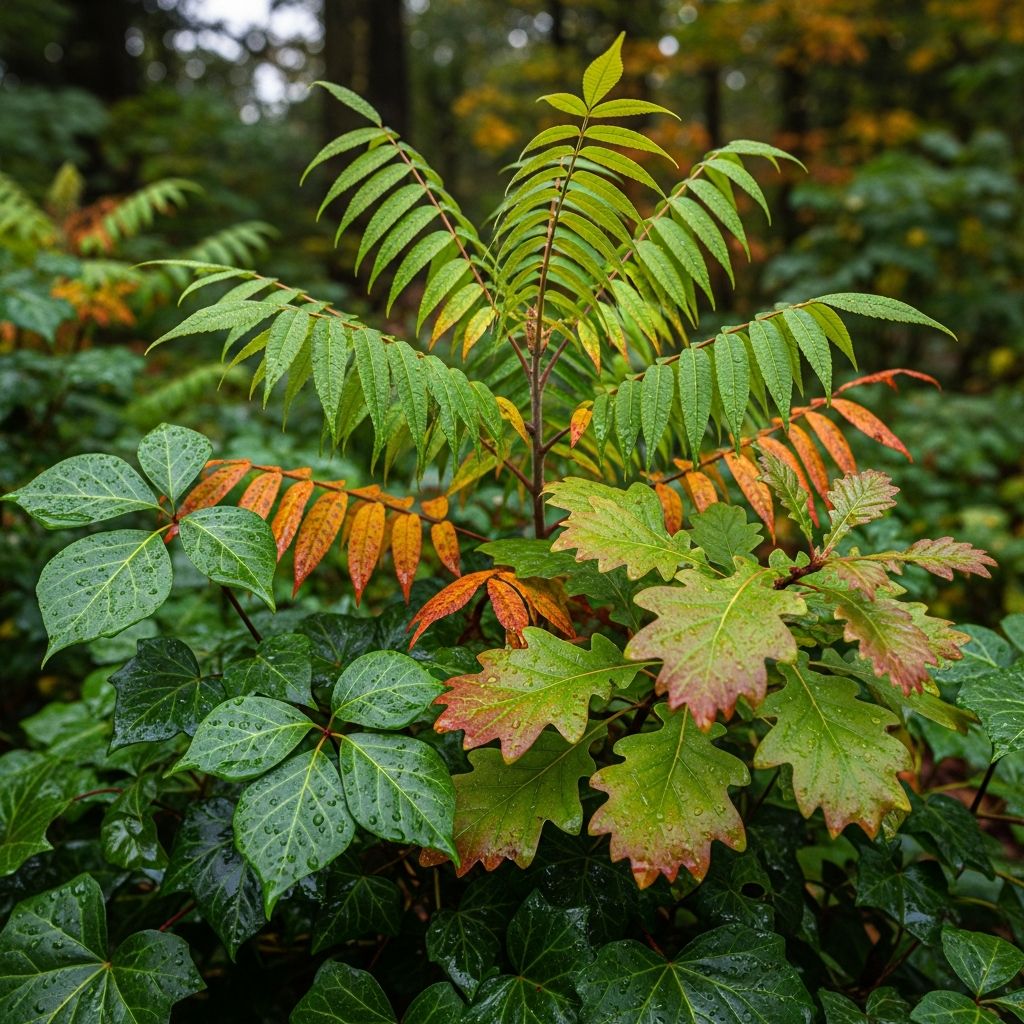
Poison ivy is characterized by leaves that grow in groups of three leaflets. The leaflets are typically oval-shaped and have smooth or slightly toothed edges. The color of poison ivy leaves changes with the seasons: they appear red or pink in spring, green in summer, and yellow, orange, or red in fall. The plant may produce small, greenish-white berries and can grow as either a ground cover or a climbing vine.
Poison Oak
Poison oak leaves resemble oak leaves and grow in groups of three. The leaflets are thicker and more rounded than poison ivy leaves, giving the plant a bushier appearance. Poison oak typically grows as a shrub and produces yellow or cream-colored berries. Like poison ivy, its leaf color changes seasonally.
Poison Sumac
Poison sumac is the most toxic of the three plants and has a distinctive appearance. It grows as a tall shrub or small tree with leaflets arranged in pairs along a central stem. The plant typically has 7 to 13 leaflets per leaf and produces yellowish or cream-colored berries. Poison sumac leaves are generally smooth and pointed at the tips.
Symptoms of Exposure
The symptoms of poison ivy, oak, or sumac exposure develop after contact with the plant’s sap. The reaction is not contagious and cannot spread from person to person, though the urushiol oil can remain on clothing and skin, causing continued exposure.
Related Stories



Timeline of Symptoms
The first sign of exposure is typically intense itching at the site of contact. This itching can be so severe that it disrupts sleep. The timing of symptom appearance varies depending on whether you have been exposed before:
- First-time exposure: Symptoms may appear 5 to 12 days after contact
- Subsequent exposure: Symptoms typically appear within 24 to 48 hours
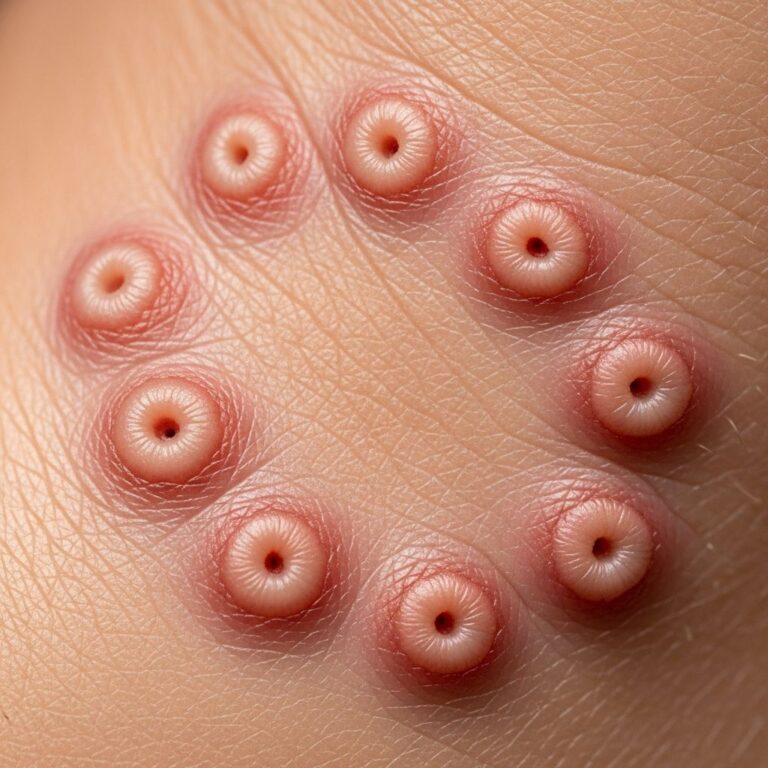
After the itching begins, a rash develops with characteristic features including redness, swelling, and fluid-filled blisters. The blisters typically break open and leak fluid, then crust over. The rash usually clears within 2 to 3 weeks, even without treatment.
Common Symptoms
Symptoms of poison plant exposure include:
- Intense itching and burning sensations
- Red or inflamed skin
- Swelling in the affected area
- Fluid-filled blisters
- Oozing or crusting skin
The intensity of the itch and severity of the rash can differ significantly from person to person. Some individuals develop only one or two small rashes, while others develop widespread rashes covering large areas of the body.
Treatment Options
Immediate Care After Exposure
The most important step after exposure to poison ivy, oak, or sumac is to remove the urushiol oil from your skin. This should be done as soon as possible after contact:
- Rinse the affected area with lukewarm, soapy water immediately after exposure
- Remove and wash all contaminated clothing separately
- Wash shoes and any other items that may have contacted the plant
- Clean under fingernails, as urushiol oil can linger there
Ideally, you should wash within 10 to 15 minutes of exposure for the best results. However, washing even hours after exposure can still help remove remaining oil.
Home Remedies for Itch Relief
Several home treatments can help alleviate the itching and discomfort of a poison plant rash:
Oatmeal Baths
Take short, lukewarm baths using colloidal oatmeal products, which you can purchase at most drugstores. Alternatively, add one cup of baking soda to a running bath. These treatments help soothe irritated skin and reduce itching significantly.
Cool Compresses
Apply cool, wet compresses to the affected area for 15 to 30 minutes several times daily. To make a compress, wet a clean washcloth with cold water, wring out excess water, and apply it to the itchy skin.
Topical Treatments
Calamine lotion and hydrocortisone cream can provide relief from itching. Calamine lotion reduces the itch by cooling the skin, while over-the-counter hydrocortisone cream (such as 1% hydrocortisone) can alleviate mild itching. However, prescription-strength steroids may be more effective for severe cases.
Antihistamine Pills
Oral antihistamines can help reduce itching from the inside out. However, you should avoid applying antihistamines directly to the skin, as this can worsen the rash and increase itching.
Medical Treatments
If home remedies are not effective or the rash is severe, your doctor may prescribe stronger treatments:
- Stronger topical steroid creams or ointments
- Oral corticosteroids such as prednisone for widespread or severe reactions
- Oral antibiotics if the rash becomes infected
- Prescription-strength antihistamines
Steroid creams are most effective when applied during the first few days after the rash appears.
When to See a Doctor
While most poison plant rashes can be managed at home, certain situations require medical attention. You should make an appointment with your doctor if you experience:
- Fever above 100°F
- Pus on the rash indicating infection
- Soft yellow scabs on the skin
- Severe itching that worsens or prevents sleep
- Rash that spreads to sensitive areas including eyes, mouth, or genital region
- Rash that does not improve within 2 to 3 weeks
When to Seek Emergency Care
Severe reactions to poison ivy, oak, or sumac require immediate medical attention. Go to the emergency room immediately if you experience any of the following symptoms:
- Difficulty breathing or swallowing
- Severe facial swelling, especially if an eyelid swells shut
- Rash on your face or genitals
- Rash covering large portions of your body
- Severe itching everywhere on your body that nothing relieves
- Blisters that are oozing pus
Additionally, if you inhaled smoke from burning poison plants and are experiencing difficulty breathing, seek emergency care immediately. Burning these plants releases urushiol into the air, which can cause serious lung irritation if inhaled.
Prevention Strategies
The best approach to poison plant exposure is prevention. Several strategies can help you avoid contact with these plants:
Protective Clothing
When spending time outdoors in areas where poison plants may grow, wear protective clothing that covers as much skin as possible. This includes long-sleeved shirts, long pants, socks, and closed-toe shoes. Consider wearing heavy gloves if you are working in your yard or garden.
Plant Removal
If poison plants are growing in your yard or garden, remove them carefully. You can either apply herbicides according to package directions or manually pull out the plants, making sure to remove the entire root system. Always wear heavy gloves when handling these plants, and dispose of the plant material carefully.
What Not to Do
Never burn poison ivy, oak, or sumac plants. The smoke can carry urushiol particles into the air, which can cause serious respiratory irritation if inhaled. Instead, dispose of the plants through your local yard waste program or by placing them in heavy plastic bags for disposal.
After Outdoor Activities
After any outdoor activities in areas where poison plants may be present, wash your hands thoroughly and change your clothes. If you have been decorating a live Christmas tree or engaging in similar activities, wash your hands and arms well. This prevents urushiol oil from spreading to other parts of your body or to other people through contact.
Special Considerations
Children and Poison Plants
If your child has been in a wooded or weedy area or has come into contact with poison plant sap, give them a complete bath with soap and water within 15 to 20 minutes of exposure. After bathing your child, wash your hands well to avoid transferring any remaining urushiol to your own skin. Change and wash all of your child’s clothing, including shoes and backpacks.
Severity Variations
The severity of reactions to poison plants varies greatly among individuals. Some people develop only mild symptoms, while others experience severe, widespread reactions. Factors affecting reaction severity include the amount of urushiol exposure, individual sensitivity, and whether you have been exposed before. People with prior exposure typically develop symptoms more quickly and may experience more severe reactions.
Frequently Asked Questions
Q: Can poison plant rashes spread to other people?
A: No, the rash itself is not contagious and cannot spread from person to person. However, urushiol oil can remain on clothing, skin, and other surfaces, potentially causing exposure if proper precautions are not taken.
Q: How long does a poison plant rash typically last?
A: Most poison plant rashes clear within 2 to 3 weeks, even without treatment. However, the intense itching can last throughout the healing period and may cause significant discomfort.
Q: What is the best immediate treatment after exposure?
A: The best immediate treatment is to wash the affected area with lukewarm, soapy water as soon as possible after exposure, ideally within 10 to 15 minutes. Remove and wash all contaminated clothing separately.
Q: Can I get immune to poison ivy, oak, or sumac?
A: Most people remain sensitive to these plants throughout their lives. However, some individuals may develop a reduced sensitivity over time, while others may become more sensitive with repeated exposure.
Q: Are there over-the-counter treatments that work well?
A: Yes, several over-the-counter treatments can provide relief, including calamine lotion, 1% hydrocortisone cream, colloidal oatmeal products, and oral antihistamines. However, for severe cases, prescription-strength treatments may be necessary.
References
- Poison Ivy, Oak, and Sumac: Treatments — WebMD. 2024. https://www.webmd.com/allergies/understanding-poison-ivy-oak-sumac-treatment
- Poison Ivy, Oak, and Sumac: Diagnosis and Treatment — American Academy of Dermatology. 2024. https://www.aad.org/public/everyday-care/itchy-skin/poison-ivy/treat-rash
- Poison Ivy, Oak & Sumac Rashes: Symptoms and Relief — Benadryl. 2024. https://www.benadryl.com/itchy-skin/poison-ivy-oak-sumac-rashes-symptoms-relief
- Poison Ivy, Poison Oak and Poison Sumac: Treatment and Prevention — Nationwide Children’s Hospital. 2024. https://www.nationwidechildrens.org/conditions/poison-ivy-poison-oak-and-poison-sumac
- Poison Ivy Rash: Diagnosis and Treatment — Mayo Clinic. 2024. https://www.mayoclinic.org/diseases-conditions/poison-ivy/diagnosis-treatment/drc-20376490
Similar Articles








Read full bio of Sneha Tete