Poliomyelitis (Polio): Causes, Symptoms, and Prevention
Understanding polio: transmission, symptoms, diagnosis, treatment, and global eradication efforts.
What is Poliomyelitis (Polio)?
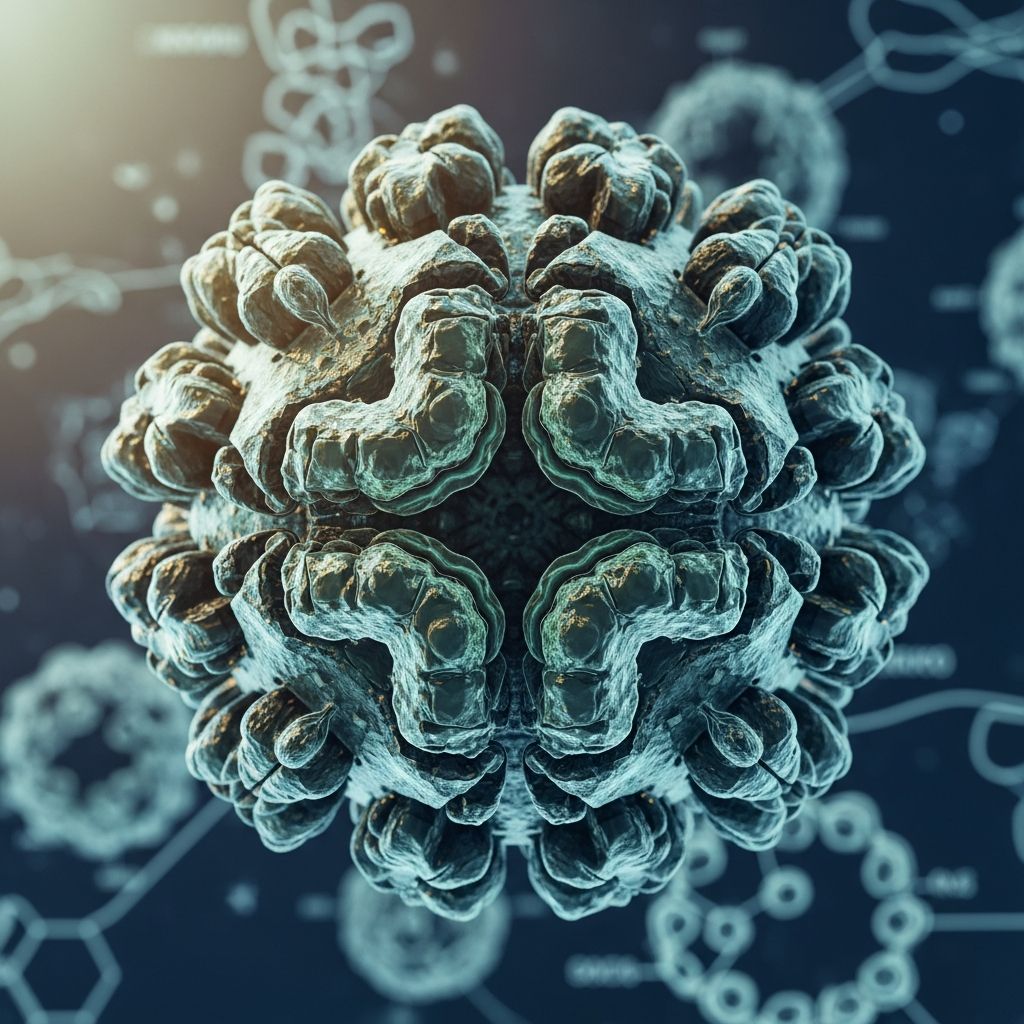
Poliomyelitis, commonly known as polio, is a highly contagious viral infection caused by the poliovirus that primarily affects children and can lead to irreversible paralysis in severe cases. The disease is transmitted through the fecal-oral and oral-oral routes, making it a significant public health concern, particularly in under-vaccinated populations and endemic regions. Once a devastating global epidemic, polio has been largely controlled through international vaccination campaigns, though eradication efforts continue in select regions.
The poliovirus belongs to the enterovirus group within the Picornaviridae family and exists in three distinct serotypes: Type 1 (Mahoney), Type 2 (MEF-1), and Type 3 (Saukett). Humans are the only natural host for poliovirus, which makes global vaccination campaigns essential for disease eradication. Since the World Health Organization’s 1988 declaration to eradicate polio, cases have declined by 99%, though the virus remains endemic in certain regions.
Transmission and Risk Factors
Polio spreads primarily through direct contact with infected individuals or contaminated fecal matter, particularly in areas with poor sanitation and hygiene practices. The virus can survive in the environment and transmit through contaminated water and food sources. The fecal-oral route remains the most common transmission method, especially in communities lacking adequate sewage systems and clean water access.
Several factors increase susceptibility and severity of polio infection:
- Age: Risk and severity of paralysis increase significantly with patient age
- Immune status: Immunocompromised individuals face greater risk of severe disease
- Vaccination status: Unvaccinated and under-vaccinated populations are at highest risk
- Geographic location: Endemic regions and areas with low vaccination coverage pose increased risk
- Hygiene and sanitation: Poor sanitary conditions facilitate transmission
Clinical Manifestations and Symptoms
Polio presents with highly variable clinical manifestations, ranging from asymptomatic infection to mild flu-like illness to severe paralysis and respiratory failure. Understanding these presentations is crucial for early diagnosis and intervention.
Incubation Period and Initial Symptoms
The incubation period typically lasts 7 to 10 days but may range from 4 to 35 days after exposure. Initial symptoms resemble common viral infections, including fever, fatigue, headache, muscle aches, and sore throat. Most infected individuals recover from this initial viral prodrome without progression to more severe disease.
Paralytic Polio Development
In approximately 1% of infections, paralytic polio develops when the virus invades motor neurons in the spinal cord. The disease’s progression follows a characteristic pattern: after apparent recovery from initial symptoms, fever returns accompanied by severe muscle pain, muscle fasciculations, spasms, and hyperreflexia. These secondary symptoms typically occur 1 to 3 days after the initial recovery phase.
Flaccid paralysis then develops in an asymmetric distribution, progressing from proximal to distal muscles. Maximum paralysis is typically reached within 2 to 4 days and rarely progresses further after fever resolution. In severe cases, respiratory muscles become paralyzed, requiring mechanical ventilation for patient survival.
Diagnosis and Evaluation
Rapid investigation of acute flaccid paralysis is critical for identifying poliovirus infection and implementing appropriate public health control measures. Healthcare providers must maintain a high index of suspicion when evaluating patients with new-onset paralysis following a viral illness, particularly those in endemic regions or under-vaccinated populations.
Diagnostic Methods
Poliovirus infection is confirmed through detection of viral material using established laboratory protocols:
Related Stories



- Viral cultures from stool, throat, or cerebrospinal fluid specimens
- Detection of viral RNA using validated molecular assays
- Sequencing of the capsid region of the poliovirus genome by CDC laboratories
- Isolation and identification in appropriate clinical specimens
Specimen Collection Guidelines
The CDC recommends collecting two stool specimens at least 24 hours apart during the first 14 days after paralysis onset. Stool specimens are preferred over other sources due to higher viral detection rates. All specimens must be maintained at -20°C (−4°F) and shipped frozen to preserve viral integrity. Proper specimen handling is essential for accurate diagnosis and genomic sequencing.
Diagnostic Confirmation Criteria
Clinical confirmation of polio requires at least one of the following criteria:
- Poliovirus detected by sequencing of the capsid region by CDC Poliovirus Laboratory
- Poliovirus identified in an appropriate clinical specimen (stool preferred, cerebrospinal fluid, or oropharyngeal secretions) using a validated assay
- Sequencing by CDC laboratory when specimens are unavailable
Treatment and Management
No specific antiviral therapy exists for acute poliomyelitis; therefore, supportive care forms the foundation of treatment. Healthcare providers focus on managing symptoms, preventing complications, and supporting respiratory function when necessary.
Supportive Care Strategies
Treatment protocols include:
- Antipyretic and analgesic medications for fever and muscle pain management
- Prevention and treatment of respiratory tract infections
- Mechanical ventilation support for patients with respiratory muscle paralysis
- Physical therapy and rehabilitation to maintain muscle function
- Nutritional support and hydration management
Rehabilitation and Physical Therapy
Physiotherapists employ splints to relieve pain and muscle spasms while preventing the development of contractures and permanent deformities. Early mobilization and range-of-motion exercises help preserve muscle function and prevent complications. Long-term rehabilitation focuses on maximizing functional recovery and quality of life for patients with residual paralysis.
Post-Polio Syndrome
Post-polio syndrome (PPS) is a late-onset condition affecting individuals with a history of poliomyelitis, typically emerging decades after the acute infection. Approximately 25% to 40% of patients with previous paralytic polio develop PPS over their lifetime, characterized by progressive muscle weakness and fatigue.
Diagnosis and Characteristics
Post-polio syndrome diagnosis requires identification of new and progressive muscle weakness or fatiguability that develops after at least one year of stable function following the acute infection. Patients may experience increasing weakness in muscles previously affected by polio, new weakness in unaffected muscles, and persistent fatigue that impacts daily functioning. Early recognition of PPS symptoms enables timely intervention and management strategies to maintain quality of life.
Prevention Through Vaccination
Vaccination represents the primary prevention strategy against poliomyelitis and is essential for global eradication efforts. Two types of polio vaccines provide effective protection: inactivated poliovirus vaccine (IPV) and oral poliovirus vaccine (OPV).
Vaccination Schedules and Regimens
As of 2022, the World Health Organization recommends one of the following primary immunization regimes for all children worldwide:
- At least 3 doses of IPV administered at recommended intervals
- At least 3 doses of bivalent OPV plus 2 doses of IPV
A booster dose is administered with a minimum interval of 6 months following the initial dose series. This vaccination strategy provides comprehensive protection against all poliovirus serotypes and maintains population immunity.
Vaccine Types and Administration
Inactivated poliovirus vaccine (IPV) contains killed poliovirus and is administered via intramuscular injection, providing excellent protection without risk of vaccine-derived polio. Oral poliovirus vaccine (OPV) contains weakened live virus and is administered orally, offering mucosal immunity benefits. Different countries adopt varying combinations based on epidemiological circumstances, healthcare infrastructure, and disease status.
Global Eradication Efforts
Since the 1988 WHO declaration targeting polio eradication, global cases have declined by 99%. Wild poliovirus type 2 was declared eradicated in 2015, and wild poliovirus type 3 is believed to be eradicated, with the last known isolation in 2012 in Nigeria. These achievements represent unprecedented success in infectious disease control through coordinated international vaccination campaigns and public health initiatives.
The CORE Group Polio Project has contributed significantly to eradication efforts by successfully engaging civil society and non-governmental organizations in vaccination campaigns, surveillance, and community education across endemic regions.
Complications and Severe Outcomes
While most polio infections resolve without serious consequences, severe cases can result in life-threatening complications. Respiratory paralysis requires mechanical ventilation support and intensive care management. Long-term paralysis may result in permanent disability requiring ongoing rehabilitation and adaptive equipment. Psychological impacts including depression and anxiety are common in patients with residual paralysis.
Public Health Reporting and Surveillance
Healthcare providers must report suspected acute flaccid paralysis cases to public health authorities to ensure appropriate testing, surveillance, and follow-up. Rapid reporting enables verification of poliovirus cases, implementation of infection control measures, and public health response coordination. This reporting mechanism is critical for maintaining global surveillance networks and detecting any resurgence of poliovirus transmission.
Future Research and Development
Ongoing research focuses on improving vaccination strategies and developing enhanced antiviral therapies. Areas of investigation include:
- Enhanced understanding of humoral and mucosal immunity
- Duration of vaccine-induced immunity
- Effects of malnutrition and other variables on vaccination response
- Antiviral therapy combinations and monoclonal antibody treatments
- Early detection and management of pocapavir resistance in polioviruses
Frequently Asked Questions
Q: How is polio transmitted from person to person?
A: Polio spreads primarily through the fecal-oral route and oral-oral transmission. The virus can transmit through contaminated water, food, and direct contact with infected individuals. The virus survives in the gastrointestinal tract and is shed in feces, particularly in areas with poor sanitation.
Q: What percentage of infected individuals develop paralytic polio?
A: Approximately 1% of poliovirus infections progress to paralytic polio. Most infected individuals either remain asymptomatic or experience mild flu-like symptoms that resolve without complications.
Q: Can polio be cured with antiviral medications?
A: No specific antiviral therapy currently exists for polio. Treatment focuses on supportive care, symptom management, and prevention of complications such as respiratory failure.
Q: Is the polio vaccine safe and effective?
A: Yes, both IPV and OPV vaccines are safe and highly effective at preventing poliomyelitis. Billions of doses have been administered globally with excellent safety profiles. Vaccination remains the most effective prevention strategy.
Q: What is post-polio syndrome and when does it develop?
A: Post-polio syndrome is a late-onset condition affecting 25-40% of individuals with previous paralytic polio. It typically develops decades after the acute infection and is characterized by progressive muscle weakness and fatigue.
Q: Are there regions where polio still occurs?
A: Yes, polio remains endemic in certain regions despite eradication efforts. However, cases have declined by 99% since 1988, with only wild poliovirus types 1 and occasional vaccine-derived cases occurring in limited geographic areas.
Q: How long after exposure does polio develop?
A: The incubation period typically ranges from 7 to 10 days but may extend from 4 to 35 days after viral exposure. Initial symptoms appear as flu-like illness within this timeframe.
References
- Poliomyelitis – StatPearls — National Center for Biotechnology Information (NCBI), U.S. National Library of Medicine. 2024. https://www.ncbi.nlm.nih.gov/books/NBK558944/
- Poliovirus — Johns Hopkins ABX Guide, Paul Auwaerter, M.D., The Johns Hopkins University. 2024-02-17. https://www.hopkinsguides.com/hopkins/view/Johns_Hopkins_ABX_Guide/540445/all/Poliovirus
- The CORE Group Polio Project: An Overview of Its History and Its Contributions to Polio Eradication — Johns Hopkins University, Pure Research Portal. https://pure.johnshopkins.edu/en/publications/the-core-group-polio-project-an-overview-of-its-history-and-its-c
- Poliomyelitis (Polio) — Johns Hopkins Medicine Health Library. https://www.hopkinsmedicine.org/health/conditions-and-diseases/poliomyelitis-polio
- WHO Guidelines on Polio Eradication — World Health Organization (WHO). https://www.who.int/teams/immunization-vaccines-and-biologicals/diseases/poliomyelitis
Similar Articles








Read full bio of Sneha Tete