Poliosis: Expert Guide To Causes, Diagnosis, And Treatment
Localized white hair patches: causes, diagnosis, and management of poliosis in scalp, eyelashes, and more.
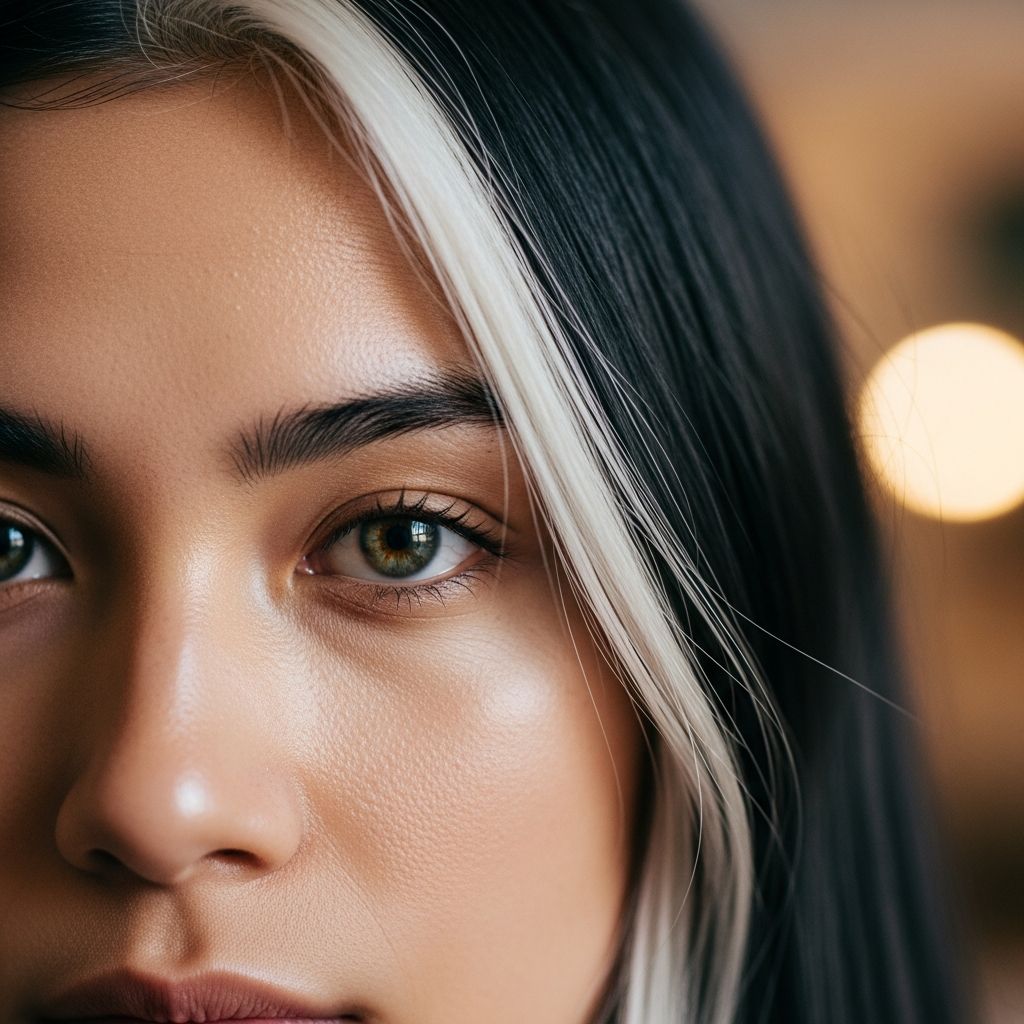
Poliosis, also known as leukotrichia, refers to a
localized patch of white hairs
resulting from the absence of melanin pigment in the hair shafts. This condition manifests as distinct white or gray streaks or patches in areas of hair growth, such as the scalp, eyebrows, eyelashes, beard, or body hair. Unlike generalized graying due to aging, poliosis affects specific, circumscribed regions and may occur with or without surrounding skin depigmentation (leukoderma).While poliosis itself is benign and primarily cosmetic, it often signals underlying pathology, ranging from genetic disorders to autoimmune diseases, inflammatory conditions, or trauma. Early recognition is crucial, as associated conditions like Vogt-Koyanagi-Harada syndrome or thyroid disorders can lead to serious complications if untreated.
What is poliosis?
Poliosis is defined as a
clinical sign
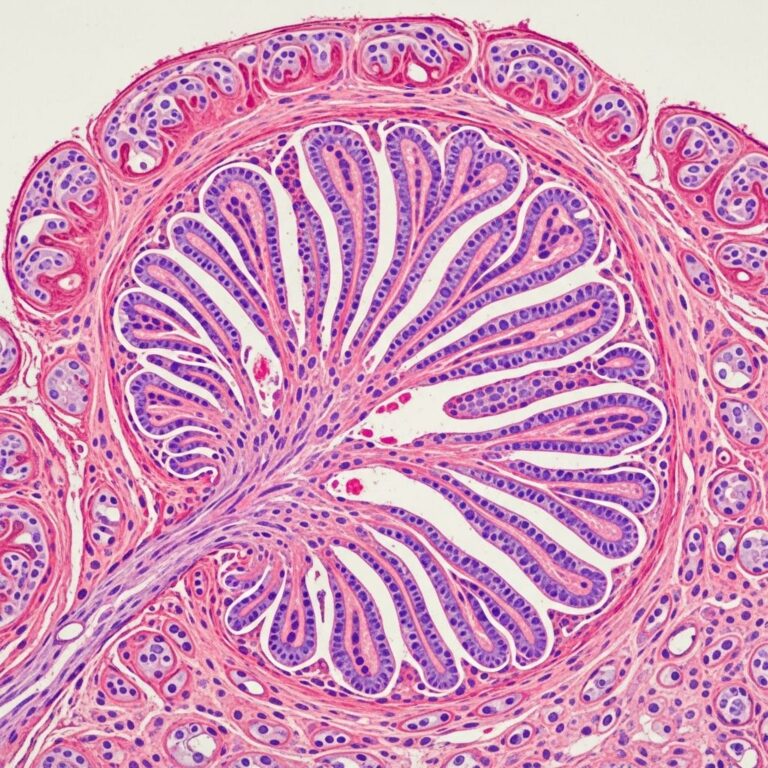
characterized by circumscribed white hairs due to a lack of melanocytes or melanin in the hair bulb. It differs from diffuse canities (age-related graying) by its focal nature. The affected hairs appear stark white against normally pigmented hair, often drawing attention due to their contrast.Histologically, a skin biopsy reveals absent or reduced melanocytes in the hair follicles’ bulb region, while epidermal melanocytes remain intact unless concurrent vitiligo is present. The skin around the poliosis may appear normal or show hypopigmentation, distinguishing it from broader pigmentary disorders.
Poliosis can be congenital (present at birth) or acquired later in life. Congenital forms are typically genetic, while acquired cases link to inflammation, autoimmunity, chemicals, or trauma. Prevalence is rare, estimated at less than 1% in the general population, but higher in certain ethnic groups or syndromes.
Who gets poliosis?
Poliosis affects individuals of all ages, races, and genders, though certain demographics show higher incidence:
- Children and congenital cases: Often linked to genetic syndromes like Waardenburg or piebaldism, appearing as a white forelock (“Mallen streak”).
- Adults: Acquired poliosis is more common, associated with autoimmune diseases (e.g., vitiligo in 20-30% of cases) or inflammatory conditions.
- Risk factors: Dark-haired individuals notice it more prominently; family history increases genetic risk; prior trauma or chemical exposure predisposes to localized forms.
In pediatric cases, sudden poliosis warrants urgent evaluation for thyroid issues or vitamin deficiencies, as gray hair is atypical in children.
What causes poliosis?
Poliosis arises from
melanocyte damage or dysfunction
in hair follicles, halting melanin production. Causes are categorized as genetic, autoimmune/inflammatory, traumatic/iatrogenic, or idiopathic. A single patch often traces to local factors, while multiple sites suggest systemic disease.Genetic causes
Congenital poliosis stems from inherited mutations affecting melanocyte migration or survival:
- Waardenburg syndrome: Autosomal dominant; features white forelock, heterochromia, hearing loss.
- Piebaldism: White forelock with leukoderma on forehead; KIT gene mutation.
- Tuberous sclerosis: Ash-leaf spots, organ growths; poliosis in 5-10%.
- Other: Alezzandrini, Chediak-Higashi, Hermansky-Pudak syndromes cause pigmentary changes with systemic issues.
Autoimmune and inflammatory causes
Immune-mediated destruction of follicular melanocytes is common:
- Vitiligo: Most frequent association; autoimmune attack on melanocytes leads to poliosis circumscribing lesions.
- Alopecia areata: Patchy hair loss with white regrowth.
- Vogt-Koyanagi-Harada (VKH) syndrome: Bilateral uveitis, poliosis (late sign), auditory/meningeal involvement; prevalent in Asians.
- Uveitis and halo nevi: Inflammatory eye disease or depigmented rings around moles.
Related Stories



Traumatic, chemical, and drug-induced causes
Local insults destroy melanocyte stem cells:
- Trauma/surgery: Scarring from burns, herpes zoster, or procedures.
- Chemicals: Hair bleaches (e.g., hydroquinone, monobenzone, imidazoles).
- Medications: Chloroquine, topical prostaglandins (e.g., latanoprost for glaucoma).
- Stress: Historical reports link extreme psychological trauma to sudden poliosis (e.g., Marie Antoinette syndrome).
Neoplastic and other causes
- Melanoma-associated leukoderma: Halo around regressing tumors.
- Thyroid disorders/B12 deficiency: Especially in children.
Clinical features of poliosis
The hallmark is a
well-demarcated white patch or streak
amid pigmented hair. Size varies from a few hairs to broad swathes (e.g., 5-10 cm forelock). Common sites:- Scalp (60%): Frontal or temporal streaks.
- Eyelashes/eyebrows (20%): Unilateral or bilateral, alarming cosmetically.
- Beard/mustache, axillary/pubic hair.
- Body hair (rare).
Associated signs depend on etiology:
| Associated Condition | Key Features |
|---|---|
| Vitiligo | Perifollicular leukoderma, koebnerization. |
| VKH | Bilateral serous retinal detachments, tinnitus, dysacusia. |
| Waardenburg | Dystopia canthorum, blue eyes, deafness. |
| Alopecia areata | Exclamation mark hairs, nail pitting. |
| Trauma | Scarring, hypoesthesia. |
Symptoms are usually absent unless systemic: vision changes, hearing loss, fatigue (thyroid).
How is poliosis diagnosed?
Diagnosis is
clinical
based on visual inspection of the white patch. Dermoscopy confirms melanin absence in bulbs.Investigations target underlying causes:
- History/exam: Onset, family history, trauma, meds, systemic symptoms.
- Wood’s lamp: Highlights hypopigmentation.
- Biopsy: Confirms melanocyte absence ( Fontana-Masson stain).
- Systemic tests: Thyroid function, B12, ANA, audiometry, fundoscopy for VKH.
Differential: Bleaching, white piedra, albinism, Griscelli syndrome.
Management and treatment of poliosis
No curative treatment exists for poliosis itself; focus is on underlying disease and camouflage.
- Treat cause: Immunosuppressants for VKH/uveitis; narrowband UVB for vitiligo (may repigment).
- Repigmentation trials: Limited success; one case: 44-session excimer laser + topicals/orals yielded 75% eyebrow repigmentation.
- Skin grafting + phototherapy: For vitiligo-associated; 4-11 months.
- Cosmetic: Semi-permanent dyes, makeup for eyelashes/brows, hair fiber concealers.
Treatments are arduous, costly; many opt for acceptance. Monitor for progression.
Frequently asked questions about poliosis
What is poliosis?
A focal loss of hair pigment creating white patches.
Is poliosis dangerous?
Harmless cosmetically but may indicate serious conditions like VKH or melanoma.
Can poliosis be reversed?
Rarely; experimental laser/topical combos show partial success in select cases.
Does poliosis affect eyelashes?
Yes, often unilaterally; check for uveitis.
Is poliosis genetic?
Can be, e.g., Waardenburg syndrome; 30-50% congenital cases.
Poliosis in children: When to worry?
Always evaluate for thyroid/B12 issues or syndromes.
References
- What Causes a White Streak in Your Hair? — WebMD. 2023-05-15. https://www.webmd.com/skin-problems-and-treatments/what-to-know-about-poliosis
- Poliosis: Symptoms, Causes, and Treatments — Healthline. 2024-02-10. https://www.healthline.com/health/poliosis
- Poliosis: Causes, symptoms, and treatment — Medical News Today. 2023-11-20. https://www.medicalnewstoday.com/articles/320129
- Poliosis: Appearance, Causes, Treatments, and More — Healthgrades. 2024-01-05. https://resources.healthgrades.com/right-care/skin-hair-and-nails/poliosis
- Poliosis – DermNet — DermNet NZ. 2025-03-12. https://dermnetnz.org/topics/poliosis
Similar Articles








Read full bio of Sneha Tete