Pollen Allergy: Causes, Symptoms & Treatment
Learn about pollen allergy causes, symptoms, diagnosis, and effective treatments to manage seasonal allergies.
What Is a Pollen Allergy?
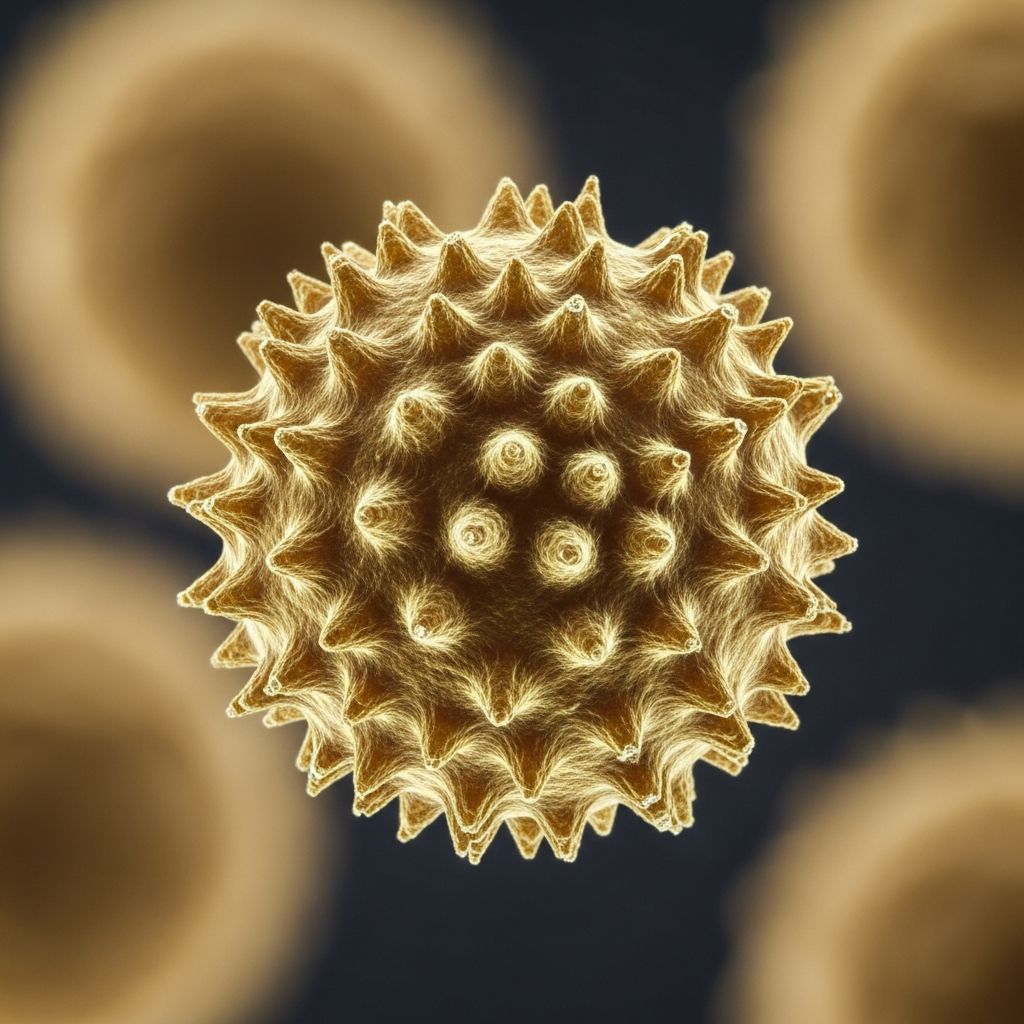
A pollen allergy, commonly known as hay fever or allergic rhinitis, occurs when your immune system overreacts to pollen particles in the air. Pollen is a fine powder produced by trees, grasses, and weeds to fertilize other plants. When people with pollen allergies inhale these particles, their immune system treats them as harmful invaders, triggering a range of uncomfortable symptoms.
How Does a Pollen Allergy Work?
When pollen enters the body of someone with a pollen allergy, the immune system mistakenly identifies it as a threat. In response, it releases chemicals such as histamine to fight off the pollen. This immune response causes the classic symptoms of an allergic reaction, including sneezing, congestion, and itchy eyes.
Common Symptoms of Pollen Allergy
- Sneezing
- Runny or stuffy nose
- Itchy or watery eyes
- Coughing
- Postnasal drip
- Itchy throat or ears
- Swollen, puffy eyes
- Reduced sense of smell or taste
- Headache
- Wheezing or shortness of breath (in some cases)
When Do Pollen Allergies Occur?
Pollen allergies are often seasonal, with symptoms peaking during certain times of the year:
- Spring: Tree pollen is most common.
- Summer: Grass pollen is prevalent.
- Fall: Weed pollen, especially ragweed, is the main culprit.
Some people may experience symptoms year-round if they are allergic to indoor allergens like dust mites or mold, but pollen allergies are typically worse during the warmer months.
Diagnosing a Pollen Allergy
If you suspect you have a pollen allergy, a healthcare provider can help confirm the diagnosis. The process usually involves:
- Reviewing your medical history and symptoms
- Asking about when and how often symptoms occur
- Conducting a physical examination
Allergy Testing
To pinpoint the specific allergen causing your symptoms, your provider may recommend one of the following tests:
- Skin Prick Test: Small amounts of allergens are placed on your skin, usually on the forearm or back. If you’re allergic, a small bump will appear at the test site.
- Blood Test: Measures the level of immunoglobulin E (IgE) antibodies in your blood, which are produced in response to allergens like pollen1.
Treatment Options for Pollen Allergy
The best treatment for pollen allergy depends on the severity of your symptoms and your individual needs. Common approaches include:
Medications
- Antihistamines: Help relieve sneezing, itching, and runny nose.
- Nasal Steroids: Reduce inflammation in the nasal passages and are effective for congestion and runny nose2.
- Decongestants: Provide short-term relief from nasal congestion.
- Leukotriene Inhibitors: Block chemicals that cause allergy symptoms.
- Eye Drops: Relieve itchy, watery eyes.
Allergy Shots (Immunotherapy)
Allergy shots work by gradually exposing your body to small amounts of pollen over time. This helps your immune system build tolerance and reduce allergic reactions. The process involves:
Related Stories



- Regular injections containing increasing amounts of the allergen
- Long-term commitment, often lasting several years
- Gradual improvement in symptoms and reduced need for medications
Lifestyle Changes
While it’s impossible to avoid pollen completely, you can minimize exposure with these strategies:
- Stay indoors on warm, windy days when pollen counts are high.
- Keep windows closed and use air conditioning.
- Shower and change clothes after being outdoors.
- Wash bedding frequently in hot water.
- Use a HEPA filter in your home.
- Avoid outdoor activities during peak pollen times (usually early morning to midday).
Preventing Pollen Allergy Symptoms
There is no way to prevent developing a pollen allergy, but you can take steps to manage symptoms and reduce their impact:
- Start taking allergy medications before allergy season begins.
- Monitor local pollen counts and plan outdoor activities accordingly.
- Keep your home environment as allergen-free as possible.
- Consult your healthcare provider for personalized advice.
When to See a Healthcare Provider
Contact a healthcare provider if:
- Your symptoms are severe or interfere with daily life.
- Over-the-counter medications do not provide relief.
- You experience side effects from allergy medications.
- You suspect you may have a different condition causing your symptoms.
Living with Pollen Allergy
Pollen allergies can be irritating and disruptive, but with the right management plan, most people can control their symptoms and enjoy the changing seasons. Working with a healthcare provider to develop a personalized treatment strategy is key to finding relief.
Frequently Asked Questions (FAQs)
Q: Can pollen allergies develop at any age?
A: Yes, pollen allergies can develop at any age, though they often start in childhood or adolescence.
Q: Are there natural remedies for pollen allergies?
A: Some people find relief with saline nasal rinses, local honey, or herbal supplements, but scientific evidence is limited. Always consult your healthcare provider before trying natural remedies.
Q: Can pets worsen pollen allergy symptoms?
A: Yes, pets can carry pollen on their fur and bring it indoors, potentially worsening symptoms for allergy sufferers.
Q: Do allergy shots work for everyone?
A: Allergy shots are effective for many people, but results vary. Some may experience significant improvement, while others may see only modest benefits.
Q: Is it possible to outgrow a pollen allergy?
A: Some people may outgrow pollen allergies over time, but for many, symptoms persist throughout life.
Summary Table: Pollen Allergy Overview
| Aspect | Details |
|---|---|
| Common Symptoms | Sneezing, congestion, itchy eyes, coughing |
| Peak Seasons | Spring (trees), Summer (grass), Fall (weeds) |
| Diagnosis | Skin prick test, blood test |
| Treatment | Medications, allergy shots, lifestyle changes |
| Prevention | Minimize exposure, start medications early |
References
- Allergy Blood Testing: A Practical Guide for Clinicians — Cleveland Clinic Journal of Medicine. 2011. https://www.ccjm.org/content/ccjom/78/9/585.full.pdf
- An Allergist’s Guide to Conquering Fall Allergies — Cleveland Clinic Newsroom. 2024. https://newsroom.clevelandclinic.org/2024/08/21/an-allergists-guide-to-conquering-fall-allergies
- Pollen Allergy: Causes, Symptoms & Treatment — Cleveland Clinic. 2023. https://my.clevelandclinic.org/health/diseases/pollen-allergy
Similar Articles








Read full bio of Sneha Tete