Pollen Food Allergy Syndrome: Causes, Symptoms & Management
Understanding symptoms, causes, diagnosis, and management of pollen food allergy syndrome (PFAS), also known as oral allergy syndrome.
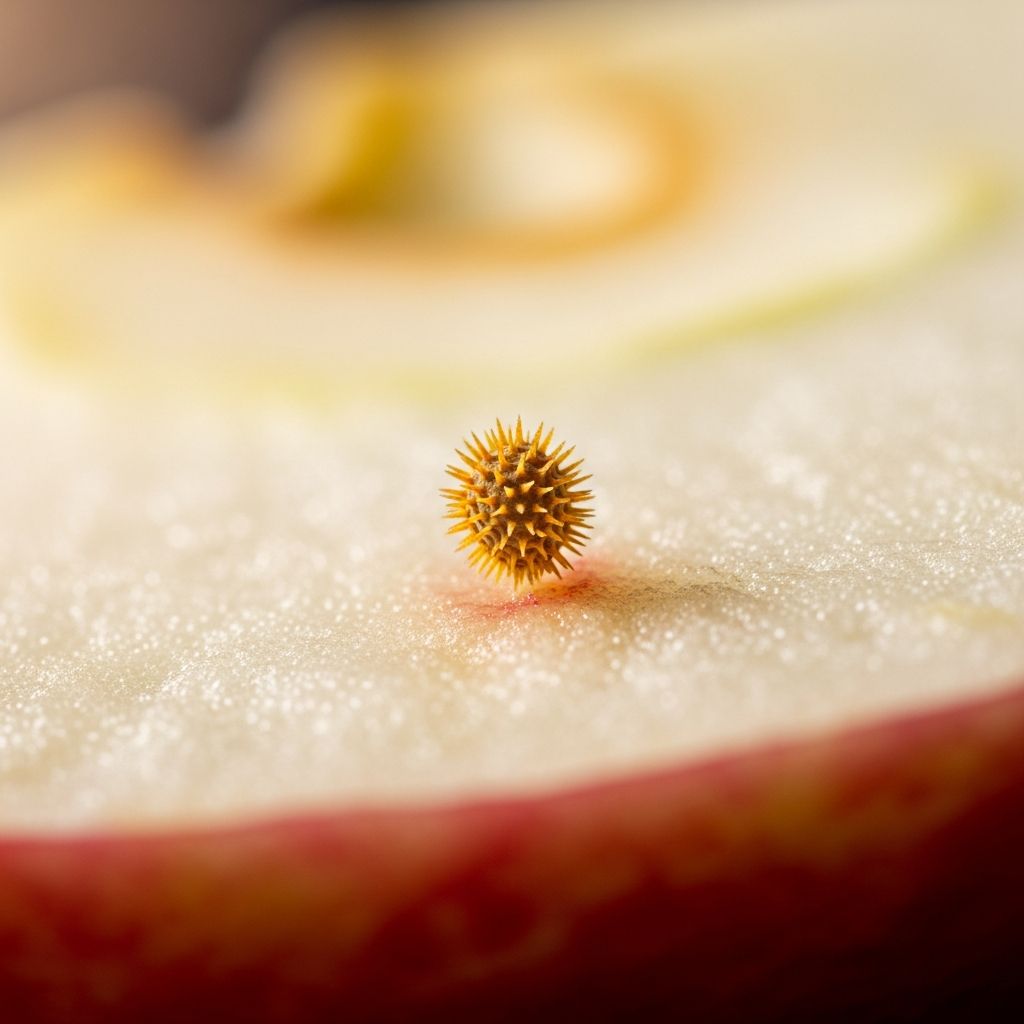
Pollen food allergy syndrome (PFAS), also known as oral allergy syndrome (OAS), is a common allergic condition triggered by cross-reactivity between pollen proteins and similar proteins in certain raw fruits, vegetables, nuts, and seeds. It primarily affects individuals with pre-existing pollen allergies, such as hay fever, leading to mild, localised symptoms in the mouth and throat shortly after consuming trigger foods. Unlike true food allergies, PFAS reactions are typically confined to the oral area because the offending proteins are heat-labile and degrade during digestion.
What is the cause of pollen food allergy syndrome?
The underlying cause of PFAS is immunological cross-reactivity between allergens in pollen and homologous proteins in plant-based foods. People sensitised to specific pollens produce IgE antibodies that bind to structurally similar proteins (often profilins or pathogenesis-related proteins) in fresh produce, mistaking them for pollen allergens. This reaction occurs because these proteins share amino acid sequences or conformational epitopes, fooling the immune system.
PFAS develops in individuals already allergic to airborne pollens, with birch pollen allergy being the most frequent precursor due to its high prevalence in temperate regions. The condition is not a primary food allergy but a secondary response amplified during pollen seasons when sensitisation is highest. Risk factors include atopic background, family history of allergies, and residence in areas with high pollen exposure. Proteins involved are typically class 2 allergens, which are labile and destroyed by heat, acids, or proteases in the gut, explaining why symptoms rarely progress systemically.
Who gets pollen food allergy syndrome?
PFAS predominantly affects adults and older children with established pollen allergies, particularly those sensitised to tree pollens like birch (Betula), grass, mugwort, or ragweed. It is highly prevalent, impacting up to 50-75% of birch pollen-allergic individuals in Europe and North America. Children under 5 rarely experience PFAS, as pollen sensitisation usually develops later in childhood or adolescence.
Geographic variation exists: birch-related PFAS is common in Northern Europe and North America, while mugwort-grass associations prevail in Southern Europe and Asia. Atopics with multiple pollen sensitivities face higher risk, and the condition may worsen during peak pollen seasons due to boosted IgE levels. Vegetarians, vegans, or those with pre-existing nut allergies encounter greater management challenges.
What are the clinical features of pollen food allergy syndrome?
Symptoms of PFAS manifest rapidly, within seconds to minutes of ingesting raw trigger foods, and are usually mild and self-limiting. Common features include:
- Itching, tingling, or burning sensation in the mouth, lips, tongue, or throat
- Scratchy or irritated throat
- Mild swelling (angioedema) of lips, tongue, uvula, or soft palate
- Itchy or prickly ears
- Sense of tightness in the throat without true obstruction
Symptoms resolve spontaneously within 30-60 minutes after swallowing or expectorating the food, as proteins denature in saliva or stomach acid. Localised urticaria around the mouth or nasal itching may occur.
Related Stories



Rarely (less than 5% of cases), reactions escalate to systemic involvement, including widespread hives, gastrointestinal upset, conjunctivitis, or asthma exacerbation. Anaphylaxis, though exceptional, has been documented, particularly with tree nuts, peanut, or soya in highly sensitised patients. These severe cases warrant epinephrine availability.
Cross-reactivity chart
PFAS triggers depend on the patient’s pollen allergy profile. The table below outlines common associations:
| Pollen Allergen | Common Cross-Reacting Foods |
|---|---|
| Birch pollen | Apple, pear, peach, cherry, plum, kiwi, carrot, celery, hazelnut, almond |
| Grass pollen | Tomato, potato, peach, celery, orange, melon, kiwi |
| Ragweed pollen | Banana, melon, cucumber, zucchini, sunflower seeds |
| Mugwort pollen | Carrot, celery, spices (anise, coriander, fennel), sunflower seeds, mustard |
Note: Not all pollen-allergic individuals react to listed foods; individual variation is high.
How is pollen food allergy syndrome diagnosed?
Diagnosis relies on clinical history corroborated by allergy testing, as symptoms are characteristic. Key diagnostic steps include:
- Detailed history: Timing, raw food specificity, pollen allergy correlation, and absence of systemic reactions
- Skin prick tests (SPT): Positive to implicated pollen and fresh foods (wheal >3mm)
- Specific IgE blood tests: Elevated to pollen and food extracts, ideally component-resolved diagnostics (CRD) for profilins (Bet v2) or PR-10 proteins (Bet v1)
- Open food challenge: Supervised graded ingestion of suspect food (gold standard if tests equivocal)
CRD distinguishes PFAS from genuine food allergies; e.g., Bet v1 sensitisation predicts birch-fruit OAS, while lipid transfer protein (LTP) reactivity signals severe allergy. prick-to-prick testing with fresh foods enhances sensitivity. Differential diagnoses include true IgE-mediated food allergy, contact dermatitis, or irritant reactions.
What is the differential diagnosis for pollen food syndrome?
- True food allergy: Persistent symptoms to cooked foods, systemic involvement, positive tests to heated extracts
- LTP syndrome: Severe reactions to fruits/nuts independent of pollen, common in Mediterranean regions
- Food-dependent exercise-induced anaphylaxis: Reactions only with exercise post-ingestion
- Irritant stomatitis: Non-immune, affects non-atopics, no pollen link
- Eosinophilic oesophagitis: Chronic dysphagia, endoscopic findings
What is the treatment for pollen food allergy syndrome?
Treatment focuses on avoidance and symptom mitigation; no curative therapy exists.
Avoidance strategies
- Avoid raw trigger foods, especially during pollen season
- Cook, peel, or can foods: Heat >80°C denatures allergens (e.g., baked apple safe for birch patients)
- Choose processed alternatives: Juices, jams, or canned goods often tolerated
Symptom relief
- Antihistamines (e.g., cetirizine 10mg) for mild itching/swelling
- Cool water rinses or lozenges for immediate relief
Immunotherapy
Pollen sublingual/oral immunotherapy may reduce PFAS severity in some, but evidence is limited and inconsistent. Food immunotherapy is experimental.
Emergency preparedness
For nut-involved or prior severe reactions, prescribe epinephrine auto-injector and allergy action plan.
Prevention of pollen food allergy syndrome
Primary prevention targets pollen sensitisation: Minimise exposure via filters, medications, and early immunotherapy. No proven dietary prevention exists. Secondary prevention involves vigilant raw food avoidance and cooking habits.
Further reading and references
- Consult BSACI guidelines for detailed protocols
- ACAAI patient resources on PFAS
Frequently asked questions (FAQs)
Can pollen food allergy syndrome cause anaphylaxis?
Yes, though rare (<5%), anaphylaxis can occur, especially with tree nuts or during high pollen exposure. Carry epinephrine if at risk.
Is cooking enough to prevent PFAS symptoms?
Usually yes, as heat destroys labile proteins. Exceptions include LTP-associated foods or melons, which remain allergenic when cooked.
Does PFAS affect children?
Rarely before age 5; more common in pollen-sensitised school-age children and adults.
Can immunotherapy cure PFAS?
Pollen immunotherapy may desensitise some patients, but results vary; not routinely recommended for PFAS alone.
How do I confirm PFAS diagnosis?
See an allergist for history, skin prick tests to fresh foods/pollen, and possibly component-resolved IgE testing.
References
- What is Pollen Food Allergy Syndrome? — Premier Allergy, Asthma, & Sinus. 2023. https://www.premier-allergy.com/what-is-pollen-food-allergy-syndrome/
- Oral Allergy Syndrome | Symptoms & Treatment — American College of Allergy, Asthma & Immunology (ACAAI). 2019-03-21. https://acaai.org/allergies/allergic-conditions/food/pollen-food-allergy-syndrome/
- Pollen food allergy syndrome (PFAS) — Food Allergy Canada. 2023. https://foodallergycanada.ca/food-allergy-basics/related-conditions/oral-allergy-syndrome-oas-pollen-food-allergy-syndrome-pfas/
- Pollen Food Syndrome — Anaphylaxis Campaign UK. 2023. https://www.anaphylaxis.org.uk/fact-sheet/pollen-food-syndrome/
- Diagnosis and management of Pollen Food Syndrome/Oral Allergy Syndrome — British Society for Allergy and Clinical Immunology (BSACI). 2018. https://www.bsaci.org/guidelines-and-standards/bsaci-guidelines/diagnosis-and-management-of-pollen-food-syndrome-oral-allergy-syndrome/
- Pollen-food allergy syndrome (PFAS) — Thermo Fisher Scientific. 2023. https://www.thermofisher.com/allergy/wo/en/living-with-allergies/understanding-allergies/pollen-food-allergy-syndrome-pfas.html
Similar Articles








Read full bio of Sneha Tete