PCOS and the Skin: Understanding Hormonal Acne
Explore the connection between PCOS and skin conditions like acne and hirsutism.
Polycystic Ovarian Syndrome and the Skin: A Comprehensive Guide
Polycystic ovary syndrome (PCOS) is an endocrine disorder affecting millions of women of reproductive age worldwide. While most commonly associated with reproductive challenges and metabolic complications, PCOS also has significant dermatological manifestations that can profoundly impact quality of life and self-esteem. The hormonal imbalances characteristic of PCOS frequently translate into visible skin problems, making dermatological symptoms often the first noticeable signs that prompt women to seek medical attention.
The connection between PCOS and skin health is rooted in the hormonal dysfunction at the core of this syndrome. Understanding this relationship is essential for patients and healthcare providers alike, as proper management of skin manifestations can improve both physical appearance and psychological well-being. This article explores the intricate relationship between PCOS and various skin conditions, explaining the underlying mechanisms and offering practical treatment strategies.
Understanding PCOS and Hormonal Imbalance
PCOS is characterized by the development of multiple small cysts on the ovaries, irregular menstrual cycles, and elevated levels of male sex hormones called androgens. The syndrome affects hormone production and utilization in the body, creating a cascade of effects that extend far beyond reproductive organs. The primary hormonal disruption in PCOS involves insulin resistance, where the body fails to recognize insulin properly, leading to elevated insulin levels in the bloodstream.
This elevated insulin stimulates the ovaries to produce excess androgens, particularly testosterone. In women, even small increases in testosterone levels can trigger significant physiological changes. The relationship between insulin resistance and androgen overproduction creates a self-perpetuating cycle that contributes to many of PCOS’s characteristic features, including its pronounced effects on skin health. Approximately 60 to 80 percent of women with PCOS experience elevated androgens, making hormonal skin manifestations extremely common in this population.
PCOS-Related Skin Conditions
Women with PCOS experience a spectrum of skin conditions, most of which are directly linked to elevated androgen levels. These dermatological manifestations can appear on various body areas and vary significantly in severity from person to person.
Hormonal Acne
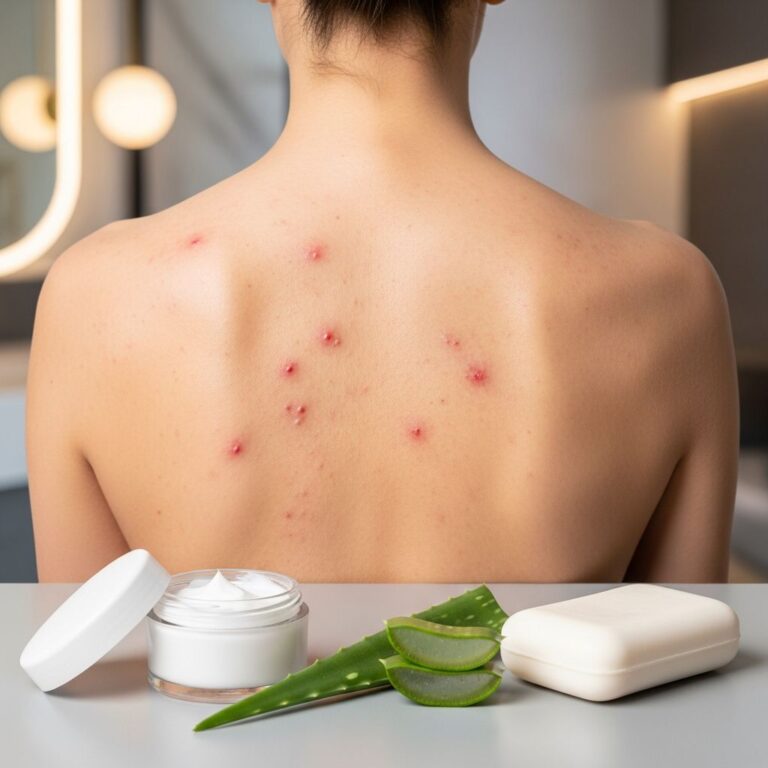
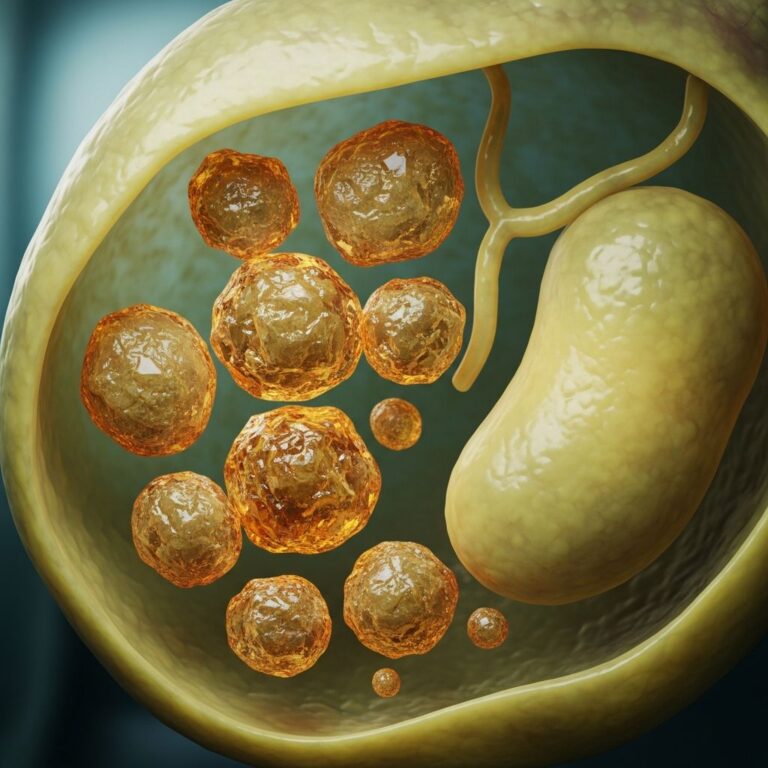
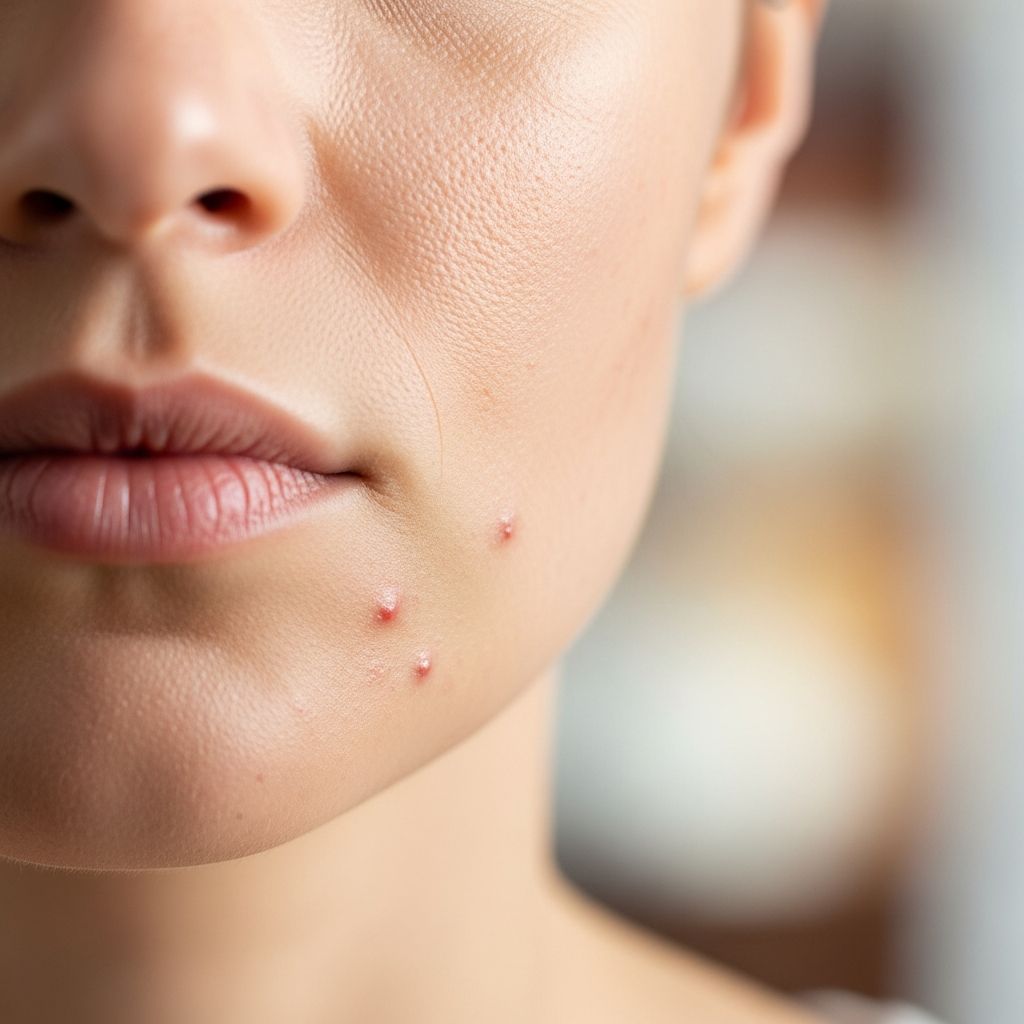
Acne represents one of the most prevalent and distressing skin manifestations of PCOS. The mechanism behind PCOS-induced acne is well-established: elevated androgens trigger excessive sebum production by sebaceous glands. Sebum is an oily substance that, when combined with dead skin cells, clogs pores and creates an environment conducive to bacterial growth. This leads to inflammation and the characteristic lesions of hormonal acne.
PCOS-related acne typically develops on the face, but research indicates that up to 34 percent of women with PCOS also experience acne on the neck, chest, and upper back. This widespread distribution often makes PCOS-related acne more challenging to manage than typical teenage acne, which is usually confined to the face. The acne associated with PCOS tends to be inflammatory rather than comedonal, meaning it presents as red, painful lesions rather than blackheads and whiteheads.
Related Stories



Hirsutism and Abnormal Hair Growth
Hirsutism, or male-pattern hair growth, affects approximately 60 percent of women with PCOS. This condition involves excessive hair growth on areas typically associated with male patterns, including the face, chest, back, and abdomen. The excess hair is often darker, coarser, and more visible than normal body hair, which can cause significant psychological distress.
The elevated androgens in PCOS stimulate hair follicles in androgen-sensitive areas to enter the anagen phase, the active growth phase of the hair cycle. Additionally, some women with PCOS experience androgenic alopecia, or male-pattern baldness, where hair thins on the scalp while becoming excessively thick on the face and body. This paradoxical pattern of hair growth and loss is particularly distressing for many patients.
Additional Skin Manifestations
Beyond acne and hirsutism, PCOS can cause several other skin conditions. Insulin resistance associated with PCOS can lead to acanthosis nigricans, a condition characterized by dark, velvety discoloration of the skin, typically appearing in body folds such as the neck, armpits, and groin. Additionally, seborrhea, an oily skin condition, and other forms of dermatitis may occur more frequently in women with PCOS.
The Pathophysiology of Skin Changes in PCOS
The development of skin problems in PCOS involves multiple interconnected mechanisms. The primary pathway centers on androgen excess, but insulin resistance plays an equally important role in perpetuating skin manifestations.
When insulin resistance develops, the body compensates by producing more insulin, creating a hyperinsulinemic state. This elevated insulin directly stimulates the ovaries to produce androgens while simultaneously reducing sex hormone-binding globulin (SHBG), a protein that binds to testosterone and prevents it from acting on target tissues. With less SHBG available, more free testosterone circulates in the bloodstream, amplifying its effects on sebaceous glands, hair follicles, and skin cells.
The elevated androgens then act on androgen receptors in the skin, triggering increased sebum production, alterations in skin cell turnover, and increased inflammation. These combined effects create an ideal environment for acne development while simultaneously promoting hair growth in androgen-sensitive areas.
Diagnostic Considerations
The dermatological manifestations of PCOS can sometimes present before obvious reproductive symptoms, making skin conditions an important diagnostic clue for healthcare providers. However, diagnosing PCOS can be complicated because many skin conditions have multiple potential causes. Acne, hirsutism, and hair loss can result from genetic factors, medication side effects, other hormonal disorders, or PCOS itself.
A comprehensive evaluation typically includes assessment of menstrual history, reproductive concerns, metabolic factors, and physical examination of skin and hair patterns. Laboratory tests measuring hormone levels, insulin resistance markers, and imaging studies of the ovaries help confirm PCOS diagnosis. The combination of clinical features with biochemical and radiological findings provides the most accurate diagnostic picture.
Treatment Strategies for PCOS-Related Skin Conditions
Skincare Regimen
The foundation of managing PCOS-related acne begins with a gentle, consistent skincare routine. Dermatologists recommend washing the face at least twice daily with a mild cleanser, using gentle finger motions rather than aggressive scrubbing with sponges or cloths. Thorough rinsing with warm water and patting the face dry with a soft towel prevents irritation that can exacerbate acne. Using non-comedogenic makeup and skincare products helps minimize pore blockage. Avoiding picking or squeezing pimples is crucial, as this can cause infection, scarring, and increased inflammation.
Lifestyle and Dietary Modifications
Research demonstrates that lifestyle changes can significantly improve PCOS symptoms and skin manifestations. A 5 percent reduction in body weight through improved diet and exercise can decrease testosterone levels and improve insulin resistance. This modest weight loss can translate to meaningful improvements in acne severity and hirsutism.
Dietary modifications should emphasize whole foods, lean proteins, healthy fats, and complex carbohydrates while reducing refined carbohydrates and processed foods. Regular physical activity improves insulin sensitivity and supports weight management. These lifestyle interventions address the root cause of PCOS-related skin problems rather than merely treating symptoms.
Over-the-Counter Medications
Topical acne medications containing ingredients such as benzoyl peroxide, salicylic acid, or retinoids can help manage mild to moderate PCOS-related acne. However, these treatments address symptoms rather than the underlying hormonal dysfunction. Women using over-the-counter acne products should consult with healthcare providers to ensure these products complement rather than conflict with other PCOS treatments.
Hormonal Contraceptives
Oral contraceptive pills (OCPs) containing progestin and estrogen represent a cornerstone treatment for PCOS-related skin problems. These medications suppress ovarian androgen production and increase SHBG levels, thereby reducing circulating free testosterone. Studies show that women with PCOS experience up to a 60 percent reduction in inflammatory acne within three to six months of OCP treatment. OCPs also help regulate menstrual cycles and reduce hirsutism over time. The choice of specific formulation should consider individual factors and be made in consultation with a healthcare provider.
Anti-Androgen Medications
Spironolactone, a medication with anti-androgen properties, can be prescribed to further block androgen effects on the skin. This medication is often combined with OCPs for enhanced effectiveness in treating acne and hirsutism. Regular monitoring of potassium levels and kidney function is necessary when using spironolactone.
Natural Supplements and Inositol
Recent research has identified myo-inositol and D-chiro-inositol as promising natural compounds for PCOS management. These inositol isomers improve insulin sensitivity and regulate neurotransmitters such as serotonin and dopamine, which influence hormone production and metabolism. Supplementation with these compounds can help rebalance testosterone levels, reduce acne, promote ovarian health, and prevent the development of type 2 diabetes in women with PCOS. Many women report significant improvements in acne and other skin manifestations with consistent inositol supplementation.
Professional Dermatological Treatments
For hirsutism, professional treatments include laser hair removal and electrolysis, which provide longer-lasting results than temporary methods like shaving or waxing. These treatments work by damaging hair follicles to prevent regrowth. Multiple sessions are typically required for optimal results. Chemical peels and microdermabrasion can help improve acne scars and skin texture. Dermatologists can recommend the most appropriate treatment based on individual skin type and preferences.
Psychological Impact and Quality of Life
The visible nature of PCOS-related skin conditions can significantly affect psychological well-being. Acne, particularly when widespread across the face and body, and hirsutism can lead to embarrassment, reduced confidence, social withdrawal, and increased anxiety or depression. Research suggests that addressing dermatological manifestations is as important as managing metabolic and reproductive aspects of PCOS.
A comprehensive approach to PCOS management should include psychological support alongside medical and lifestyle interventions. Healthcare providers should acknowledge the emotional impact of skin symptoms and work collaboratively with patients to develop treatment plans that address both physical and psychological needs.
Frequently Asked Questions
Q: Can PCOS skin problems be completely cured?
A: While PCOS skin conditions cannot be permanently cured, they can be effectively managed and significantly improved through comprehensive treatment combining lifestyle modifications, skincare routines, and medical interventions. Symptoms often improve with consistent management.
Q: How long does it take to see improvement in acne with PCOS treatment?
A: Improvement timelines vary depending on the treatment chosen. Hormonal contraceptives typically show noticeable improvement within three to six months, while lifestyle modifications and supplements may take several months of consistent adherence to demonstrate results.
Q: Is laser hair removal effective for PCOS-related hirsutism?
A: Yes, laser hair removal can be effective for managing PCOS-related hirsutism, though multiple sessions are required. However, continued hormone management is important, as new hair growth may occur if underlying androgen levels remain elevated.
Q: Can diet alone improve PCOS-related acne?
A: While diet alone may not completely eliminate PCOS-related acne, research demonstrates that a 5 percent weight loss through improved nutrition and exercise can reduce testosterone levels and improve insulin resistance, resulting in meaningful acne improvement.
Q: Are natural supplements safe for treating PCOS skin conditions?
A: Inositol supplements have shown promise in research and are generally well-tolerated. However, all supplements should be discussed with healthcare providers before starting to ensure safety and appropriate dosing.
Conclusion
PCOS represents a complex endocrine disorder with profound effects on skin health and appearance. The elevated androgens and insulin resistance characteristic of this syndrome directly trigger acne, hirsutism, and other dermatological manifestations that significantly impact quality of life. Understanding the pathophysiology connecting PCOS to skin conditions is essential for effective management.
A comprehensive, multi-faceted approach combining skincare optimization, lifestyle modifications, dietary changes, and medical interventions offers the best outcomes for managing PCOS-related skin problems. While individual responses to treatment vary, most women with PCOS can achieve substantial improvement in skin manifestations through persistence and collaborative work with their healthcare providers. Addressing both the physiological and psychological aspects of these visible symptoms is crucial for holistic patient care.
References
- Symptoms Associated with Polycystic Ovarian Syndrome (PCOS) — Arizona State University School of Life Sciences. https://embryo.asu.edu/pages/symptoms-associated-polycystic-ovarian-syndrome-pcos
- PCOS Acne: What to Know and How to Treat It — Intimate Rose. https://www.intimaterose.com/blogs/womens-health/pcos-and-acne
- The Effects Of Polyphenol On Insulin Resistance And Polycystic Ovary Syndrome — National Institutes of Health, PubMed Central. 2023. https://pmc.ncbi.nlm.nih.gov/articles/PMC10554197/
- Evaluation of Androgen-Dependent Skin Findings of Polycystic Ovary Syndrome — Taylor & Francis Online. 2022. https://www.tandfonline.com/doi/full/10.1080/09513590.2022.2162496
- Diagnosis and Management of Polycystic Ovary Syndrome in Adolescents — American Academy of Pediatrics. https://publications.aap.org/pediatrics/article/145/Supplement_2/S210/34464/Diagnosis-and-Management-of-Polycystic-Ovary
Similar Articles








Read full bio of Sneha Tete