PCOS (Polycystic Ovary Syndrome): Symptoms & Treatment
Comprehensive guide to understanding PCOS: symptoms, diagnosis, and evidence-based treatment options.
What Is Polycystic Ovary Syndrome (PCOS)?
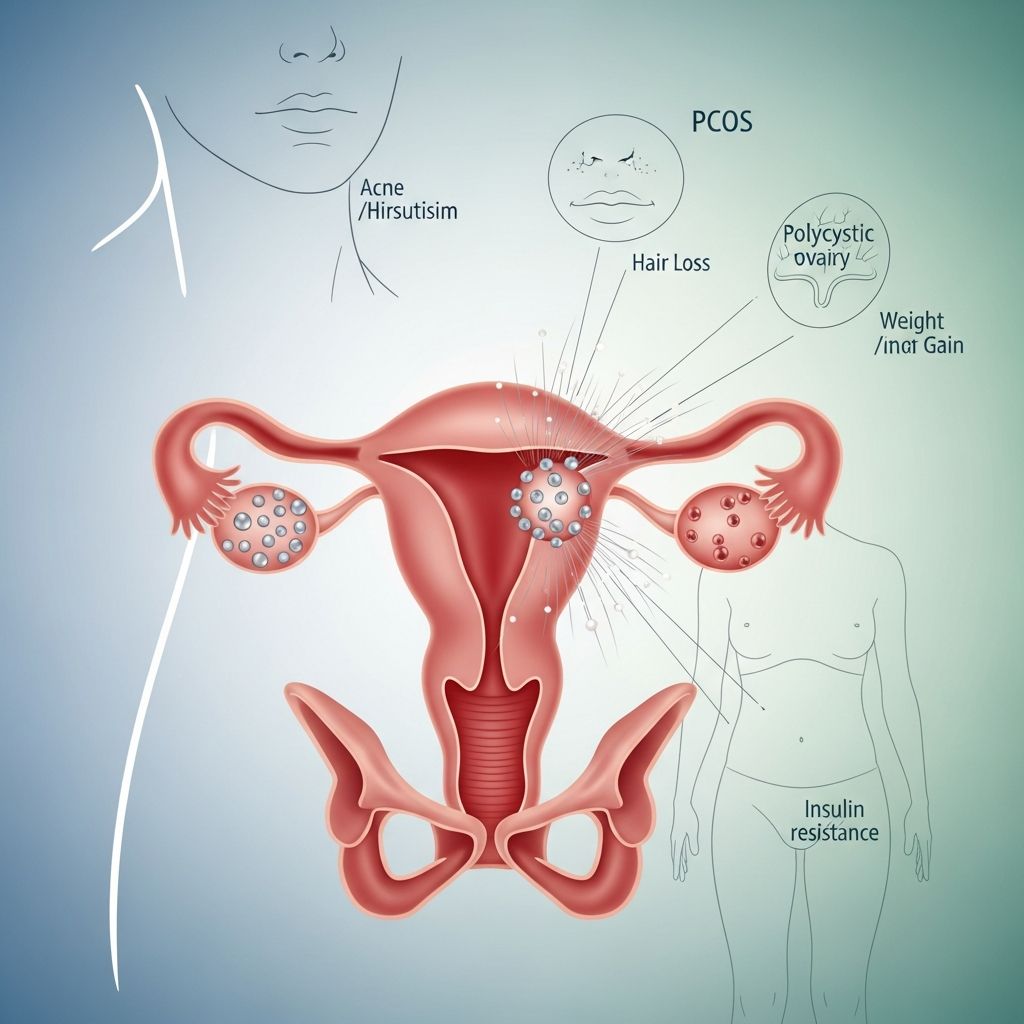
Polycystic ovary syndrome (PCOS) is a common type of hormone imbalance that affects people assigned female at birth. This condition occurs when your ovaries produce excess hormones that lead to significant imbalances in your reproductive system. The hormonal disruptions caused by PCOS can trigger a cascade of symptoms that affect not only your reproductive health but also your metabolism, appearance, and overall well-being.
As a result of these hormonal imbalances, people with PCOS often experience irregular menstrual cycles, missed periods, and unpredictable ovulation patterns. Small follicle cysts, which are fluid-filled sacs containing immature eggs, may become visible on your ovaries during an ultrasound examination due to the lack of ovulation, a condition known as anovulation. However, it’s important to note that despite the name “polycystic,” you don’t necessarily need to have cysts on your ovaries to receive a PCOS diagnosis. The ovarian cysts associated with PCOS are typically not dangerous or painful, distinguishing them from other ovarian conditions.
PCOS usually begins at puberty and is associated with a range of hormone-related symptoms that can vary significantly from person to person. Understanding this condition is the first step toward effective management and achieving your personal health goals.
Causes and Risk Factors
While the exact cause of PCOS remains not fully understood, researchers have identified several factors that may contribute to its development. The condition appears to involve a combination of genetic and environmental factors that disrupt normal hormone production and ovulation.
Insulin resistance is believed to play a significant role in PCOS development. When your body becomes resistant to insulin, your pancreas produces more insulin to compensate. This excess insulin can stimulate your ovaries to produce higher levels of androgens (male hormones), which can prevent normal ovulation and lead to many of the characteristic symptoms of PCOS.
Family history is another important risk factor. If your mother or sister has PCOS, your risk of developing the condition increases. Additionally, chronic inflammation may play a role, as studies have shown that people with PCOS often have elevated levels of inflammation in their bodies.
Symptoms of PCOS
PCOS manifests through a diverse range of symptoms that can vary considerably between individuals. Some people experience mild symptoms, while others face more severe challenges. Common symptoms include:
- Irregular or absent menstrual periods
- Heavy or prolonged menstrual bleeding
- Excess facial and body hair (hirsutism)
- Acne or oily skin
- Male-pattern baldness or hair thinning
- Weight gain or difficulty losing weight
- Darkening of the skin, particularly in skin folds (acanthosis nigricans)
- Skin tags
- Pelvic pain
- Mood changes, including anxiety and depression
- Difficulty concentrating or brain fog
Beyond reproductive symptoms, PCOS can affect your entire body. The hormonal imbalances associated with PCOS can impact your metabolism, cardiovascular system, and mental health. Many people with PCOS struggle with weight management, even when following appropriate diet and exercise regimens, due to the underlying insulin resistance and hormonal dysfunction.
Related Stories



Health Complications Associated with PCOS
PCOS is one of the most common causes of female infertility, but its health implications extend far beyond reproductive concerns. The condition can significantly increase your risk of developing several serious health conditions if left untreated or poorly managed.
Type 2 diabetes is a major concern for people with PCOS. The insulin resistance that characterizes PCOS substantially increases the likelihood of developing diabetes. Studies show that women with PCOS are at significantly higher risk of developing type 2 diabetes compared to women without the condition.
Cardiovascular disease represents another serious health risk. People with PCOS often have high blood pressure, abnormal cholesterol levels, and increased inflammation, all of which are risk factors for heart disease and stroke. These metabolic complications make cardiovascular health management a critical aspect of PCOS care.
Endometrial cancer risk is also elevated in people with PCOS. The irregular ovulation patterns and higher estrogen levels without adequate progesterone can lead to excessive thickening of the uterine lining, increasing cancer risk. Regular monitoring and appropriate hormone management are essential to reduce this risk.
Additionally, PCOS is associated with increased risk of sleep apnea, fatty liver disease, and metabolic syndrome. The emotional toll of managing PCOS can also contribute to anxiety and depression, affecting mental health and quality of life.
How PCOS Is Diagnosed
Diagnosing PCOS typically involves a comprehensive evaluation that combines clinical assessment, discussion of your symptoms, and various diagnostic tests. In most cases, your healthcare provider can diagnose PCOS after conducting a thorough examination and discussing your medical history and symptoms.
Your healthcare provider will typically:
- Review your complete medical and family health history
- Discuss your menstrual cycle patterns and other symptoms
- Perform a physical examination, including pelvic examination
- Order blood tests to evaluate hormone levels
- Perform a pelvic ultrasound to visualize your ovaries
Diagnostic criteria for PCOS require that you have at least two of the three following features: irregular or absent ovulation (evidenced by irregular periods), clinical or biochemical signs of elevated androgens, and polycystic ovaries on ultrasound. This Rotterdam criteria approach has become the standard diagnostic method used by most healthcare providers.
Blood tests typically measure testosterone, androstenedione, luteinizing hormone (LH), follicle-stimulating hormone (FSH), insulin levels, and glucose tolerance. An ultrasound examination can reveal the characteristic appearance of polycystic ovaries, though this finding alone is not sufficient for diagnosis.
Treatment Options for PCOS
Treatment for PCOS is highly individualized and depends on your specific symptoms, medical history, other health conditions, and personal goals. Your healthcare provider will determine the most appropriate treatment approach based on your unique circumstances.
Lifestyle Modifications
Lifestyle changes form the foundation of PCOS management for many people. A healthy diet can help manage blood sugar levels, support weight loss, and reduce insulin resistance. Healthcare providers often recommend focusing on foods that support stable blood sugar, including whole grains, lean proteins, healthy fats, and vegetables while limiting sugary foods and refined carbohydrates.
Regular physical activity is equally important. Exercise can improve insulin sensitivity, help with weight management, regulate menstrual cycles, and improve mood. Most healthcare providers recommend at least 150 minutes of moderate-intensity exercise weekly.
Weight loss of even 5-10% of body weight can significantly improve PCOS symptoms and metabolic parameters. Additionally, stress management through techniques such as meditation, yoga, or counseling can help address the emotional aspects of living with PCOS.
Medication Treatments
Several medications can help manage specific PCOS symptoms. Birth control pills containing both estrogen and progestin can help regulate menstrual cycles and reduce androgen levels. These medications are often prescribed for people who are not trying to conceive.
Metformin, a medication commonly used to treat type 2 diabetes, can improve insulin sensitivity and may help regulate menstrual cycles. This medication is particularly useful for people with PCOS who have insulin resistance or are at risk for developing diabetes.
Hormonal therapies such as progesterone can help regulate periods without using birth control pills. Anti-androgen medications like spironolactone can reduce excess hair growth and acne by lowering androgen levels.
Fertility Treatment
For people with PCOS who wish to become pregnant, specialized fertility treatments are available. Medications like clomiphene citrate or letrozole can stimulate ovulation. If these medications are unsuccessful, assisted reproductive technologies such as in vitro fertilization (IVF) may be recommended. Yes, you can get pregnant if you have PCOS. While the condition can make conception more challenging, many people with PCOS do conceive naturally or with medical assistance.
Living with PCOS
Managing PCOS is a long-term commitment that requires ongoing attention to your health and symptoms. While PCOS is a lifelong condition, there are numerous ways to control the symptoms that may be affecting your quality of life.
Working with a multidisciplinary healthcare team can significantly improve outcomes. Your PCOS care team may include gynecologists, endocrinologists, dietitians, and mental health professionals who work together to address all aspects of your condition. This comprehensive approach ensures that you receive support for both your physical and mental health needs.
Regular monitoring of your health is important. This includes periodic blood work to assess hormone levels, glucose tolerance, and cholesterol levels. Annual or biennial pelvic ultrasounds may be recommended to monitor your ovaries and endometrial thickness.
Building a support network of healthcare providers who understand PCOS and are committed to helping you achieve your personal health goals is essential. Whether your priority is managing symptoms, achieving weight loss, regulating your menstrual cycle, or becoming pregnant, your healthcare team should work collaboratively to develop a treatment plan tailored to your specific needs and objectives.
Frequently Asked Questions (FAQs)
Q: Can PCOS be cured?
A: PCOS cannot be cured, but symptoms can be effectively managed with lifestyle changes, medications, or a combination of both. The condition requires ongoing management, but with appropriate treatment, most people can successfully control their symptoms and live healthy, fulfilling lives.
Q: Can I get pregnant if I have PCOS?
A: Yes, you can get pregnant if you have PCOS. Although the condition can make conception more difficult by affecting ovulation, many people with PCOS conceive naturally. Healthcare providers can prescribe fertility medications or recommend assisted reproductive technologies like IVF if needed.
Q: Does PCOS go away after menopause?
A: PCOS is a lifelong condition, but symptoms may change after menopause. However, the metabolic risks associated with PCOS, such as increased risk of type 2 diabetes and cardiovascular disease, persist and require continued management.
Q: Is weight loss necessary for treating PCOS?
A: Weight loss is not necessary for everyone with PCOS, but even modest weight loss of 5-10% can significantly improve symptoms and insulin sensitivity. However, treatment plans should be individualized based on your specific symptoms and health goals.
Q: What dietary changes are recommended for PCOS?
A: A balanced diet focusing on whole grains, lean proteins, healthy fats, and vegetables while limiting refined carbohydrates and sugar can help manage blood sugar levels and support weight management in people with PCOS.
Q: How often should I see my healthcare provider if I have PCOS?
A: The frequency of healthcare visits depends on your specific symptoms and treatment plan. Most people with PCOS benefit from regular follow-up appointments every 3-6 months initially, with subsequent visits adjusted based on symptom control and treatment response.
References
- PCOS (Polycystic Ovary Syndrome): Symptoms & Treatment — Cleveland Clinic. 2024. https://my.clevelandclinic.org/health/diseases/8316-polycystic-ovary-syndrome-pcos
- Polycystic Ovary Syndrome Treatment — Cleveland Clinic. 2024. https://my.clevelandclinic.org/services/polycystic-ovary-syndrome-treatment
- Polycystic Ovary Syndrome (PCOS) — Cleveland Clinic Abu Dhabi. 2024. https://www.clevelandclinicabudhabi.ae/en/health-hub/health-resource/diseases-and-conditions/polycystic-ovary-syndrome
- Clinical Overview: Polycystic Ovarian Syndrome — Cleveland Clinic Center for Continuing Education. 2020. https://www.clevelandclinicmeded.com/online/casebased/decisionmaking/pcos/default.asp
- Reducing PCOS Symptoms With a Low-Carb Diet — Consult QD, Cleveland Clinic. 2024. https://consultqd.clevelandclinic.org/reducing-pcos-symptoms-with-a-low-carb-diet
Similar Articles








Read full bio of medha deb