Polycystic Ovary Syndrome (PCOS): Symptoms, Diagnosis & Treatment
Comprehensive guide to understanding PCOS, its symptoms, diagnosis methods, and effective treatment options.
Polycystic Ovary Syndrome (PCOS): Understanding a Common Hormonal Disorder
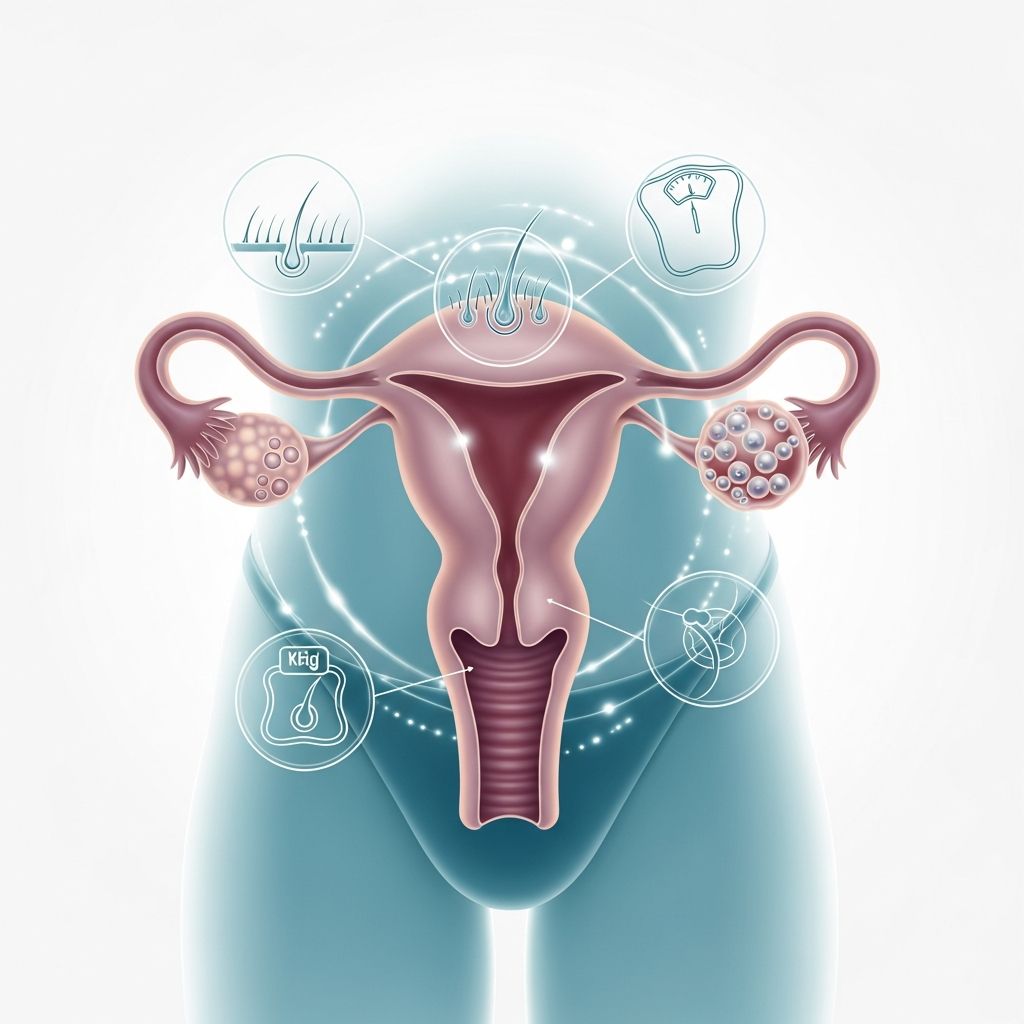
Polycystic ovary syndrome (PCOS) is a common hormonal disorder that affects women and people assigned female at birth during their reproductive years. The condition occurs when the ovaries produce higher levels of androgens (male hormones) than normal, which can interfere with ovulation and lead to a range of physical and metabolic symptoms. PCOS is a complex, multifactorial condition that can significantly impact fertility, metabolic health, and overall quality of life.
What Is Polycystic Ovary Syndrome?
PCOS is characterized by a combination of genetic and environmental factors that lead to hormonal imbalances. The condition gets its name from the appearance of multiple small, fluid-filled sacs (follicles) that often develop in the ovaries. However, it’s important to note that not all individuals with PCOS have polycystic ovaries, and the presence of ovarian cysts alone does not confirm a PCOS diagnosis.
The hallmark features of PCOS involve three main components: elevated androgen levels (hyperandrogenism), irregular or absent ovulation (ovulatory dysfunction), and the appearance of polycystic ovaries on imaging. Most people with PCOS experience irregular menstrual cycles, missed periods, and unpredictable ovulation due to the hormonal imbalances characteristic of the condition.
Recognizing PCOS Symptoms
The symptoms of PCOS vary widely among individuals and can range from mild to severe. Some people may experience minimal symptoms, while others deal with multiple manifestations that significantly affect their daily lives.
Menstrual Irregularities
One of the most common symptoms of PCOS is irregular or absent menstrual periods. Many individuals with PCOS experience oligomenorrhea (infrequent periods) or amenorrhea (absence of periods). These irregularities result from the failure of the ovaries to ovulate regularly, which disrupts the normal hormonal cycle needed for menstruation.
Signs of Excess Androgens
Elevated androgen levels can cause several dermatological and cosmetic symptoms:
- Hirsutism (excess hair growth on the face, chest, abdomen, and back)
- Acne and oily skin
- Male-pattern baldness or scalp hair thinning
- Skin darkening or acanthosis nigricans, particularly in body folds
Metabolic and Weight-Related Symptoms
Many individuals with PCOS struggle with weight management and metabolic issues. These may include difficulty losing weight, insulin resistance, weight gain despite dietary efforts, and an increased risk of developing type 2 diabetes and metabolic syndrome.
Infertility and Reproductive Concerns
PCOS is one of the most common causes of infertility in women and people assigned female at birth. The irregular or absent ovulation associated with PCOS can make it difficult to conceive naturally. However, with appropriate treatment, many individuals with PCOS can achieve pregnancy.
Psychological Symptoms
Beyond physical symptoms, PCOS can impact mental health. Individuals with PCOS have higher rates of depression, anxiety, and body image concerns, partly due to the visible symptoms and fertility challenges associated with the condition.
Diagnostic Approach to PCOS
There is no single test to diagnose PCOS. Instead, diagnosis requires a comprehensive evaluation combining clinical assessment, physical examination, and laboratory or imaging findings. Healthcare providers typically use the Rotterdam criteria, which require at least two of three diagnostic features to be present.
Related Stories



Clinical History and Physical Examination
The diagnostic process begins with a thorough discussion of your symptoms, medications, and medical history. Your healthcare provider will ask detailed questions about your menstrual history, weight changes, and any visible signs of excess hair growth or acne. A physical examination includes checking for signs of hirsutism, insulin resistance (such as acanthosis nigricans), acne, and assessing body weight and BMI.
Pelvic Examination
During a pelvic exam, your healthcare provider checks your reproductive organs for any masses, growths, or other changes. This examination helps assess whether the ovaries are enlarged or swollen, which can indicate PCOS.
Ultrasound Imaging
Transvaginal ultrasound is commonly used to visualize the ovaries and assess their appearance. The procedure involves inserting a narrow, wand-shaped device (transducer) into the vagina, which emits sound waves to create detailed images of the ovaries and pelvic organs. A polycystic ovary typically shows many fluid-filled sacs or follicles. However, an ultrasound is not always necessary for diagnosis, as PCOS can be confirmed with other diagnostic criteria.
Blood Tests and Hormone Assessment
Blood tests play a crucial role in PCOS diagnosis by measuring hormone levels. These tests typically assess:
- Testosterone (total and free)
- Androstenedione
- Luteinizing hormone (LH) and follicle-stimulating hormone (FSH) levels
- Prolactin levels to rule out other conditions
- Thyroid function tests (TSH) to exclude thyroid disorders
- Fasting glucose and insulin levels
- Glucose tolerance testing to assess insulin resistance
- Anti-müllerian hormone (AMH) levels, which may be used as an alternative to ultrasound
Additional Testing
Once PCOS is diagnosed, your healthcare provider may recommend additional screening for associated complications, including blood pressure monitoring, cholesterol and triglyceride levels, screening for depression and anxiety, and evaluation for obstructive sleep apnea.
PCOS Treatment Options
PCOS cannot be cured, but symptoms can be effectively managed through a combination of lifestyle modifications and medications. Treatment is individualized based on your specific symptoms, health goals, and whether you’re planning to become pregnant.
Lifestyle Modifications
Lifestyle changes are typically the first-line approach and can significantly improve PCOS symptoms:
Weight Management and Exercise
Even a modest weight loss of 5-10% can improve insulin sensitivity, restore ovulation, improve fertility, and reduce androgen levels. Regular physical activity helps with weight management, improves insulin sensitivity, and enhances overall metabolic health.
Dietary Approaches
A balanced diet emphasizing whole grains, lean proteins, healthy fats, and fiber-rich foods can help manage weight and improve insulin resistance. Limiting refined carbohydrates and added sugars is particularly important for individuals with PCOS.
Stress Management and Sleep
Adequate sleep and stress reduction techniques such as meditation, yoga, or counseling can help manage symptoms and improve overall well-being.
Medical Treatment Options
For Menstrual Irregularities
Hormonal contraceptives are often the first-line medication for managing irregular periods and reducing androgen-related symptoms. Options include:
- Birth control pills containing combined estrogen and progestin
- Contraceptive patches
- Vaginal rings
- Injectable contraceptives
- Intrauterine devices (IUDs) with progestin
Progestin-only therapies given intermittently (every 3-4 months or monthly) can induce regular periods and reduce the risk of endometrial cancer associated with prolonged amenorrhea.
For Androgen Excess Symptoms
Anti-androgen medications help reduce excessive hair growth and acne:
- Spironolactone: Blocks androgen effects on the skin. Effective birth control is required while using this medication as it can cause birth defects.
- Combined hormonal contraceptives: Decrease androgen production and can be used alongside spironolactone for enhanced effect.
For Fertility and Ovulation
If pregnancy is desired, medications that promote ovulation may be recommended:
- Clomiphene: An oral anti-estrogen medication taken during the early part of the menstrual cycle to stimulate ovulation
- Letrozole (Femara): Originally developed for breast cancer treatment, this medication effectively stimulates ovarian function
- Metformin: An insulin-sensitizing medication originally used for type 2 diabetes. It improves insulin resistance, lowers insulin levels, and can promote ovulation. Metformin also helps with weight loss and can slow progression to type 2 diabetes in individuals with prediabetes.
For Metabolic Management
Metformin is particularly valuable for individuals with PCOS and insulin resistance or prediabetes, helping improve metabolic function and facilitate weight loss.
Treatment Decision-Making
Your healthcare provider will determine the most appropriate treatment plan based on your specific symptoms, medical history, fertility goals, and other health conditions. Treatment may involve medications alone, lifestyle changes alone, or a combination of both approaches. Regular follow-up and monitoring are essential to assess treatment effectiveness and adjust the plan as needed.
Living with PCOS
Successfully managing PCOS involves ongoing collaboration between you and your healthcare team. Regular monitoring of symptoms, maintenance of lifestyle modifications, and medication adherence all contribute to better outcomes. Many individuals with PCOS lead healthy, fulfilling lives with appropriate management and support.
Frequently Asked Questions About PCOS
Q: Can PCOS be cured?
A: No, PCOS cannot be cured, but its symptoms can be effectively managed through lifestyle changes, medications, or a combination of both. With appropriate treatment, most individuals with PCOS can achieve their health and fertility goals.
Q: Do I need to have cysts on my ovaries to be diagnosed with PCOS?
A: No. Despite the name “polycystic,” you do not need to have visible cysts on your ovaries to have PCOS. A diagnosis requires at least two of three criteria: irregular ovulation, elevated androgens, and polycystic ovary appearance. Many individuals have PCOS without polycystic ovaries on ultrasound.
Q: Does PCOS affect fertility?
A: PCOS can make conception more difficult due to irregular or absent ovulation, but it does not prevent pregnancy. With appropriate treatment to restore ovulation, many individuals with PCOS successfully conceive.
Q: How long does PCOS treatment take to show results?
A: Timeline varies depending on the treatment and individual response. Lifestyle modifications may take several months to show effects, while medications may work more quickly. Regular follow-up with your healthcare provider helps assess effectiveness.
Q: Is PCOS hereditary?
A: PCOS has a strong genetic component, and it tends to run in families. If you have relatives with PCOS, your risk may be higher, though environmental factors also play a significant role.
Q: Can PCOS be prevented?
A: While PCOS cannot be prevented due to its genetic basis, maintaining a healthy weight, exercising regularly, managing stress, and eating a balanced diet may help reduce symptom severity.
References
- PCOS (Polycystic Ovary Syndrome): Symptoms & Treatment — Cleveland Clinic. 2024. https://my.clevelandclinic.org/health/diseases/8316-polycystic-ovary-syndrome-pcos
- Polycystic ovary syndrome (PCOS) – Diagnosis and treatment — Mayo Clinic. 2024. https://www.mayoclinic.org/diseases-conditions/pcos/diagnosis-treatment/drc-20353443
- Diagnosis and Treatment of Polycystic Ovary Syndrome — American Academy of Family Physicians. 2016. https://www.aafp.org/pubs/afp/issues/2016/0715/p106.html
- Polycystic ovary syndrome (PCOS) — MedlinePlus. U.S. National Library of Medicine. 2024. https://medlineplus.gov/polycysticovarysyndrome.html
- Diagnosis: Polycystic ovary syndrome — NHS. 2024. https://www.nhs.uk/conditions/polycystic-ovary-syndrome-pcos/diagnosis/
- Diagnosing and treating PCOS — Jean Hailes for Women’s Health. 2024. https://www.jeanhailes.org.au/health-a-z/polycystic-ovary-syndrome/diagnosing-and-treating-pcos
- Treatment: Polycystic ovary syndrome — NHS. 2024. https://www.nhs.uk/conditions/polycystic-ovary-syndrome-pcos/treatment/
- Diagnosis and management of polycystic ovarian syndrome — National Center for Biotechnology Information. 2024. https://pmc.ncbi.nlm.nih.gov/articles/PMC10833093/
- Polycystic ovary syndrome — World Health Organization (WHO). 2024. https://www.who.int/news-room/fact-sheets/detail/polycystic-ovary-syndrome
Similar Articles








Read full bio of Sneha Tete