Polycystic Ovary Syndrome Guide: Causes, Symptoms, Treatment
Explore PCOS: symptoms, diagnosis, treatments, and lifestyle strategies for better management and health outcomes.
Polycystic ovary syndrome (PCOS) represents one of the most common hormonal disorders among women of reproductive age, impacting an estimated 10-13% globally, with many cases undiagnosed. Characterized by elevated androgen levels, this condition disrupts ovulation, menstrual regularity, and metabolic processes, leading to a range of physical and psychological challenges.
Defining PCOS and Its Core Features
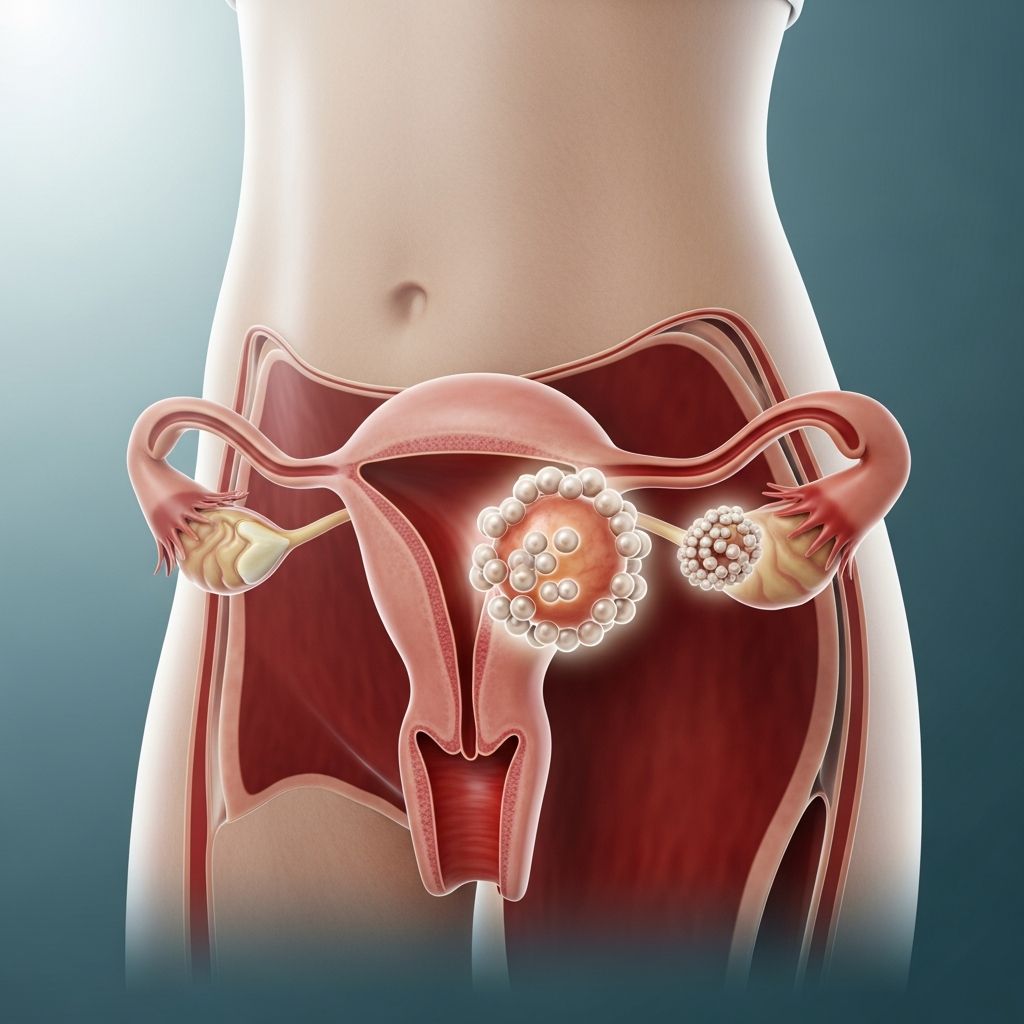
PCOS arises from complex hormonal imbalances where ovaries produce higher-than-normal androgens (male hormones), interfering with normal egg release and follicle development. Despite its name, not all affected women have visible ovarian cysts; the term refers to multiple small follicles observed on ultrasound due to irregular ovulation. The syndrome manifests differently across individuals, often involving reproductive irregularities, metabolic issues, and excess hair growth.
Key diagnostic hallmarks include oligo-ovulation or anovulation, hyperandrogenism (evidenced clinically or biochemically), and polycystic ovarian morphology on imaging. Globally, up to 70% of cases remain undetected, delaying intervention and raising risks for associated conditions.
Common Manifestations and Daily Impacts
Women with PCOS frequently report irregular menstrual cycles, such as infrequent or absent periods (oligomenorrhea or amenorrhea), which stem from disrupted ovulation. Excess androgens contribute to hirsutism (unwanted facial or body hair), acne, and androgenic alopecia (thinning scalp hair).
- Reproductive signs: Unpredictable ovulation leading to fertility challenges.
- Skin and hair changes: Oily skin, persistent acne, and increased hair in male-pattern areas.
- Metabolic symptoms: Weight gain, particularly central obesity, and insulin resistance signs like acanthosis nigricans (darkened skin patches).
- Other effects: Fatigue, mood disturbances, and sleep issues like obstructive sleep apnea.
These symptoms often emerge during adolescence but may intensify post-puberty, affecting quality of life and self-esteem.
Unraveling the Underlying Causes
The precise etiology of PCOS remains multifactorial, involving genetic predispositions, environmental influences, and lifestyle factors. Insulin resistance plays a pivotal role, present in up to 70% of cases, amplifying ovarian androgen production and exacerbating hyperandrogenism.
Genetic factors contribute, with familial clustering observed; first-degree relatives of affected women show higher risk. Low-grade inflammation and oxidative stress further compound ovarian dysfunction. Unlike previously thought, PCOS is not solely tied to obesity—many women maintain normal weight, though excess body fat worsens insulin sensitivity.
Diagnostic Approaches and Criteria
Diagnosis follows the Rotterdam criteria, requiring at least two of three features: irregular ovulation, clinical/biochemical hyperandrogenism, and polycystic ovaries on ultrasound (≥12 follicles of 2-9mm per ovary or ovarian volume >10mL).
Healthcare providers start with a thorough history, focusing on menstrual patterns, fertility concerns, and symptom duration. Physical exams assess for hirsutism, acne, and BMI. Blood tests measure androgens (testosterone, free androgen index), exclude other disorders (thyroid function, prolactin), and evaluate metabolic status (fasting glucose, lipids, 2-hour glucose tolerance).
Related Stories



Transvaginal ultrasound visualizes ovarian morphology, though pelvic ultrasound suffices in some cases. Differential diagnoses include congenital adrenal hyperplasia, Cushing’s syndrome, and thyroid disease.
| Diagnostic Test | Purpose | Key Findings in PCOS |
|---|---|---|
| Blood Hormone Panel | Assess androgens, insulin, glucose | Elevated testosterone, insulin resistance |
| Transvaginal Ultrasound | Examine ovaries | Multiple small follicles, increased volume |
| Pelvic Exam | Detect abnormalities | Hirsutism, obesity signs |
| Glucose Tolerance Test | Screen for diabetes risk | Impaired glucose response |
Early diagnosis is crucial, as PCOS elevates long-term risks for type 2 diabetes, cardiovascular disease, endometrial cancer, and mental health issues.
Comprehensive Management Strategies
Treatment tailors to symptoms, fertility goals, and comorbidities, emphasizing lifestyle modifications as first-line. Weight loss of 5-10% improves ovulation, insulin sensitivity, and androgen levels in overweight women.
Lifestyle Interventions
Balanced diet (low glycemic index, anti-inflammatory foods) combined with 150 minutes weekly moderate exercise yields significant benefits. Cognitive behavioral strategies address psychological burdens like anxiety and depression, common in 30-40% of cases.
Pharmacological Options
- Combined oral contraceptives: Regulate cycles, reduce androgens, alleviate hirsutism/acne.
- Anti-androgens (e.g., spironolactone): Target hair growth and acne, used with contraception.
- Metformin: Enhances insulin sensitivity, aids weight management and fertility.
- Fertility agents (e.g., clomiphene): Induce ovulation for conception.
For metabolic screening, annual checks of blood pressure, lipids, and glucose are recommended.
Fertility and Reproductive Health
PCOS accounts for 70-80% of anovulatory infertility. Lifestyle optimization restores ovulation in many; medications like letrozole outperform clomiphene in first-line therapy. Assisted reproduction (IVF) is reserved for refractory cases, with PCOS women showing good oocyte yields but higher miscarriage risk due to metabolic factors.
Pregnancy management includes metformin continuation to mitigate gestational diabetes risk, which is 3-4 times higher.
Long-Term Health Monitoring
Beyond reproduction, PCOS heightens type 2 diabetes (7-fold risk), cardiovascular events, and endometrial hyperplasia/cancer from unopposed estrogen. Postmenopausal women require vigilant cardiovascular and bone health screening.
Mental health support is vital; PCOS triples depression risk, necessitating integrated care models.
Living Well with PCOS: Practical Tips
Empowerment through education, support groups, and multidisciplinary care improves outcomes. Track cycles via apps, prioritize sleep, manage stress with mindfulness, and consult dietitians for sustainable nutrition plans.
Frequently Asked Questions (FAQs)
What triggers PCOS flare-ups?
Stress, poor diet, sedentary lifestyle, and hormonal shifts can worsen symptoms.
Can PCOS be cured?
No cure exists, but symptoms are highly manageable with lifestyle and medical interventions.
Does PCOS affect men?
PCOS is female-specific, though male relatives may share genetic metabolic traits.
Is PCOS linked to thyroid issues?
Hypothyroidism can mimic PCOS; routine screening differentiates them.
How does PCOS impact mental health?
Symptom burden and infertility stress elevate anxiety/depression; therapy is recommended.
Emerging Research and Future Directions
Ongoing trials explore GLP-1 agonists (e.g., semaglutide) for weight loss and ovulation restoration, inositols for insulin signaling, and anti-inflammatory agents. Personalized medicine, leveraging genetics and biomarkers, promises refined diagnostics and therapies.
International guidelines emphasize holistic, patient-centered care to bridge evidence-practice gaps.
References
- Polycystic ovary syndrome – World Health Organization (WHO) — World Health Organization. 2023-08-21. https://www.who.int/news-room/fact-sheets/detail/polycystic-ovary-syndrome
- PCOS (Polycystic Ovary Syndrome): Symptoms & Treatment — Cleveland Clinic. 2023-07-02. https://my.clevelandclinic.org/health/diseases/8316-polycystic-ovary-syndrome-pcos
- Polycystic Ovary Syndrome (PCOS) – Diagnosis and treatment — Mayo Clinic. 2023-11-27. https://www.mayoclinic.org/diseases-conditions/pcos/diagnosis-treatment/drc-20353443
- Polycystic Ovary Syndrome (PCOS) — Merck Manuals. 2023-05-01. https://www.merckmanuals.com/professional/gynecology-and-obstetrics/abnormal-uterine-bleeding/polycystic-ovary-syndrome-pcos
- Polycystic Ovary Syndrome: A Comprehensive Review of … — National Center for Biotechnology Information (PMC). 2022-01-19. https://pmc.ncbi.nlm.nih.gov/articles/PMC8775814/
- Recommendations from the 2023 International Evidence-based … — American Society for Reproductive Medicine (ASRM). 2023-06-01. https://www.asrm.org/practice-guidance/practice-committee-documents/recommendations-from-the-2023-international-evidence-based-guideline-for-the-assessment-and-management-of-polycystic-ovary-syndrome/
Similar Articles








Read full bio of Sneha Tete