Polymethyl Methacrylate (PMMA): 5 Risks, Uses, And Safety
Comprehensive guide to PMMA, its uses in dermatology, cosmetic fillers, and associated risks and treatments.
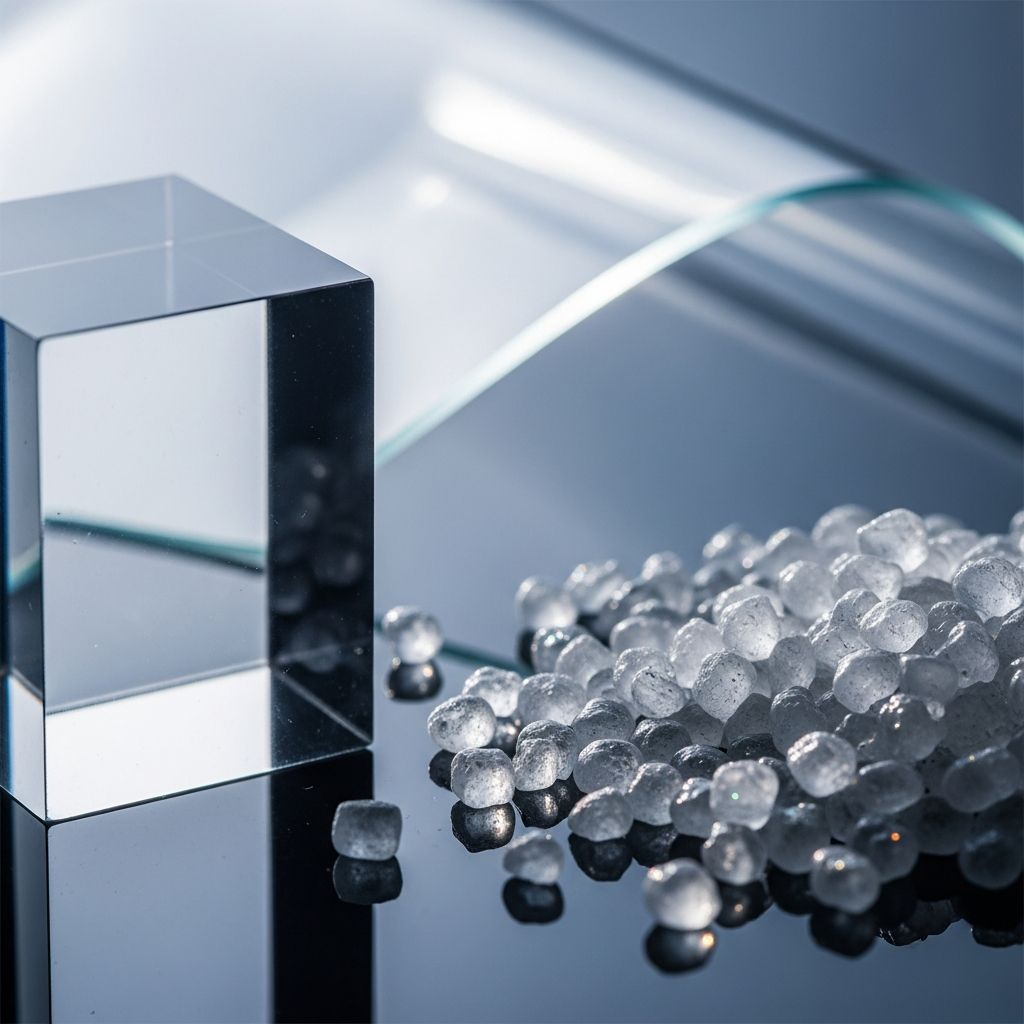
Polymethyl methacrylate (PMMA) is a transparent thermoplastic, often referred to as acrylic or plexiglass, widely used as a permanent dermal filler in dermatology for correcting deep wrinkles, folds, and depressed scars. PMMA microspheres suspended in a collagen gel provide volume and stimulate collagen production for long-lasting results.
What is PMMA?
PMMA is a synthetic polymer derived from methyl methacrylate monomer. In dermatological applications, it consists of tiny PMMA microspheres (typically 30-50 micrometers in diameter) suspended in a bovine collagen carrier gel with 0.3% lidocaine for injection comfort. The microspheres are non-biodegradable, remaining permanently in the skin to support tissue structure, while the collagen gel provides initial volume and resorbs over 2-4 months.
PMMA’s biocompatibility stems from its inert nature and smooth spherical particles, which minimize immune responses compared to irregular fillers. It has been used medically since the 1940s, initially for intraocular lenses and bone cement, before cosmetic adoption in the 1980s.
Historical aspects
The use of PMMA in medicine dates to World War II, when British ophthalmologist Harold Ridley observed that PMMA fragments from shattered Spitfire canopies caused minimal inflammation in pilots’ eyes, unlike glass. This led to the first intraocular lens implant in 1949.
In orthopedics, PMMA bone cement was introduced in 1960 for hip arthroplasty fixation. Dermatological use began with collagen-PMMA mixtures like Artecoll (approved in Canada 1996, EU 1994) and Artefill (FDA-approved 2006 for nasolabial folds).
Chemical structure and properties
PMMA’s chemical formula is [CH2C(CH3)(COOCH3)]n. It is formed by free-radical polymerization of methyl methacrylate. Key properties include:
- High transparency (92% light transmission)
- Excellent biocompatibility and hemocompatibility
- Brittle under impact but high compressive strength (85-110 MPa)
- Low water absorption (<0.5%)
- Biologically inert, non-absorbable
These make PMMA ideal for permanent implants.
Types of PMMA fillers
Artecoll® / Arteplast®: 25% PMMA microspheres in 75% collagen gel.
Artefill®: 20% PMMA in 80% collagen (purified, triple-filtered bovine collagen Types I and III). FDA-approved for HIV-related facial atrophy and nasolabial folds.
Indications
PMMA is indicated for:
- Correction of severe nasolabial folds
- Deep rhytides and atrophic acne scars
- HIV-associated facial lipoatrophy
- Volume restoration in cheeks, marionette lines, and oral commissures
Not suitable for lips, thin skin areas, or dynamic wrinkles.
Procedure
PMMA injection requires topical anesthesia, nerve blocks, or tumescent techniques. Using a 27-30G needle or 30G cannula:
- Tunnel 3-4mm deep into mid-to-deep dermis/subcutis
- Inject 0.1mL aliquots slowly while withdrawing (retrograde linear threading)
- Massage to distribute evenly
- Total volume per session: 1-4mL per area
Effects visible immediately; collagen gel resorbs in months, replaced by host collagen. Full results in 3-6 months; lasts 5+ years.
Related Stories



Contraindications
- Bovine collagen allergy (requires pre-treatment skin test)
- Active skin infection/inflammation
- Keloid/hypertrophic scarring tendency
- Autoimmune diseases
- Pregnancy/breastfeeding
- Immunosuppression
Avoid in mobile areas (lips, periorbit), vascular-rich zones, or thin skin.
Adverse reactions
PMMA complications (incidence 1-10%) include:
| Reaction | Frequency | Onset |
|---|---|---|
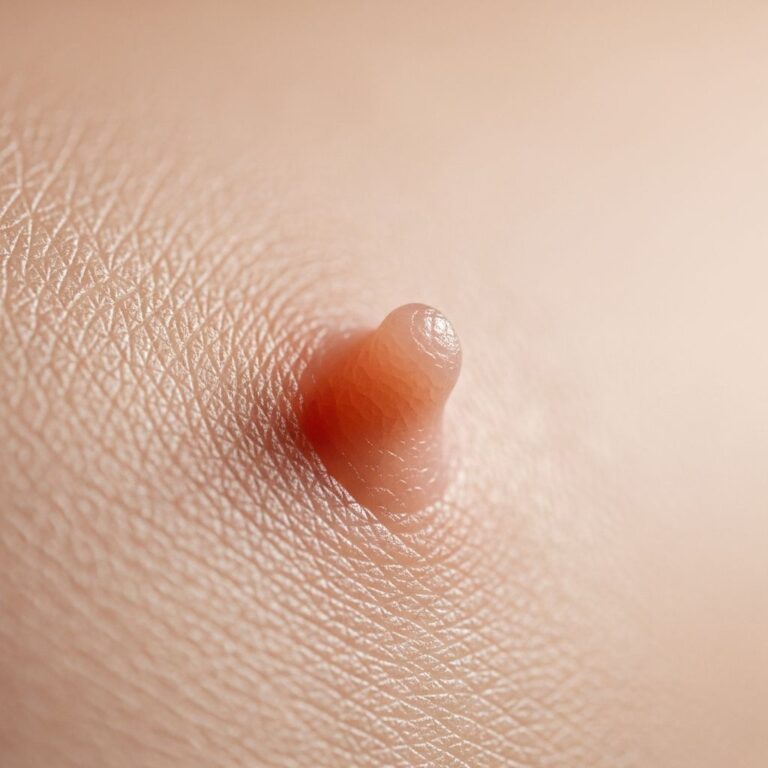
| Persistent nodules/granulomas | Common | Weeks-months |
| Inflammatory reactions | Occasional | Immediate-delayed |
| Infection/abscess | Rare | Weeks |
| Vascular occlusion | Rare | Immediate |
| Tyndall effect | Rare | Weeks |
Foreign body granulomas most common late complication.
Histopathology
Granulomas show palisading histiocytes around PMMA spheres with multinucleated giants, lymphocytes, and fibrosis. Early: acute inflammation; late: chronic granulomatous.
Prevention
- Proper patient selection and skin testing
- Conservative injection volumes/technique
- Aseptic protocol
- Post-care: ice, avoid pressure/massage 48hrs
Experienced injectors reduce risks.
Management
Conservative
- Topical high-potency steroids ± occlusion
- Intralesional triamcinolone (10-40mg/mL, 0.1mL/cm²)
- 5-FU (25-50mg/mL) or bleomycin
- Minocycline/doxycycline 100mg BID
- Allopurinol 100mg TID (anti-inflammatory)
Interventional
- Corticosteroids ± 5-FU (60-80% success)
- RF ablation/microneedling
- Laser (CO2, Nd:YAG)
- Surgical excision (nodular/scarring cases)
Response in 4-12 weeks; multiple sessions often needed. Recurrence possible.
Outcomes
PMMA provides superior longevity vs. HA fillers (5-15 years). 87% satisfaction at 2 years (Artefill trials). Risks higher in off-label use.
Alternatives
| Filler | Duration | Reversibility |
|---|---|---|
| HA (Juvederm, Restylane) | 6-18 months | Yes (hyaluronidase) |
| CaHA (Radiesse) | 12-18 months | Partial |
| PLLA (Sculptra) | 2 years | No |
| Autologous fat | Variable | Partial |
HA preferred for safety/reversibility.
FAQ
Is PMMA permanent?
Yes, PMMA microspheres are non-biodegradable, lasting indefinitely. Collagen carrier resorbs.
Does PMMA migrate?
Rarely if injected properly (>3mm deep). Smaller particles or superficial placement increase risk.
Can PMMA be removed?
Partially via surgery/excision. No enzymatic dissolution.
Who should inject PMMA?
Experienced dermatologists/plastic surgeons only.
Cost comparison?
$800-1500/syringe; fewer treatments offset initial expense.
References
- Introduction to the Properties and Uses of Polymethyl Methacrylate (PMMA) — NovusLS. 2023. https://www.novusls.com/post/introduction-to-the-properties-and-uses-of-polymethyl-methacrylate-pmma
- Know Your Materials: Polymethyl Methacrylate (PMMA/Acrylic) — SyBridge Technologies. 2024. https://sybridge.com/polymethyl-methacrylate-pmma/
- Poly(methyl methacrylate) — Wikipedia (citing primary sources). 2024. https://en.wikipedia.org/wiki/Poly(methyl_methacrylate)
- Medical Polymethyl Methacrylate (PMMA) Suppliers — Qmed+. 2024. https://qmed.com/polymethyl-methacrylate-pmma-code006381.html
- Polymethyl methacrylate Safety Profile — U.S. Food and Drug Administration (FDA). 2022-10-18. https://www.fda.gov/media/158494/download
- What is PMMA and How Is It Used in Healthcare — Ansys. 2023. https://www.ansys.com/blog/what-is-pmma-how-it-is-used-healthcare
Similar Articles








Read full bio of Sneha Tete