Polymorphic Light Eruption: Key Symptoms, Causes & Treatments
Understanding polymorphic light eruption: causes, symptoms, diagnosis, and effective management strategies for this common sun-induced rash.
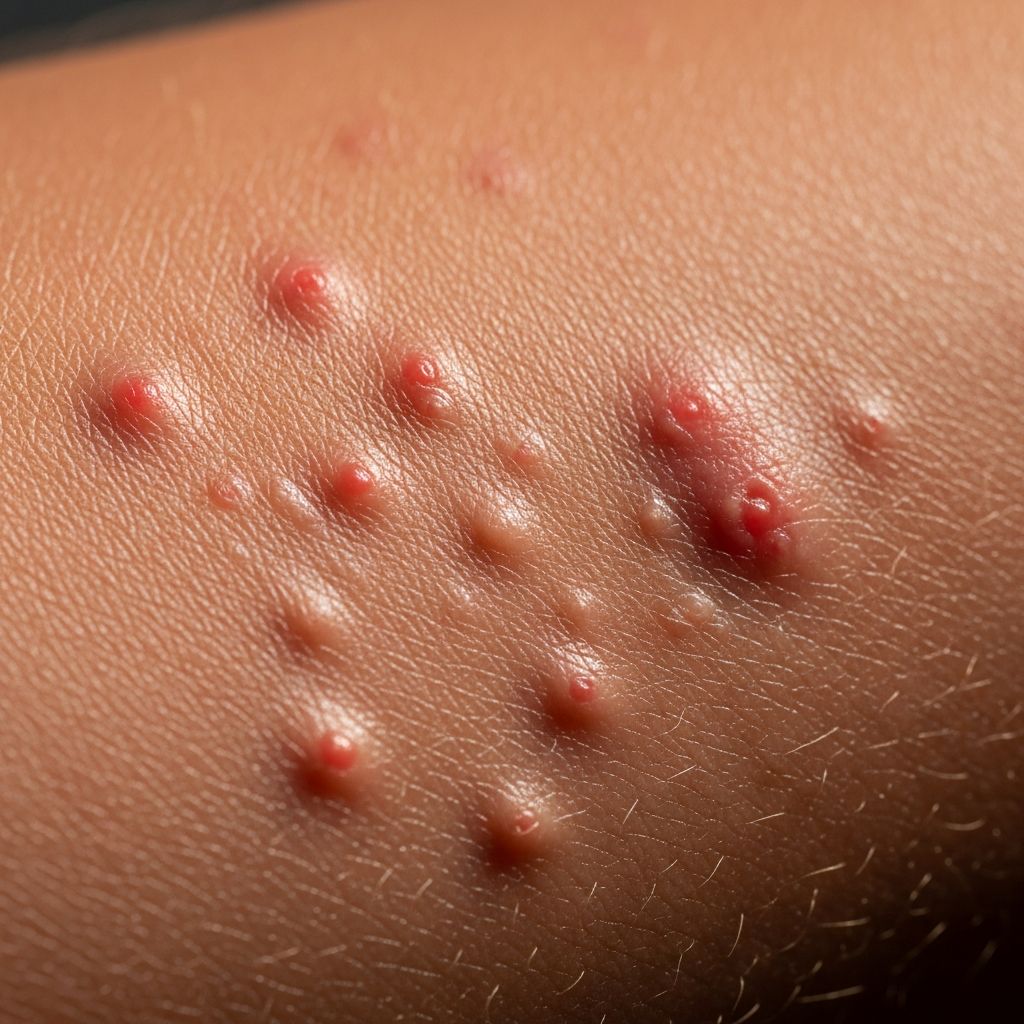
Polymorphic light eruption (PLE), also known as polymorphous light eruption (PMLE), is the most common immunologically mediated photosensitivity disorder, affecting up to 15% of people worldwide, particularly in temperate climates. It manifests as a recurrent, itchy rash on sun-exposed skin after first intense ultraviolet (UV) exposures of spring or summer, resolving without scarring within 7–14 days.
What is polymorphic light eruption?
PLE is a seasonal photodermatosis characterized by an abnormal delayed hypersensitivity reaction to UV radiation, primarily UVA but sometimes UVB or visible light. Unlike normal skin, which responds to UV with immunosuppression, PLE patients exhibit increased CD4 and CD8 T-lymphocyte infiltration and inflammation in the epidermis and dermis due to a photo-induced antigen, though the exact antigen remains unidentified. The condition typically spares chronically exposed areas like the face and hands due to a ‘skin hardening’ effect from melanin increase and stratum corneum thickening, restoring normal UV tolerance.
First described in the 19th century, PLE presents polymorphously (‘many forms’) with varied morphologies including papules, vesicles, plaques, or eczematous changes, hence its name. It often follows 30 minutes to several hours of sun exposure, peaking in spring/early summer when skin is most sensitive after winter pallor.
Who gets polymorphic light eruption?
PLE predominantly affects fair-skinned individuals in temperate regions (e.g., UK, Northern Europe), with prevalence estimates of 10–20%. It is more common in women (3:1 female-to-male ratio), starting in the second or third decade of life, though it can occur at any age including childhood. Familial clustering occurs in 10–63% of cases, suggesting genetic susceptibility combined with environmental triggers.
Less frequent in darker skin types and tropical climates due to chronic UV exposure inducing tolerance. Post-menopausal women often experience reduced severity. Hereditary variants like actinic prurigo (in Amerindians) are distinct and excluded from PLE definitions.
What causes polymorphic light eruption?
The precise cause is unknown, but UV radiation (mainly UVA, penetrating deeper into skin) alters skin compounds, provoking an immune overreaction in genetically predisposed individuals. This delayed-type (type IV) hypersensitivity impairs normal UV-induced immune suppression.
Triggers include natural sunlight or artificial UV sources (e.g., tanning beds). Initial exposures after winter provoke eruptions; repeated short exposures may worsen it before resolution, while prolonged exposure induces hardening. Environmental factors like latitude and altitude influence incidence.
What are the clinical features of polymorphic light eruption?
Symptoms emerge minutes to 2–3 days post-exposure, lasting days to two weeks, self-resolving without scars. Common sites: upper chest (V-neck area), arms, dorsal hands, lower legs—areas covered in winter. Face and palms rarely affected due to hardening.
- Classic morphology: Discrete pink-red papules (1–5 mm), often in clusters.
- Vesicles/blisters: Small fluid-filled on erythematous base.
- Plaques: Larger raised patches, eczematous or urticarial.
- Other forms: Bruising-like, targetoid lesions, or rarely bullae.
Symptoms: Intense itch or burning, occasionally pain. Worsens with re-exposure. Seasonal pattern: debuts spring, fades autumn as tolerance builds.
Diagnosis
PLE is primarily clinical, based on history of recurrent sun-induced polymorphic rash in non-sun-damaged skin, resolving spontaneously. Phototesting (UVA/UVB exposure on forearm) reproduces eruption in 80–90% of cases, confirming diagnosis and action spectrum, though not routine.
Related Stories



Differential diagnosis:
- Juvenile spring eruption (boys, ears).
- Actinic prurigo (lips, persistent).
- Photocontact dermatitis (streaks).
- Lupus erythematosus, solar urticaria (immediate).
Biopsy rarely needed, shows perivascular lymphocytic infiltrate.
Treatment of polymorphic light eruption
Most mild cases self-resolve; treatment targets symptoms and prevention. Strategies divide into first-line (behavioral) and second-line (medical).
First-line: Sun protection
Essential: broad-spectrum SPF50+ sunscreen (reapply 2-hourly), protective clothing, hats, shade-seeking, avoiding peak sun (10am–4pm).
Symptomatic relief
- Topical corticosteroids: Potent agents (e.g., clobetasol) for mild-moderate rash, reducing inflammation/itch.
- Oral corticosteroids: Short prednisone course (e.g., 0.5mg/kg x 5 days) for severe outbreaks.
- Antihistamines: Sedating types (e.g., hydroxyzine) for itch.
- Moisturizers/cool compresses: Soothe irritation.
Prophylactic therapies (severe/refractory)
For frequent severe PLE:
- Phototherapy: Narrowband UVB (NBUVB) or UVA1 in early spring (2–3x/week x 4–6 weeks) induces hardening; 70–90% effective.
- Photochemotherapy (PUVA): Psoralen + UVA; more effective but higher side effects (nausea, burns).
Other agents: beta-carotene, antimalarials (hydroxychloroquine), immunosuppressants (e.g., azathioprine) as third-line.
| Treatment | Efficacy | Side Effects |
|---|---|---|
| Sun protection | High (preventive) | None |
| Topical steroids | Moderate | Skin atrophy |
| NBUVB phototherapy | High (70-90%) | Burns, pigmentation |
| PUVA | High | Nausea, skin cancer risk |
What is the outcome for polymorphic light eruption?
PLE is benign, self-limiting per episode. ~60% improve/resolve by 15 years, 75% by 30 years with cumulative exposure. Severity often decreases post-menopause. No scarring; rare complications if untreated (secondary infection).
Prevention of polymorphic light eruption
- Gradual pre-spring sun exposure to build tolerance.
- Daily high-SPF sunscreen (UVA/UVB).
- UVA-blocking window films, UPF clothing.
- Prophylactic phototherapy for high-risk individuals.
Frequently Asked Questions
Is polymorphic light eruption contagious?
No, PLE is not contagious; it’s an individual immune response to UV light.
Can polymorphic light eruption be cured?
Not curable but manageable; many outgrow it over decades.
Does polymorphic light eruption affect the face?
Rarely, due to chronic exposure causing hardening.
Is tanning bed use safe for PLE sufferers?
No; artificial UV often triggers eruptions.
How long does a PLE rash last?
Typically 7–14 days, resolving spontaneously.
References
- Interventions for polymorphic light eruption — Cochrane Database Syst Rev (PMC). 2015-04-28. https://pmc.ncbi.nlm.nih.gov/articles/PMC6485352/
- Polymorphic light eruption — NHS UK. 2023-06-12. https://www.nhs.uk/conditions/polymorphic-light-eruption/
- Polymorphic Light Eruption | PLE Treatment — OneWelbeck. 2024-01-15. https://onewelbeck.com/conditions/polymorphic-light-eruption/
- Polymorphic light eruption (PMLE) — DermNet NZ. 2024-05-20. https://dermnetnz.org/topics/polymorphic-light-eruption
- Polymorphous Light Eruption (PMLE) — Cleveland Clinic. 2023-11-08. https://my.clevelandclinic.org/health/diseases/17888-polymorphous-light-eruption-pmle
Similar Articles








Read full bio of Sneha Tete