Polymyalgia Rheumatica: Symptoms, Diagnosis, Treatment Guide
Understanding polymyalgia rheumatica: symptoms, diagnosis, treatment options, and living strategies for effective management.
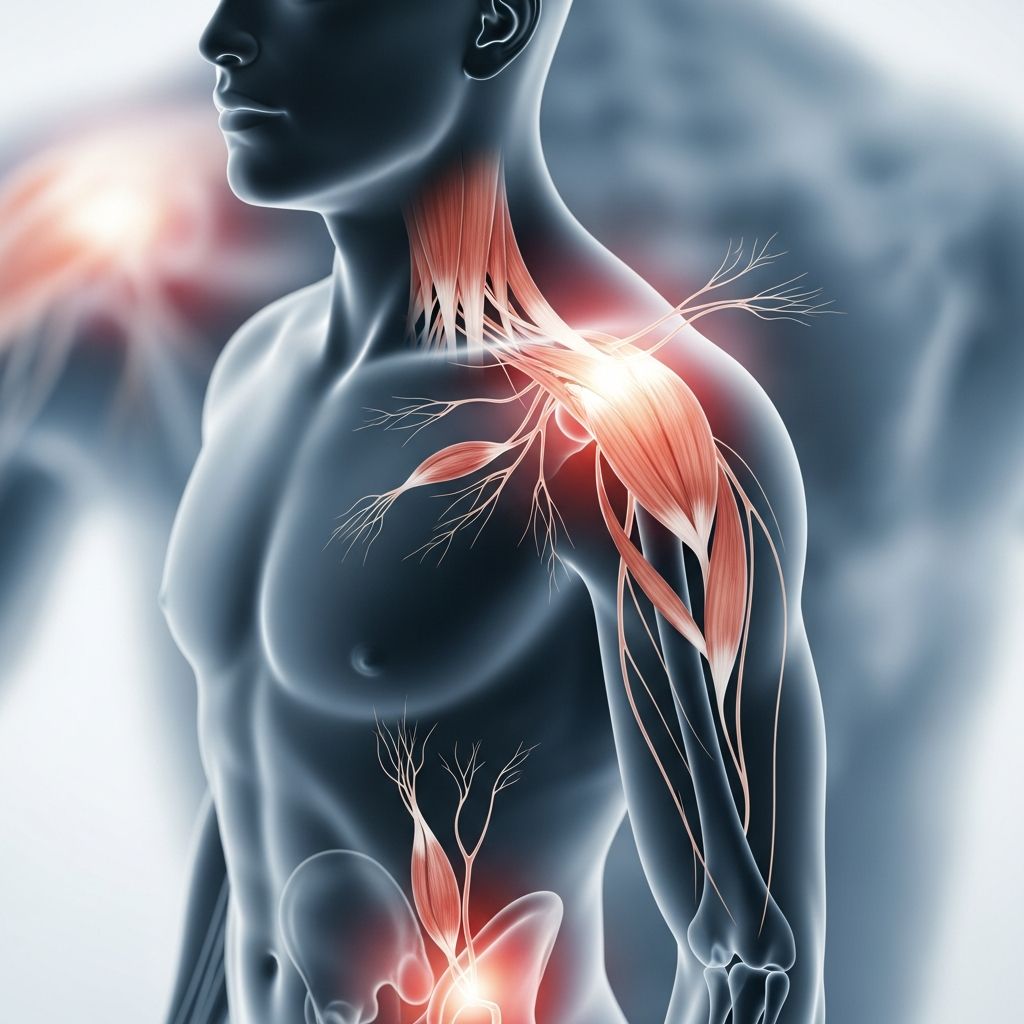
Polymyalgia rheumatica (PMR) is an inflammatory disorder that primarily affects people over the age of 50, causing significant muscle pain and stiffness, particularly in the shoulders, neck, and hips. This condition develops rapidly and can severely impact daily activities due to morning stiffness lasting over 30 minutes.
What is polymyalgia rheumatica?
Polymyalgia rheumatica is a syndrome characterized by widespread aching and stiffness, most commonly in the upper arms, neck, lower back, and thighs. It is not caused by medications or confused with fibromyalgia, which affects younger individuals without arthritis. PMR is an autoimmune-related inflammatory condition where the immune system mistakenly attacks healthy tissues, leading to inflammation.
The exact cause remains unknown, but genetic factors play a role, as it is more common in white people of Northern European ancestry. Environmental triggers may include viral infections, seasonal flu vaccines, or possibly COVID-19 vaccines, though the latter link is debated. Associations exist with microbiome imbalances, such as those seen in diverticulitis.
Who gets polymyalgia rheumatica?
PMR predominantly affects individuals over 65, rarely occurring under 50. Women are two to three times more likely to develop it than men. Risk factors include age above 50, family history of autoimmune diseases, and Northern European descent. It is more prevalent in white populations.
- Age: Primarily over 65 years old.
- Gender: More common in women.
- Ethnicity: Higher incidence in those of Northern European background.
- Genetics: Family history increases susceptibility.
Symptoms
Symptoms of PMR develop quickly, often over days or weeks, and are bilateral, affecting both sides of the body. The hallmark is severe pain and stiffness in the shoulders, neck, and pelvic girdle (hips and thighs), worst in the morning or after inactivity, improving with movement throughout the day.
Additional symptoms include:
- General fatigue and low-grade fever.
- Unexpected weight loss and loss of appetite.
- Muscle weakness and overwhelming tiredness (fatigue).
- Low mood, anxiety, or depression due to persistent discomfort.
- Nighttime pain disrupting sleep.
Stiffness can last at least 45 minutes in the morning, distinguishing it from post-exercise soreness. About 10-15% of PMR cases are associated with giant cell arteritis (GCA), which adds headaches, jaw pain, scalp tenderness, and vision problems.
Association with giant cell arteritis (temporal arteritis)
PMR shares a close link with giant cell arteritis (GCA), also known as temporal arteritis, affecting 10-20% of PMR patients. GCA involves inflammation of arteries in the head, potentially leading to serious complications like vision loss if untreated. Symptoms of GCA include severe headaches, scalp sensitivity, jaw pain when chewing, and sudden vision changes.
Both conditions respond dramatically to corticosteroids like prednisone. Prompt treatment is crucial for GCA to prevent blindness. Regular monitoring is recommended for PMR patients over 60 to detect early GCA signs.
How is it diagnosed?
There is no single definitive test for PMR; diagnosis relies on clinical history, physical examination, and blood tests indicating inflammation. Key diagnostic criteria include bilateral shoulder and hip girdle pain, morning stiffness over 45 minutes, elevated inflammatory markers, and rapid response to low-dose steroids.
Blood tests commonly show:
| Test | Normal Range | In PMR |
|---|---|---|
| Erythrocyte Sedimentation Rate (ESR) | <20-30 mm/hr | Often >40 mm/hr, sometimes >100 mm/hr |
| C-Reactive Protein (CRP) | <10 mg/L | Elevated >20 mg/L |
| Plasma Viscosity | 1.50-1.72 | Increased |
Related Stories



Other tests like rheumatoid factor and anti-CCP antibodies are negative, ruling out rheumatoid arthritis. If suspected, a trial of 10-15 mg prednisone daily is diagnostic; dramatic improvement within days confirms PMR.
Ultrasound or MRI may reveal inflammation in bursae or tendons. If GCA is suspected, temporal artery biopsy or ultrasound is performed.
Treatment
The mainstay of PMR treatment is low-dose corticosteroids, typically prednisolone or prednisone at 12.5-25 mg daily, providing rapid relief within 1-3 days. Dosage is tapered gradually over 1-2 years based on symptoms and blood tests to prevent relapse.
- Initial dose: 15 mg prednisolone daily.
- Tapering: Reduce by 10% monthly once stable, aiming for <5 mg after 1-2 years.
- Monitoring: Regular blood tests for inflammation and bone density scans for osteoporosis risk.
For steroid-refractory cases or relapses (affecting 30-50%), IL-6 inhibitors like sarilumab (Kevzara), FDA-approved in 2023, allow steroid dose reduction. Other options include methotrexate or hydroxychloroquine as steroid-sparing agents.
Pain relief with NSAIDs or paracetamol may help initially, but they are less effective alone.
Follow-up
Regular rheumatologist follow-up is essential every 1-3 months initially, then less frequently. Monitoring includes symptom review, blood tests (ESR/CRP), blood pressure, weight, and bone health. A personalized tapering plan prevents flares.
Bone protection with calcium, vitamin D, and bisphosphonates (e.g., alendronate) is recommended for those on steroids >3 months, especially postmenopausal women.
Possible complications
Long-term steroid use risks include osteoporosis (with fractures), weight gain, high blood pressure, diabetes, cataracts, glaucoma, and infections. PMR itself rarely causes permanent damage but can lead to muscle atrophy from disuse.
GCA complications include blindness (15% untreated), stroke, or aortic aneurysm. Relapses occur in one-third, often upon steroid reduction.
Prognosis
With treatment, most PMR symptoms resolve within days, and full remission occurs in 1-2 years for 80-90% of patients. Some require longer therapy (up to 5 years). Relapses are common but manageable; permanent disability is rare with early intervention.
Living with polymyalgia rheumatica
Maintain gentle exercise like walking, swimming, or yoga to combat stiffness without overexertion. Weight-bearing activities support bone health. A balanced diet rich in calcium (dairy, greens) and vitamin D (sunlight, fortified foods) is vital. Quit smoking and limit alcohol to reduce osteoporosis risk.
Pace activities, use heat packs for stiffness, and join support groups like Arthritis Foundation or PMR networks. Mental health support addresses fatigue and mood changes.
Frequently Asked Questions (FAQs)
Q: Can PMR be cured?
A: PMR is not curable but highly treatable; symptoms usually remit within 1-2 years with steroids.
Q: Is PMR linked to cancer?
A: Rarely; some cases follow cancer treatments, but no strong causal link exists.
Q: How long do I need steroids?
A: Typically 12-24 months, tapered slowly to avoid relapse.
Q: Can exercise help PMR?
A: Yes, gentle daily activity reduces stiffness and maintains muscle strength.
Q: What if steroids don’t work?
A: Consider sarilumab or DMARDs; re-evaluate diagnosis.
References
- Polymyalgia Rheumatica — Arthritis Foundation. 2023. https://www.arthritis.org/diseases/polymyalgia-rheumatica
- Polymyalgia Rheumatica Treatment — Brigham and Women’s Hospital. 2024. https://www.brighamandwomens.org/medicine/rheumatology-inflammation-immunity/arthritis-and-joint-diseases-center/polymyalgia-rheumatica
- Polymyalgia Rheumatica — MedlinePlus (U.S. National Library of Medicine). 2024-01-10. https://medlineplus.gov/polymyalgiarheumatica.html
- Polymyalgia rheumatica – Diagnosis & treatment — Mayo Clinic. 2024. https://www.mayoclinic.org/diseases-conditions/polymyalgia-rheumatica/diagnosis-treatment/drc-20376545
- Polymyalgia Rheumatica — Arthritis Research UK. 2024. https://www.arthritis-uk.org/information-and-support/understanding-arthritis/conditions/polymyalgia-rheumatica-pmr/
- Polymyalgia rheumatica — NHS. 2023-11-07. https://www.nhs.uk/conditions/polymyalgia-rheumatica/
Similar Articles








Read full bio of medha deb