Polymyxin And Bacitracin Skin Ointment: Comprehensive Guide
Comprehensive guide to Polyfax ointment: uses, application, side effects, and precautions for treating bacterial skin infections effectively.
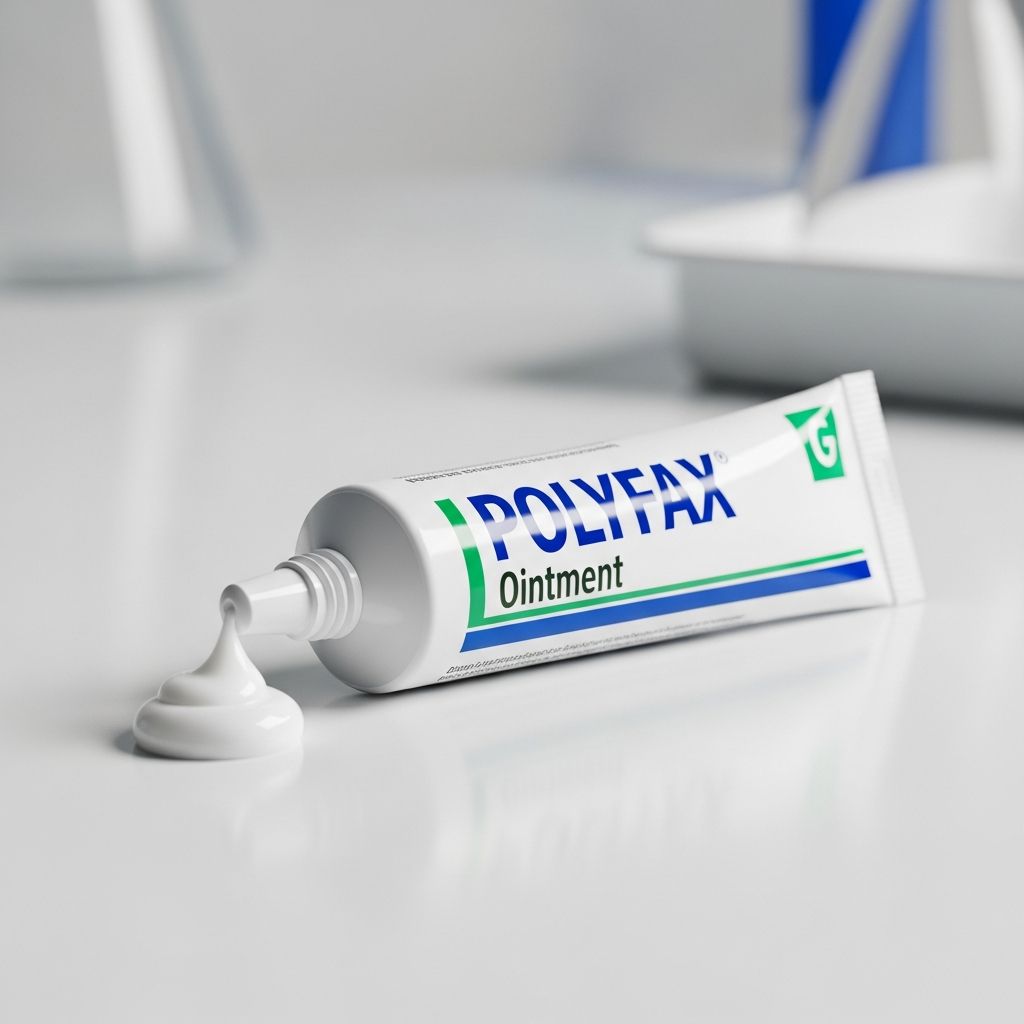
Polymyxin and bacitracin skin ointment, commonly known as Polyfax, is an antibiotic topical treatment designed to combat bacterial skin infections. It combines polymyxin B sulphate and bacitracin zinc to target and eliminate bacteria, promoting skin healing by addressing the underlying infection. This ointment is particularly useful for minor wounds, burns, and infected skin conditions, allowing the skin to recover more effectively once the bacterial threat is neutralized.
About Polymyxin and Bacitracin Ointment
Polyfax ointment belongs to the class of
anti-infective skin creams
specifically formulated forskin infections
caused by susceptible bacteria. It is also referred to as Polyfax® (now discontinued in some markets) and is available solely as anointment
.| Type of Medicine | Used For | Also Called | Available As |
|---|---|---|---|
| An anti-infective skin cream | Skin infections | Polyfax® (discontinued) | Ointment |
The active ingredients, polymyxin B sulphate (typically 10,000 IU/g) and bacitracin zinc (500 IU/g), work synergistically as antibacterials. Polymyxin B targets gram-negative bacteria by disrupting their cell membranes, while bacitracin inhibits gram-positive bacteria by interfering with cell wall synthesis. This combination makes Polyfax effective against a broad spectrum of skin pathogens.
Common uses include preventing infection in minor burns, cuts, scratches, surgical wounds, skin grafts, and treating infected skin from conditions such as eczema, dermatitis, psoriasis, scabies, folliculitis, and ecthyma. By eradicating bacteria, it reduces inflammation, soothes irritation, and supports natural healing processes. Improvement is typically noticeable within 4-5 days of consistent use.
Before Using Polymyxin and Bacitracin Ointment
Prior to applying Polyfax, consult your healthcare provider to ensure it is suitable, especially if certain conditions apply. Key precautions include:
- Allergies: Do not use if allergic to polymyxin B sulphate, bacitracin zinc, similar antibiotics, or any ingredients. Symptoms of allergy may include rash, itching, swelling of lips/tongue/throat, or breathing difficulties.
- Pregnancy or Breastfeeding: Inform your doctor, as safety data may be limited.
- Kidney Problems: Use with caution, as excessive absorption could affect kidneys.
- Children: Avoid excessive use; monitor closely due to higher absorption risk in young skin.
- Other Medications or Preparations: Disclose all topical products, prescriptions, over-the-counter items, herbal remedies, or complementary medicines, as interactions may occur.
- Restricted Areas: Not for large body areas, animal bites, deep punctures, serious burns, or eyes/mucous membranes unless directed.
Polyfax targets bacteria only and does not affect fungi or viruses, potentially allowing secondary infections if overused. Toxicity risks arise from high doses (e.g., over 200g/day), emphasizing the need for medical guidance.
How to Use Polymyxin and Bacitracin Ointment
Always read the manufacturer’s patient information leaflet (PIL) for detailed instructions and side effect lists.
- Preparation: Clean the affected area thoroughly, removing crusts, pus, or debris. Pat dry gently.
- Application: Apply a thin layer to infected areas only, using clean hands or applicator. Typically
twice daily
, but follow doctor’s advice—may be 1-3 times/day for adults and children. For severe cases, 2-3 applications may be advised. - Coverage: Optionally cover with a sterile bandage after application.
- Duration: Use until improvement (4-5 days); do not exceed without advice. If no change, consult your doctor.
- Missed Dose: Apply as soon as remembered unless near next dose; skip and resume schedule—do not double.
Related Stories



For specific scenarios:
- Minor cuts/scrapes/burns: Prevent/treat infection risk.
- Surgical wounds/skin grafts: Post-procedure infection prevention.
- Infected eczema/psoriasis: Reduce bacterial load and inflammation.
Can Polymyxin and Bacitracin Ointment Cause Problems?
Polyfax is generally well-tolerated, but minor issues can occur:
- Common Side Effects: Skin irritation, redness, itching, or rash at application site. These are usually mild.
- Serious Reactions: Severe irritation, allergic responses (hives, swelling, anaphylaxis), or worsening infection. Stop use and seek medical help immediately.
- Overuse Risks: Antibiotic resistance, fungal overgrowth, kidney toxicity from absorption, especially in children or large areas.
Report persistent or severe symptoms to your doctor or pharmacist. Long-term use is discouraged to prevent resistance.
How to Store Polymyxin and Bacitracin Ointment
Store Polyfax ointment at room temperature, away from heat, moisture, and direct sunlight. Keep the tube tightly closed. Do not use after expiry date. Discard unused portions after treatment or as advised. Keep out of reach of children.
Important Information About All Medicines
This ointment is for external skin use only. Avoid contact with eyes, mouth, or mucous membranes. Wash hands before/after application unless treating hands. In case of accidental ingestion, seek emergency care. Not a substitute for professional medical advice—consult for personalized guidance.
Frequently Asked Questions (FAQs)
Q: What is Polyfax ointment used for?
A: Polyfax treats and prevents bacterial skin infections from minor cuts, burns, scratches, surgical wounds, and conditions like eczema, dermatitis, and folliculitis.
Q: How often should I apply Polyfax?
A: Typically twice daily to affected areas, or 1-3 times as directed by your doctor. Notice improvement in 4-5 days.
Q: Can children use Polyfax ointment?
A: Yes, but use sparingly under medical supervision due to higher absorption risks.
Q: What if I’m allergic to antibiotics?
A: Avoid if allergic to bacitracin, polymyxin B, or similar; symptoms include rash or swelling. Consult alternatives.
Q: Does Polyfax treat fungal infections?
A: No, it only targets bacteria; overuse may promote fungal growth.
Q: Is Polyfax available over-the-counter?
A: Availability varies; some regions offer it OTC, but consult a doctor for proper use.
This comprehensive guide ensures safe and effective use of Polyfax ointment. Always prioritize professional medical advice for skin health concerns.
References
- Bacitracin and Polymyxin B (Topical Application Route) Description — Mayo Clinic. 2023-10-01. https://www.mayoclinic.org/drugs-supplements/bacitracin-and-polymyxin-b-topical-application-route/description/drg-20492044
- Polymyxin and Bacitracin Skin Ointment – Patient.info — Patient.info. 2024-05-15. https://patient.info/medicine/polymyxin-and-bacitracin-skin-ointment-polyfax
- Polyfax Ointment PIL — Health Products Regulatory Authority (HPRA). 2015-07-29. https://assets.hpra.ie/products/Human/19051/Polyfax-pil-clean-2165734-654811b4-526f-4d2a-953d-5c50f84adcc1-635736032579060000-2165734-29072015114435-635737670767392500.pdf
- Bacitracin/Polymyxin B Topical Details — WebMD. 2024-08-20. https://www.webmd.com/drugs/2/drug-15796/polysporinbacitracin-base-topical/details
- Bacitracin 500 unit-Polymyxin B 10,000 unit/gram Topical Ointment — Kaiser Permanente. 2024-03-12. https://healthy.kaiserpermanente.org/health-wellness/drug-encyclopedia/drug.bacitracin-500-unit-polymyxin-b-10-000-unit-gram-topical-ointment.273890
- Neomycin, Polymyxin, and Bacitracin Topical — MedlinePlus (U.S. National Library of Medicine). 2024-11-05. https://medlineplus.gov/druginfo/meds/a601098.html
Similar Articles








Read full bio of medha deb