Polyphasic Sleep: Risks, Benefits, And What To Know
What polyphasic sleep is, its schedules, purported benefits, risks, and whether it's safe or effective for most people.

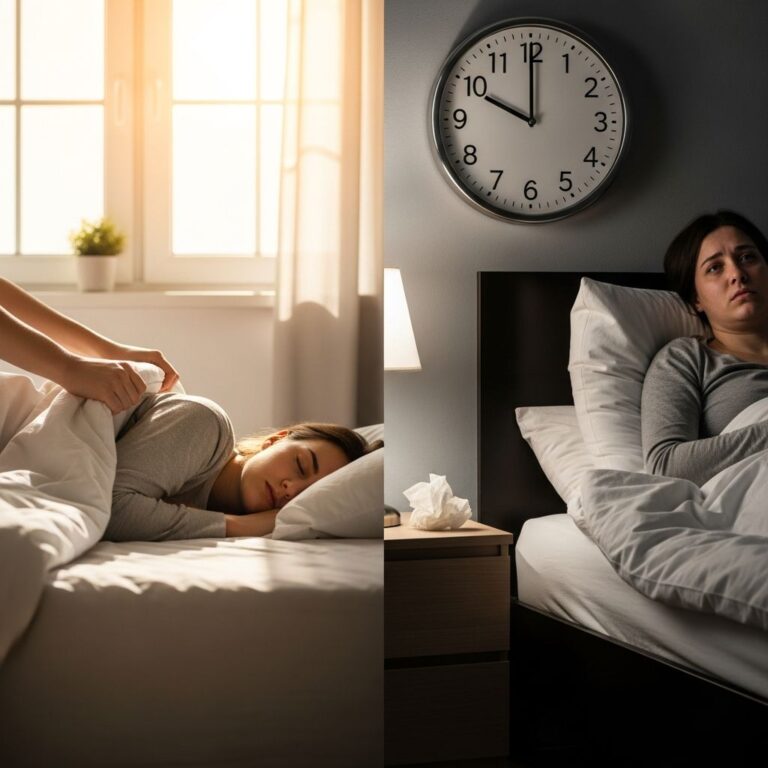
Polyphasic sleep refers to any sleep pattern involving more than two sleep periods in a 24-hour day, contrasting with the common monophasic schedule of one continuous nighttime sleep block. While some advocate for it to maximize waking hours, scientific evidence shows it often leads to sleep deprivation and health risks.
What Is Polyphasic Sleep?
Most adults follow a
monophasic sleep
schedule, sleeping once per night for 7-9 hours.Biphasic sleep
adds one nap, common in some cultures with an afternoon siesta.Polyphasic sleep
expands this to three or more segments, often shortening total sleep time to increase productivity.Infants naturally sleep polyphasically until around 3 months old, with frequent short sleeps. Some animals and shift workers also adopt it out of necessity. Proponents, including historical figures like Leonardo da Vinci (anecdotal), claim adaptation allows thriving on 2-4 hours total sleep via naps capturing REM-rich stages.
However, research finds no evidence humans adapt physiologically to reduced sleep this way. The body’s circadian rhythm prefers consolidated sleep for full cycles of light, deep, and REM stages essential for restoration.
Types of Polyphasic Sleep Schedules
Several named schedules exist, varying in core sleep and naps. Total sleep often falls below recommended 7-9 hours, aiming for efficiency. Here’s a breakdown:
| Schedule | Core Sleep | Naps | Total Sleep | Description |
|---|---|---|---|---|
| Uberman | None | 6 x 20 min every 4 hours | ~2 hours | Extreme; no long sleep, constant naps. High adaptation failure rate. |
| Dymaxion | None | 4 x 30 min every 6 hours | 2 hours | Developed by Buckminster Fuller; unsustainable long-term. |
| Everyman | 3 hours | 3 x 20 min | ~4 hours | More feasible; one core plus naps. |
| Everyman 2 | 3 hours | 2 x 20 min | ~3.7 hours | Slightly less napping. |
| Siesta | 5-6 hours | 1 x 90 min afternoon | ~7 hours | Biphasic-like, closer to natural. |
These derive from online communities; no clinical validation exists. Adaptation periods claim 1-4 weeks of severe deprivation before benefits, but studies refute this.
History of Polyphasic Sleep
Polyphasic patterns trace to pre-industrial eras when segmented night sleep (“first” and “second” sleep) was common, separated by wakefulness. Modern revival stems from biohacker forums in the 2000s, popularized by Uberman/Dymaxion for hackers seeking extra hours.
Figures like Nikola Tesla and Thomas Edison reportedly napped minimally, fueling myths. Solo sailors use it for races, banking sleep via short bursts when not on watch. Despite lore, no evidence shows historical polyphasic sleepers outperformed monophasic peers.
Potential Benefits of Polyphasic Sleep
Anecdotal claims dominate: heightened alertness, productivity, lucid dreaming. Science is scant and unsupportive.
- Increased Productivity: More wake time seems productive, but sleep loss impairs efficiency, cognition.
- Shift Work Aid: May suit irregular hours better than no sleep, but disrupts circadian rhythm, raising accident risk.
- Lucid Dreaming: Frequent awakenings boost reports, per one study.
- Memory/Learning: Naps aid consolidation; one child study showed word retention post-nap. Adult benefits unproven for polyphasic totals.
- Reduced Reaction Time: Counterfactually, deprivation slows reactions; drowsy driving causes thousands of crashes yearly.
In emergencies (e.g., travel, sailing), short naps mitigate total deprivation better than none.
Related Stories



Risks and Side Effects of Polyphasic Sleep
Dominating evidence highlights dangers, especially reduced-total schedules.
- Sleep Deprivation: Below 7 hours chronically risks anxiety, depression, hypertension, diabetes, obesity, heart disease, stroke, weakened immunity.
- Circadian Disruption: Irregular patterns mimic jet lag; students showed poorer academics despite equal hours.
- Performance Decline: Impaired vigilance, decision-making; review of 22 studies found no benefits, only adverse outcomes.
- Mental Health: Psychosis risk; fragmented sleep skips deep stages for repair.
- Safety: Slower reactions increase accidents.
Experts warn bodies need sequential cycles; chopping sleep prevents full recovery. A 2021 review deemed polyphasic (beyond naps) unsafe.
Does Polyphasic Sleep Work?
No. No studies show adaptation to 2-5 hour totals with normal function. Personal successes likely placebo or unsustainable. PubMed review: polyphasic linked to physical/mental/performance harms. For optimal health, prioritize consolidated 7-9 hours.
Who Might Benefit?
Rare cases: extreme shift workers, sailors where monophasic impossible. Even then, aim for 7+ hours total via naps. New parents/babies follow naturally but transition to monophasic for development.
Avoid if possible; siesta (biphasic) safer if napping needed.
Frequently Asked Questions (FAQs)
What is the difference between monophasic, biphasic, and polyphasic sleep?
Monophasic: one block (night). Biphasic: two (night + nap). Polyphasic: 3+ segments.
Can you really survive on 2 hours of polyphasic sleep?
No; leads to deprivation. No adaptation evidence.
Is polyphasic sleep good for productivity?
Anecdotally yes, but scientifically impairs cognition.
What are the health risks of Uberman schedule?
Severe: chronic disease, mental health issues, accidents.
Should shift workers try polyphasic sleep?
Possibly for survival, but consolidate sleep when able to protect circadian health.
Alternatives to Polyphasic Sleep
- Consistent 7-9 hour monophasic.
- Biphasic with 20-30 min nap.
- Sleep hygiene: dark room, no screens.
Consult doctors for disorders; track with apps.
References
- Polyphasic Sleep: Benefits and Risks — Sleep Foundation. 2023. https://www.sleepfoundation.org/how-sleep-works/polyphasic-sleep
- Polyphasic Sleep: Potential Benefits, Risks, If You Should Try It — Healthline. 2023. https://www.healthline.com/health/polyphasic-sleep
- Adverse impact of polyphasic sleep patterns in humans — PubMed (Aviation, Space, and Environmental Medicine). 2021-04-01. https://pubmed.ncbi.nlm.nih.gov/33795195/
- Biphasic and polyphasic sleep: What is it and is it good for you? — Medical News Today. 2023. https://www.medicalnewstoday.com/articles/319425
- A Sleep Expert Warns Against “Unhealthy” Polyphasic Sleep Trend — Good Housekeeping. 2024. https://www.goodhousekeeping.com/health/wellness/a63229244/polyphasic-sleep/
Similar Articles








Read full bio of medha deb