Polyvinyl Alcohol Eye Drops: Uses, Safety, And How To Use
Effective artificial tears for relieving dry eye symptoms: usage, dosage, side effects, and storage guidelines.
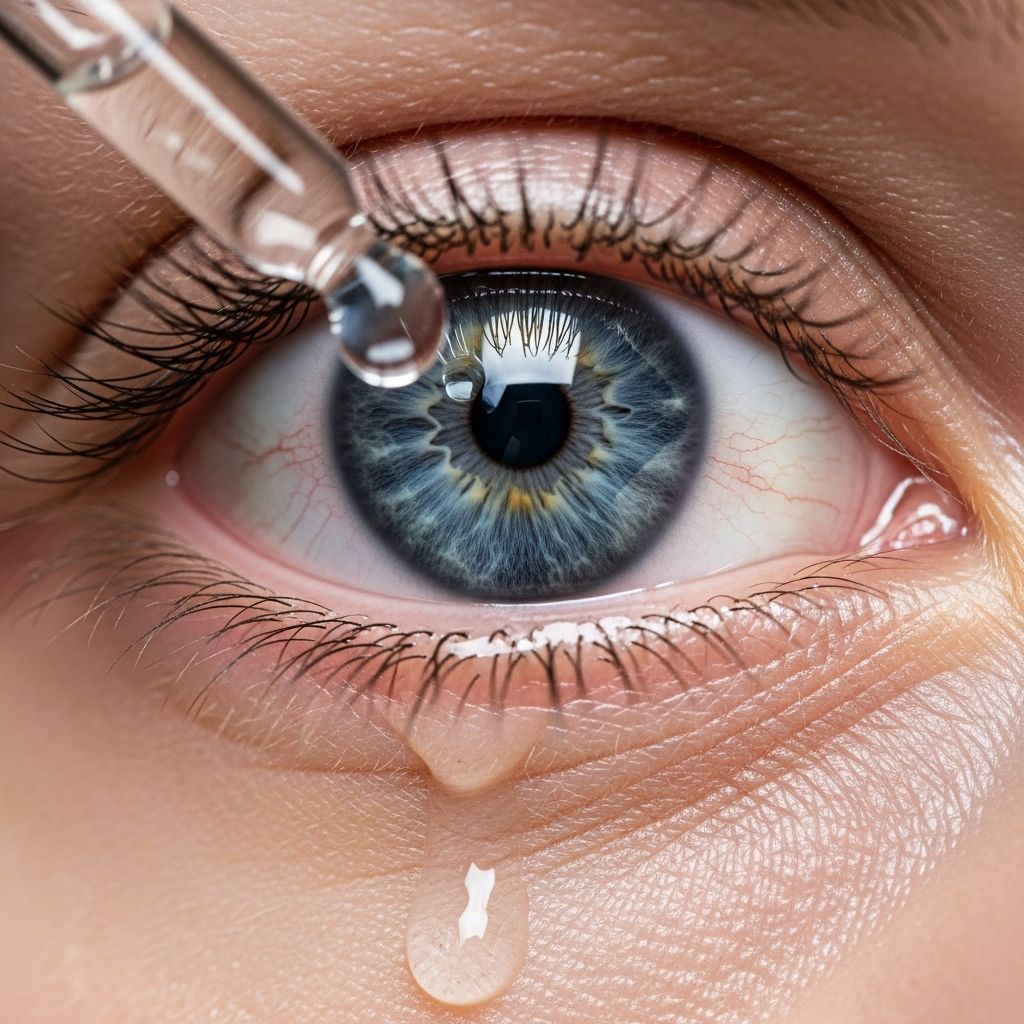
Polyvinyl alcohol eye drops serve as artificial tears, lubricating the eye surface to alleviate dryness and soreness caused by insufficient natural tear production. These drops are widely used for symptomatic relief in dry eye conditions.
About polyvinyl alcohol eye drops
| Type of medicine | Eye lubricant |
|---|---|
| Used for | Dry eyes |
| Also called | Liquifilm Tears®; Sno Tears®; Refresh® Ophthalmic |
| Available as | Eye drops and single-use units |
Polyvinyl alcohol eye drops, commonly referred to as ‘artificial tears,’ are specifically formulated to address eye dryness and associated discomfort, particularly when caused by diminished tear production. By moistening, soothing, and lubricating the ocular surface, they restore comfort and protect against further irritation. This treatment is essential for individuals experiencing symptoms like burning, itching, or a gritty sensation due to environmental factors, prolonged screen time, or medical conditions affecting tear glands.
The mechanism of action involves polyvinyl alcohol, a synthetic resin with hydrophilic properties, which enhances tear film stability and persistence on the eye surface. This lubrication mimics natural tears, temporarily relieving irritation from dryness, wind, sun exposure, or other triggers. Available both on prescription and over-the-counter at pharmacies, these drops offer convenient access for managing chronic or occasional dry eye symptoms. Brands such as Liquifilm Tears® and Sno Tears® are preservative-containing in multi-dose bottles but preservative-free in single-use units, catering to different user needs.
Dry eye disease affects millions worldwide, with prevalence increasing due to modern lifestyles involving extensive digital device use and controlled indoor environments. Polyvinyl alcohol formulations represent a first-line, non-invasive therapy, supported by pharmacological data indicating poor systemic absorption and rapid elimination, ensuring localized action without accumulation. Clinical insights highlight their role in preventing further ocular irritation, making them suitable for long-term use under guidance.
Before using polyvinyl alcohol
Prior to initiating treatment with polyvinyl alcohol eye drops, consult your doctor or pharmacist to confirm suitability. Key considerations include whether you wear soft contact lenses, as preservatives in multi-dose bottles may cause discoloration or damage. Additionally, disclose any history of allergic reactions to preservatives commonly found in eye drops, such as benzalkonium chloride, to avoid potential hypersensitivity.
Individuals with severe dry eye or underlying conditions like Sjögren’s syndrome should undergo a comprehensive eye examination. Factors such as concurrent medications, recent eye surgery, or infections must be evaluated, as they could influence treatment efficacy or safety. Pregnant or breastfeeding individuals should seek medical advice, though polyvinyl alcohol is generally considered safe due to its topical application and minimal absorption. Always review the product leaflet for specific warnings tailored to the formulation.
To ensure optimal outcomes, inform your healthcare provider of any eye diseases, including glaucoma or corneal disorders, which might necessitate alternative lubricants. This precaution helps tailor therapy and prevents complications from improper use.
Related Stories



How to use polyvinyl alcohol eye drops
Proper administration maximizes efficacy and minimizes contamination risks. Begin by washing your hands thoroughly with soap and water to prevent introducing bacteria to the eye.
- Remove the cap from the bottle or the tip of the single-use unit.
- Tilt your head slightly backward and gently pull down the lower eyelid to create a small pocket.
- Hold the bottle or unit upside down close to the eye, avoiding contact with the eye, eyelashes, or fingers.
- Squeeze gently to release one drop into the pocket; apply a second only if the first misses.
- Close the eye for 1-2 minutes and press lightly on the inner corner of the eye (near the nose) to block drainage into the tear duct, enhancing retention.
- Repeat for the other eye if both are affected.
- Replace the cap securely on multi-dose bottles; discard single-use units immediately after use.
This technique ensures the drop remains in contact with the ocular surface longer, providing sustained lubrication. For best results, use as directed, typically 3-4 times daily or more frequently for severe dryness.
Getting the most from your treatment
Consult the manufacturer’s leaflet for detailed instructions and a complete list of potential side effects. Instill one drop into each affected eye, adjusting frequency based on symptom severity—many users find 3-4 applications daily sufficient, but more may be needed.
- Avoid touching the dropper tip to any surface to prevent contamination.
- If a dose is missed, apply upon remembrance without doubling up.
- Expect temporary blurred vision post-application; wait until vision clears before driving or operating machinery.
- When using multiple eye products, space applications by 10 minutes, applying polyvinyl alcohol last to prolong lubrication.
- Do not wear soft contact lenses during treatment unless advised, due to preservative effects; opt for preservative-free single-use units.
Incorporate lifestyle measures like humidifiers, screen breaks (20-20-20 rule), and omega-3 supplements to complement therapy. Regular follow-ups monitor progress and adjust regimens. Advanced research explores sustained-release systems, like 3D-printed lenses, to extend PVA delivery beyond traditional drops.
Can polyvinyl alcohol eye drops cause problems?
These drops are generally well-tolerated, with mild, transient eye irritation or redness occurring occasionally, typically resolving quickly. Not all users experience these effects. However, discontinue use and consult a healthcare professional if persistent discomfort, vision changes, or signs of infection (e.g., increased redness, discharge) arise.
Rare allergic reactions may manifest as swelling or severe itching. Systemic effects are unlikely due to poor absorption. The FDA advises vigilance against contaminated products; purchase from reputable sources and adhere to expiry dates. Report adverse events promptly.
How to store polyvinyl alcohol eye drops
Store at room temperature, away from direct sunlight and moisture. Keep bottles tightly capped when not in use. Discard multi-dose bottles 28 days after opening or per leaflet instructions; single-use units are disposable post-use.
Keep out of reach of children. Do not use past expiry. Proper storage maintains sterility and efficacy.
Important information about all medicines
Never share eye drops. Report new symptoms to your doctor. Lifestyle factors like hydration and avoiding irritants enhance benefits. For persistent dry eyes, professional evaluation is crucial to rule out underlying issues.
Frequently Asked Questions (FAQs)
Q: How often can I use polyvinyl alcohol eye drops?
A: Typically 3-4 times daily, or more as needed for severe dryness, following doctor or leaflet guidance.
Q: Are these drops safe for contact lens wearers?
A: Avoid with soft lenses if using preserved bottles; preservative-free units are suitable.
Q: What causes blurred vision after use?
A: Temporary effect from lubrication; clears quickly—wait before activities requiring clear vision.
Q: Can children use these drops?
A: Consult a pediatrician; generally for adults unless prescribed.
Q: How long until I see improvement?
A: Relief often immediate, but consistent use manages chronic symptoms effectively.
References
- Polyvinyl alcohol for dry eyes (Liquifilm Tears, Sno Tears) — Patient.info. 2023. https://patient.info/medicine/polyvinyl-alcohol-for-dry-eyes-liquifilm-tears-sno-tears
- Polyvinyl alcohol: Uses, Interactions, Mechanism of Action — DrugBank Online. 2024-01-15. https://go.drugbank.com/drugs/DB11060
- Controlled PVA Release from Chemical–Physical Interpenetrating 3D-Printed Contact Lenses — American Chemical Society (ACS Omega). 2024-11-20. https://pubs.acs.org/doi/full/10.1021/acsomega.4c08667
- Eye Drops (PVA) (Generic) — Kaiser Permanente. 2025. https://healthy.kaiserpermanente.org/health-wellness/drug-encyclopedia/drug.artificial-tears-polyvinyl-alcohol-1-4-eye-drops.295698
- REFRESH® CLASSIC Lubricant Eye Drops — Refresh Brand. 2024. https://www.refresheyedrops.com/0506.html
- FDA warns consumers not to purchase or use certain eye drops — U.S. Food and Drug Administration (FDA). 2023-10-05. https://www.fda.gov/drugs/drug-safety-and-availability/fda-warns-consumers-not-purchase-or-use-certain-eye-drops-several-major-brands-due-risk-eye
Similar Articles








Read full bio of Sneha Tete