Pomegranate: Health Benefits, Uses, and Safety
Discover pomegranate's science-backed health benefits, traditional uses, and evidence-based safety guidelines.
Pomegranate: Usefulness and Safety
Pomegranate, a fruit rich in bioactive compounds, has been used in traditional medicine for centuries and continues to attract scientific attention for its potential health benefits. The fruit contains powerful polyphenols, including punicalagins and ellagic acid, which provide strong antioxidant, anti-inflammatory, and cardiovascular benefits. Modern research confirms that pomegranate juice and standardized extracts offer comparable efficacy while emphasizing the importance of safe, evidence-based use.
What Is Pomegranate?
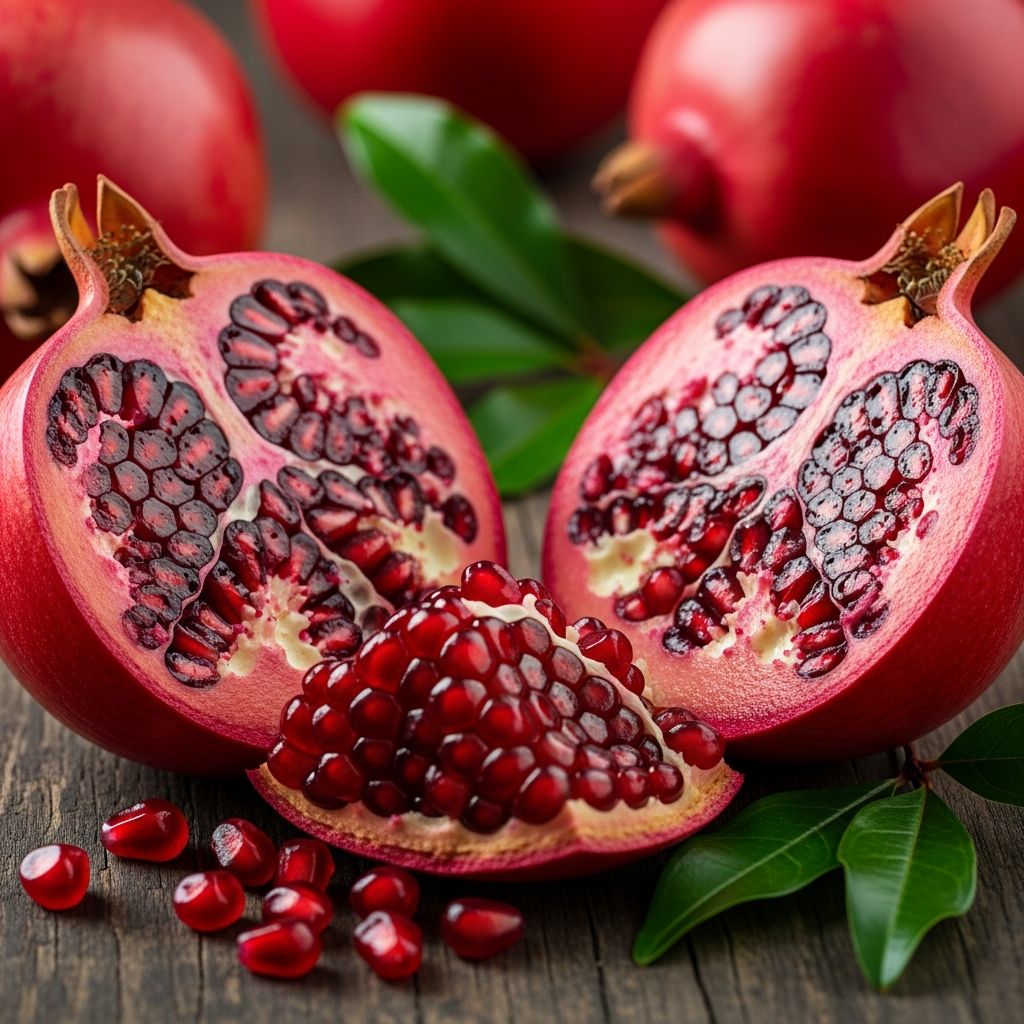
Pomegranate is a fruit belonging to the family Lythraceae, native to regions ranging from Iran to northern India. The fruit contains hundreds of seeds (arils) enclosed in a thick rind, each seed surrounded by juice-filled pulp. Beyond the seeds and juice, the peel, leaves, and flowers also contain significant concentrations of bioactive compounds. Pomegranate seed oil, for instance, contains up to 76% punicic acid, providing anti-obesity, anti-diabetic, and anticancer properties that make it valuable for both food and pharmaceutical formulations.
Nutritional and Phytochemical Profile
Pomegranate is a nutritional powerhouse containing multiple types of beneficial compounds. The fruit provides vitamin C, which supports immune function, vitamin E, a potent antioxidant, and vitamin K, which is essential for blood clotting. Additionally, pomegranate contains magnesium, which helps manage blood pressure and glucose levels. The most notable compounds, however, are the polyphenols—specifically flavonoids, tannins, anthocyanins, and punicalagins. These compounds work synergistically to deliver the fruit’s health-promoting effects. Human pharmacokinetic studies demonstrate that pomegranate juice and standardized extracts can yield similar systemic levels of ellagitannin metabolites when matched for polyphenol content, suggesting that both forms provide comparable bioavailability.
Antioxidant Effects
One of pomegranate’s most well-documented benefits is its powerful antioxidant activity. The body naturally produces reactive oxygen species (ROS) during metabolism and other biological processes. Exposure to external toxins, such as tobacco smoke and environmental pollutants, can further increase ROS levels. High concentrations of ROS lead to oxidative stress, which damages cells and contributes to inflammation. Oxidative stress is implicated in metabolic disease, cancer, cardiovascular disorders, and accelerated aging.
Pomegranate’s polyphenols work to neutralize ROS and protect the body from oxidative damage. Research shows that pomegranate extract reduces basal cytoplasmic and mitochondrial ROS in white blood cells, particularly in aging organisms. Studies have also documented lower plasma malondialdehyde, a lipid peroxidation marker, following pomegranate supplementation. Under acute oxidative challenges, pomegranate extract prevents ROS surges and reduces mitochondrial hydrogen peroxide levels in neutrophils, thereby protecting innate immune cells while maintaining redox homeostasis during aging. These findings suggest that pomegranate plays a crucial role in supporting cellular health and longevity.
Anti-Inflammatory Properties
Beyond antioxidant effects, pomegranate demonstrates significant anti-inflammatory activity through multiple molecular pathways. The fruit reduces nuclear factor kappa-B (NF-κB) signaling, a key regulator of inflammation. Clinical and preclinical studies show that polyphenols isolated from pomegranate peels reduce several inflammatory markers, including tumor necrosis factor-α (TNF-α), interleukin-1α (IL-1α), interleukin-1β (IL-1β), interleukin-6 (IL-6), interferon-γ (IFN-γ), and C-reactive protein (CRP).
In rodent models, pomegranate peel extract preserves antioxidant-detoxification gene expression and reduces lipid peroxidation, thereby preventing pro-inflammatory cytokine release. In human studies, reductions in systemic inflammatory mediators accompany improved oxidative stress indices, supporting a coupled antioxidant and anti-inflammatory mechanism. Systematic reviews confirm that pomegranate peel supplementation consistently lowers IL-6 and CRP levels post-exercise and during metabolic stress.
Related Stories



Specific population studies reveal broad anti-inflammatory potential. Obese women with knee osteoarthritis receiving pomegranate peel extract showed biochemical evidence of reduced oxidative stress and improved enzymatic defenses that modulate upstream inflammatory signaling. Patients with non-alcoholic fatty liver disease and animal models of metabolic syndrome demonstrated anti-inflammatory and lipid-modulating benefits from peel intake, including lower low-density lipoprotein cholesterol (LDL-C) and inflammatory markers such as CRP and serum amyloid-A.
Cardiovascular Health and Blood Pressure
Cardiovascular disease remains a leading cause of morbidity and mortality worldwide, making preventive strategies increasingly important. Pomegranate offers multiple cardiovascular benefits through its antioxidant and anti-inflammatory mechanisms. Short-term randomized trials report small reductions in both systolic and diastolic blood pressure, likely due to improved nitric oxide bioavailability and reduced oxidative stress. Although some studies reported improved flow-mediated dilation and lower IL-6 levels, pomegranate supplementation does not significantly affect adhesion molecules like intercellular adhesion molecule-1 (ICAM-1), vascular cell adhesion molecule-1, and E-selectin.
Across clinical studies examining lipid profiles, changes in total cholesterol and LDL-C are inconsistent. However, anti-atherogenic mechanisms are supported by reduced oxidized lipoproteins and improved macrophage cholesterol handling. Small trials conducted in high-risk groups suggest slower atherosclerotic progression markers, which align with the polyphenol-rich profile of pomegranates, which protect against nitric oxide signaling and lipid peroxidation. Meta-analyses indicate that continued pomegranate intake may benefit arterial stiffness and oxidative status, even when lipid outcomes are modest. Consistent IL-6 reduction and minor improvements in endothelial function suggest that pomegranate’s vascular effects are mediated primarily by anti-inflammatory and antioxidant actions.
Additional Health Applications
Beyond cardiovascular benefits, emerging research explores pomegranate’s potential in several other health domains. The fruit’s flavonoids and tannins may help prevent various types of cancer, including prostate, lung, skin, and breast cancer. Compounds found in pomegranate peel, leaves, and seeds—such as urolithin B and gallic acid—possess potent antioxidant actions that can decrease or inhibit the proliferation of cancer cells.
For cognitive health, ingredients in pomegranate juice may help prevent the formation of amyloid plaques in the hippocampus, potentially supporting memory and cognitive function. The fruit’s rich vitamin C content and antioxidants strengthen the immune system by preventing the growth of harmful bacteria and increasing beneficial gut bacteria, leading to better absorption of vitamins and minerals and preventing conditions like the flu, diarrhea, and herpes.
Pomegranate may also support digestive health and help prevent or manage type 2 diabetes. Fresh pomegranate fruit is rich in antioxidants that improve pancreatic function and help regulate blood sugar levels. Some studies show that consuming fresh juice made from pomegranate flower or seeds can decrease blood sugar levels in people with type 2 diabetes within hours of consumption.
Pomegranate Peel Benefits
While most people focus on pomegranate juice and seeds, the peel offers concentrated antioxidant, anti-inflammatory, and antibacterial properties. Pomegranate peel can help reduce the risk of cardiovascular diseases and cancer, prevent premature aging, improve memory, and strengthen the immune system. Additionally, pomegranate peel can help relieve throat inflammation and gingivitis. To benefit from pomegranate peel, it can be used in the form of an infusion, which can be drunk several times a day, used as a gargle, or chewed directly.
Safety and Considerations
Authoritative consumer guidance indicates that typical pomegranate food use is generally safe. However, people considering concentrated supplements should consult healthcare clinicians due to possible medication interactions and special situations. Pregnant women, individuals scheduled for surgery, and those with known allergies should exercise caution and seek professional medical advice before consuming pomegranate supplements.
While pomegranate juice is generally well-tolerated, some individuals may experience digestive side effects. It is worth noting potential interactions with certain medications, particularly those metabolized by the cytochrome P450 enzyme system. Consulting with healthcare providers before beginning pomegranate supplementation ensures safe integration with existing health regimens.
How to Use Pomegranate
Pomegranate can be consumed in multiple forms to maximize its health benefits. Fresh pomegranate juice provides readily available polyphenols and can be consumed daily. Standardized extracts offer concentrated doses of active compounds with consistent polyphenol content. Pomegranate seed oil delivers high concentrations of punicic acid and can be used as a dietary supplement. For those interested in utilizing the peel, infusions can be prepared by steeping dried peel in hot water and consumed multiple times daily. The peel infusion can also serve as a gargle for throat health or be chewed directly to obtain its benefits.
Research Summary and Clinical Evidence
Modern systematic reviews highlight pomegranate’s role in promoting healthy aging through modulation of mitochondrial function and immune cell oxidative balance, reflecting its integration into both traditional and evidence-based medicine frameworks. Recent studies continue to explore the antioxidant, anti-inflammatory, metabolic, cardiovascular, and anticancer effects of pomegranate components for potential nutraceutical and pharmaceutical applications. The consistency of findings across multiple research methodologies—from in vitro studies to animal models to human clinical trials—suggests that pomegranate’s health benefits are not merely theoretical but supported by robust scientific evidence.
Frequently Asked Questions
Q: Is pomegranate juice as effective as pomegranate extract?
A: Current research confirms comparable efficacy between pomegranate juice and extracts. Human pharmacokinetic data show that pomegranate juice and standardized extracts can yield similar systemic levels of ellagitannin metabolites when matched for polyphenol content, making both forms viable options for health benefits.
Q: Can pomegranate help with blood pressure management?
A: Yes, pomegranate juice or extract may be helpful in reducing blood pressure through improved nitric oxide bioavailability and reduced oxidative stress. Short-term randomized trials report small reductions in both systolic and diastolic blood pressure, though additional research continues to confirm this effect.
Q: Are there any side effects or safety concerns with pomegranate?
A: Typical food use of pomegranate is generally safe. However, people considering concentrated supplements should consult healthcare clinicians due to possible medication interactions and special situations such as pregnancy, scheduled surgery, or known allergies.
Q: Can pomegranate prevent cancer?
A: Pomegranate pulp and peel are rich in flavonoids and tannins with potent antioxidant action. While animal studies and in vitro research suggest potential anticancer effects for prostate, lung, skin, and breast cancers, further human clinical trials are needed to establish definitive cancer prevention claims.
Q: How much pomegranate should I consume daily?
A: Typical pomegranate juice consumption in studies ranges from 8 to 16 ounces daily, though optimal dosage may vary based on individual health status and specific health goals. It is recommended to consult healthcare providers to determine appropriate intake levels.
Q: Is pomegranate peel safe to consume?
A: Pomegranate peel can be safely consumed as an infusion, gargle, or chewed directly. It contains concentrated antioxidant and anti-inflammatory compounds beneficial for health, though consultation with healthcare providers is recommended before regular supplementation.
Conclusion
Pomegranate represents a compelling example of how traditional foods can offer scientifically validated health benefits. Through its rich array of polyphenols—punicalagins, ellagic acid, and anthocyanins—this fruit consistently reduces oxidative stress, modulates NF-κB signaling, and improves vascular parameters including blood pressure and endothelial function. Clinical trials suggest benefits for lipid oxidation, exercise recovery, and selected cognitive outcomes. While pomegranate shows considerable promise for cardiovascular health, cancer prevention, and immune support, consumers should prioritize evidence-based use and consult healthcare professionals before beginning supplementation, particularly when considering concentrated forms or when special health circumstances apply. As research continues to evolve, pomegranate remains a valuable addition to a health-conscious diet.
References
- Why Pomegranate Is Good for You: Evidence-Based Insights Into Its Health Benefits — News Medical Life Sciences. 2024. https://www.news-medical.net/health/Why-Pomegranate-Is-Good-for-You-Evidence-Based-Insights-Into-Its-Health-Benefits.aspx
- Pomegranate: Usefulness and Safety — National Center for Complementary and Integrative Health (NCCIH), National Institutes of Health. 2024. https://www.nccih.nih.gov/health/pomegranate
- Pomegranate Juice Benefits for Your Health and Other FAQs — Medical News Today. 2024. https://www.medicalnewstoday.com/articles/318385
- 11 Pomegranate Benefits (plus Nutrition, How to Eat and Recipes) — Tua Saúde. 2024. https://www.tuasaude.com/en/pomegranate/
- Are Pomegranates Good for Heart Health? — Healthline. 2024. https://www.healthline.com/health/heart-health/are-pomegranates-good-for-heart-health
Similar Articles








Read full bio of medha deb