Pomegranate Juice Vs Beet Juice: Benefits, Risks, And Best Uses
Discover the health benefits, nutritional profiles, and key differences between pomegranate juice and beet juice for optimal wellness.
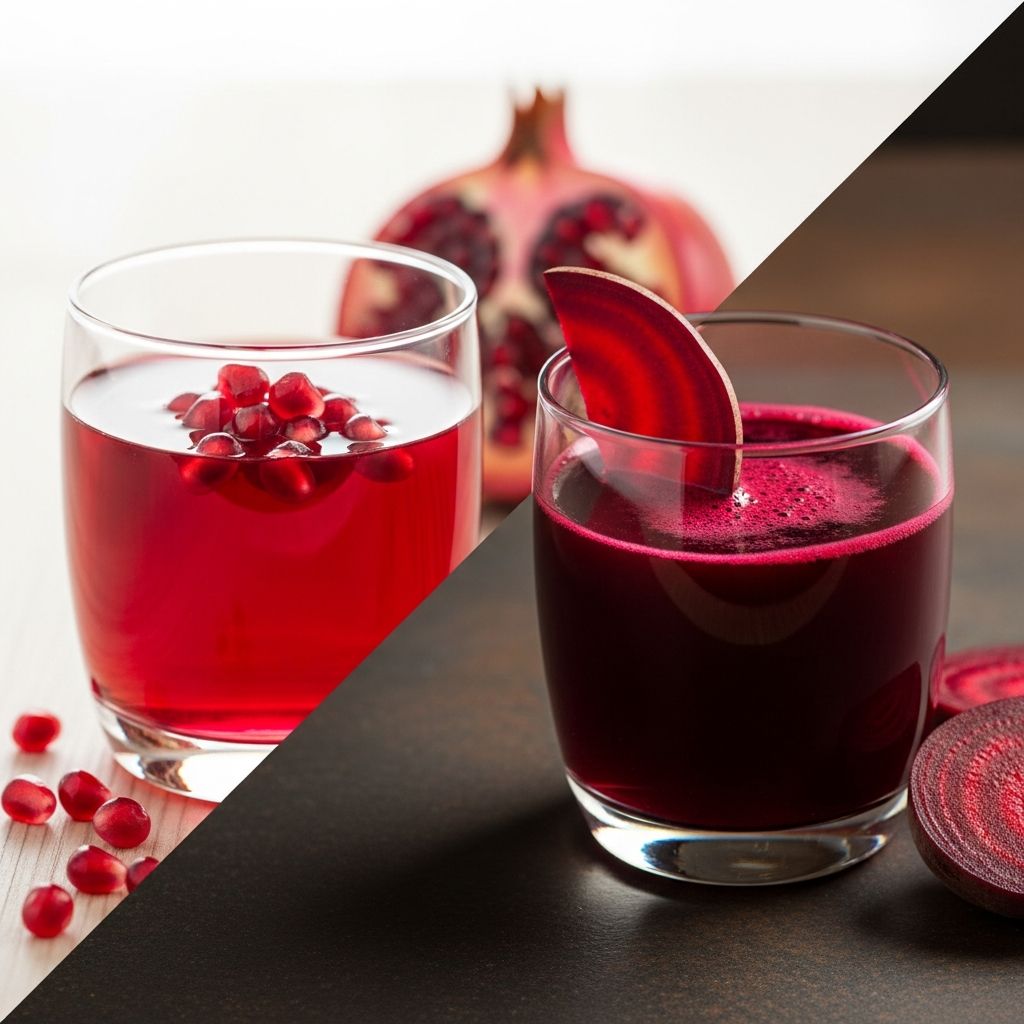
Both pomegranate juice and beet juice are celebrated superfood beverages packed with antioxidants, vitamins, and minerals that support heart health, reduce inflammation, and boost overall wellness. Pomegranate juice excels in polyphenols and vitamin C, while beet juice stands out for nitrates and folate. This article compares their nutrition, benefits, risks, and practical uses to help you decide which—or if a blend—is right for you.
What Is Pomegranate Juice?
Pomegranate juice is extracted from the juicy arils (seeds) of the Punica granatum fruit, a ruby-red superfruit native to the Middle East but now grown worldwide. It’s renowned for its tart-sweet flavor and potent antioxidant content, primarily punicalagins and ellagic acid, which give it superior free radical-fighting power compared to many other juices.
Commercially, pomegranate juice is often 100% pure or blended, but always check labels for added sugars. Freshly juiced pomegranates provide the highest nutrient density, retaining fiber if pulp is included.
What Is Beet Juice?
Beet juice, derived from Beta vulgaris roots (also called beets or beetroot), has an earthy taste and vibrant red color from betalains. It’s a staple in Eastern European diets and has surged in popularity for athletic performance and cardiovascular support due to its high nitrate content, which converts to nitric oxide in the body.
Beets are juiced raw or cooked; raw preserves more nitrates. It’s often mixed with apple, carrot, or ginger to mellow its strong flavor.
Pomegranate Juice vs. Beet Juice Nutrition Comparison
Both juices are low-calorie but nutrient-dense. Here’s a side-by-side breakdown per 100g serving (approximate values based on USDA data and comparative analyses).
| Nutrient | Pomegranate Juice | Beet Juice | Daily Value % (Pomegranate) | Daily Value % (Beet) |
|---|---|---|---|---|
| Calories | 54 kcal | 43 kcal | 3% | 2% |
| Vitamin C | 10.2 mg | 4.9 mg | 17% | 8% |
| Folate | 24 µg | 109 µg | 6% | 27% |
| Manganese | 0.1 mg | 0.3 mg | 4% | 13% |
| Iron | 0.3 mg | 0.8 mg | 2% | 4% |
| Potassium | 214 mg | 325 mg | 6% | 9% |
| Copper | 0.2 mg | 0.1 mg | 22% | 11% |
| Vitamin K | 16.4 µg | 0.2 µg | 14% | <1% |
Key takeaway: Beet juice leads in folate, manganese, iron, and potassium for blood health and energy. Pomegranate juice dominates in vitamin C, K, and copper for immunity and antioxidants.
Health Benefits of Pomegranate Juice
- Antioxidant Powerhouse: Rich in punicalagins, it combats oxidative stress, potentially reducing cancer risk by inhibiting tumor cell growth in studies on mice.
- Heart Health: Lowers LDL cholesterol, raises HDL, and improves lipid profiles, preventing atherosclerosis.
- Anti-Inflammatory: Ellagic acid reduces inflammation markers, supporting liver function by lowering enzymes like AST, ALT, and ALP.
- Blood Pressure Reduction: A Queen Margaret University study showed 500ml daily reduced systolic blood pressure.
- Cancer Protection: Mixture with beet juice significantly decreased tumor cell counts in experimental models.
Health Benefits of Beet Juice
- Blood Pressure Lowering: Nitrates dilate blood vessels, improving flow; effective alone or blended with pomegranate.
- Athletic Performance: Boosts stamina by enhancing oxygen use during exercise.
- Liver Support: Betalains detoxify the liver, reducing enzyme levels in studies.
- Blood Sugar Control: Low glycemic index aids diabetes management.
- Anti-Cancer Potential: Reduced tumor burden in animal studies, especially in blends.
Related Stories



Pomegranate Juice vs. Beet Juice: Heart Health
Both excel for cardiovascular benefits. Pomegranate improves lipid profiles (lowers TC, TG, LDL, VLDL; raises HDL) and protects against tumors. Beet juice’s nitrates drop blood pressure more acutely. A blend may offer synergistic effects, as seen in reduced liver enzymes and better feed efficiency in research.
Which Has More Antioxidants?
Pomegranate juice has higher ORAC (Oxygen Radical Absorbance Capacity) due to polyphenols, outperforming beets’ betalains in some assays. However, beets provide unique folate for cellular protection. Both reduce oxidative damage effectively.
Potential Downsides and Risks
- Pomegranate: High sugar (14g/100ml); may interact with blood thinners or statins. Oxalates risk kidney stones in prone individuals.
- Beet: Causes red urine/stools (beeturia, harmless). High oxalates; nitrates may lower blood pressure too much for hypotensives.
- Both: Pesticide residues if not organic; juice lacks fiber of whole forms.
Moderation (8-16 oz/day) minimizes risks. Consult a doctor if on medications.
How to Use Pomegranate and Beet Juice
- Smoothies: Blend with yogurt, banana for breakfast.
- Salad Dressings: Mix with olive oil, vinegar.
- Cocktails: Mocktails with sparkling water, lemon.
- Pre-Workout: Beet juice 2-3 hours before exercise.
- Blends: 50/50 mix maximizes benefits, as studies show superior tumor reduction and lipid improvements.
Pomegranate Juice vs. Beet Juice: Bottom Line
Neither is universally “better”—choose based on needs: pomegranate for antioxidants and cholesterol, beets for blood pressure and stamina. A combination leverages both, showing enhanced liver protection, lipid balance, and anti-tumor effects in research. Incorporate 8-12 oz daily alongside a balanced diet for optimal results.
Frequently Asked Questions (FAQs)
Is pomegranate juice or beet juice better for blood pressure?
Beet juice may edge out for acute reduction via nitrates, but pomegranate also lowers it effectively, especially long-term. Blends work best.
Which has more sugar?
Pomegranate (14g/100ml) > beet (9g/100ml). Opt for no-added-sugar versions.
Can I drink them every day?
Yes, 8-16 oz, but monitor blood pressure and consult if medicated.
Are they good for workouts?
Beet juice boosts endurance; pomegranate aids recovery via antioxidants.
Raw or cooked beets for juice?
Raw preserves nitrates best.
References
- A Comparative of Nutritional Impacts of Pomegranate and Beetroot Juices — ArchivePP Journal. 2023. https://archivepp.com/storage/files/article/7d8de069-9bc9-4660-b82e-1fad6af30647-gXvNleiSrbOPSphY/archiveapp-vol12-iss3-48-54-1201.pdf
- Beetroot and Pomegranate Juice may help reduce blood pressure — International Fruit and Vegetable Juice Association (IFU). 2023-10-12. https://ifu-fruitjuice.com/news/432928/Beetroot-and-Pomegranate-Juice-may-help-reduce-blood-pressure.htm
- Beetroot vs. Pomegranate — In-Depth Nutrition Comparison — FoodStruct. 2024. https://foodstruct.com/nutrition-comparison/beetroot-vs-pomegranate
Similar Articles








Read full bio of Sneha Tete