Pomegranate vs Grapefruit: Nutrition & Health Benefits
Compare pomegranate and grapefruit: nutritional profiles, health benefits, and which fruit suits your diet.
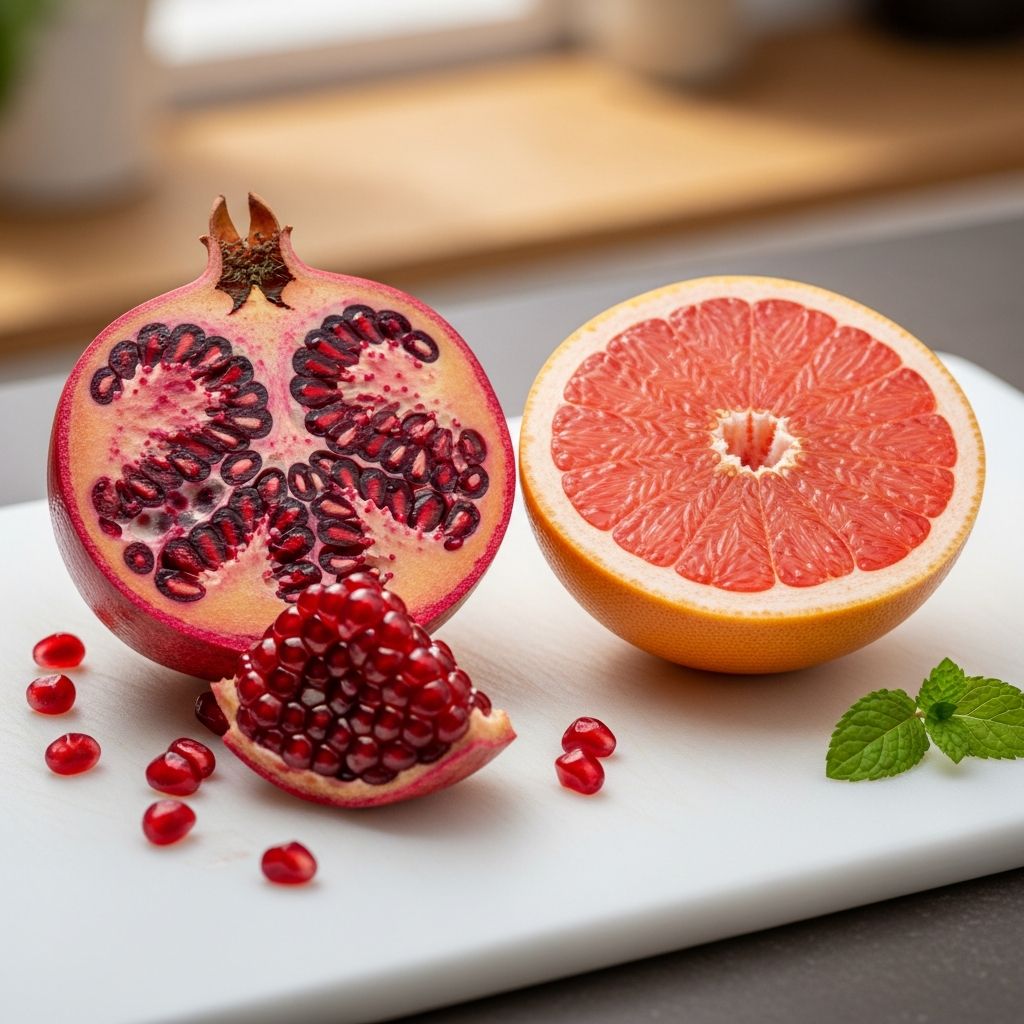
When selecting fruits to incorporate into a balanced diet, pomegranates and grapefruits frequently emerge as top choices for health-conscious individuals. Both fruits are celebrated for their impressive nutrient profiles and potential wellness benefits. However, understanding the distinct nutritional differences between these two fruits can help you make informed dietary decisions based on your specific health goals and nutritional needs.
Nutritional Overview: Calories and Macronutrients
The caloric content and macronutrient composition of pomegranates and grapefruits differ in several important ways. Pomegranate juice contains 54 calories per 100 grams, while grapefruit contains 42 calories per 100 grams. When examining the whole fruits, one raw pomegranate (282g) provides 234 calories, whereas half a grapefruit (154g) contains approximately 64.7 calories.
Regarding macronutrient ratios, grapefruit demonstrates a heavier protein composition at 7% of calories derived from protein, compared to pomegranate juice at just 1%. Both fruits are predominantly carbohydrate-based, with grapefruit at 91% and pomegranate juice at 94% of calories from carbohydrates. Fat content remains minimal in both fruits, contributing 3% of calories in grapefruit and 5% in pomegranate juice.
When examining carbohydrate content specifically, pomegranate juice contains 13.1g of total carbohydrates per 100 grams, while grapefruit contains 10.7g per 100 grams. One raw pomegranate provides 52.7g of carbohydrates, demonstrating the significantly higher total intake when consuming the whole fruit rather than juice.
Dietary Fiber Content
Grapefruit contains significantly more dietary fiber than pomegranate juice, offering 1.6g per 100 grams compared to just 0.1g in pomegranate juice. This substantial difference becomes more pronounced when comparing whole fruits. One raw pomegranate delivers 11.3g of fiber, while half a grapefruit provides 2.46g of fiber.
Dietary fiber plays a crucial role in digestive health, helping to regulate blood sugar levels, maintain healthy cholesterol, and support beneficial gut bacteria. The higher fiber content in grapefruit makes it particularly valuable for individuals seeking digestive support, while pomegranate’s fiber content, though lower when juiced, remains substantial when consumed as whole arils (the seed sacs).
Sugar Content Comparison
Grapefruit contains 46% less sugar than pomegranate juice, with grapefruit providing 6.9g of sugar per 100 grams versus 12.7g in pomegranate juice. This significant difference is an important consideration for individuals monitoring sugar intake or managing blood glucose levels.
For individuals with diabetes, prediabetes, or those simply aiming to reduce sugar consumption, grapefruit emerges as the preferable choice due to its lower natural sugar content. However, it’s essential to note that both fruits contain primarily natural sugars rather than added sugars, making them healthier alternatives to processed desserts and sugary beverages.
Vitamin Content Analysis
Vitamin C
Grapefruit is an excellent source of vitamin C, containing 311 times more than pomegranate juice, with 31.2mg per 100 grams compared to 0.1mg in pomegranate juice. Half a grapefruit provides 48mg of vitamin C, while one raw pomegranate contains 28.8mg. Pomegranate juice may contain additional vitamin C in certain varieties, reaching up to 27% of the daily value.
Related Stories



Vitamin C functions as a powerful antioxidant, supporting immune function, collagen synthesis, and wound healing. Grapefruit’s superior vitamin C content makes it an exceptional choice for boosting immune defense and overall antioxidant protection.
Vitamin A
Grapefruit provides 58 micrograms of vitamin A per 100 grams, while pomegranate juice does not contain significant amounts of this nutrient. Vitamin A is essential for vision, immune function, and skin health, giving grapefruit an advantage in this category.
Vitamin K
Pomegranate juice contains more vitamin K than grapefruit, offering 10.4 micrograms per 100 grams compared to insignificant amounts in grapefruit. One raw pomegranate provides 46.2 micrograms of vitamin K, a nutrient essential for strong bones and healthy blood cells. This makes pomegranate particularly valuable for individuals concerned about bone health and blood clotting function.
B Vitamins
Grapefruit contains more thiamin and riboflavin than pomegranate juice. However, both fruits provide significant amounts of niacin, pantothenic acid, vitamin B6, and folate. Pomegranate juice offers 24 micrograms of folate compared to 13 micrograms in grapefruit. These B vitamins support energy metabolism and neurological health.
Vitamin E
Both fruits contain similar amounts of vitamin E, an important antioxidant. Pomegranate juice provides 0.38mg per 100 grams, while grapefruit contains 0.13mg per 100 grams.
Mineral Content Comparison
Potassium
Pomegranate juice is a great source of potassium, containing 59% more than grapefruit, with 214mg per 100 grams compared to 135mg in grapefruit. One raw pomegranate provides 666mg of potassium, while half a grapefruit contains 208mg. Potassium is vital for heart health, blood pressure regulation, and muscle function.
Calcium
Grapefruit contains 100% more calcium than pomegranate juice, offering 22mg per 100 grams versus 11mg in pomegranate juice. Half a grapefruit provides 33.9mg of calcium, and one pomegranate contains 28.2mg. Adequate calcium intake is essential for bone health and maintaining strong teeth.
Iron and Magnesium
Pomegranate juice and grapefruit contain similar amounts of iron, with approximately 0.1mg and 0.08mg per 100 grams respectively. Regarding magnesium, half a grapefruit provides 13.9mg, while pomegranate juice delivers slightly more magnesium content in relation to its caloric density.
Antioxidant Compounds and Flavonoids
Both pomegranates and grapefruits are rich in disease-fighting antioxidants that protect against oxidative stress and inflammation. Pomegranates are high in antioxidants and polyphenols, which help combat the oxidative stress that can cause disease in the body. Specifically, pomegranate juice is high in the antioxidant anthocyanin, which gives pomegranates their characteristic dark-red color.
Grapefruit juice is rich in disease-fighting antioxidants like vitamin C and a compound known as naringin. Additionally, a 2017 review study suggests the compounds called furanocoumarins found in grapefruits can help protect against oxidative stress and tumors, and they may support healthy bones.
Regarding specific flavonoid compounds, grapefruit contains more luteolin than pomegranate juice per 100 grams, however, pomegranate juice contains more quercetin than grapefruit per 100 grams. Both flavonoids are associated with various health benefits and are used in medicinal and pharmaceutical applications.
Health Benefits of Pomegranate
A 2020 review concluded that pomegranates and pomegranate juice may help protect against obesity, diabetes, heart conditions, and some cancers. Pomegranates are believed to boost heart health, although according to the National Institutes of Health, research on the berry is still limited.
A 2017 review published in Pharmacological Research of eight clinical trials showed pomegranate juice reduced systolic and diastolic blood pressure, and the authors concluded it “may be prudent to include this fruit juice in a heart-healthy diet”. The antioxidant content in pomegranates could help lower inflammation and promote healthy arteries.
However, results are mixed regarding cholesterol reduction. A 2019 review published in Complementary Therapies in Medicine examined 17 trials but did not find any significant effects on cholesterol, as researchers noted it was difficult to compare trials because they were designed differently and did not use consistent amounts of pomegranate.
Health Benefits of Grapefruit
Grapefruit’s impressive vitamin C content and furanocoumarin compounds provide significant antioxidant and anti-inflammatory benefits. Some research suggests that grapefruit furanocoumarins may have anticancer properties; however, researchers still need to carry out more studies to confirm these properties.
It’s important to note that processing the fruit decreases its content of certain antioxidants, as whole grapefruit is rich in beta carotene and lycopene, but grapefruit juice lacks these nutrients. Therefore, consuming whole grapefruit offers greater nutritional benefits than drinking grapefruit juice.
Nutritional Comparison Table
| Nutrient (per 100g) | Grapefruit | Pomegranate Juice | Key Difference |
|---|---|---|---|
| Calories | 42 | 54 | Pomegranate slightly higher |
| Carbohydrates | 10.7g | 13.1g | Pomegranate higher |
| Dietary Fiber | 1.6g | 0.1g | Grapefruit significantly higher |
| Sugar | 6.9g | 12.7g | Grapefruit 46% less |
| Vitamin C | 31.2mg | 0.1mg | Grapefruit 311x more |
| Potassium | 135mg | 214mg | Pomegranate 59% more |
| Calcium | 22mg | 11mg | Grapefruit 100% more |
| Vitamin K | Minimal | 10.4mcg | Pomegranate significantly higher |
Which Fruit Should You Choose?
The choice between pomegranate and grapefruit depends on your individual health goals and dietary needs. Choose pomegranate if you prioritize:
- Heart health and blood pressure regulation (due to higher potassium)
- Bone health (due to vitamin K content)
- Antioxidant polyphenols and anthocyanins
- General disease prevention
Choose grapefruit if you prioritize:
- Vitamin C and immune support
- Lower sugar intake
- Dietary fiber for digestive health
- Calcium content for bone strength
- Whole fruit consumption (to retain beta carotene and lycopene)
Frequently Asked Questions
Q: Can I eat both pomegranate and grapefruit in the same diet?
A: Absolutely. Eating both fruits together provides complementary nutrients. While grapefruit excels in vitamin C and fiber, pomegranate offers superior potassium and vitamin K. Including both in a balanced diet maximizes nutritional benefits.
Q: Is pomegranate juice as nutritious as eating whole pomegranate seeds?
A: Whole pomegranate seeds offer more fiber and are typically less processed. Pomegranate juice concentrates the sugars and antioxidants but loses some fiber content. Whole seeds are generally the more nutritious option.
Q: Is grapefruit juice or whole grapefruit healthier?
A: Whole grapefruit is healthier than grapefruit juice because processing removes beta carotene and lycopene. However, both retain vitamin C and naringin. For maximum benefits, consume whole grapefruit.
Q: Can people with diabetes eat these fruits?
A: Grapefruit is better for diabetes management due to its lower sugar content (6.9g per 100g versus 12.7g in pomegranate juice). Both fruits contain natural sugars, making them healthier than processed alternatives, but portion control matters.
Q: Do these fruits interact with medications?
A: Grapefruit can interact with certain medications by affecting how they’re metabolized in the body. If you take medications regularly, consult your healthcare provider about grapefruit consumption. Pomegranate has fewer known interactions but always check with your doctor.
Q: Which fruit has better antioxidant properties?
A: Both fruits possess strong antioxidant properties but excel in different compounds. Grapefruit offers more vitamin C and furanocoumarins, while pomegranate provides more polyphenols and anthocyanins. Together, they provide comprehensive antioxidant protection.
Q: How should I store these fruits?
A: Keep pomegranates at room temperature for up to one week or refrigerate for up to two months. Store grapefruits in the refrigerator for up to two weeks. Both fruits maintain their nutritional value longer when kept cool.
References
- Nutrition Comparison: Grapefruit Vs Pomegranate Juice — Souper Sage. 2024. https://www.soupersage.com/compare-nutrition/grapefruit-vs-pomegranate-juice
- 12 Healthiest Fruits: List, Nutrition, and Common Questions — Medical News Today. 2024. https://www.medicalnewstoday.com/articles/324431
- Just How Healthy Are Pomegranates? — American Heart Association. 2021-09-09. https://www.heart.org/en/news/2021/09/09/just-how-healthy-are-pomegranates
- The 9 Healthiest Types of Juice — Healthline. 2024. https://www.healthline.com/nutrition/healthiest-juice
Similar Articles








Read full bio of medha deb