Pomegranate Health Benefits: 9 Science-Backed Reasons
Discover the impressive health benefits of pomegranates, from heart protection and anti-inflammatory effects to cancer-fighting potential and more.
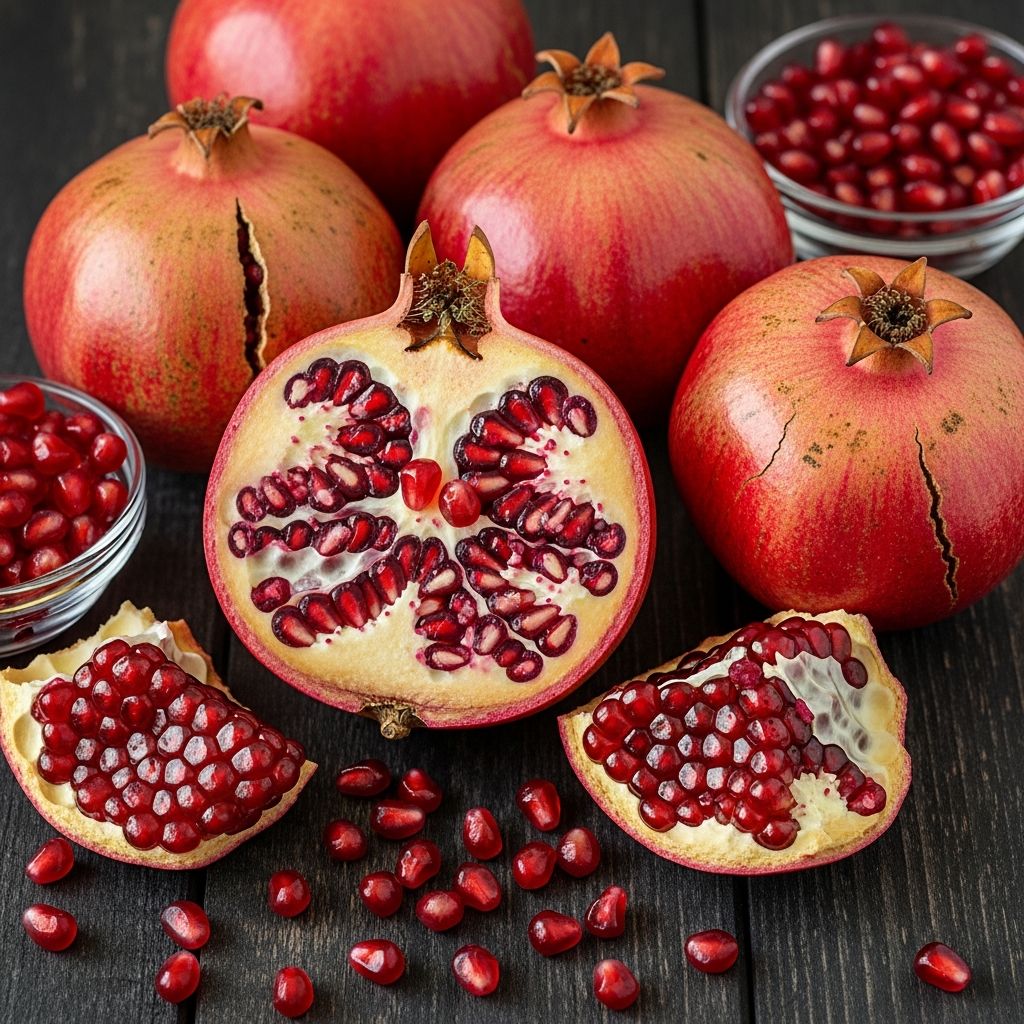
Pomegranates (*Punica granatum*) are nutrient-dense fruits packed with antioxidants, vitamins, and bioactive compounds that support overall health. Their vibrant red arils and juice deliver potent polyphenols like ellagitannins and punicalagins, which contribute to numerous benefits including heart protection, reduced inflammation, and improved gut health.
What Is a Pomegranate?
A pomegranate is a round, red fruit about the size of a large orange, originating from the Middle East and widely cultivated today. Inside its tough, leathery skin lies a cluster of juicy, jewel-like seeds called arils, surrounded by a white, spongy pith. These arils are the edible part, offering a sweet-tart flavor and crisp texture. Pomegranates are low in calories (about 83 per 100g) but rich in fiber, vitamin C, vitamin K, folate, and potassium.
Historically revered in ancient cultures for medicinal uses, pomegranates have been consumed for thousands of years. Modern science confirms their value, with studies showing their unique ability to combat oxidative stress throughout the body.
Pomegranate Nutrition Facts
One medium pomegranate (about 282g with edible arils) provides approximately:
- 234 calories
- 52g carbohydrates (including 39g sugars and 11g fiber)
- 3g protein
- 2g fat
- 107% DV vitamin C
- 32% DV vitamin K
- 23% DV folate
- 16% DV potassium
- Numerous antioxidants like punicalagins and anthocyanins
These nutrients make pomegranates a superfood for immune support, digestion, and cellular protection. Their high antioxidant capacity surpasses that of red wine and green tea, primarily due to ellagitannins that break down into urolithins in the gut.
Health Benefits of Pomegranates
1. Powerful Antioxidant Properties
Pomegranates are among the richest sources of antioxidants, particularly polyphenols such as punicalagins, ellagitannins, and anthocyanins. These compounds neutralize free radicals, reducing oxidative stress linked to chronic diseases like cancer and heart disease.
In the body, ellagitannins from pomegranate are metabolized by gut bacteria into urolithins, which circulate systemically to combat inflammation and age-related decline. A study showed pomegranate juice has higher antioxidant activity than many other beverages, protecting cells from damage.
2. Supports Heart Health
Pomegranate consumption benefits cardiovascular health by lowering blood pressure, reducing plaque buildup, and improving cholesterol profiles. Research on patients with heart disease found that daily pomegranate juice reduced chest pain frequency and severity, alongside biomarkers of heart protection.
In hyperlipidemic patients, pomegranate seed oil decreased triglycerides and the TG:HDL ratio significantly after four weeks. Animal studies showed reduced LDL oxidation by over 90% and smaller atherosclerotic lesions by 44%. Human trials reported a 30% decrease in carotid intima-media thickness and increased paraoxonase activity by 83%. Pomegranate polyphenols also boost nitric oxide production, promoting healthy arteries.
3. May Reduce Inflammation
Chronic inflammation drives diseases like diabetes, cancer, and arthritis. Punicalagins in pomegranates exhibit strong anti-inflammatory effects by inhibiting inflammatory markers.
UCLA research highlights how pomegranate compounds suppress bad bacterial growth in the gut, preventing inflammatory bowel disease. In humans, pomegranate juice lowers markers of inflammation, supporting overall health.
4. Anticancer Potential
Pomegranate phytonutrients, similar to those in broccoli, show anticarcinogenic effects by preventing cell growth and inducing apoptosis in cancer cells. Studies indicate benefits against prostate, breast, and colon cancers through reduced oxidative stress and inflammation.
Fruit extracts inhibit tumor growth and protect against chemotherapy-induced damage.
5. Improves Gut Health and Immunity
Related Stories



Pomegranates foster a healthy gut microbiome by promoting beneficial bacteria and curbing pathogens. A UCLA study found mice fed pomegranate extract had lower rates of inflammatory bowel disease.
Ellagitannins ferment into urolithins in the colon, enhancing immunity and digestion while alleviating symptoms like nausea and cramping.
6. Enhances Exercise Endurance
Athletes may benefit from pomegranates’ ability to boost stamina. Their antioxidants reduce muscle fatigue and improve oxygen utilization during workouts.
7. Supports Urinary and Antimicrobial Health
Pomegranates aid urinary tract health and fight oral bacteria causing gum disease and bad breath. Their antimicrobial properties extend to digestive benefits.
8. Brain Health Protection
Ellagitannins produce urolithin A, which reduces brain inflammation and may delay Alzheimer’s and Parkinson’s by protecting neurons.
9. Other Benefits: Wound Healing and Reproduction
Pomegranate improves wound healing, supports reproductive health by enhancing sperm quality, and aids in osteoarthritis and rheumatoid arthritis management.
How to Eat Pomegranates
Eat fresh arils sprinkled on salads, yogurt, or oatmeal. Juice them for smoothies, or use in sauces and marinades. Pomegranate seed oil works for cooking or dressings. Aim for 1/2 to 1 cup of arils or 8 oz juice daily.
Pomegranate Recipes
- Pomegranate Salad: Mix arils with greens, feta, nuts, and balsamic vinaigrette.
- Smoothie: Blend arils, banana, spinach, and almond milk.
- Guacamole: Add arils to avocado for a sweet twist.
- Molasses Glaze: Use reduced juice on meats.
Potential Downsides and Risks
Pomegranates are safe for most, but their sugars may affect blood sugar control in diabetics. Juice can interact with medications like blood thinners or statins due to antioxidants. Allergies are rare. Consult a doctor if pregnant or on meds. Whole fruit is preferable over juice to limit sugar.
FAQ
Are pomegranates good for you?
Yes, pomegranates are highly nutritious, offering antioxidants that support heart health, reduce inflammation, and more.
Is pomegranate juice as healthy as the fruit?
Juice retains antioxidants but lacks fiber; opt for 100% pure, unsweetened versions.
Can pomegranates lower blood pressure?
Studies show pomegranate juice reduces blood pressure in hypertensives.
Do pomegranates help with digestion?
Their fiber and prebiotic effects promote gut health and regularity.
How much pomegranate should you eat per day?
1/2 cup arils or 8 oz juice provides benefits without excess sugar.
Bottom Line
Incorporate pomegranates into your diet for their impressive array of health benefits, from cardiovascular support to antioxidant protection. Backed by research, this superfruit is a delicious way to enhance wellness.
References
- Health benefits of pomegranates extend throughout the body — UCLA Health. 2023-10-18. https://www.uclahealth.org/news/article/health-benefits-of-pomegranates-extend-throughout-the-body
- Potent health effects of pomegranate — National Center for Biotechnology Information (PMC). 2014-03-28. https://pmc.ncbi.nlm.nih.gov/articles/PMC4007340/
- 10 Health Benefits of Pomegranate — Healthline. 2023. https://www.healthline.com/nutrition/12-proven-benefits-of-pomegranate
- Just how healthy are pomegranates? — American Heart Association. 2021-09-09. https://www.heart.org/en/news/2021/09/09/just-how-healthy-are-pomegranates
Similar Articles








Read full bio of Sneha Tete