Poop Anxiety: Essential Guide For Managing Shy Bowel Syndrome
Understanding parcopresis and effective strategies to overcome anxiety about pooping in public.
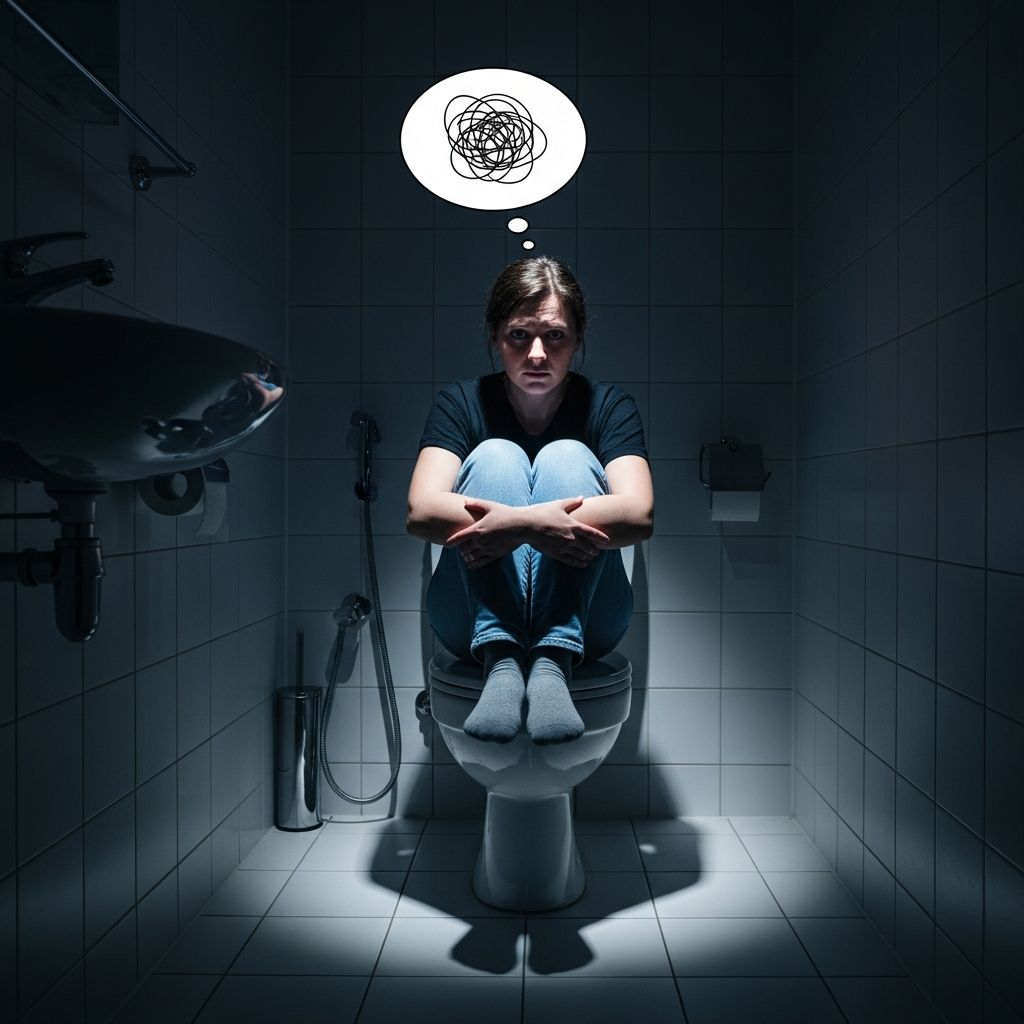
Anxiety about pooping is more common than many people realize, affecting approximately 6.5% to 32% of the population. Yet despite its prevalence, many individuals suffer in silence, often feeling ashamed to discuss this very real and potentially limiting condition. Whether you’re experiencing anxiety about using public restrooms or struggling to poop when you’re away from home, understanding this condition and learning effective management strategies can significantly improve your quality of life.
What Is Poop Anxiety?
Poop anxiety, clinically known as parcopresis, is a type of social anxiety or phobia characterized by the inability or difficulty to defecate in public settings or around other people. People with this condition often describe it as having a “shy bowel” or experiencing “shy bladder syndrome.” The anxiety stems from a fear of being judged, heard, or seen during bowel movements, particularly in environments where privacy is limited.
This condition can affect men, women, and children of all ages. Individuals with poop anxiety may experience intense fear and avoidance behaviors that can severely restrict their daily activities. The psychological nature of this condition means that physical symptoms—like constipation and digestive discomfort—often accompany the emotional distress.
Understanding the Impact on Daily Life
The consequences of untreated poop anxiety extend far beyond the bathroom. People with this condition often find themselves making life-altering decisions to avoid triggering situations:
- Avoiding social outings, holidays, and public events
- Declining travel opportunities due to fear of needing to use public restrooms
- Experiencing difficulties at work or school
- Limiting time away from their home and personal bathroom
- Experiencing relationship strain due to social isolation
- Developing secondary health issues from prolonged constipation
These limitations can profoundly affect mental health, relationships, career prospects, and overall quality of life. The shame and embarrassment associated with the condition often prevent individuals from seeking professional help, perpetuating the cycle of anxiety and avoidance.
Common Triggers of Poop Anxiety
Understanding what triggers your anxiety is the first step toward managing it. While triggers vary from person to person, several situations commonly cause distress:
Public Restroom Use
Using public restrooms is one of the most common triggers for poop anxiety. The anxiety may intensify when there are people waiting in line, when you’re concerned about being overheard, or when you worry about taking too long in the stall. The lack of privacy and the awareness of others nearby can activate anxiety responses that make bowel movements difficult or impossible.
Fear of Being Judged
A 2016 study found a strong link between anxiety about pooping and social anxiety, revealing that individuals often fear negative judgment from others. People worry that others will judge them based on sounds or smells associated with bowel movements, even though these are natural bodily functions.
Related Stories



Toilet Phobia
Some individuals experience additional anxiety related to the toilet itself, fearing that public restrooms are unclean or being anxious about being too far away from a toilet when needed. This fear can be rooted in concerns about hygiene or past negative experiences.
Travel and Unfamiliar Environments
Being away from home and unable to access your personal bathroom can trigger significant anxiety. The uncertainty of finding a private restroom in unfamiliar locations intensifies worry and can lead to avoidance of travel altogether.
The Anxiety-Constipation Cycle
One of the most problematic aspects of poop anxiety is how it creates a self-perpetuating cycle. Anxiety activates the body’s stress response, increasing muscle tension throughout the digestive tract. This tension makes bowel movements more difficult, which then increases anxiety about pooping, creating a feedback loop that’s hard to break without intervention.
Additionally, when people delay using the bathroom due to anxiety, they may develop constipation, characterized by:
- Hard, dry, or lumpy poop
- Fewer than three bowel movements per week
- Painful bowel movements
- A feeling that not all waste has been passed
- Nausea or stomach pain
This constipation can lead to serious health consequences if left untreated, making professional support essential.
Effective Treatment Options
The good news is that several evidence-based treatments can help reduce poop anxiety and restore normalcy to your life. You don’t have to suffer in silence.
Cognitive Behavioral Therapy (CBT)
Cognitive behavioral therapy is one of the most effective treatments for poop anxiety. This talking therapy helps you break down your thought processes and understand the roots of your anxiety. During CBT sessions, a therapist will help you:
- Identify automatic negative thoughts about pooping in public
- Reassess the actual level of threat or risk in public restroom situations
- Challenge catastrophic thinking patterns
- Develop coping strategies for anxiety triggers
- Gradually expose yourself to anxiety-provoking situations in a controlled manner
CBT can be particularly effective when combined with other treatments, such as medication.
Medication
Antidepressant medications can be used alongside therapy to help manage anxiety symptoms. These medications work by regulating neurotransmitters that affect mood and anxiety levels, making it easier to engage in therapeutic work and cope with triggers.
Other Therapeutic Approaches
Beyond CBT, other therapeutic approaches may help, including exposure therapy, acceptance and commitment therapy (ACT), and mindfulness-based interventions. Working with a mental health professional can help determine which approach is best for your unique situation.
Practical Strategies for Managing Poop Anxiety
Dietary Modifications
Adjusting your diet can help normalize your bowel movements, potentially reducing anxiety triggers:
- Increase fiber intake gradually to promote regular, predictable bowel movements
- Stay well-hydrated throughout the day
- Eat at consistent times to establish a regular bowel schedule
- Avoid foods that trigger constipation for you personally
- Limit caffeine and alcohol, which can affect bowel movements
By making your bowel movements more predictable, you may have fewer unexpected urges while in public, reducing overall anxiety.
Relaxation Techniques
Learning to manage the physical manifestations of anxiety can make a significant difference:
- Deep breathing exercises: Practice diaphragmatic breathing to activate your parasympathetic nervous system
- Progressive muscle relaxation: Systematically relax muscle groups throughout your body
- Meditation and mindfulness: Develop awareness of anxious thoughts without judgment
- Visualization: Imagine successfully using a public restroom with calm and ease
Gradual Exposure
With professional guidance, you can gradually expose yourself to anxiety-provoking situations. Start with less challenging environments—such as a quiet restroom with fewer people—and progressively work toward busier public facilities. This systematic desensitization helps your nervous system learn that these situations are safe.
Maintaining Healthy Bowel Habits
A healthful diet and consistent bathroom routine support digestive health and can reduce anxiety:
- Establish a regular time for bowel movements, preferably in the morning at home
- Never ignore the urge to have a bowel movement
- Consider a stool softener if needed, under medical guidance
- Exercise regularly to promote healthy digestion
When to Seek Professional Help
If poop anxiety is significantly affecting your quality of life, relationships, or career, it’s important to seek professional help. A healthcare provider can:
- Rule out underlying medical conditions causing digestive issues
- Refer you to a mental health professional specializing in anxiety disorders
- Prescribe medication if appropriate
- Monitor your progress and adjust treatment as needed
There is no shame in seeking treatment. This is a recognized condition with effective interventions, and professional support can be life-changing.
Frequently Asked Questions
Q: Is poop anxiety a mental health disorder?
A: Yes, poop anxiety (parcopresis) is classified as a type of social anxiety or phobia. It’s a recognized condition that can be effectively treated with therapy and, when necessary, medication.
Q: Can poop anxiety go away on its own?
A: While some people may experience mild anxiety that improves with self-help strategies, most cases benefit from professional treatment. Without intervention, anxiety often persists or worsens over time.
Q: Is it normal to feel embarrassed about this condition?
A: Absolutely. Many people with poop anxiety feel shame, which is why they delay seeking help. However, this condition is more common than you might think, affecting millions of people globally. Healthcare professionals are trained to help without judgment.
Q: Can constipation from anxiety cause serious health problems?
A: Yes, chronic constipation can lead to complications including hemorrhoids, anal fissures, fecal impaction, and even bowel obstruction in severe cases. This is why treatment is important for both mental and physical health.
Q: How long does treatment take?
A: Treatment duration varies depending on severity and individual factors. Many people begin seeing improvements within 8-12 weeks of cognitive behavioral therapy, though some may need longer-term support.
Q: Can I manage poop anxiety without medication?
A: Many people successfully manage poop anxiety through therapy alone, particularly cognitive behavioral therapy combined with lifestyle changes and relaxation techniques. However, some individuals benefit from medication as an adjunct to therapy.
References
- Anxiety about pooping: How to deal with it and stay regular — Medical News Today. 2024. https://www.medicalnewstoday.com/articles/anxiety-about-pooping
Similar Articles








Read full bio of Sneha Tete