Poop Changes After Having A Baby: Expert Tips For Recovery
Discover why postpartum bowel changes happen and get practical tips to ease constipation, discomfort, and recovery for new moms.
After giving birth, many new mothers experience significant changes in their bowel movements. Postpartum constipation, discomfort, and irregular pooping are incredibly common, affecting a large percentage of women as their bodies recover from delivery. These issues often stem from physical trauma, hormonal shifts, medications, and lifestyle factors like dehydration or stress. Understanding what to expect can reduce anxiety and help you take proactive steps for smoother recovery.
Why Pooping Changes After Giving Birth
Your body undergoes profound changes during pregnancy and delivery, which directly impact digestion and bowel function. The pelvic floor muscles, stretched or weakened from pushing during vaginal birth or surgical recovery from a C-section, can make it harder to control or pass stool. Pain medications like opioids slow gut motility, leading to harder stools. Iron supplements, common postpartum, exacerbate this. Dehydration from breastfeeding or low fluid intake hardens stool, while stress hormones like cortisol disrupt regularity, causing either constipation or loose stools.15 Studies indicate constipation can persist up to three months in some women.1
- Pelvic floor strain: Ligaments and muscles supporting the bladder, uterus, and colon feel stretched, sometimes mimicking prolapse, complicating bowel movements.5
- Hormonal effects: Progesterone lingers, slowing intestinal contractions; relaxin loosens rectal joints.2
- Delivery type: Vaginal births may allow pooping within 1-2 days; C-sections delay it 3-4 days due to surgical ‘sleep’ of bowels.5
When to Expect Your First Postpartum Poop
The timeline for your first bowel movement post-delivery varies. Most women poop within 3 days, but it depends on delivery method, pain meds, and hydration. Vaginal delivery moms often go within 1-2 days, while C-section patients or those on opioids wait 3-4 days as bowels ‘wake up’.15 Don’t panic if it’s delayed—your body is healing. Track intake of fluids, fiber, and movement to encourage it gently.
| Delivery Type | Typical First Poop Timeline | Common Influences |
|---|---|---|
| Vaginal | 1-2 days | Less surgical impact |
| C-Section | 3-4 days | Surgery, anesthesia |
| With Opioids | 3+ days | Slowed digestion |
Common Postpartum Poop Problems
Bowel issues affect 5-25% of women postpartum, including incontinence and urgency.3 Here’s a breakdown:
- Constipation: Hard, dry stools fewer than 3x/week; lasts up to 3 months.1
- Hemorrhoids/Fissures: Straining causes bleeding (bright red/pink); common from pregnancy irritation.25
- Fecal Incontinence: Leakage due to weakened pelvic muscles.3
- Diarrhea: Stress or meds; relaxin loosens stools.2
- Pain/Discomfort: Tears or stitches make passing stool scary.5
Pelvic floor therapists note these resolve with time, but habits accelerate healing.1
Tips to Make Pooping Easier Postpartum
Proactive strategies from pelvic floor experts promote regularity and comfort.
Hydration and Diet
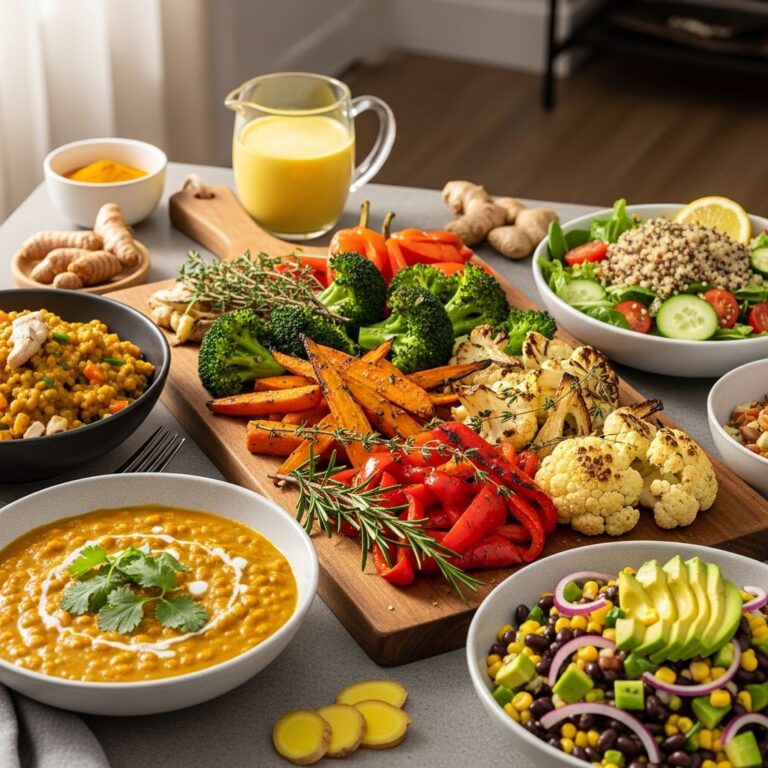
Drink 8-10 glasses of water daily, more if breastfeeding—dehydration hardens stool.15 Eat fiber-rich foods: fruits (prunes), veggies, whole grains. Avoid low-fiber processed foods.
- Prune juice or dried prunes: Natural laxative.
- Leafy greens, oats: Soften stools.
Gentle Movement
Light walking stimulates bowels without straining healing tissues.1 Start postpartum walks as cleared by your doctor.
Stool Softeners and Meds
Safe and routine: Docusate (Colace) prevents hard stools, especially with opioids or tears.5 Hospitals often discharge with them.
Bowel Habits
Don’t ignore urges; squat position (use stool under feet) aligns rectum. Relax perineum—breathe deeply, avoid pushing.1
Related Stories



Pelvic Floor Exercises for Better Bowel Control
Pelvic floor physical therapy strengthens muscles for continence and easier poops. Start with Kegels: Contract as if stopping urine flow, 10x/3 sets daily.1 Progress to bridges or therapist-guided virtual sessions. By 6 weeks, if leakage persists, seek PT—effective for 80% of cases.5
- Reverse Kegels: Relax pelvic floor to aid release.
- Breathing Exercises: Diaphragmatic breath reduces tension.
When to Call Your Doctor
Most issues self-resolve, but seek care for:
- No poop after 4 days despite tips.
- Severe pain, heavy bleeding, or black/tarry stools (infection risk).2
- Persistent incontinence past 6 weeks.35
- Fever, vomiting with constipation (bowel obstruction).1
Early intervention prevents complications like worsened hemorrhoids.
Frequently Asked Questions (FAQs)
Is postpartum constipation normal?
Yes, very—due to meds, dehydration, pelvic strain. It affects many moms up to 3 months.1
How long after birth should I poop?
1-4 days typically; C-section or opioids delay to 3-4 days.5
Are stool softeners safe while breastfeeding?
Yes, like Colace; consult your doctor.5
Can I get fecal incontinence after birth?
Yes, 5-25% experience leakage; PT helps.3
Why does poop hurt postpartum?
Tears, hemorrhoids, weak muscles; soften stools and use proper position.12
Long-Term Recovery and Prevention
By 6-12 weeks, most bowel function normalizes with consistent habits. Maintain hydration, fiber (25-30g/day), exercise, and pelvic exercises. Annual check-ups monitor pelvic health. Breastfeeding moms: Extra 500 calories, focus on water. Track symptoms in a journal for doctor visits.
Empowerment comes from knowledge—postpartum poop challenges are temporary. Gentle self-care supports your amazing recovery journey.
References
- Postpartum pooping: tips from a pelvic floor physical therapist — Hinge Health. 2023. https://www.hingehealth.com/resources/articles/postpartum-pooping-advice-from-a-pelvic-floor-physical-therapist/
- Pregnancy Poop: All the Ways Your Bowel Movements May Change — Healthline. 2023. https://www.healthline.com/health/pregnancy/pregnancy-poop
- Urinary and Bowel Problems After Pregnancy: You’re Not Alone — Orlando Health. 2023. https://www.orlandohealth.com/services-and-specialties/orlando-health-womens-institute/content-hub/urinary-and-bowel-problems-after-pregnancy-youre-not-alone/
- Bowel function in a prospective cohort of 1052 healthy term infants — PMC (NCBI). 2024-07-22. https://pmc.ncbi.nlm.nih.gov/articles/PMC11263225/
- What To Know About Pooping After Giving Birth — Cleveland Clinic. 2023. https://health.clevelandclinic.org/postpartum-poop
Similar Articles








Read full bio of Sneha Tete