Poop Color Meaning: 6 Stool Colors And What They Indicate
What the color of your stool reveals about digestive health, from normal brown to warning signs like black or red poop.
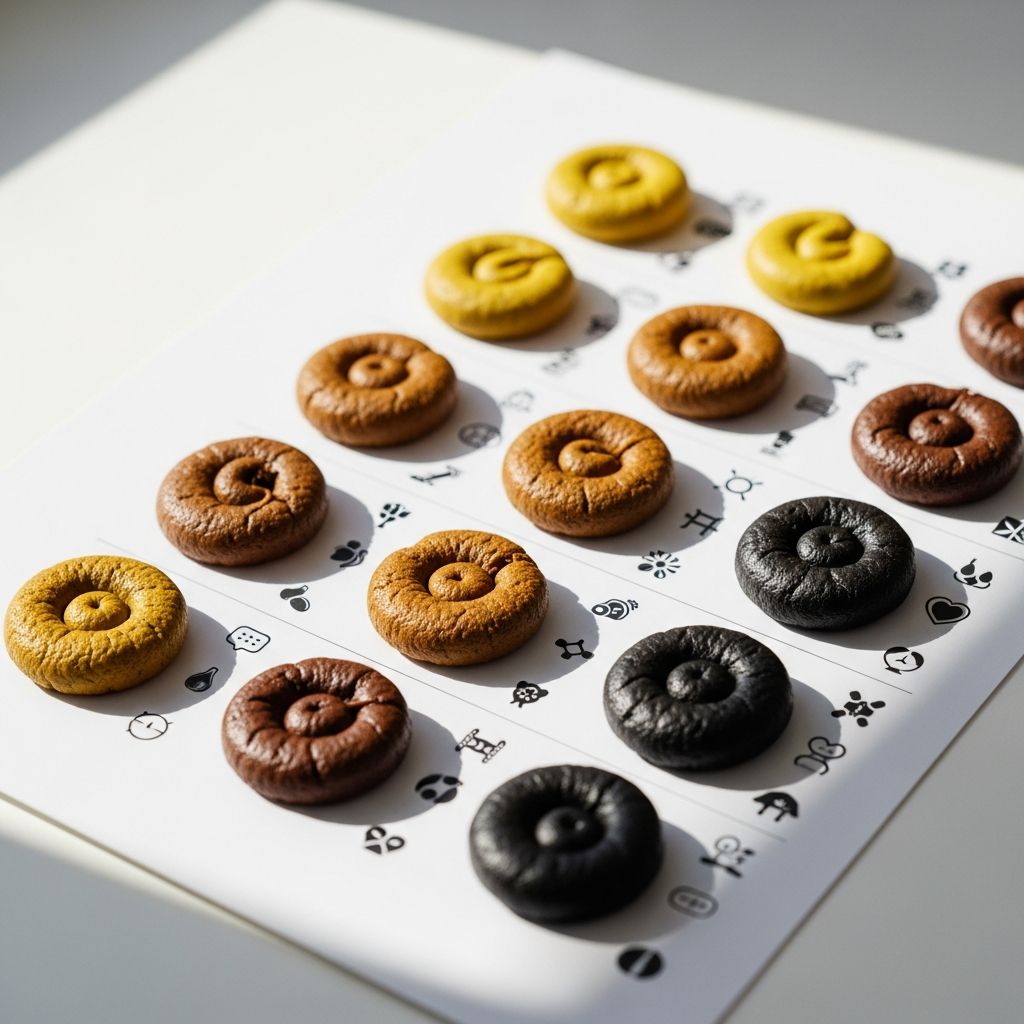
Your stool’s color provides key insights into digestive health, reflecting diet, transit time through the intestines, medications, and potential medical issues. Normal brown poop results from bilirubin processing, while unusual colors like green, black, or red often warrant attention.
What the Color of Your Poop Means
Stool color is determined by bile pigments, food, medications, and gut transit speed. Bilirubin from broken-down red blood cells turns stool brown in a healthy gut. Deviations can indicate rapid transit, bleeding, malabsorption, or bile issues.
Light to Dark Brown Poop
Brown stool, resembling milk chocolate, is ideal and signifies proper digestion. Bilirubin, produced in the liver from hemoglobin, travels through the intestines at a normal pace to create this color. Variations in shade from light to dark brown remain normal, influenced by diet and hydration.
- Caused by: Balanced bile processing and standard intestinal transit.
- When normal: Daily bowel movements without pain or changes.
Green Poop
Green stool often results from rapid intestinal transit, preventing bilirubin from fully converting bile’s green hue to brown. Bile from the liver and gallbladder is naturally green.
- Common causes: Eating leafy greens like spinach, iron supplements, antibiotics, green food dyes, infections, or conditions like Crohn’s disease or celiac disease.
- Usually harmless if temporary; monitor for persistence.
If accompanied by diarrhea or pain, it may signal gastrointestinal infection or disorder. Dietary adjustments often resolve it quickly.
Black Poop
Black, tarry stool (melena) typically indicates upper gastrointestinal bleeding, where blood dries en route to the rectum. This is a medical emergency requiring immediate doctor consultation.
- Other causes: Iron supplements, bismuth subsalicylate (Pepto-Bismol), or black licorice/blueberries in large amounts.
- Differentiate: Medication-induced black stool lacks sticky, foul-smelling tarry texture of melena.
Seek care if unexplained or persistent, as it could stem from ulcers, gastritis, or esophageal varices.
Yellow Poop
Yellow, greasy stool points to fat malabsorption (steatorrhea), often from pancreatic insufficiency, parasites, or celiac disease. It appears slimy and floats due to high fat content.
- Triggers: Pancreatic inflammation, infections, or congenital issues disrupting fat digestion.
- Yellowish-brown or pale differs: Greasy yellow needs prompt evaluation if lasting over two days.
Contact a doctor for diagnosis, potentially involving stool tests or imaging.
Pale, White, or Clay-Colored Poop
Pale or clay-colored stool signals bile duct obstruction or liver dysfunction, preventing bile salts from reaching the intestines. Colors range from white/gray to putty-like.
- Causes: Gallstones, tumors, hepatitis, or cirrhosis blocking bile flow.
- Urgency: Serious if persistent beyond two days; may accompany jaundice or abdominal pain.
Immediate medical assessment is crucial to address underlying biliary or hepatic problems.
Red or Maroon Poop
Related Stories



Bright red stool suggests lower GI bleeding near the rectum, while maroon indicates higher colon sources. Hemorrhoids are common, but others exist.
- Bleeding causes: Hemorrhoids, anal fissures, IBD, diverticulitis, polyps, or colorectal cancer.
- Non-bleeding: Red dyes from beets, tomatoes, or food coloring.
Any visible blood requires doctor evaluation, especially with cramps, weight loss, or family history of colon issues.
Poop Color Chart
| Color | Common Causes | Concern Level | Action |
|---|---|---|---|
| Brown | Bilirubin processing, normal diet | Low | Monitor |
| Green | Fast transit, greens, iron | Low-Medium | Diet check; see doc if persistent |
| Black/Tarry | Upper GI bleed, iron/Pepto | High | Call doctor immediately |
| Yellow/Greasy | Malabsorption, pancreas issues | High | See doctor if >2 days |
| Pale/Clay | Bile duct block, liver disease | High | Urgent medical care |
| Red | Lower GI bleed, red foods | High | Consult doctor |
This chart summarizes stool colors for quick reference, emphasizing when colors deviate from brown.
Other Factors Affecting Poop Color
Beyond color, consistency matters per Bristol Stool Scale (types 3-4 ideal). Diet, hydration, exercise, and stress influence both.
- Diet: High-fiber promotes brown, regular stools; excessive dye or supplements alter color.
- Medications: Antibiotics disrupt gut flora, causing green; others darken stool.
- Stress: Accelerates transit, leading to green or loose stools.
When to See a Doctor About Poop Color
Consult a healthcare provider for unexplained color changes lasting over 2-3 days, blood, pain, or accompanying symptoms like fever, weight loss, or jaundice. Early detection prevents complications.
- Red flags: Tarry black, persistent pale/yellow, bright red blood.
- Tests may include: Stool analysis, colonoscopy, bloodwork, or imaging.
Frequently Asked Questions (FAQs)
What does brown poop mean?
Brown poop indicates healthy digestion with proper bilirubin processing and normal gut transit.
Is green poop bad?
Often benign from diet or speed, but persistent green may need checking for infections or disorders.
Why is my poop black?
Possibly bleeding or supplements; tarry black requires urgent care.
Does yellow stool mean cancer?
Not necessarily, but signals malabsorption; see a doctor for evaluation.
What causes pale poop?
Bile flow issues from gallstones or liver problems; seek immediate help if ongoing.
Can food cause red poop?
Yes, red dyes or beets; true blood is brighter and often streaked.
Maintaining Healthy Bowel Movements
Support digestion with 25-30g daily fiber, 8 glasses water, exercise, and probiotics. Track changes via a journal for doctor discussions.
Normal frequency: 3 times/day to 3 times/week. Consistency like soft sausage is optimal.
References
- What the Color and Consistency of Your Poop Says About Your Health — UnityPoint Health. 2023-05-15. https://www.unitypoint.org/news-and-articles/what-the-color-and-consistency-of-your-poop-says-about-you
- Stool Color Changes — Mayo Clinic. 2024-08-10. https://www.mayoclinic.org/stool-color/expert-answers/faq-20058080
- Bristol Stool Chart — Cleveland Clinic. 2025-01-05. https://my.clevelandclinic.org/health/diagnostics/17079-bristol-stool-scale
- Gastrointestinal Bleeding — American College of Gastroenterology. 2024-11-20. https://gi.org/topics/gastrointestinal-bleeding/
- Bile Duct Diseases — National Institute of Diabetes and Digestive and Kidney Diseases (NIDDK). 2023-07-12. https://www.niddk.nih.gov/health-information/liver-disease/bile-duct-diseases
Similar Articles








Read full bio of Sneha Tete