Ulcerative Colitis Poop: What To Expect, Symptoms & Care
Understand how ulcerative colitis changes your stool, from diarrhea to blood and mucus, and when to seek medical help.
Ulcerative colitis (UC), a type of inflammatory bowel disease (IBD), causes chronic inflammation in the colon and rectum, leading to significant changes in stool appearance, frequency, and consistency. Patients often experience frequent loose or watery stools, sometimes mixed with blood, mucus, or pus, alongside urgency and abdominal pain. These symptoms reflect the disease’s impact on the distal colon, where inflammation disrupts normal bowel function.
While diarrhea is the hallmark, surprisingly, up to 27% of patients with active UC report hard stools indicative of constipation, often due to fecal stasis in the proximal colon despite distal irritability. Monitoring stool patterns is crucial for tracking flares, assessing treatment efficacy, and preventing complications like dehydration or anemia. This guide covers everything from typical UC poop characteristics to management tips and when to contact a doctor.
What Does Ulcerative Colitis Poop Look Like?
Stool in UC varies widely based on disease activity, extent (distal vs. total colitis), and medications. Common features include:
- Loose or watery consistency: Diarrhea affects 83% of active UC patients, driven by inflamed mucosa secreting excess fluid.
- Bloody stools: Bright red or maroon blood indicates rectal bleeding from ulcers; darker blood suggests upper colon involvement.
- Mucus and pus: White or yellowish discharge from irritated tissues.
- Small volume or pellet-like: Despite urgency, incomplete evacuation leads to frequent small stools (78% of cases).
During remission, stools normalize but may retain some looseness. Flares worsen these traits dramatically.
Common Stool Changes in Ulcerative Colitis
Frequent Diarrhea and Urgency
Increased defecation frequency (more than 3-4 times daily) occurs in 83% of active cases, with urgency in 85%. This stems from rectal hypersensitivity and reduced capacity from inflammation. Patients often feel a sudden, uncontrollable need to go, sometimes leading to incontinence. Tenesmus (straining sensation) affects 63%, compounding discomfort.
Bloody Stools (Hematochezia)
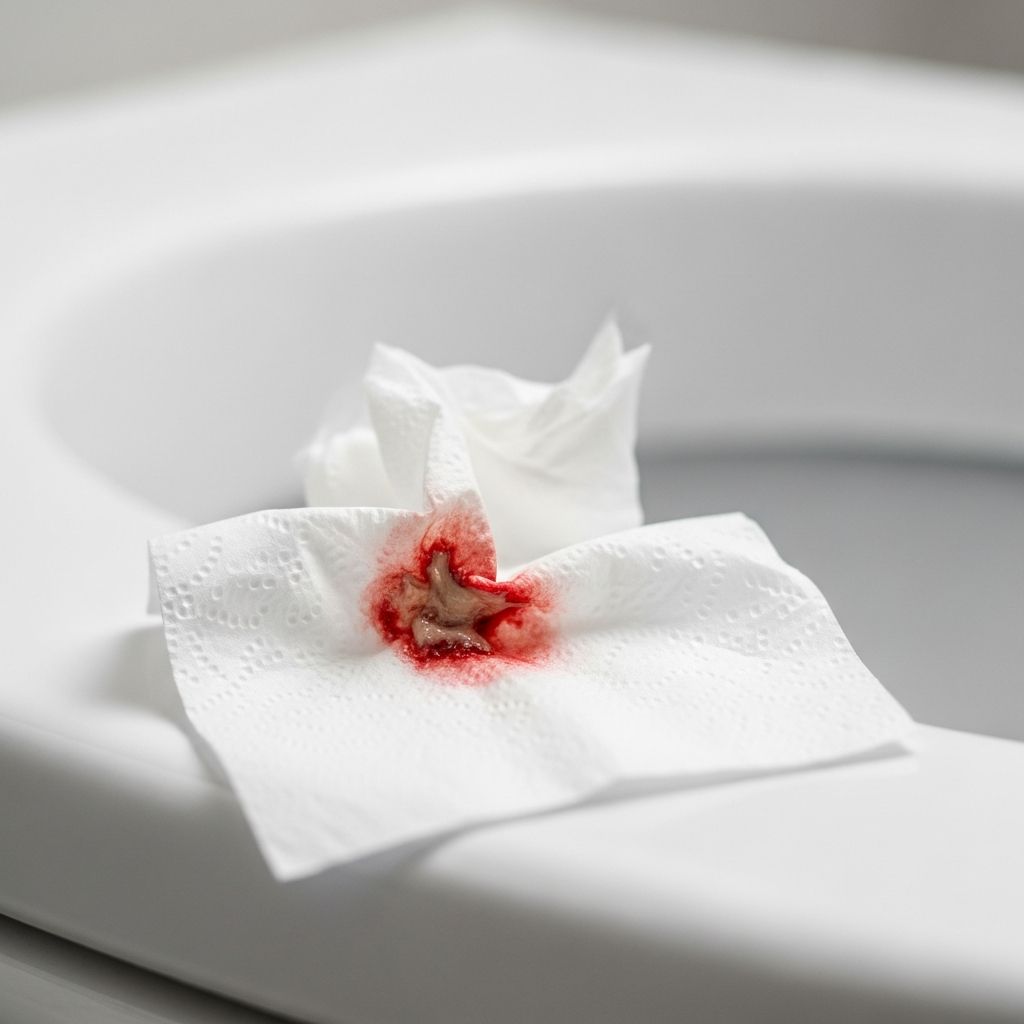
Blood in stool is a defining UC symptom, present in most active cases. It appears as streaks on formed stool, mixed in diarrhea, or pure blood with clots during severe flares. This results from mucosal ulcers bleeding easily. Chronic blood loss risks iron-deficiency anemia; track hemoglobin levels regularly.
Mucus and Pus in Stool
Excess mucus production is the colon’s response to irritation, appearing as jelly-like strands. Pus signals infection or severe inflammation. These are more common in left-sided or pancolitis UC.
Hard Stools or Constipation Paradox
Counterintuitively, 27% of active UC patients pass hard stools, more prevalent in flares than remission (p<0.05). This 'proximal constipation with distal irritability' happens when inflammation slows proximal transit, drying stool, while the distal colon spasms urgently.
Stool Frequency and Patterns by Disease Extent
UC extent influences patterns:
| Disease Extent | Stool Frequency (Active) | Key Symptoms |
|---|---|---|
| Proctitis (rectum only) | 3-10/day | Urgency, tenesmus, blood/mucus |
| Left-sided colitis | 5-15/day | Diarrhea, blood, cramps |
| Pancolitis (entire colon) | 10+/day | Severe diarrhea, systemic symptoms |
Symptoms like urgency and incomplete evacuation are equally common across extents, tied to distal colon inflammation. Quiescent disease reduces frequency to 1-2/day.
Related Stories



Why Does UC Cause These Stool Changes?
UC involves immune-mediated attacks on the colon lining, creating ulcers, edema, and crypt abscesses. This:
- Impairs water absorption, causing diarrhea.
- Exposes blood vessels, leading to bleeding.
- Triggers mucus hypersecretion.
- Alters motility: proximal stasis vs. distal hyperactivity.
Triggers include genetics, gut microbiome dysbiosis, environmental factors, and stress.
When to Worry About UC Stool Changes
Most changes are expected, but seek immediate care for:
- >10 bloody stools/day.
- Severe dehydration (dizziness, dry mouth).
- Fever >101°F, suggesting infection or toxic megacolon.
- Black/tarry stools (melena, upper GI bleed).
- Sudden constipation after diarrhea (obstruction risk).
Nighttime bowel movements or weight loss warrant prompt evaluation.
Managing Stool Symptoms in UC
Medications
- Aminosalicylates (5-ASA): Mesalamine reduces inflammation, firming stools.
- Corticosteroids: For flares, budesonide targets the colon.
- Biologics: Anti-TNF like infliximab heal mucosa.
- Antidiarrheals: Loperamide cautiously; avoid in infection.
Diet and Lifestyle
- Low-residue diet during flares: white rice, bananas, toast.
- Hydrate with oral rehydration solutions.
- Probiotics may help microbiome balance.
- Small, frequent meals reduce bulk.
Surgery
Colectomy (colon removal) cures UC but requires ileostomy or J-pouch, altering stool to liquid from the small intestine.
Tracking Your UC Stool Symptoms
Use a daily log:
| Date | Frequency | Consistency (Bristol Scale) | Blood/Mucus | Pain/Urgency | Notes |
|---|---|---|---|---|---|
| Example | 8 | 6-7 (watery) | Yes, streaks | High | Flares after dairy |
Share with your gastroenterologist for tailored care.
Frequently Asked Questions (FAQs)
Is blood in stool always a UC flare?
Not always; hemorrhoids, fissures, or polyps can mimic. Colonoscopy differentiates.
Can UC cause constipation?
Yes, 27% of active patients have hard stools from proximal stasis.
How often should UC patients have colonoscopies?
Every 1-3 years in remission for cancer screening, per guidelines.
Does diet cure UC stool issues?
No, but low-FODMAP or specific carb diets reduce symptoms in some.
What if OTC antidiarrheals don’t help?
Contact your doctor; may indicate uncontrolled inflammation.
Key Takeaways
- UC poop is typically loose, frequent, bloody, with mucus/urgency.
- Hard stools occur paradoxically in active disease.
- Track symptoms and seek care for severe changes.
- Treatment controls but rarely eliminates bowel alterations.
References
- Symptoms and stool patterns in patients with ulcerative colitis — S S Rao, C D Holdsworth, N W Read. 1988-03-01. https://pmc.ncbi.nlm.nih.gov/articles/PMC1433596/
- Clinical manifestations and diagnosis of ulcerative colitis — UpToDate / Wolters Kluwer. 2025. https://www.uptodate.com/contents/clinical-manifestations-and-diagnosis-of-ulcerative-colitis
- Ulcerative colitis — Mayo Clinic. 2024-07-02. https://www.mayoclinic.org/diseases-conditions/ulcerative-colitis/symptoms-causes/syc-20353326
- Management of ulcerative colitis — American College of Gastroenterology. 2023. https://journals.lww.com/ajg/fulltext/2023/01000/acg_clinical_guideline__ulcerative_colitis_in.13.aspx
Similar Articles








Read full bio of Sneha Tete