Popcorn Lung: Causes, Symptoms, Treatment & Prevention
Understanding bronchiolitis obliterans: causes, symptoms, diagnosis, and management strategies.
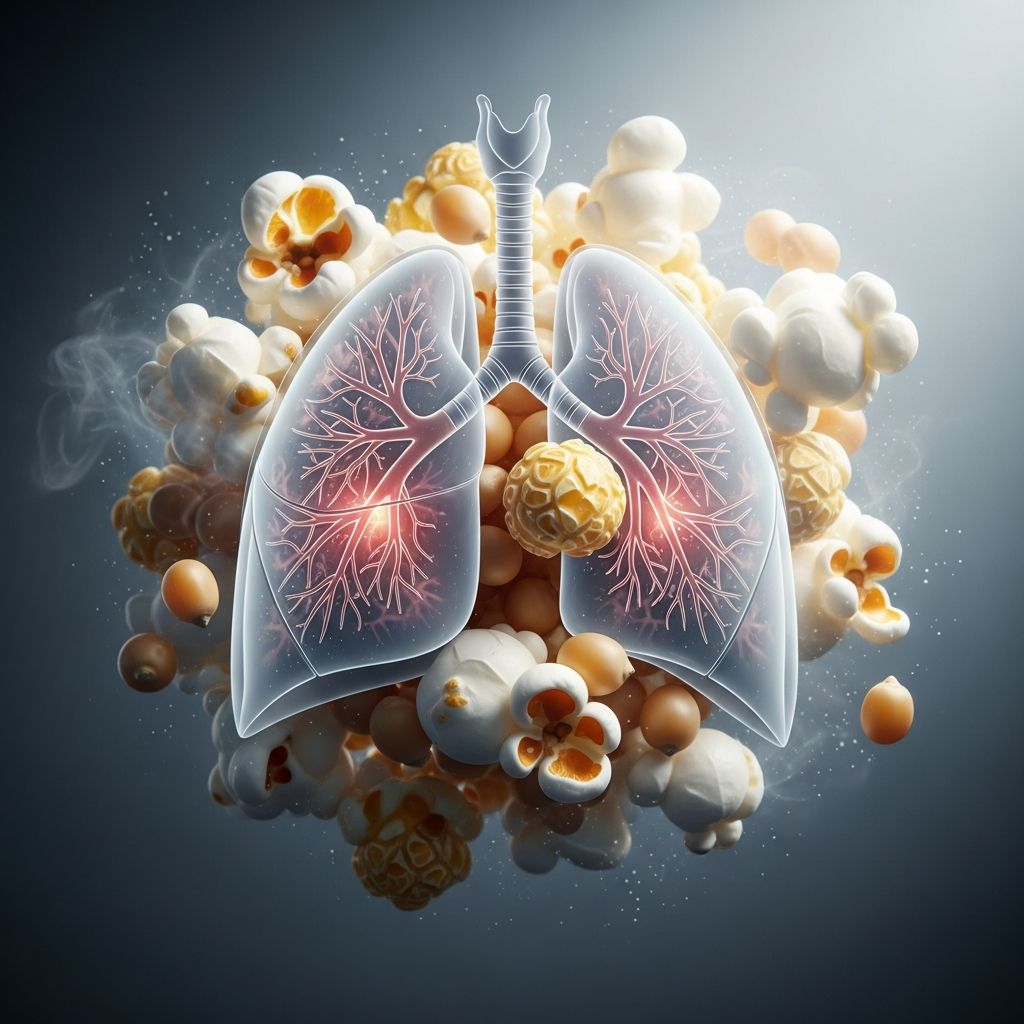
What Is Popcorn Lung?
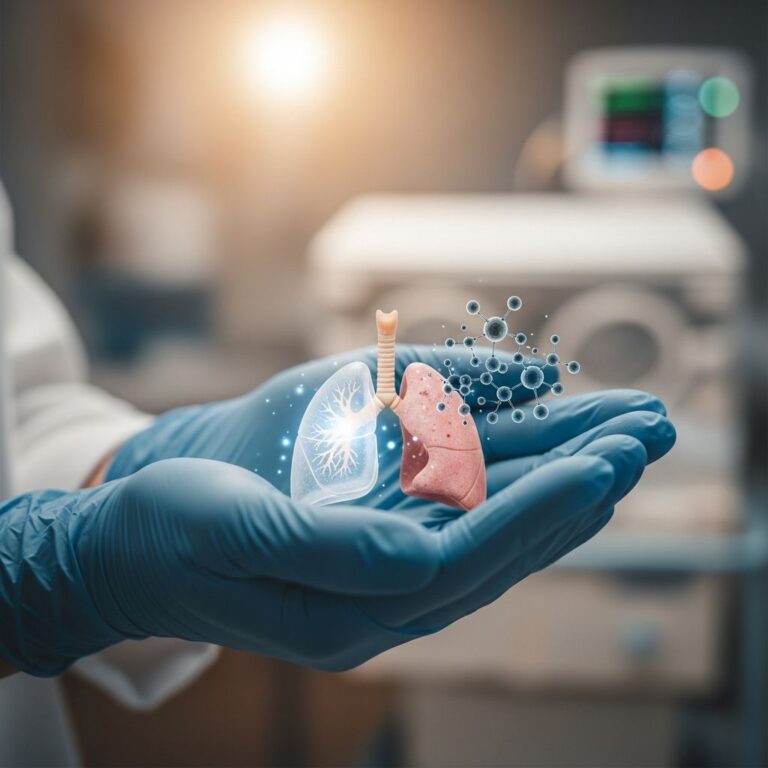
Bronchiolitis obliterans, commonly known as ”popcorn lung,” is a serious respiratory condition that affects the bronchioles—the smallest airways in your lungs. When you have this condition, these tiny airways become inflamed, damaged, and then scarred due to exposure to toxic substances or from certain infections. The damaged tissue heals through scarring, which causes the airways to narrow significantly, restricting airflow and making breathing difficult.
The condition earned its distinctive nickname in the 1980s when researchers identified cases of bronchiolitis obliterans among workers at a microwave popcorn factory. These workers had been exposed to diacetyl, a chemical used to create buttery flavoring in microwave popcorn. Other terms for this condition include obliterative bronchiolitis or constrictive bronchiolitis, though popcorn lung remains the most widely recognized name among the general public.
While popcorn lung might sound like a made-up disease, it is very real and represents a serious lung condition that requires lifelong management. The damage caused by this condition is irreversible, making prevention and early detection critical for managing symptoms and maintaining quality of life.
Understanding the Causes of Popcorn Lung
Popcorn lung develops when the bronchioles are exposed to toxic chemicals, infections, or certain medical conditions. Understanding these causes is essential for prevention and risk assessment.
Chemical Exposures
Diacetyl remains the most famous cause of popcorn lung. This flavoring chemical, used extensively in microwave popcorn production, gained notoriety after workers at the Gilster-Mary Lee popcorn plant in Jasper, Missouri developed bronchiolitis obliterans. Following these cases, many companies discontinued using diacetyl in their products. However, it continues to be used in some electronic cigarette flavors in the United States, though its use in e-cigarettes is banned in Europe.
Beyond diacetyl, numerous other chemicals can trigger popcorn lung:
- Chlorine and ammonia
- Sulfur dioxide and nitrogen dioxide
- Welding fumes
- Acetaldehyde and formaldehyde
- Hydrochloric acid and phosgene
- Sulfur mustard (mustard gas)
Workers in manufacturing facilities, chemical plants, and other industrial settings where these substances are present face heightened risk of developing bronchiolitis obliterans through occupational exposure.
Vaping and E-Cigarette Use
E-cigarettes present a significant modern risk factor for popcorn lung. Certain vape liquids contain diacetyl or similar flavoring compounds that can damage lung tissue when inhaled. The vapor from e-cigarettes may affect not only the person vaping but also individuals in close proximity who inhale secondhand vapor.
Infections and Medical Conditions
Popcorn lung can develop following serious respiratory infections, including pneumonia, bronchitis, and respiratory syncytial virus (RSV), particularly in children. Certain autoimmune and connective tissue disorders are also associated with bronchiolitis obliterans development.
Related Stories



Post-Transplant Complications
Individuals who have received lung transplants or stem cell transplants face particular risk. If the body attempts to reject the new organ, popcorn lung may develop as a complication. This condition represents the primary cause of death in people who have received lung transplants.
Recognizing the Symptoms
The symptoms of popcorn lung typically manifest between 2 weeks and 2 months after exposure to toxic substances or following illness, though the timeline can vary significantly. For individuals with a history of lung transplant, symptoms may take several years to appear.
Primary Symptoms
The most characteristic symptom is a persistent, dry cough that does not produce mucus or secretions. This cough often develops gradually and worsens over time. Accompanying this is significant shortness of breath, particularly noticeable during physical exertion or heavy labor. Many patients experience wheezing even without a history of asthma or current cold.
Secondary Symptoms
Additional symptoms that may accompany popcorn lung include:
- Unexplained fatigue and tiredness
- Flu-like illness with fever
- Unintended weight loss
- Eye, skin, mouth, or nose irritation (if caused by chemical exposure)
It is important to note that symptoms are progressive and continuous rather than episodic. Unlike asthma, which may have intermittent flare-ups, popcorn lung symptoms typically occur regularly once they begin. Some individuals may not experience symptoms initially, making early detection more challenging.
Diagnosis and Medical Evaluation
Healthcare providers use several diagnostic approaches to identify popcorn lung and confirm the diagnosis. A thorough evaluation typically includes:
Medical History and Physical Examination
Your doctor will ask detailed questions about your occupational history, any chemical exposures, smoking or vaping habits, and recent illnesses. During the physical examination, the physician will listen to your lungs with a stethoscope to detect abnormal sounds.
Imaging Tests
High-resolution computed tomography (CT) scans provide detailed images of the lungs and can reveal the characteristic patterns of bronchiolitis obliterans, including narrowing of the airways and air trapping.
Pulmonary Function Testing
Spirometry and other breathing tests measure how well your lungs function and can help confirm airway obstruction characteristic of popcorn lung.
Treatment and Management Approaches
While popcorn lung cannot be cured, early detection and proper management can help slow disease progression and improve quality of life.
The Importance of Stopping Exposure
The first and most critical step in managing popcorn lung is eliminating further exposure to harmful substances. If your condition results from occupational exposure, you must stop working in that environment or utilize appropriate protective equipment as recommended. If you smoke cigarettes or use e-cigarettes, quitting immediately is essential to prevent additional lung damage.
Medication Management
Healthcare providers may prescribe medications to help manage symptoms and slow disease progression. Bronchodilators can help open airways, while corticosteroids may reduce inflammation. Treatment plans are individualized based on disease severity and specific patient needs.
Lifestyle and Supportive Care
Regular monitoring through follow-up appointments and pulmonary function tests helps track disease progression. Your healthcare provider may recommend pulmonary rehabilitation programs that include breathing exercises, physical activity, and nutritional counseling to optimize respiratory function.
Can Popcorn Lung Be Reversed?
The short answer is no. Bronchiolitis obliterans is irreversible. Once the damage to the bronchioles occurs and scarring develops, the tissue cannot repair itself to its original state. However, management becomes increasingly effective when the disease is detected early, potentially slowing progression and maintaining better lung function for longer periods.
This irreversibility underscores the critical importance of prevention through avoiding known risk factors and seeking immediate medical attention if you suspect exposure to harmful substances.
Is Popcorn Lung Contagious?
No, popcorn lung is not contagious. You cannot contract bronchiolitis obliterans from other people, nor can you transmit it to others. The condition develops only through personal exposure to causative factors such as toxic chemicals, infections, or medical complications.
Risk Factors and Prevention
Certain occupations carry higher risk for popcorn lung development. Workers in microwave popcorn factories, flavoring manufacturing plants, and facilities where harmful chemicals are present face occupational hazards. Individuals who use e-cigarettes or vaping products containing flavoring compounds also face increased risk.
Prevention strategies include:
- Using appropriate protective equipment in occupational settings with known harmful substance exposure
- Avoiding or quitting e-cigarette and vaping use
- Not smoking cigarettes
- Maintaining good respiratory health and promptly treating respiratory infections
- Following workplace safety protocols and regulations
When to Seek Medical Attention
Contact your healthcare provider if you experience a persistent dry cough lasting more than a few weeks, unexplained shortness of breath, wheezing without asthma history, or other respiratory symptoms. If you have occupational exposure to known harmful chemicals or use vaping products and develop respiratory symptoms, seek medical evaluation promptly.
Frequently Asked Questions
Q: Is popcorn lung a real disease?
A: Yes, popcorn lung is a serious and real respiratory condition. It earned its nickname from cases identified in popcorn factory workers exposed to diacetyl, but it can develop from various causes including other chemical exposures, infections, and medical conditions.
Q: Can popcorn lung be cured?
A: No, bronchiolitis obliterans cannot be cured. The lung damage and scarring are permanent and irreversible. However, early detection and proper management can slow disease progression and help maintain better quality of life.
Q: How long does it take for symptoms to appear?
A: Symptoms typically appear between 2 weeks and 2 months after exposure to toxic substances or illness. However, in individuals with lung transplant history, symptoms may take several years to manifest.
Q: Is diacetyl still used in products today?
A: While diacetyl use has been significantly reduced in microwave popcorn following awareness of health risks, it is still found in some e-cigarette flavoring liquids in the United States, though its use in e-cigarettes is banned in Europe.
Q: Can secondhand vape exposure cause popcorn lung?
A: While research continues, exposure to vape vapor containing harmful chemicals like diacetyl or similar flavoring compounds may affect people in close proximity to those vaping, though individual susceptibility varies.
Q: What should I do if I’ve been exposed to harmful chemicals?
A: Seek immediate medical attention and inform your healthcare provider about the exposure. Avoid further contact with the harmful substance and follow medical recommendations for monitoring and treatment.
References
- Popcorn Lung: Causes, Symptoms, Treatment & Is It Real — Cleveland Clinic. 2024. https://my.clevelandclinic.org/health/diseases/22590-popcorn-lung-bronchiolitis-obliterans
- Popcorn Lung – Causes, Symptoms, Diagnosis & Treatment — WebMD. 2024. https://www.webmd.com/lung/popcorn-lung
- Bronchiolitis Obliterans — National Center for Biotechnology Information (NCBI). 2024. https://en.wikipedia.org/wiki/Bronchiolitis_obliterans
- Popcorn Lung: Symptoms, Causes, Treatment, Prevention — Healthline. 2024. https://www.healthline.com/health/popcorn-lung
- Bronchiolitis Obliterans – StatPearls — National Institutes of Health (NIH). 2023. https://www.ncbi.nlm.nih.gov/books/NBK441865/
- Bronchiolitis Obliterans (Popcorn Lung) — American Lung Association. 2024. https://www.lung.org/lung-health-diseases/lung-disease-lookup/popcorn-lung
Similar Articles








Read full bio of medha deb