Popcorn Lung: Symptoms, Causes, and Treatment Options
Understanding bronchiolitis obliterans: Learn about symptoms, causes, and management strategies.
What is Popcorn Lung?
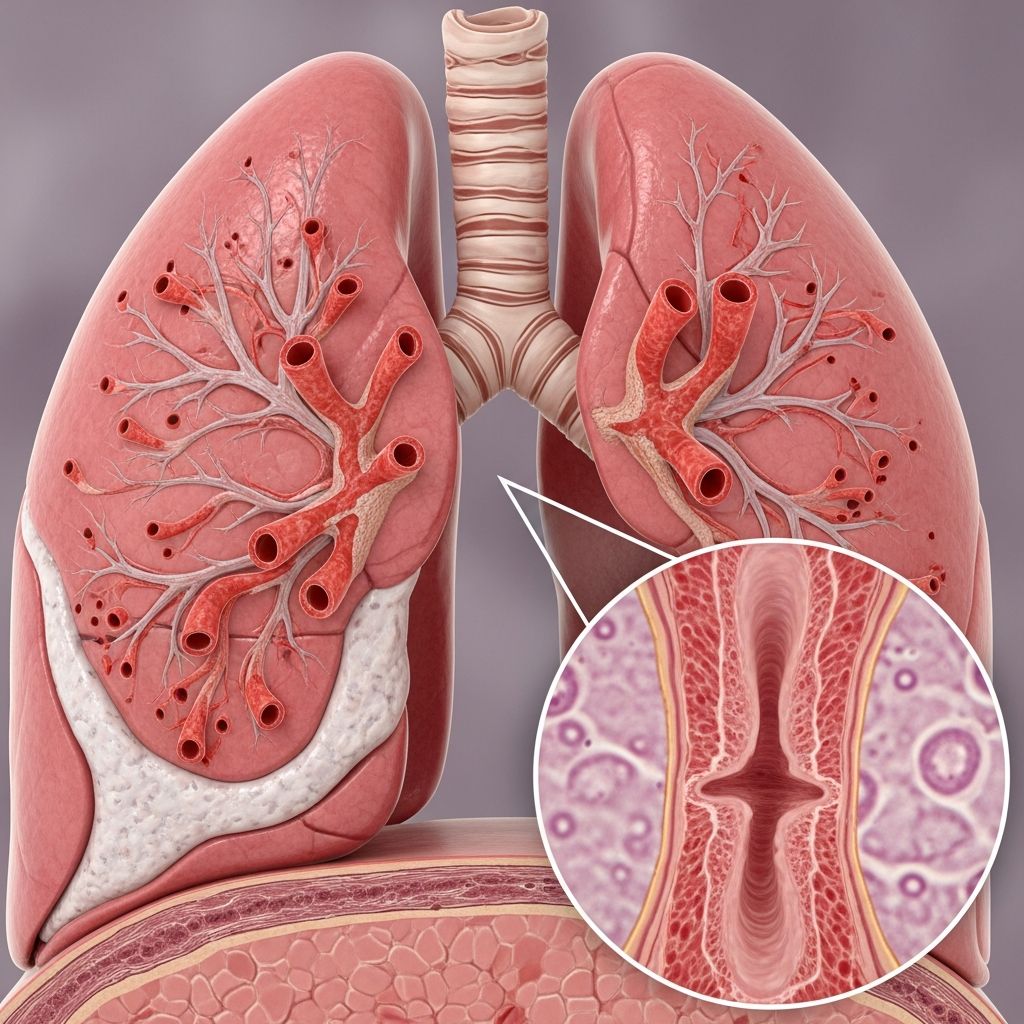
Popcorn lung is the common name for a serious respiratory condition medically known as bronchiolitis obliterans. This disease affects the bronchioles, which are the smallest airways in your lungs. When you have popcorn lung, these delicate airways become inflamed, damaged, and ultimately scarred due to exposure to toxic substances or severe infections. The condition is also referred to as obliterative bronchiolitis or constrictive bronchiolitis.
The distinctive nickname “popcorn lung” originated from a specific occupational outbreak. Workers at a microwave popcorn factory developed the disease after breathing in diacetyl, a chemical used to create the buttery flavoring in popcorn. While popcorn lung is considered rare, it is a serious condition that can affect anyone exposed to the right risk factors, whether through occupational exposure, environmental contact, or personal habits like vaping.
Unlike many other lung conditions, popcorn lung is not contagious. You cannot contract it from other people, nor can you transmit it to others, even through close contact or shared air space.
Understanding the Causes of Popcorn Lung
Popcorn lung develops when toxic chemicals or severe lung infections damage the bronchioles. Understanding the various causes is essential for prevention and risk reduction.
Chemical Exposure
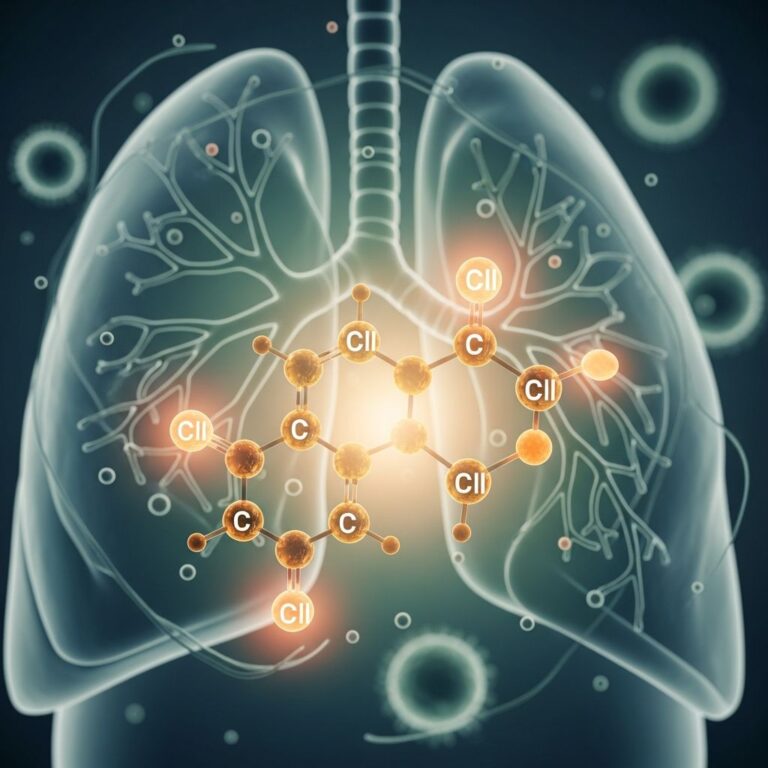
Diacetyl is the primary chemical historically associated with popcorn lung. This butter-flavoring compound was widely used in microwave popcorn production until manufacturers recognized the danger and removed it from most products. However, diacetyl remains present in some electronic cigarette and vaping liquids.
Acetaldehyde is another common culprit. This chemical is found in marijuana smoke and some electronic cigarette products, and it can damage the lining of your mouth, throat, and stomach.
Additional chemicals that can trigger popcorn lung include:
- Ammonia
- Chlorine
- Formaldehyde
- Metal oxide fumes from welding
- Sulfur dioxide
- Hydrochloric acid
- Nitrogen oxides
- Sulfur mustard (mustard gas)
Workers in various industries face occupational exposure risks. Beyond popcorn factories, diacetyl has been found in workers at coffee roasting plants, and other manufacturing sectors use similar harmful chemicals.
Infections and Medical Conditions
Popcorn lung is not always caused by chemical exposure. Serious respiratory infections can trigger the condition, including pneumonia and bronchitis. Additionally, individuals with certain autoimmune conditions, such as rheumatoid arthritis, have an elevated risk of developing bronchiolitis obliterans.
Lung transplant recipients are at particular risk, as popcorn lung is the primary cause of death in people who have undergone lung transplant procedures. When the body attempts to reject a transplanted organ or stem cells, it can lead to this condition.
Vaping and E-Cigarettes
Electronic cigarettes and vaping products present a modern risk factor for popcorn lung. E-cigarette liquids contain many different types of chemicals that may be dangerous to lung tissue. Although some e-cigarette manufacturers claim they have removed diacetyl from their products, and European regulators have banned its use, diacetyl can still be found in some US vaping products.
Related Stories



Recognizing the Symptoms of Popcorn Lung
The symptoms of popcorn lung often develop gradually and may not appear immediately. The primary symptoms are a dry cough and shortness of breath, which typically appear between 2 weeks and 2 months after exposure to toxic substances or after a serious lung infection.
Common symptoms of bronchiolitis obliterans include:
- Dry cough (not caused by asthma or a cold)
- Shortness of breath (dyspnea), especially during exercise or physical exertion
- Wheezing
- Unexplained fatigue or tiredness
- Fever
- Night sweats
- Skin rash
- Weight loss
It is important to note that some people who have popcorn lung may not experience symptoms initially. Symptoms tend to worsen over time and are especially noticeable during physical activity or heavy labor. If you experience unexplained tiredness or wheezing without asthma or a cold, these could be early warning signs.
For lung transplant recipients, symptoms may take several years to develop. If you experience breathing difficulties that do not improve or seem to worsen during exercise, it is essential to consult your primary care provider immediately.
Diagnosis of Popcorn Lung
Diagnosing popcorn lung involves a combination of clinical evaluation, imaging tests, and sometimes lung biopsies. Your healthcare provider will review your medical history, occupational background, and exposure risks. Several tests can help your doctor rule out other conditions and confirm a diagnosis of bronchiolitis obliterans.
Diagnostic procedures typically include chest X-rays or CT scans to visualize lung damage, pulmonary function tests to measure how well your lungs are working, and potentially bronchoscopy with biopsy to examine the airways directly. Early detection is crucial, as managing the disease is more effective when caught in its earlier stages.
Treatment and Management of Popcorn Lung
There is currently no cure for popcorn lung. The scarring caused by bronchiolitis obliterans is irreversible, meaning the damage cannot be undone. However, various treatment options can help manage symptoms and slow disease progression.
First Steps: Stopping Exposure
The most critical step in managing popcorn lung is eliminating further exposure to harmful chemicals. If your workplace exposes you to toxic substances, use all recommended protective equipment and follow safety protocols. If you smoke or vape, quitting is essential to protect your remaining lung function.
Medications
Treatment options for popcorn lung may include:
- Corticosteroids: These medications work very well to reduce inflammation in the airways. However, they may cause side effects including increased infection risk, elevated blood sugar, mood changes, and osteoporosis with long-term use.
- Bronchodilators to help open airways and improve breathing
- Oxygen therapy for those with severely reduced oxygen levels
- Immunosuppressive medications in certain cases
Long-Term Management
Popcorn lung requires lifelong management. Symptoms may not always respond well to treatment, and the condition can be progressive. Regular follow-up care with a pulmonologist or respiratory specialist is essential. Without treatment, popcorn lung could potentially be fatal, making consistent medical supervision important.
Managing the condition involves monitoring lung function, adjusting medications as needed, and maintaining overall health through appropriate exercise and nutrition. Many patients benefit from pulmonary rehabilitation programs that teach breathing techniques and exercise strategies.
Can Popcorn Lung Be Reversed?
No, popcorn lung cannot be reversed. Bronchiolitis obliterans is an irreversible condition. Once the airways become scarred, the damage is permanent, and you cannot restore them to their original state. The focus of treatment is to stop making the condition worse by avoiding further exposure to damaging substances.
This is why early detection and intervention are so important. While reversal is not possible, catching the disease early allows healthcare providers to slow its progression and better manage symptoms.
Prevention Strategies
While there is no way to eliminate all risk, several steps can help reduce your chances of developing popcorn lung:
- Avoid vaping and e-cigarettes, which may contain diacetyl and other harmful chemicals
- Use appropriate respiratory protection in occupational settings with known chemical hazards
- Follow workplace safety protocols and regulations designed to minimize chemical exposure
- Seek prompt treatment for respiratory infections like pneumonia and bronchitis
- Quit smoking, which damages lung tissue and increases overall respiratory disease risk
- Maintain awareness of chemicals in your environment and take precautions
Frequently Asked Questions
Q: Is popcorn lung contagious?
A: No, popcorn lung is not contagious. You cannot catch it from other people or transmit it to others, even with close contact or shared air space.
Q: Can popcorn lung be cured?
A: Unfortunately, there is no cure for popcorn lung. The airway damage and scarring are irreversible. Treatment focuses on managing symptoms and preventing further deterioration.
Q: How long after exposure do symptoms appear?
A: Symptoms typically appear between 2 weeks and 2 months after exposure to toxic chemicals. However, some people may not experience symptoms initially, and in lung transplant recipients, symptoms can take several years to develop.
Q: Is popcorn lung fatal?
A: Without proper treatment, popcorn lung can be life-threatening. However, with appropriate medical management and lifestyle changes, many people can manage the condition and maintain quality of life.
Q: Can I get popcorn lung from eating microwave popcorn?
A: The risk from eating microwave popcorn is extremely low, as diacetyl has been removed from most products. The primary risk comes from inhaling the chemical during manufacturing or from vaping products that contain diacetyl.
Q: What should I do if I think I have popcorn lung?
A: If you experience unexplained shortness of breath, dry cough, or wheezing, contact your healthcare provider immediately. Inform them of any potential chemical exposures or vaping use. Early diagnosis and intervention are critical for managing the condition.
When to Seek Medical Attention
You should consult a healthcare provider if you experience persistent dry cough, shortness of breath that worsens with activity, unexplained fatigue, or wheezing without an obvious cause. Be especially vigilant if you have occupational exposure to chemicals, have used vaping products, or have had a lung transplant. Early medical evaluation can help catch popcorn lung in its earlier stages when management is most effective.
Conclusion
Popcorn lung, or bronchiolitis obliterans, is a serious and irreversible lung condition that requires lifelong management. While there is no cure, understanding the causes, recognizing symptoms, and seeking early medical intervention can help slow disease progression and improve quality of life. The most important step is avoiding exposure to harmful chemicals, whether through occupational precautions or lifestyle choices like quitting vaping. If you suspect you may have popcorn lung, consult your healthcare provider promptly for proper diagnosis and treatment planning.
References
- Popcorn Lung (Bronchiolitis Obliterans) — Cleveland Clinic. 2024. https://my.clevelandclinic.org/health/diseases/22590-popcorn-lung-bronchiolitis-obliterans
- What Is Popcorn Lung? — Baptist Health. 2024. https://www.baptisthealth.com/blog/respiratory/what-is-popcorn-lung
- Popcorn Lung – Causes, Symptoms, Diagnosis, and Treatment — WebMD. 2024. https://www.webmd.com/lung/popcorn-lung
- Popcorn Lung: Causes, Symptoms, and Treatment — Medical News Today. 2024. https://www.medicalnewstoday.com/articles/318260
- All You Need to Know About Popcorn Lung — Emergency Hospitals. 2024. https://www.emergencyhospitals.care/all-you-need-to-know-about-popcorn-lung/
- Bronchiolitis Obliterans (Popcorn Lung) — American Lung Association. 2024. https://www.lung.org/lung-health-diseases/lung-disease-lookup/popcorn-lung
Similar Articles








Read full bio of medha deb