Popcorn Lung: What It Is and Who Is at Risk
Understanding bronchiolitis obliterans: causes, symptoms, risk factors, and prevention strategies.
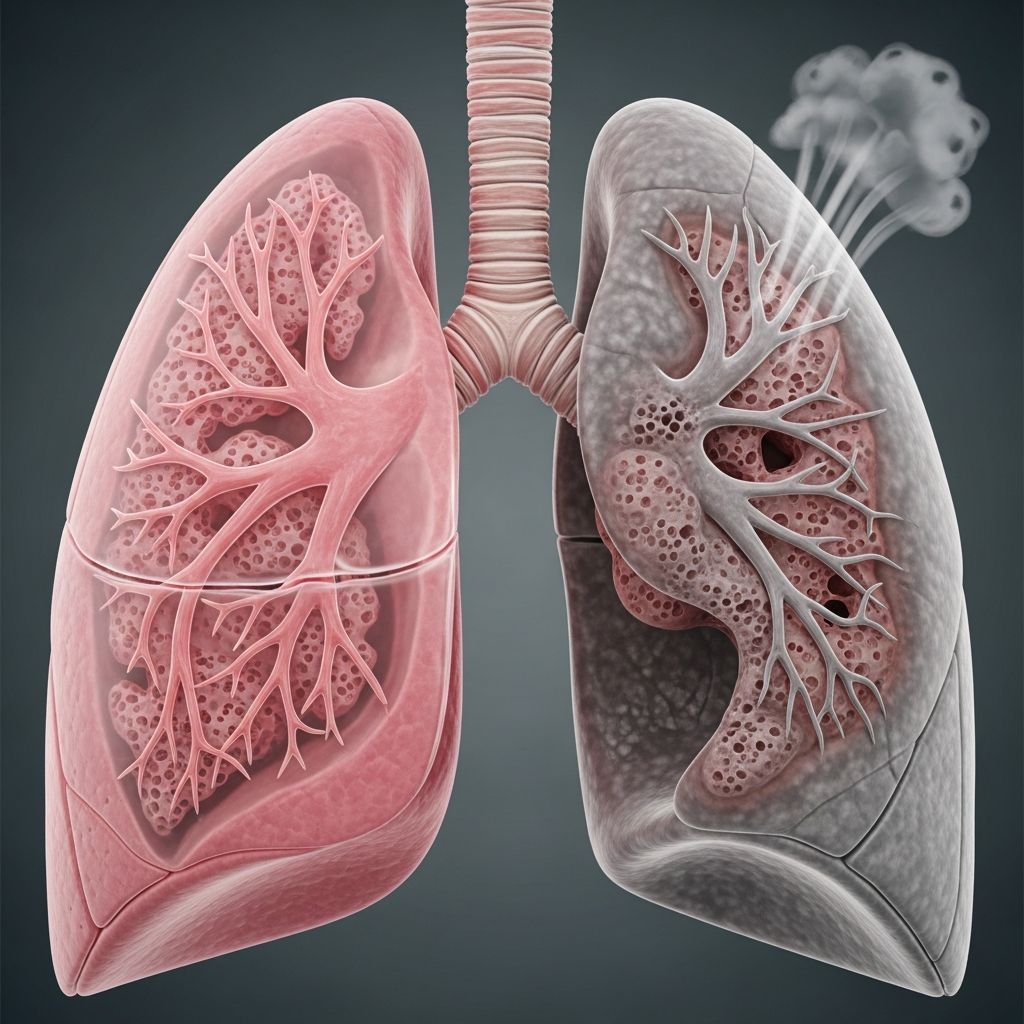
Popcorn lung is a serious and often misunderstood respiratory condition that has captured public health attention over the past two decades. While the nickname might sound lighthearted, the disease itself is anything but trivial. Understanding this condition, its causes, symptoms, and risk factors is essential for protecting your respiratory health in an increasingly hazardous chemical environment.
What Is Popcorn Lung?
Popcorn lung is the common name for bronchiolitis obliterans, a rare but serious lung disease that damages the smallest airways in the lungs, known as the bronchioles. When these delicate airways become inflamed, they heal by forming scar tissue, which causes the airways to narrow significantly. This narrowing restricts airflow and prevents oxygen from reaching the bloodstream efficiently.
The disease earned its distinctive nickname in the early 2000s when workers at a microwave popcorn factory in Missouri developed unexplained respiratory problems. Investigations revealed that the culprit was diacetyl, a chemical used to create the butter flavoring in microwave popcorn. Since then, the term has become widely recognized, though many people outside the medical field still don’t fully understand what it means or how serious it can be.
Unlike many respiratory diseases, popcorn lung is characterized by its irreversibility. While treatments can manage symptoms and slow progression, there is currently no cure for this condition. Once the bronchioles are scarred, the damage is permanent, making prevention and early detection critically important.
How the Disease Develops
The progression of popcorn lung involves a specific inflammatory process. When toxic chemicals or particles are inhaled deep into the lungs, they trigger inflammation in the bronchioles. The body’s natural healing response leads to the formation of scar tissue, a process called fibrosis. This scar tissue narrows the already-tiny airways, restricting the passage of air and compromising oxygen exchange.
The severity of the disease can vary widely depending on the duration and intensity of exposure to harmful substances, as well as individual susceptibility factors. Some people may develop mild symptoms that progress slowly, while others experience rapid deterioration of lung function.
Primary Causes of Popcorn Lung
Popcorn lung can develop from multiple sources of exposure to harmful substances and conditions:
Diacetyl Exposure
Diacetyl remains the most notorious chemical linked to popcorn lung. This buttery-flavored compound was commonly used in microwave popcorn manufacturing and is still found in some flavored vape products. When inhaled, diacetyl causes chronic inflammation and scarring of the bronchioles. Major popcorn manufacturers removed this chemical from their products following the factory worker outbreak, but it continues to appear in some e-cigarette formulations.
Vaping and E-Cigarettes
One of the most concerning modern sources of popcorn lung risk is vaping. E-cigarettes often contain diacetyl or similar damaging chemicals that can be added to complement flavorings such as vanilla, maple, and coconut. Users directly inhale these harmful substances, and preliminary research suggests that secondhand vape aerosol may also pose risks to bystanders.
Related Stories



Industrial Chemical Exposure
Workers in various manufacturing environments may be exposed to harmful chemicals including:
- Sulfur dioxide
- Chlorine
- Ammonia
- Nitrogen dioxide
- Acetaldehyde
- Formaldehyde
- Welding fumes
- Hydrochloric acid
Respiratory Infections
Severe respiratory infections can trigger popcorn lung, particularly in children. Conditions such as respiratory syncytial virus (RSV), pneumonia, and other serious pulmonary infections may lead to bronchiole inflammation and subsequent scarring.
Autoimmune and Other Medical Conditions
Certain underlying health conditions increase the risk of developing popcorn lung, including autoimmune disorders, collagen vascular diseases, and complications following organ transplantation. Graft-versus-host disease following bone marrow transplants and rejection following heart-lung transplants are particularly associated with bronchiolitis obliterans development.
Recognizing the Symptoms
Popcorn lung symptoms often develop gradually and may be mistaken for other respiratory conditions like asthma or COPD. Symptoms typically appear between 2 to 8 weeks after exposure or illness, though this timeline can vary significantly.
Primary Symptoms
The hallmark symptoms of popcorn lung include:
- Dry cough: Persistent and progressive, often worsening with activity
- Shortness of breath: Particularly noticeable during exercise or physical exertion
- Wheezing: Abnormal breathing sounds when airways are narrowed
- Difficulty breathing: General respiratory distress
Secondary Symptoms
Additional symptoms may include unexplained fatigue, weight loss, fever, eye irritation, skin irritation, mouth irritation, and nose irritation (particularly if caused by chemical exposure). Some individuals may not experience symptoms initially, which can delay diagnosis.
It’s important to note that popcorn lung symptoms are typically continuous rather than episodic, distinguishing them from asthma symptoms that often come and go in response to triggers.
Who Is Most at Risk?
While popcorn lung can theoretically affect anyone with sufficient exposure to the right harmful substances, certain populations face elevated risk:
Occupational Risk Groups
Microwave popcorn factory workers represented the original at-risk population, though improved workplace safety standards have reduced this risk significantly. Workers in other manufacturing facilities using similar flavorings or chemical processes remain vulnerable. Industrial workers handling toxic chemicals including those involved in welding, chemical manufacturing, or processing facilities face occupational exposure risks.
Vape Users
Perhaps the most rapidly growing at-risk population consists of e-cigarette and vape users, particularly those using flavored products. Young adults and teenagers who use vapes are of particular concern, as they may not understand the long-term health consequences of their choices.
Immunocompromised Individuals
People who have undergone organ transplantation, particularly bone marrow or heart-lung transplants, face significantly elevated risk. Those with autoimmune disorders or collagen vascular diseases are also at heightened risk.
Infection-Related Risk
Young children experiencing severe respiratory infections may develop popcorn lung as a complication of their infection rather than from chemical exposure.
Diagnosis and Medical Evaluation
Healthcare providers typically diagnose popcorn lung through a combination of clinical evaluation and diagnostic testing. A thorough medical history that includes occupational exposure, vaping habits, and recent infections is essential. Chest imaging such as CT scans can reveal the characteristic bronchiole damage associated with the disease. In some cases, lung biopsy or pulmonary function tests may be necessary to confirm the diagnosis and assess the extent of airway damage.
Treatment Options and Management
Because popcorn lung currently has no cure, treatment focuses on managing symptoms and slowing disease progression. Corticosteroids and other anti-inflammatory medications may help reduce inflammation and preserve remaining lung function. Bronchodilators can help open airways and improve breathing. Pulmonary rehabilitation programs can teach breathing techniques and exercises to optimize remaining lung capacity.
In severe cases where lung function becomes critically compromised, lung transplantation may be considered, though this is a major surgical undertaking with its own significant risks and complications.
Long-Term Complications and Outlook
Without intervention, popcorn lung can lead to serious complications including frequent respiratory infections such as pneumonia and bronchitis, progressive breathing disability, chronic respiratory failure, and potential heart strain due to reduced oxygen levels. In rare cases, particularly when exposure to carcinogenic materials continues, lung cancer risk may increase.
The long-term outlook for individuals with popcorn lung depends on the stage at which the disease is diagnosed, the extent of initial damage, and whether exposure to harmful substances can be completely eliminated. Early detection and cessation of exposure offer the best chance of slowing disease progression.
Prevention Strategies
Preventing popcorn lung is far more effective than attempting to treat it after onset. Key prevention strategies include:
- Avoid vaping: Completely eliminate use of e-cigarettes and flavored vape products
- Quit smoking: Tobacco smoke contains numerous harmful chemicals that can damage lung tissue
- Avoid secondhand smoke: Exposure to others’ smoking or vaping
- Use protective equipment: Workers in potentially hazardous environments should use appropriate respiratory protection
- Seek prompt medical care: Severe respiratory infections should be treated aggressively to prevent complications
- Know your workplace: Understand chemical hazards in your work environment and follow all safety protocols
Frequently Asked Questions
Q: Is popcorn lung contagious?
A: No, popcorn lung is not contagious. You cannot contract it from other people or transmit it to them. The disease develops only from direct personal exposure to harmful substances or from specific medical conditions.
Q: Can popcorn lung be cured?
A: Unfortunately, there is no cure for popcorn lung. Treatment focuses on managing symptoms and slowing progression. The scarring of the bronchioles is permanent, making early prevention critical.
Q: How quickly does popcorn lung develop?
A: Symptoms typically appear 2 to 8 weeks after exposure to harmful chemicals or after a serious respiratory infection, though this timeline can vary. In some cases, such as following lung transplant, symptoms may take years to develop.
Q: Is popcorn lung common?
A: Popcorn lung remains a rare disease overall, but its prevalence is increasing due to growing vape use. It’s relatively uncommon compared to other lung diseases, but awareness is crucial for at-risk populations.
Q: Can I still eat microwave popcorn?
A: Yes, commercially available microwave popcorn is safe to eat. Major manufacturers removed diacetyl from their products years ago. The risk was primarily to workers who inhaled the chemical during manufacturing, not to consumers eating the product.
Conclusion
Popcorn lung represents a serious health threat that has evolved from an occupational hazard to a broader public health concern. Understanding what this disease is, recognizing its symptoms, and knowing who is at risk are essential steps in protecting respiratory health. While the condition remains incurable, early detection and complete elimination of exposure to harmful substances can significantly impact disease progression and quality of life. For those working in potentially hazardous environments or considering vape products, the preventive approach is always preferable to managing this serious lung disease after it develops.
References
- Popcorn Lung Disease: 8 Symptoms to Identify and Why — Reem Hospital. 2025-07-22. https://www.reemhospital.com/health-hub/popcorn-lung-disease/
- Popcorn Lung: Causes, Symptoms, Treatment & Is It Real — Cleveland Clinic. https://my.clevelandclinic.org/health/diseases/22590-popcorn-lung-bronchiolitis-obliterans
- Everything You Need to Know About Popcorn Lung — Healthline. 2021-11-03. https://www.healthline.com/health/popcorn-lung
- Popcorn Lung – Causes, Symptoms, Diagnosis — WebMD. https://www.webmd.com/lung/popcorn-lung
- Popcorn Lung: A Dangerous Risk of Flavored E-Cigarettes — American Lung Association. https://www.lung.org/blog/popcorn-lung-risk-ecigs
- Bronchiolitis Obliterans — World Health Organization. https://en.wikipedia.org/wiki/Bronchiolitis_obliterans
Similar Articles








Read full bio of Sneha Tete