Port Wine Stain: Causes, Complications & Treatment
Understanding port wine stains: causes, symptoms, complications, and modern treatment options.
What Is a Port Wine Stain?
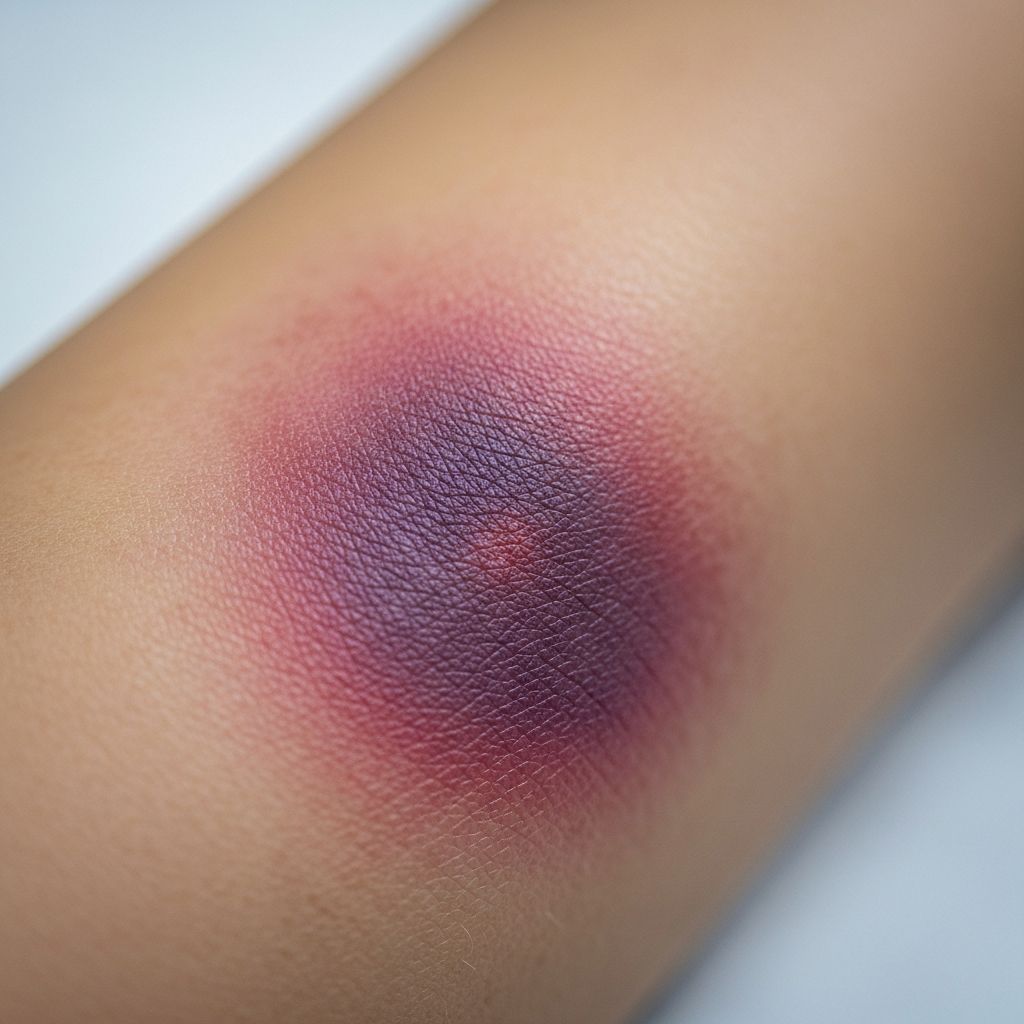
A port wine stain is a permanent birthmark that typically appears on the face, though it can develop on any part of the body. It begins as a smooth, flat, pink or red patch visible at birth on a newborn’s skin. The condition gets its distinctive name from its resemblance to the color of port wine. Port wine stains are caused by an abnormal development of tiny blood vessels called capillaries located beneath the skin. This vascular malformation results in a collection of blood in these dilated capillaries, creating the characteristic red or purple coloration.
Port wine stains are also referred to medically as nevus flammeus or capillary malformations. Unlike some other birthmarks that fade over time, port wine stains are permanent and tend to persist throughout a person’s lifetime. The condition is non-cancerous and generally considered benign from a medical standpoint, though it can have significant cosmetic and psychological implications for those affected.
How Port Wine Stains Develop
The development of a port wine stain occurs early during pregnancy when the baby is developing in the womb. A genetic mutation happens that causes abnormal formation of blood vessels in the skin. Importantly, this genetic change is not inherited from parents and is not known to be related to anything that occurred during pregnancy. The mutation happens spontaneously during fetal development, making port wine stains a random occurrence rather than a condition passed down through families.
The exact mechanism involves the capillaries becoming overly dilated rather than remaining narrow as they normally would. This dilation allows blood to accumulate and pool within these vessels, creating the visible discoloration on the skin surface. As a child grows and the body develops, these abnormal capillaries may continue to change, affecting the appearance and characteristics of the port wine stain over time.
Appearance and Characteristics
Port wine stains present with several distinctive features that help medical professionals identify them:
- Initial appearance: At birth, port wine stains typically appear as flat, smooth patches with a pink or light red coloration
- Size variation: They can range from just a few millimeters to several centimeters in diameter
- Location patterns: About 65 percent of port wine stains occur on the head and neck area, though they can appear anywhere on the body. They generally tend not to cross the midline of the body, meaning they typically appear on either the left or right side, though bilateral presentation occasionally occurs
- Color progression: Over time, port wine stains often darken from their initial pink or red color to deeper red or purple tones, sometimes even developing brownish hues
- Texture changes: The skin may become thicker and develop a bumpy or cobblestone-like appearance with raised ridges and lumps
- Bleeding tendency: The affected skin may bleed more readily if scratched or injured
Associated Syndromes and Complications
While port wine stains are usually harmless and don’t lead to medical problems or pain, they can occasionally be associated with more serious underlying conditions that require medical attention.
Sturge-Weber Syndrome
One of the most important associations is with Sturge-Weber syndrome. If a port wine stain appears on the upper face, scalp, forehead, or around the eyes, there is a risk that the individual may have this rare neurological disorder. Sturge-Weber syndrome involves abnormal blood vessels not only in the skin but also over the surface of the brain. This can lead to serious complications including seizures, developmental delays, learning disabilities, and vision problems. Individuals with port wine stains in these locations require evaluation by neurologists to assess for this condition.
Related Stories



Eye-Related Complications
Port wine stains on or near the eye or on the eyelids can lead to glaucoma, which is characterized by increased pressure inside the eye. If untreated, glaucoma can affect vision and potentially lead to blindness. Medical monitoring is essential for port wine stains in these sensitive areas. Additionally, port wine stains involving the eye area may be linked to other vision problems that warrant specialist evaluation.
Klippel-Trenaunay Syndrome
When port wine stains appear on the arms or legs, particularly on a single limb, they may indicate Klippel-Trenaunay syndrome. This rare genetic condition affects blood vessel development, soft tissues, and bones. It is characterized by three main features: the port wine stain itself, abnormal overgrowth of soft tissues and bones in the affected limb, and vein malformations. The affected limb may grow longer or wider than normal, and enlarged varicose-type veins may develop. In some cases, the port wine stain area may develop small red blisters that break open and bleed easily.
Spinal Abnormalities
In rare cases, a port wine stain located on the central back overlying the spine can be associated with an underlying spinal defect called spina bifida, which means “split spine.” This association requires investigation by appropriate medical specialists.
When to Seek Medical Evaluation
Port wine stains should be evaluated by a healthcare provider to determine if any associated conditions are present. Medical evaluation is particularly important if:
- The port wine stain is located on the face, forehead, scalp, or around the eyes
- The birthmark is on the central back near the spine
- The port wine stain is accompanied by limb overgrowth or enlarged veins
- There are concerns about developmental delays or other systemic symptoms
- Vision problems or eye discomfort develop
- Seizures or neurological symptoms occur
Psychological and Social Impact
While port wine stains are medically benign in most cases, they can have significant psychological and social implications. For many children and teenagers, particularly those with large, dark port wine stains on visible areas like the face, the birthmarks can cause embarrassment and social self-consciousness. This can lead to problems with self-esteem and difficulties with socialization during formative years. The emotional impact of living with a visible birthmark should not be underestimated when considering treatment options.
Treatment Options
Several treatment modalities are available to help manage port wine stains, with laser therapy being the most effective and commonly used approach.
Laser Treatment
Laser therapy is considered the gold standard treatment for port wine stains. Pulsed dye lasers and other specialized laser systems can target the abnormal blood vessels while minimizing damage to surrounding skin. The laser light is absorbed by the hemoglobin in the dilated capillaries, causing them to collapse and fade over time. Multiple treatment sessions are typically required to achieve optimal results, as the port wine stain gradually lightens with each session. Treatment response varies among individuals, and some port wine stains may not respond completely to laser therapy. Starting treatment early in childhood can sometimes produce better results.
Cosmetic Camouflage
For those who choose not to pursue medical treatment or while waiting for laser results, high-quality waterproof cosmetics can effectively conceal port wine stains. Medical-grade makeup products are available specifically designed for covering birthmarks and other skin discolorations.
Surgical Options
In some cases, surgical approaches may be considered, though these are less commonly used than laser therapy. Surgical options might be explored if laser treatment has been unsuccessful or if the port wine stain has developed significant thickening or cobblestone appearance in later years.
Living with a Port Wine Stain
Most individuals with port wine stains live normal, healthy lives without experiencing any medical complications. The primary considerations are cosmetic rather than medical. Support resources, including counseling and connection with others who have port wine stains, can help individuals and families cope with the psychological aspects of living with a visible birthmark. Modern treatment options have significantly improved the ability to fade or conceal port wine stains, offering hope and improved quality of life for affected individuals.
Frequently Asked Questions
Q: Are all port wine stains present at birth?
A: While most port wine stains are present at birth, in rare cases acquired port wine stains can develop later in childhood or adulthood, usually following some form of trauma to the skin.
Q: Will a port wine stain fade on its own over time?
A: No, port wine stains are permanent and do not fade spontaneously. In fact, they typically become darker and thicker with age. However, modern laser treatments can help fade them significantly.
Q: Can port wine stains be inherited from parents?
A: No, port wine stains are not inherited. They result from a spontaneous genetic mutation that occurs early during fetal development and are not passed down from parents to children.
Q: What is the difference between a port wine stain and other birthmarks?
A: Port wine stains are vascular birthmarks caused by abnormal blood vessel development. Other types of birthmarks, such as salmon patches or nevus simplex, typically appear along the midline and tend to fade over time, unlike port wine stains which are permanent.
Q: At what age can laser treatment begin?
A: Laser treatment can sometimes begin in infancy, though the timing depends on various factors. Early treatment may produce better results, and your dermatologist can recommend the optimal timing for your child.
Q: How many laser treatment sessions are typically needed?
A: The number of sessions varies depending on the size, location, and color of the port wine stain, as well as individual skin characteristics. Most individuals require multiple sessions, sometimes ranging from several to a dozen or more treatments.
Q: Are there any risks associated with laser treatment for port wine stains?
A: Laser treatment is generally safe when performed by qualified dermatologists. Temporary side effects may include redness, swelling, or bruising at the treatment site, but serious complications are rare.
Q: Should everyone with a port wine stain see a specialist?
A: While all port wine stains should be evaluated by a healthcare provider, those located on the face, near the eyes, on the scalp, or on the limbs require specialist evaluation to rule out associated syndromes like Sturge-Weber syndrome or Klippel-Trenaunay syndrome.
References
- Port wine stain – BAD Patient Hub – Skin Health Info — British Association of Dermatologists. 2024. https://www.skinhealthinfo.org.uk/condition/port-wine-stain/
- Klippel-Trenaunay Syndrome — National Library of Medicine, MedlinePlus Genetics. 2024. https://medlineplus.gov/genetics/condition/klippel-trenaunay-syndrome/
- Port wine stains — Great Ormond Street Hospital for Children NHS Trust. 2024. https://www.gosh.nhs.uk/conditions-and-treatments/conditions-we-treat/port-wine-stains/
- Nevus Flammeus – StatPearls — National Center for Biotechnology Information (NCBI) Bookshelf. 2024. https://www.ncbi.nlm.nih.gov/books/NBK563254/
- Port-Wine Stains: Symptoms, Causes, Best Treatment Options — Healthline Media. 2024. https://www.healthline.com/health/port-wine-stains
- Port-Wine Stains — Nemours KidsHealth. 2024. https://kidshealth.org/en/parents/port-wine-stains.html
Similar Articles








Read full bio of medha deb