Posaconazole for Fungal Infections (Noxafil)
Comprehensive guide to Posaconazole (Noxafil): uses, dosage, side effects, and key considerations for treating and preventing serious fungal infections.
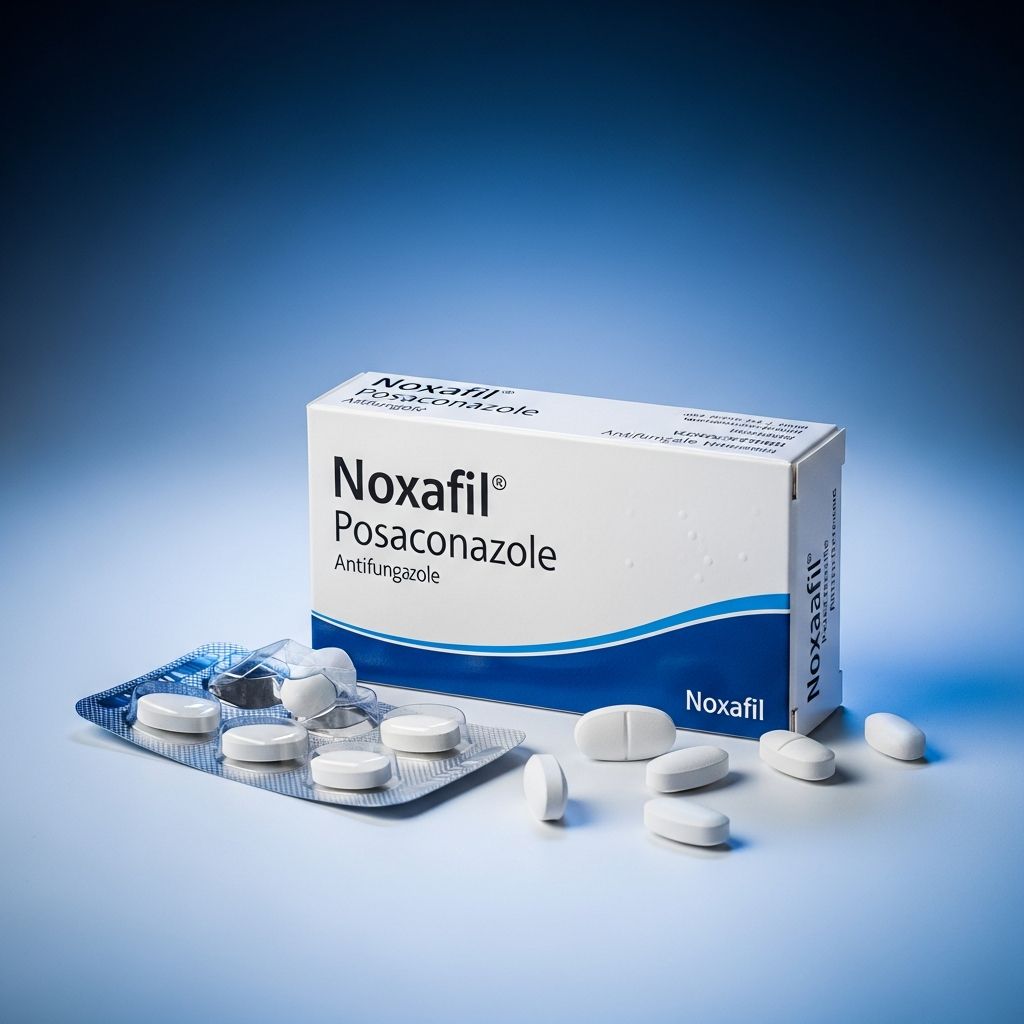
Posaconazole, marketed as Noxafil, is a potent triazole antifungal medication designed to combat serious fungal infections, particularly in patients with compromised immune systems. It works by inhibiting the synthesis of ergosterol, a key component of fungal cell membranes, leading to cell death and preventing fungal spread. This article explores its uses, administration, side effects, precautions, and more, drawing from clinical data and regulatory approvals.
About posaconazole
Posaconazole belongs to the azole class of antifungals and is available in multiple formulations: delayed-release tablets, oral suspension, gastro-resistant powder for suspension, and intravenous infusion. It is highly effective against a broad spectrum of fungi, including Aspergillus and Candida species, making it suitable for both treatment and prophylaxis in high-risk populations. Unlike some azoles, posaconazole has enhanced activity against molds like Aspergillus fumigatus and is often used when other antifungals fail.
Developed by Merck, Noxafil received FDA approval for various indications, starting with prophylaxis in 2006. The European Medicines Agency (EMA) also authorizes it for adults and children from 2 years old in specific scenarios. Its pharmacokinetics allow for reliable absorption, especially in tablet form, which is preferred for oral therapy.
Key facts
- Drug group: Triazole antifungal (azole class).
- Brand name: Noxafil (also available as generics like Posanol or Sandoz Posaconazole).
- Available as: Oral suspension (40 mg/mL), delayed-release tablets (100 mg), gastro-resistant tablets, powder for oral suspension, and IV infusion.
- Used for: Treatment of invasive aspergillosis, oropharyngeal candidiasis (including refractory cases), and prophylaxis against invasive fungal infections in immunocompromised patients.
- Age range: Adults and children 2 years and older (13+ for some IV uses).
About fungal infections
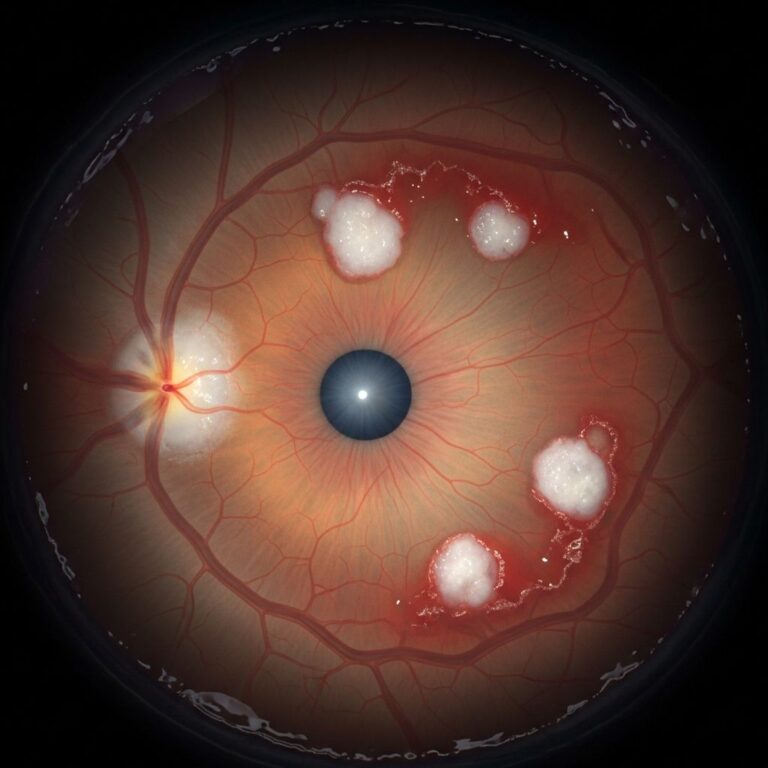
Fungal infections range from superficial (e.g., thrush) to life-threatening invasive types like aspergillosis, which affects the lungs and can disseminate in immunocompromised individuals. Risk factors include neutropenia from chemotherapy for acute myelogenous leukemia (AML) or myelodysplastic syndromes (MDS), hematopoietic stem cell transplants (HSCT), and graft-versus-host disease therapies. Candida infections often manifest as oropharyngeal thrush, particularly in HIV patients or those on immunosuppressants.
Aspergillus infections are particularly dangerous, with mortality rates up to 50-80% in invasive cases. Posaconazole addresses refractory infections—defined as progression or no improvement after 7 days of standard therapy. Prophylaxis is crucial in high-risk settings to prevent breakthrough infections.
How posaconazole works
Posaconazole selectively inhibits lanosterol 14α-demethylase, a fungal cytochrome P450 enzyme essential for ergosterol production. This disrupts the fungal cell wall, increasing permeability and causing leakage of cellular contents, ultimately leading to fungal death. It exhibits concentration-dependent activity and is fungicidal against Aspergillus species, outperforming some azoles in clinical studies.
Clinical efficacy is evidenced by studies: In refractory invasive aspergillosis, 42% response rate with posaconazole vs. 26% with alternatives; comparable to voriconazole in reducing 42-day mortality (15% vs. 21%). For prophylaxis, it reduced invasive infections to 5% vs. 9% with fluconazole/itraconazole.
How and when to take or use posaconazole
Dosage varies by indication, formulation, and patient age/weight. Always follow healthcare provider instructions. Tablets should be swallowed whole with food for optimal absorption; suspension requires shaking and administration with acidic food/juice if needed.
Related Stories



| Indication | Dose (Adults) | Duration |
|---|---|---|
| Prophylaxis of invasive fungal infections | 200 mg (5 mL suspension) TID or 300 mg tablet QD after loading | Until immune recovery |
| Treatment of invasive aspergillosis | IV: Loading 300 mg BID day 1, then 300 mg QD; switch to oral | 6-12 weeks or longer |
| Oropharyngeal candidiasis | 100 mg tablet BID for 1 day, then QD for 13 days (or suspension 100 mg BID) | 14 days typical |
| Pediatric prophylaxis (≥2 years, >40 kg) | 300 mg tablet QD after loading | Per risk period |
IV infusion: Typically over 90 minutes, twice daily on day 1, then once daily. Monitor plasma levels for efficacy, targeting 0.5-1.5 mg/L trough. Treatment duration for active infections: 6-12 weeks, extendable based on response.
Common questions
How long does posaconazole take to work?
Improvement in thrush may occur within days, but invasive infections require weeks. Prophylaxis prevents onset; full immune recovery dictates duration.
Can you take posaconazole on an empty stomach?
No—tablets with food, suspension with acidic beverage for absorption.
Can you drink alcohol while taking posaconazole?
Avoid alcohol; it may worsen liver side effects.
Using posaconazole with other medicines and herbal supplements
Posaconazole is a strong CYP3A4 inhibitor, prolonging QT interval, and interacts with many drugs. Contraindicated with ergot alkaloids, pimozide, quinidine, certain statins (e.g., simvastatin), and CYP3A4 substrates like midazolam. Inform your doctor of all medications; dose adjustments may be needed for tacrolimus, cyclosporine, or vinca alkaloids.
- Monitor closely: QT-prolonging drugs (e.g., amiodarone), calcium channel blockers.
- Herbals: Avoid St. John’s wort (induces metabolism).
Common side effects
Most side effects are mild and may resolve as the body adjusts. Incidence: diarrhea (up to 40%), nausea (30%), vomiting, headache, abdominal pain, abnormal liver tests.
| Side Effect | Frequency | Management |
|---|---|---|
| Diarrhea, nausea | Common (>10%) | Hydrate, antiemetics |
| Abnormal LFTs | Common | Monitor liver function |
| Headache, fever | Common | Symptomatic relief |
| Rash, fatigue | Less common | Report if persists |
Serious side effects
Seek immediate care for: severe allergic reactions (rash, swelling), heart rhythm changes (dizziness, fainting), liver failure signs (jaundice, dark urine), or severe diarrhea. QT prolongation risk is higher with hypokalemia or concomitant drugs.
What to do if you or someone else swallows too much posaconazole
Overdose symptoms: nausea, vomiting, visual changes. Contact poison control or emergency services immediately. Supportive care, activated charcoal if recent ingestion, and monitor ECG/liver function.
Who can and cannot use posaconazole
Use with caution in hepatic impairment (dose adjust), QT prolongation history, or hypokalemia. Not for primary treatment in pregnancy (category D; use only if benefits outweigh risks). Breastfeeding: avoid due to excretion in milk. Pediatrics: Approved from 2 years; neonates/infants under 2 not recommended.
Pregnancy and breastfeeding
Limited data; animal studies show fetal harm. Use alternatives if possible. Effective contraception advised during and 2 weeks post-treatment.
Patient tips
- Take consistently with meals for best absorption.
- Attend follow-up for blood tests (liver, drug levels).
- Report new symptoms promptly.
- Complete full course even if feeling better.
Find out more
Consult healthcare providers, official package inserts, or resources like MedlinePlus for detailed info.
Frequently Asked Questions (FAQs)
Q: What is posaconazole used for?
A: Primarily for treating invasive aspergillosis, oropharyngeal candidiasis refractory to other azoles, and preventing invasive fungal infections in high-risk patients.
Q: How long is posaconazole treatment?
A: Prophylaxis until immune recovery; treatment 6-12 weeks or until resolution.
Q: What are the main side effects?
A: Diarrhea, nausea, elevated liver enzymes; monitor regularly.
Q: Can children take posaconazole?
A: Yes, from 2 years for prophylaxis and certain treatments, weight-based dosing.
Q: Does posaconazole interact with other drugs?
A: Yes, significantly with CYP3A4 substrates; review all meds with prescriber.
References
- Posaconazole (Noxafil) infusion: Uses, Side Effects, Dosage & More — GoodRx. 2023. https://www.goodrx.com/noxafil/what-is
- Posaconazole for Childhood Cancer Patients — St. Jude Children’s Research Hospital. 2024. https://together.stjude.org/en-us/treatment-tests-procedures/medicines-list/posaconazole.html
- Noxafil | European Medicines Agency (EMA) — EMA. 2023-05-15. https://www.ema.europa.eu/en/medicines/human/EPAR/noxafil
- NOXAFIL® (Posaconazole) ORAL SUSPENSION 40 mg/mL — FDA. 2010-09-10. https://www.accessdata.fda.gov/drugsatfda_docs/label/2010/022003s008,022027s001lbl.pdf
- Posaconazole | Johns Hopkins ABX Guide — Johns Hopkins. 2024. https://www.hopkinsguides.com/hopkins/view/Johns_Hopkins_ABX_Guide/540448/all/Posaconazole
- Posaconazole (Noxafil) – UW MEDICINE | PATIENT EDUCATION — University of Washington. 2023. https://healthonline.washington.edu/sites/default/files/record_pdfs/Posaconazole-Noxafil.pdf
- Posaconazole (oral route) – Side effects & dosage — Mayo Clinic. 2024. https://www.mayoclinic.org/drugs-supplements/posaconazole-oral-route/description/drg-20069121
Similar Articles








Read full bio of medha deb