Positron Emission Tomography (PET): Advanced Medical Imaging
Understanding PET scans: How advanced imaging detects disease early for better treatment outcomes.
Understanding Positron Emission Tomography (PET)
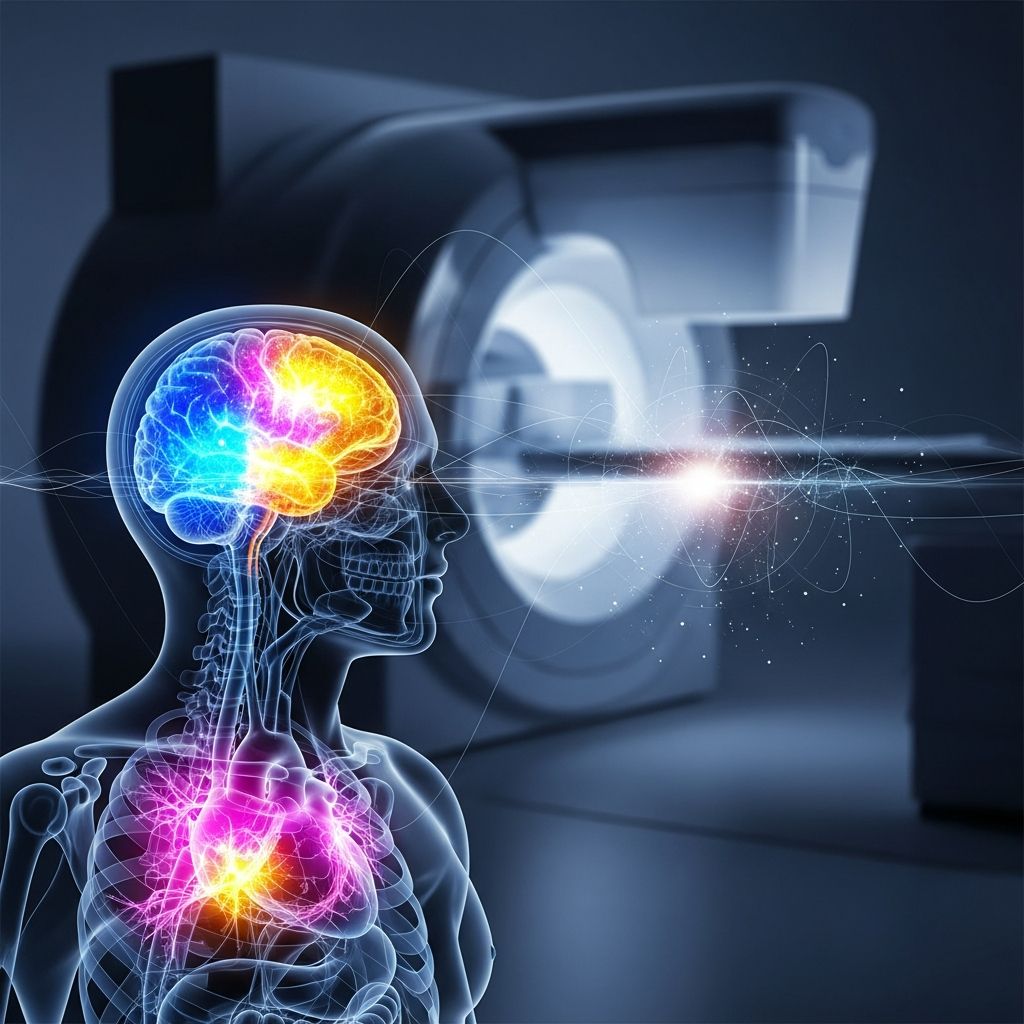
Positron emission tomography, commonly known as PET, is an advanced medical imaging technique that allows physicians to visualize and measure metabolic activity within the body. Unlike traditional imaging methods such as computed tomography (CT) or magnetic resonance imaging (MRI), which primarily show the structural anatomy of organs and tissues, PET provides functional information about how cells are working at the molecular level. This distinction makes PET an invaluable tool for early disease detection, allowing treatment to begin quickly when abnormalities are identified.
PET works by detecting the emission of positrons, which are positively charged particles produced by radioactive compounds called radiopharmaceuticals. These special radioactive tracers are injected into the patient’s bloodstream, typically through a vein in the arm. The tracers contain isotopes such as fluorine-18, carbon-11, nitrogen-13, or oxygen-15 that emit positrons. As these positrons travel through body tissue, they interact with electrons and produce gamma rays that exit the body and are detected by highly sensitive cameras. The resulting images show areas of high metabolic activity, which often indicate disease processes.
How PET Imaging Works
The PET imaging process begins with the injection of a radiopharmaceutical tracer tailored to the clinical question being asked. The most commonly used tracer is fluorodeoxyglucose (F-18 FDG), a glucose analog labeled with fluorine-18. Because cancer cells and other diseased tissues typically have higher metabolic rates than normal tissue, they consume more glucose and accumulate more of the tracer. This difference in tracer uptake creates the basis for disease detection.
Positrons can only travel a small fraction of an inch through body tissue before they encounter electrons. This interaction, called annihilation, produces two gamma rays that travel in opposite directions. The PET scanner, which surrounds the patient, detects these coincident gamma rays using specialized detectors positioned around the body. Advanced computer algorithms then reconstruct three-dimensional images based on the location and timing of these detected events, creating detailed maps of metabolic activity throughout the body.
Clinical Applications of PET Imaging
PET scanning has become a cornerstone diagnostic tool across multiple medical specialties. The versatility of PET imaging, combined with technological advances, continues to expand its clinical applications and improve patient outcomes.
Oncology and Cancer Detection
The primary application of PET imaging is in oncology, where it has revolutionized cancer diagnosis and management. PET excels at detecting malignant lesions, characterizing suspicious findings, and staging cancers by identifying the extent of disease spread. A major advantage of PET is that a single whole-body examination can provide accurate assessment of disease activity and metastatic spread, making it ideal for determining treatment plans.
PET is particularly effective for detecting common cancers including lung, breast, colon, ovarian, head and neck, and thyroid cancers, as well as lymphoma and melanoma. For colorectal carcinoma, PET can detect primary tumors in more than 90 percent of cases compared to 60 percent sensitivity with CT alone. PET is also superior to CT in initial staging, identifying lymph node involvement, and detecting local recurrence. Studies show that PET imaging can directly alter patient management decisions in 29 to 36 percent of colorectal cancer cases.
Beyond initial diagnosis, PET provides critical information about treatment response. Decreased tumor tracer uptake indicates positive response to therapy and can be evaluated as early as after the first cycle of chemotherapy. PET can also identify patients who are not responding to treatment, allowing clinicians to make timely therapy adjustments. Additionally, PET/CT fusion imaging—combining the functional data of PET with the anatomic detail of CT—enables more precise radiation therapy planning by identifying the most metabolically active tumor regions.
Related Stories



Cardiology Applications
In cardiology, PET imaging plays an important role in evaluating coronary artery disease and myocardial viability. The F-18 fluorodeoxyglucose PET scan helps identify hibernating myocardium, which refers to viable heart muscle that is receiving reduced blood flow but could benefit from revascularization procedures such as angioplasty or coronary artery bypass surgery. By demonstrating which areas of the heart muscle would benefit from intervention, PET helps clinicians make informed decisions about appropriate treatment strategies.
PET imaging also plays a role in detecting atherosclerosis in patients at risk for stroke and can identify inflammation in blood vessels before permanent structural changes occur. This capability enables early diagnosis and treatment of large-vessel vasculitis, conditions affecting major arteries. Furthermore, PET can help determine which stroke patients are most likely to benefit from intervention and predict stroke recovery by identifying areas of salvageable brain tissue.
Neurology and Brain Disorders
Neurological applications of PET imaging have expanded significantly in recent years. PET can detect and diagnose various brain disorders by measuring glucose metabolism and other neurochemical processes in brain tissue. Common neurological applications include evaluation of Alzheimer’s disease, Parkinson’s disease, epilepsy, and other seizure disorders.
For Parkinson’s disease, PET imaging of the dopaminergic system using F-18 Fluoro DOPA scans reveals reduced metabolic activity in the striatum, with characteristic patterns of disease progression. PET is useful for assessing disease severity and monitoring response to therapeutic interventions. Huntington’s disease shows characteristic findings on FDG-PET, marked by isolated hypometabolism in the caudate nuclei, helping distinguish this condition from other movement disorders.
Beyond movement disorders, PET can evaluate brain tumors, memory disorders, central nervous system abnormalities, and help map normal brain function. The ability of PET to detect functional changes before structural abnormalities appear on conventional imaging makes it particularly valuable for early detection of neurodegenerative diseases.
Advantages of PET Imaging
PET imaging offers several distinct advantages over traditional anatomical imaging methods:
- Functional Information: PET measures metabolic activity and cellular function rather than just anatomical structure, revealing disease processes at the molecular level.
- Early Detection: Functional changes typically occur before structural abnormalities appear on CT or MRI, allowing earlier disease identification.
- Whole-Body Assessment: A single PET examination can evaluate the entire body, providing comprehensive staging and detection of metastatic disease in a single procedure.
- High Sensitivity: PET demonstrates high sensitivity for cancer detection and other pathological conditions, reducing false-negative results.
- Treatment Monitoring: PET can assess therapeutic response during and after treatment, guiding clinical decision-making about therapy continuation or modification.
- Lesion Characterization: PET helps differentiate benign from malignant lesions, improving diagnostic accuracy and reducing unnecessary further testing.
PET/CT Fusion Imaging
Modern PET scanners frequently incorporate CT technology, creating PET/CT fusion systems that combine the metabolic information of PET with the anatomical detail of CT imaging. This combination provides several clinical benefits: accurate staging of malignancies, precise identification of lesion location and proximity to blood vessels, accurate therapy response assessment, and early detection of recurrent disease. PET/CT fusion images can guide biopsies to the most metabolically active regions of tumors and provide superior tumor mapping for radiation therapy planning compared to CT alone.
Safety and Radiation Considerations
PET imaging involves the administration of radioactive tracers, but the radiation dose received by patients is generally considered acceptable for diagnostic purposes. The amount of radiation from a PET scan is comparable to or lower than other diagnostic imaging procedures. The radioactive tracer concentrates primarily in areas of metabolic activity, limiting radiation exposure to the entire body. Healthcare providers carefully weigh the diagnostic benefit against any potential radiation risk when recommending PET imaging.
Patients should inform their healthcare provider about pregnancy, breastfeeding, or any conditions that might affect the safety of PET imaging. While PET is generally safe, certain precautions are recommended during breastfeeding, and the procedure is typically avoided in pregnant women unless the diagnostic benefit clearly outweighs potential risks.
Preparation and Procedure Details
Patient preparation for PET imaging typically includes fasting for several hours before the scan to ensure optimal tracer uptake. Patients should avoid strenuous exercise the day before the examination, as muscle activity can affect tracer distribution. Upon arrival at the imaging facility, the radioactive tracer is injected intravenously. Patients then wait for 30 to 60 minutes while the tracer circulates throughout the body and accumulates in areas of abnormal metabolic activity.
The actual imaging procedure typically takes 30 to 45 minutes. Patients lie still on a scanning table that moves through the PET camera. The scanner detects gamma rays emitted by the radioactive tracer and creates three-dimensional images. Modern PET scanners have improved comfort features and faster acquisition times compared to earlier equipment. After the scan, patients can typically return to normal activities immediately.
Emerging Applications and Future Directions
The field of PET imaging continues to evolve with new radiopharmaceuticals and applications being developed regularly. Recent advances include gallium-68DOTA PET-CT for detecting neuroendocrine tumors and F-18 FAPI PET, which targets cancer-associated fibroblasts in tumor stroma, showing greater sensitivity and specificity for certain cancers. PET-guided stereotactic surgery and radiosurgery represent emerging applications that utilize PET imaging for precise surgical and radiosurgical planning.
New applications in rheumatologic imaging show promise, with PET useful for monitoring rheumatoid arthritis activity, differentiating polymyalgia rheumatica from rheumatoid arthritis, and monitoring large-vessel vasculitis. FDG-PET also has value in infectious disease imaging, including evaluation of fever of unknown origin, vascular graft infections, osteomyelitis, joint prosthesis infections, and diabetic foot infections. As technological improvements continue to enhance image quality and provide better understanding of cellular metabolism, the range of clinical applications for PET expands.
Frequently Asked Questions About PET Imaging
Q: How long does a PET scan take?
A: The total time for a PET scan is typically 2 to 3 hours. This includes approximately 30 to 60 minutes of waiting for the tracer to circulate through your body after injection, followed by 30 to 45 minutes of actual imaging. Setup and paperwork add additional time.
Q: Is PET imaging painful?
A: PET imaging is a painless procedure. The only minor discomfort may be felt during the initial injection of the radioactive tracer. The scanning process itself involves no pain, though patients must remain still during image acquisition.
Q: What is the difference between PET and CT imaging?
A: CT imaging primarily shows the structure and anatomy of organs and tissues, while PET shows how cells are functioning metabolically. PET detects disease at a functional level, often before structural changes appear on CT. Many modern facilities use combined PET/CT scanners that provide both anatomical and functional information simultaneously.
Q: Can PET imaging be used to monitor cancer treatment?
A: Yes, PET is excellent for monitoring treatment response. Changes in tracer uptake can indicate whether cancer is responding to therapy, often within weeks of starting treatment. This information helps physicians decide whether to continue current therapy or make adjustments.
Q: Are there any contraindications to PET imaging?
A: PET imaging is generally safe for most patients, though special considerations apply to pregnant women and breastfeeding mothers. Patients should inform their healthcare provider about medical conditions, medications, and any allergies before undergoing PET imaging.
Q: How does PET compare to other diagnostic imaging techniques?
A: Unlike CT and MRI, which primarily show anatomical structure, PET reveals metabolic and functional information. This functional approach allows PET to detect disease earlier and provides superior information about disease activity and treatment response compared to structural imaging alone.
References
- Positron Emission Tomography (PET) — UC Davis Health. 2024. https://health.ucdavis.edu/radiology/myexam/PET/PETIndex.html
- PET Scan Information — Piedmont Healthcare. 2024. https://www.piedmont.org/imaging/pet-scan
- PET/CT – Positron Emission Tomography/Computed Tomography — Radiology Info. 2024. https://www.radiologyinfo.org/en/info/pet
- Clinical Applications of PET and PET-CT — PubMed Central, National Center for Biotechnology Information. 2024. https://pmc.ncbi.nlm.nih.gov/articles/PMC4921358/
- PET Scanning — StatPearls, NCBI Bookshelf, National Institutes of Health. 2024. https://www.ncbi.nlm.nih.gov/books/NBK559089/
Similar Articles








Read full bio of Sneha Tete