Post-Exposure Prophylaxis (PEP): What To Do Within 72 Hours
Learn how PEP prevents HIV after exposure: timing, medications, effectiveness, and steps to take immediately.
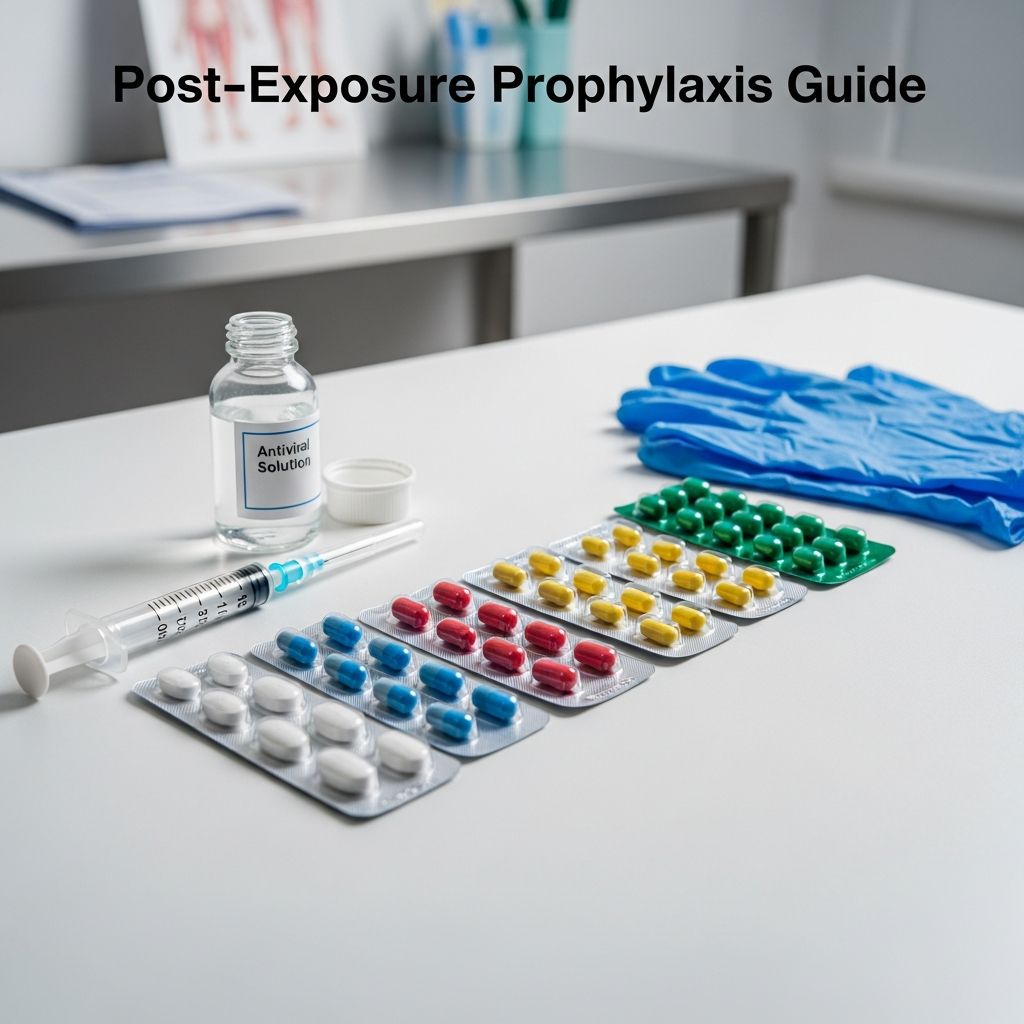
Post-exposure prophylaxis (PEP) serves as a critical emergency intervention to halt HIV infection following a potential exposure. This 28-day regimen of antiretroviral medications, when initiated promptly, significantly lowers the chances of the virus establishing itself in the body.
Understanding the Urgency of PEP
The effectiveness of PEP hinges on rapid administration after exposure. Health authorities emphasize starting treatment within 72 hours, with optimal results achieved in the first 24 hours, as each passing hour diminishes its protective potential. Unlike pre-exposure prophylaxis (PrEP), which is taken ongoing by at-risk individuals, PEP addresses acute incidents such as unprotected sexual encounters, needle-sharing, or occupational injuries.
Exposures qualifying for PEP include high-risk scenarios like receptive anal intercourse, which carries the highest transmission probability among sexual activities, or percutaneous injuries from contaminated needles. Blood transfusions represent another elevated non-sexual risk, though modern screening has minimized this.
Who Qualifies for PEP Treatment?
Not every potential exposure warrants PEP; risk assessment guides its prescription. Healthcare providers evaluate factors like the source’s HIV status, viral load if known, and exposure type[10]. For instance, CDC guidelines recommend PEP for HIV-negative individuals post-exposure via sex, injection drug use, or occupational means[10].
- Occupational exposures: Needlestick injuries or mucosal splashes in healthcare settings.
- Non-occupational exposures: Unprotected sex, sexual assault, or shared needles.
- Key exclusion: Exposures beyond 72 hours, as efficacy drops sharply.
PEP is unsuitable for routine use or ongoing risks; instead, transition to PrEP is advised for repeated exposures.
The PEP Regimen: What to Expect
PEP typically involves a combination of three antiretroviral drugs taken daily for 28 days. Common regimens include integrase inhibitors paired with nucleoside reverse transcriptase inhibitors, selected based on tolerability and resistance patterns. Adherence is paramount—missing doses compromises protection.
| Medication Class | Example Drugs | Role in PEP |
|---|---|---|
| Integrase Strand Transfer Inhibitor | Raltegravir or Dolutegravir | Blocks HIV integration into host DNA |
| Nucleoside Reverse Transcriptase Inhibitor | Tenofovir + Emtricitabine | Prevents viral replication |
| Protease Inhibitor (if needed) | Boosted Darunavir | Alternative for specific cases |
Providers may adjust based on patient factors like kidney function or allergies. Baseline HIV testing confirms negativity before starting.
Step-by-Step Process After Potential Exposure
- Seek immediate care: Visit an emergency department, sexual health clinic, or PEP provider within hours.
- Risk assessment: Discuss exposure details; rapid HIV test performed[10].
- Start PEP: First dose ideally within 2 hours if possible.
- Follow-up testing: HIV tests at 4-6 weeks, 3 months, and 6 months post-exposure.
- Monitor adherence: Daily pills with support from clinics.
In many regions, PEP is available free at public health facilities.
Managing Side Effects and Adherence Challenges
While generally safe, PEP can cause nausea, fatigue, headache, or gastrointestinal upset, affecting up to 50% of users initially. These often subside; anti-nausea meds help adherence. Serious effects like liver or kidney issues are rare but require monitoring.
Strategies for completion include:
– Taking with food.
– Setting reminders.
– Clinic counseling.
Alcohol and certain drugs may interact, so disclose all substances.
Effectiveness Rates and Real-World Outcomes
Studies show PEP reduces HIV risk by over 80% when started early and completed fully. Animal models and occupational data underpin this, with human trials confirming near-elimination of infection in compliant cases. Failure rates link to delays, poor adherence, or source resistance.
Related Stories



PAHO notes PEP’s role in comprehensive prevention, especially post-assault.
Beyond HIV: PEP for Other Pathogens
Though HIV-focused, PEP principles apply elsewhere. Rabies PEP uses vaccine and immunoglobulin post-bite. Hepatitis B requires vaccine or HBIG; bacterial exposures like pertussis use antibiotics. Tailored protocols ensure broad applicability.
Prevention Strategies to Complement PEP
PEP is an emergency measure, not a substitute for:
- Condoms and barrier methods.
- PrEP for ongoing risk.
- Regular testing and U=U (undetectable=untransmittable).
- Clean needle programs[10].
Post-PEP, if risks persist, switch to PrEP.
Frequently Asked Questions (FAQs)
What if I miss a PEP dose?
Take it as soon as remembered, but consult your provider. Do not double-dose.
Can PEP protect against other STIs?
No, only HIV. Test and treat for gonorrhea, chlamydia, etc..
Is PEP free?
Often yes via public health services; check locally.
What about pregnancy?
PEP is safe; discuss with providers for adjustments.
Does PEP work 100%?
No guarantee, but highly effective with prompt, full use.
Global Guidelines and Access
WHO updated PEP in 2014 for all ages and exposures. US DHHS and CDC provide occupational protocols[10]. Access varies; urban areas offer 24/7 services.
In summary, PEP empowers quick action against HIV exposure. Awareness saves lives—act fast, adhere fully.
References
- Post-exposure prophylaxis – Wikipedia — Wikipedia. 2023-10-15. https://en.wikipedia.org/wiki/Post-exposure_prophylaxis
- Post-Exposure Prophylaxis (PEP) – HIV.gov — U.S. Department of Health and Human Services. 2026-02-12. https://www.hiv.gov/hiv-basics/hiv-prevention/using-hiv-medication-to-reduce-risk/post-exposure-prophylaxis
- Post-Exposure Prophylaxis (PEP) – HIVinfo.NIH.gov — National Institutes of Health. Accessed 2026. https://hivinfo.nih.gov/understanding-hiv/fact-sheets/post-exposure-prophylaxis-pep
- Post-exposure prophylaxis (PEP) – PAHO/WHO — Pan American Health Organization/World Health Organization. Accessed 2026. https://www.paho.org/en/topics/post-exposure-prophylaxis-pep
- Post-Exposure Prophylaxis (PEP) – Clinical Guidance for PEP | HIV Nexus – CDC — Centers for Disease Control and Prevention. Accessed 2026. https://www.cdc.gov/hivnexus/hcp/pep/index.html
Similar Articles








Read full bio of medha deb