Post-Operative Chest Infection: Signs, Treatment, Prevention
Understanding symptoms, treatments, prevention strategies, and recovery impacts of chest infections after surgery.
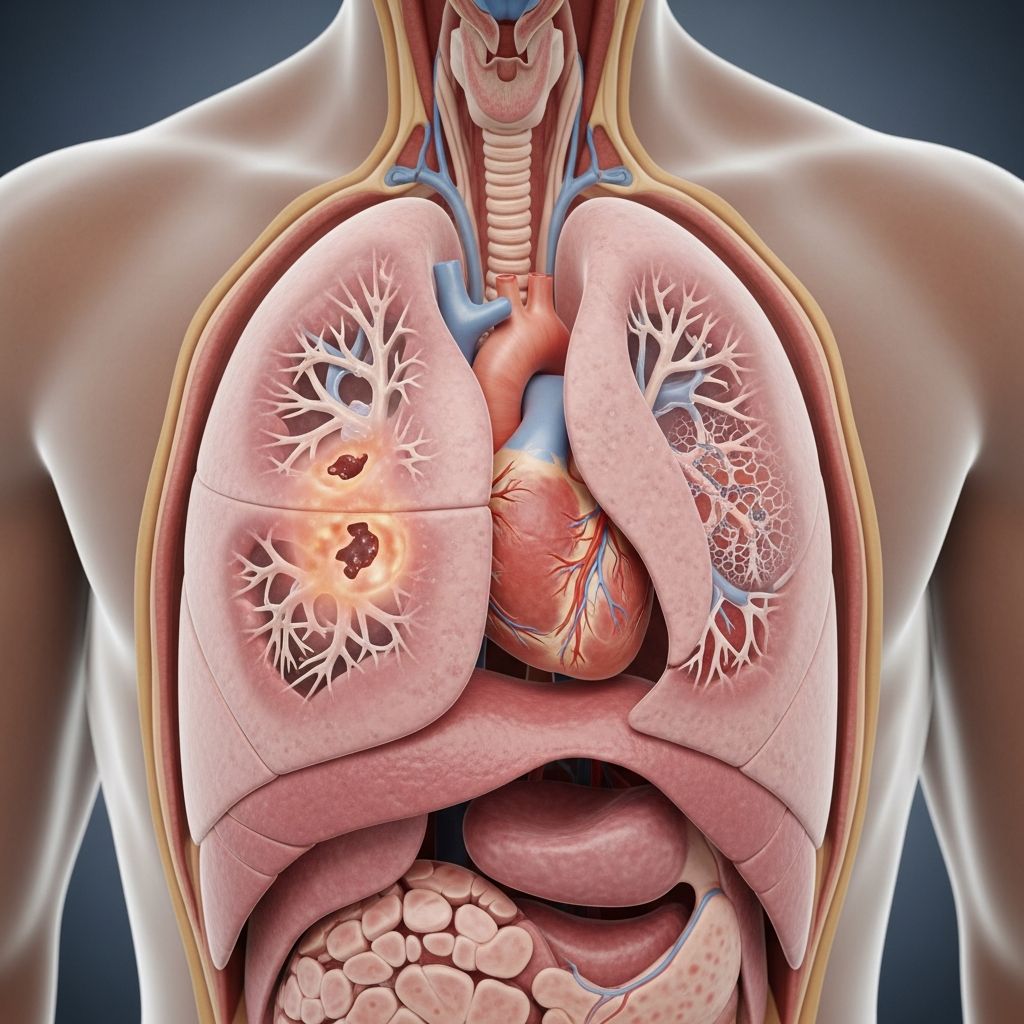
A post-operative chest infection, also known as postoperative pneumonia or lung infection, occurs when bacteria or other pathogens infect the lungs following surgery. This condition is a common complication, particularly after operations involving the chest, abdomen, or upper body, where anesthesia and immobility increase vulnerability. Up to a quarter of patients may develop symptomatic disease, with risk factors including age over 50, smoking, chronic obstructive pulmonary disease (COPD), and hypoalbuminaemia. Early recognition and intervention are crucial to prevent severe outcomes like prolonged hospital stays or intensive care admission.
What does it feel like?
Post-operative chest infections present with distinct symptoms that signal the body’s response to lung inflammation and infection. Patients often feel very unwell and excessively tired, as the infection drains energy reserves already compromised by surgery.
- A
high temperature
or fever, typically above 38°C, is common, accompanied by chills. - A persistent
cough
producing thick yellow or green sputum (phlegm), indicating bacterial involvement. - **Difficulty breathing**, with rapid or labored respiration, due to inflamed airways and fluid buildup.
- **Chest pain**, which worsens with coughing or deep breaths; this requires careful assessment to rule out cardiac issues.
- Confusion, particularly in elderly patients, stemming from reduced oxygen levels or systemic effects; this is usually temporary and resolves with treatment.
These symptoms can mimic other post-surgical issues, so prompt medical evaluation is essential. In severe cases, patients may experience nausea, vomiting, or diarrhea alongside respiratory distress.
What is the treatment for a post-operative chest infection?
Treatment focuses on supporting respiration, combating infection, managing hydration and pain, and clearing lung secretions. Most cases respond well to hospital-based interventions, though severe infections may require intensive care.
Oxygen
Oxygen therapy is a cornerstone, delivered via a facemask or nasal prongs (small tubes inside the nostrils). The airflow may be noisy and cause dryness in the mouth and nose, so moisturizing gels or humidifiers are often used. In some cases, non-invasive positive pressure ventilation through a tight-fitting mask or mouthpiece expands the lungs more effectively, aiding phlegm clearance without intubation.
Intravenous (IV) drip
An IV drip prevents dehydration, thins lung secretions for easier expulsion, and provides a route for medications. A cannula—a thin plastic tube—is inserted into a hand or arm vein using a needle that’s then removed. It’s replaced every 48 hours to minimize infection risk. Oral fluids are encouraged if post-operative conditions allow, enhancing recovery.
Antibiotics
Antibiotics target bacterial causes, administered IV for severe cases or orally for milder ones. Selection depends on likely pathogens, with doctors discussing potential side effects. These drugs kill bacteria or inhibit growth, typically leading to improvement within days.
Pain relief
Adequate pain control from surgery or associated discomfort (e.g., headaches) is vital, as pain inhibits deep breathing and coughing. Options include paracetamol, opioids, or regional blocks; patients should report pain levels to enable tailored adjustments.
Ventilation breathing
For life-threatening infections, mechanical ventilation in an intensive care unit (ICU) is necessary. A sedated patient has a tube inserted into the trachea via mouth or nose, connected to a ventilator. This is a grave situation with potential for mortality, but many recover with supportive care.
What can I do to prevent a post-operative chest infection?
Prevention hinges on proactive measures to maintain lung function, reduce pain, and minimize risk factors. Hospitals employ multidisciplinary approaches involving physiotherapy, optimized anesthesia, and patient education.
- Practice
deep breathing
and regular coughing post-surgery to expand lungs and expel secretions, countering shallow breathing from pain or anesthesia.
Related Stories



See a physiotherapist
Physiotherapists teach effective breathing exercises, coughing techniques, and postural drainage to clear airways. Post-chest physiotherapy increases ventilation and reduces stasis, a best practice for high-risk patients.
Pain relief
Optimal pain management facilitates deep breaths and coughs, slashing infection risk. Anaesthetists devise personalized plans, potentially combining medications.
Opt for local or regional anaesthetic
Where feasible, local or regional anaesthetics numb specific areas, avoiding full general anesthesia’s lung-suppressing effects. These can supplement general anesthesia for superior post-op pain control, lowering infection odds.
Additional strategies include smoking cessation pre-surgery, incentive spirometry (devices promoting deep breaths), and early mobilization to prevent atelectasis (lung collapse).
What does getting a post-operative chest infection mean for my recovery?
A chest infection significantly prolongs hospital stays—by days or weeks—and complicates rehabilitation. It delays discharge, increases ICU risks, and can lead to sequelae like pleural effusion or sepsis.
| Aspect | Without Infection | With Infection |
|---|---|---|
| Hospital Stay | Standard (days) | Extended (days to weeks) |
| Complications | Low | High: fluid buildup, sepsis, organ involvement |
| ICU Admission | Rare | Possible, slow recovery |
| Long-term Effects | Minimal | Usually full recovery, rare chronic issues |
Despite challenges, most patients achieve full recovery without lasting damage, thanks to timely treatment. High-risk surgeries (chest, abdominal, head/neck) amplify impacts, underscoring prevention’s importance.
Frequently Asked Questions (FAQs)
Q: Who is most at risk for post-operative chest infections?
A: Risks peak with surgeries on chest/abdomen/head-neck, age >50, COPD, smoking, hypoalbuminaemia, and dependency.
Q: How soon do symptoms appear after surgery?
A: Symptoms like fever and cough often emerge within days, linked to anesthesia effects and immobility.
Q: Can post-operative chest infections be fatal?
A: Severe cases requiring ventilation carry mortality risk, but most resolve with care.
Q: Is physiotherapy essential for prevention?
A: Yes, it enhances lung clearance and is recommended best practice.
Q: What role does smoking play?
A: Smoking impairs lung function, heightening infection risk; quitting pre-surgery helps.
References
- Post-operative Chest Infection: Treatment and Prevention — Patient.info. 2023. https://patient.info/chest-lungs/chest-infection/post-operative-chest-infection
- Section 6: Postoperative chest infection — Royal College of Anaesthetists (RCoA). 2019-11-06. https://www.rcoa.ac.uk/sites/default/files/documents/2019-11/06-PostopChestInfectionweb.pdf
- Postoperative chest infection — Critical Care Partners. Accessed 2026. https://criticalcarepartners.squarespace.com/s/CCP-Postoperative-Chest-Infection.pdf
- Postoperative pulmonary infections — PMC – PubMed Central (NCBI). 2010. https://pmc.ncbi.nlm.nih.gov/articles/PMC2907981/
- Postoperative Pneumonia — Willis Knighton Health System (.gov equivalent health authority). Accessed 2026. https://www.wkhs.com/health-resources/wk-health-library/disease-condition-information/pulmonology/postoperative-pneumonia
- Post-Operative Pneumonia — TeachMeSurgery (academic surgical education). Accessed 2026. https://teachmesurgery.com/perioperative/cardiorespiratory/pneumonia/
Similar Articles








Read full bio of Sneha Tete