Post-Polio Syndrome: Symptoms, Diagnosis, Treatment
Comprehensive insights into post-polio syndrome: symptoms, causes, management strategies, and living well after polio recovery.
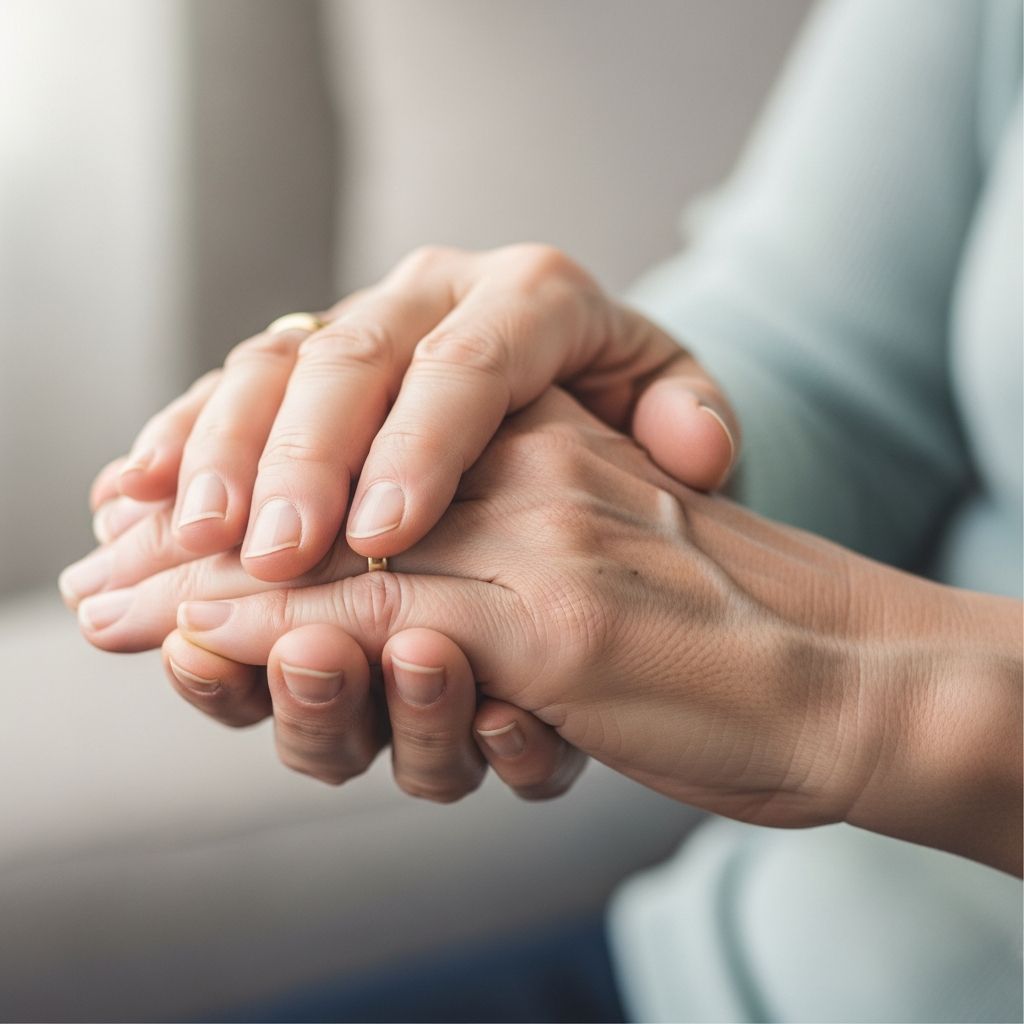
Post-polio syndrome (PPS) emerges in many survivors of poliomyelitis, bringing renewed challenges decades after initial recovery. This condition involves progressive muscle weakness, profound fatigue, and other symptoms that can disrupt daily life.
Understanding the Roots of Post-Polio Syndrome
Poliomyelitis, caused by the poliovirus, once paralyzed thousands worldwide. In rare cases, about 1% of infections led to paralytic disease by invading the central nervous system and destroying motor neurons in the spinal cord and brainstem. Survivors often regained function through natural recovery or rehabilitation, but PPS appears 15 to 40 years later in 25-50% of them.
The syndrome primarily affects those with significant prior muscle involvement. Severity correlates with the original polio’s impact: more damaged muscles predict stronger PPS symptoms. Unlike acute polio, PPS is not infectious and stems from long-term neurological changes.
Recognizing the Signs and Symptoms
PPS manifests gradually, often starting with subtle changes in previously stable muscles. Core symptoms include:
- Muscle weakness: New or worsening weakness, especially in limbs hit hardest by polio.
- Extreme fatigue: Sudden, whole-body exhaustion that hinders routine tasks like dressing or walking.
- Muscle atrophy: Visible shrinking of muscles, reducing size and strength.
- Pain: Aching in muscles and joints, sometimes from overuse or deformities.
- Other issues: Breathing or swallowing difficulties if respiratory muscles are involved; sleep disturbances; cold intolerance.
Symptoms can mimic amyotrophic lateral sclerosis (ALS), but PPS progresses slowly without being fatal in most cases. Scoliosis or other skeletal changes may worsen due to uneven muscle support.
Pathophysiology: Why Does PPS Develop?
The exact cause remains elusive, but leading theories focus on neuronal overcompensation. After acute polio destroys motor neurons, surviving ones sprout new axons to reinnervate orphaned muscle fibers, forming oversized motor units.
Over decades, these “overworked” neurons face chronic stress from:
- Metabolic strain: Heightened energy demands lead to fatigue and eventual neuron loss.
- Aging effects: Oxidative stress and mitochondrial dysfunction amplify vulnerability.
- Inflammation and degeneration: Pathology shows spinal cord atrophy, gliosis, and neuronal inclusions.
Autopsy studies reveal asymmetric ventral horn damage, similar to motor neuron diseases, but without ALS markers like Bunina bodies. This ‘neural exhaustion’ explains symptom resurgence.
How PPS Differs from Original Polio and Other Conditions
| Aspect | Acute Polio | Post-Polio Syndrome | ALS |
|---|---|---|---|
| Onset | Sudden, viral | Gradual, 15-40 years later | Progressive, middle age |
| Muscle Involvement | Asymmetric paralysis | Prior affected muscles worsen | Widespread, symmetric |
| Fatigue | Acute fever-related | Chronic, extreme | Muscle-dominant |
| Progression | Recovery possible | Slow, stable periods | Rapid, fatal |
| Cause | Poliovirus | Neuronal fatigue | Unknown genetic/environmental |
This table highlights key distinctions, aiding accurate diagnosis.
Diagnostic Approaches for PPS
No single test confirms PPS; diagnosis relies on clinical history and exclusion of mimics. Criteria include:
- History of paralytic polio with recovery period.
- Stable function for 15+ years.
- New weakness or fatigue in previously affected muscles.
- No other explanatory condition.
Related Stories



Tools like electromyography (EMG) detect chronic denervation; pulmonary tests assess breathing. Imaging rules out compressive issues. Early diagnosis prevents unnecessary interventions.
Management and Treatment Strategies
PPS has no cure, but symptom management improves quality of life. Focus on energy conservation and supportive care.
Non-Pharmacological Interventions
- Pacing activities: Alternate rest with moderate exertion to avoid fatigue peaks.
- Physical therapy: Low-impact exercises like swimming strengthen without overload.
- Assistive devices: Braces, wheelchairs, or ventilators for severe cases.
- Weight control: Reduces joint stress.
Medications
- Pain relievers (e.g., NSAIDs) for myalgias.
- Antidepressants or anticonvulsants for neuropathic pain.
- Modafinil for fatigue in select cases.
Surgical options address scoliosis or joint issues. Respiratory support, like non-invasive ventilation, aids sleep and breathing.
Lifestyle Adjustments for Polio Survivors
Daily adaptations are crucial:
- Prioritize sleep hygiene.
- Use adaptive tools for home tasks.
- Join support groups for emotional resilience.
- Monitor nutrition for muscle health.
A multidisciplinary team—neurologists, therapists, pulmonologists—optimizes outcomes.
Prognosis and Long-Term Outlook
PPS advances slowly with stable phases. Severity ties to original polio damage; mild initial cases yield milder PPS. Independence is maintainable with proactive care, though some need more assistance over time. Life expectancy is generally unaffected unless respiratory failure occurs.
Frequently Asked Questions (FAQs)
What triggers PPS symptoms?
Overexertion, aging, or infections can exacerbate them.
Is PPS contagious?
No, only polio survivors develop it.
Can exercise help or harm?
Moderate, non-fatiguing exercise benefits; excessive worsens symptoms.
How common is PPS?
25-50% of U.S. polio survivors (est. 300,000).
Is there a cure?
No, but management eases symptoms effectively.
Research Directions and Hope Ahead
Ongoing studies explore neuroprotective agents to reduce oxidative stress and enhance motor neuron resilience. Clinical trials test metabolic modulators. Polio eradication efforts prevent new cases, but survivor support remains vital.
Survivors report fulfilling lives through adaptation. Early awareness empowers better management.
References
- Post-Polio Syndrome Revisited — PMC – NIH. 2023. https://pmc.ncbi.nlm.nih.gov/articles/PMC10123742/
- Post Polio Syndrome — NORD (National Organization for Rare Disorders). 2024-02-12. https://rarediseases.org/rare-diseases/post-polio-syndrome/
- Post Polio Syndrome — BrainFacts.org (Society for Neuroscience). 2023. https://www.brainfacts.org/diseases-and-disorders/neurological-disorders-az/diseases-a-to-z-from-ninds/post-polio-syndrome
- Post-Polio Syndrome — MedlinePlus (U.S. National Library of Medicine). 2025-01-15. https://medlineplus.gov/polioandpostpoliosyndrome.html
- Post-Polio Syndrome: What It Is, Symptoms & Treatment — Cleveland Clinic. 2024-11-08. https://my.clevelandclinic.org/health/diseases/24584-post-polio-syndrome
Similar Articles








Read full bio of Sneha Tete