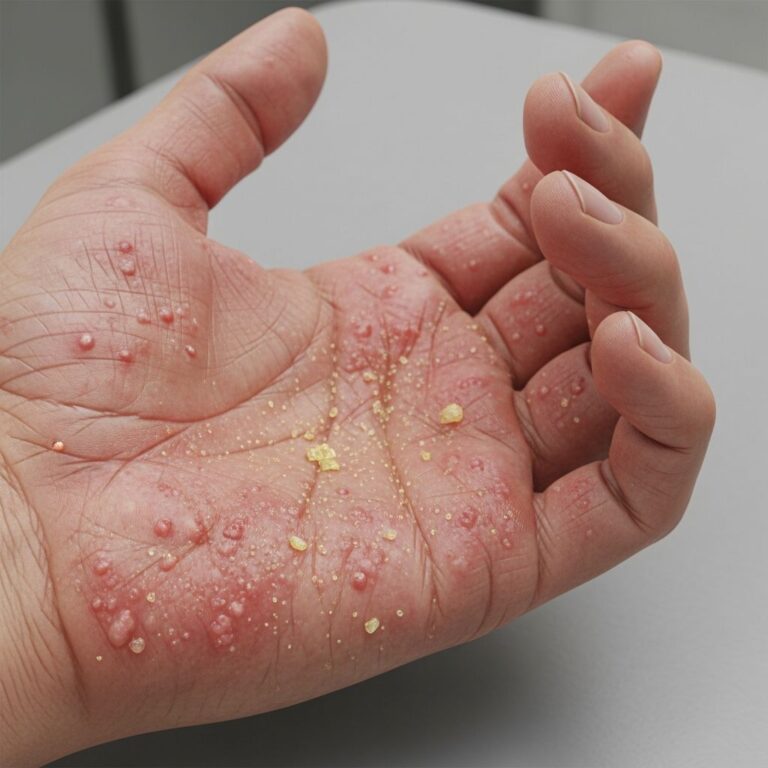
Post-Surgery Incision Care: Essential Guide For Recovery
Master essential techniques for optimal wound healing, infection prevention, and scar minimization after surgery.
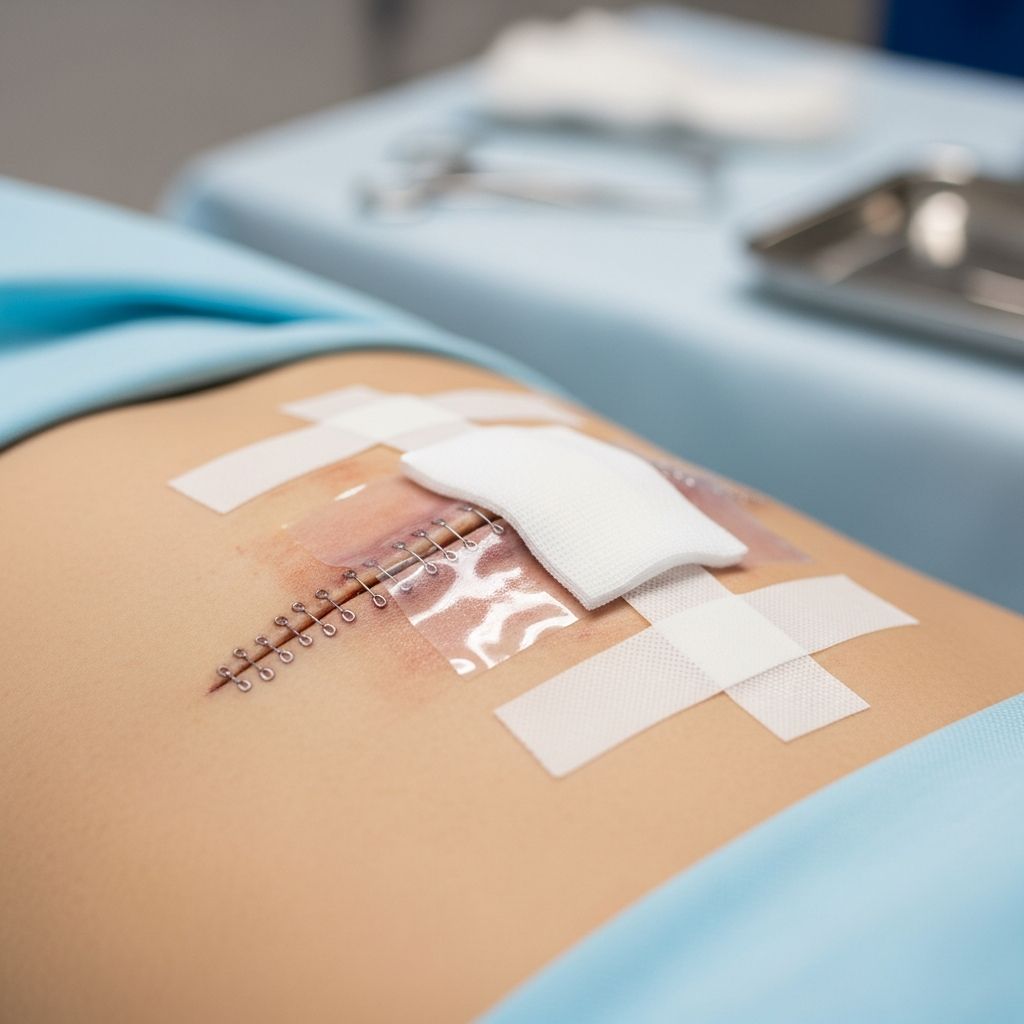
Surgical incisions require meticulous attention during the initial healing phase to minimize complications and support recovery. Proper care involves cleaning, protecting, and monitoring the wound while adhering to activity restrictions. This guide draws from established medical protocols to help you navigate home care effectively.
Understanding the Healing Process
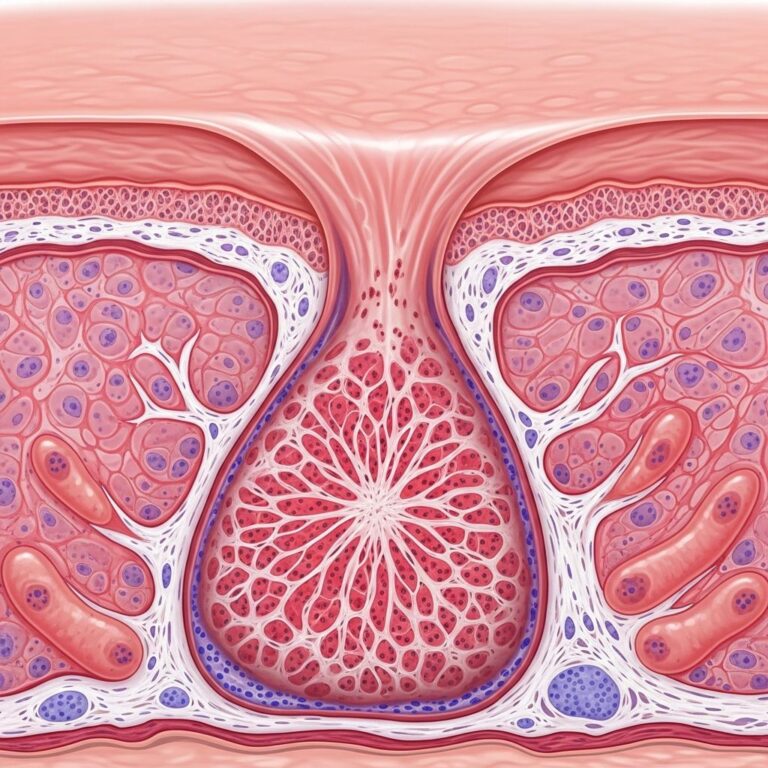
After surgery, your incision progresses through distinct stages: inflammation, proliferation, and remodeling. In the first few days, expect redness, swelling, and mild drainage as the body responds to tissue trauma. Over weeks, new tissue forms, and the wound strengthens. Full remodeling can take months, influencing scar appearance. Factors like location, wound closure method, and patient health affect timelines—facial wounds often heal faster than those on legs.
Healing is optimized by maintaining moisture with ointments like petroleum jelly, which prevents scab formation and reduces scarring risk. Dry wounds heal slower and are prone to cracking.
Initial Bandage Management
Most surgical sites arrive home with a pressure dressing to control bleeding and absorb fluids. Leave this in place for 24-48 hours unless instructed otherwise, as it stabilizes the wound. If it loosens, reinforce with tape but avoid peeking underneath.
- After the specified time, gently remove the outer bandage in a clean environment.
- Avoid pulling staples, stitches, or Steri-Strips during removal.
- Inspect for excessive bleeding or soaked dressings, which warrant provider contact.
Daily Cleaning Routines
Cleaning prevents bacterial buildup without disrupting healing tissues. Begin gentle washing 24-48 hours post-op, using mild, fragrance-free soap and lukewarm water.
- Wet a soft cloth or your hands.
- Gently cleanse around the incision, avoiding direct scrubbing.
- Rinse thoroughly under running water; pat dry with a clean towel.
- For crusted areas, a Q-tip with diluted hydrogen peroxide can help, but use sparingly to avoid irritation.
Showering is typically safe after 24 hours, but direct high-pressure streams on the site. No soaking in baths, pools, or hot tubs until fully healed, typically 2-4 weeks.
Applying Dressings and Ointments
Moist wound healing accelerates recovery. After cleaning:
- Apply a thin layer of Vaseline, Aquaphor, or antibiotic ointment if prescribed.
- Cover with non-stick gauze (e.g., Telfa) and secure with medical tape or a self-adherent wrap.
- Change twice daily or if soiled/wet.
For wounds closed with Steri-Strips or glue, skip ointment initially; let them peel naturally over 7-14 days. Sutured sites benefit from ointment under bandages until stitch removal, around 7-14 days.
Wound Types and Specific Protocols
| Wound Type | Cleaning Frequency | Ointment | Bandage Duration |
|---|---|---|---|
| Sutured | Twice daily after 24 hrs | Yes (Vaseline/Aquaphor) | Until sutures out |
| Strips/Glue | Minimal until strips off | No initially | 7-14 days |
| Open/Healing | Twice daily | Yes | 2-12 weeks |
| Skin Graft | As directed, often weekly | Yes on harvest site | 1 week bulky dressing |
Open wounds may show pink edges and yellow material—normal signs of granulation tissue. Grafts require immobilization; follow specialized schedules.
Managing Pain, Swelling, and Bleeding
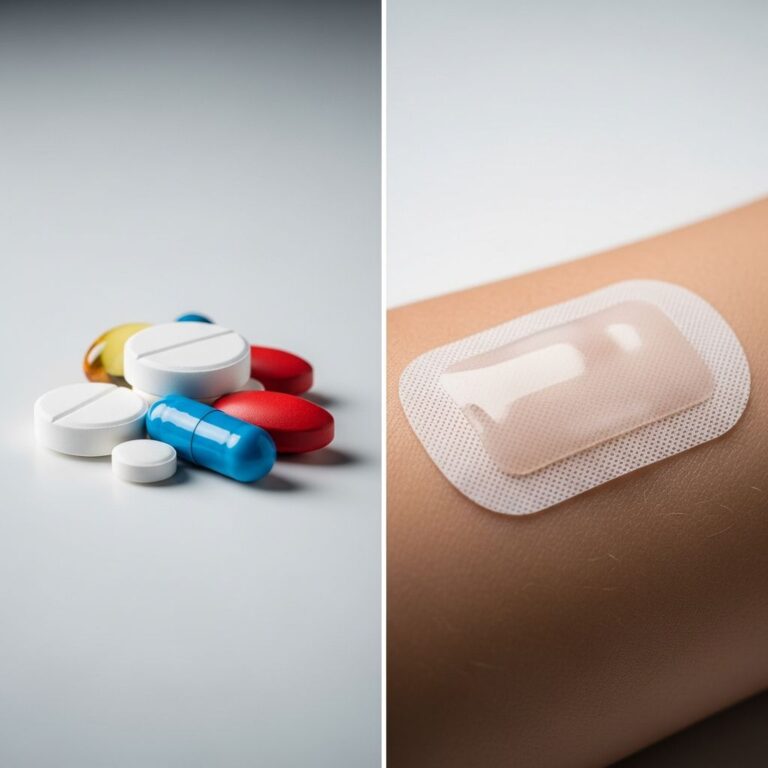
Mild discomfort is expected; use acetaminophen first, alternating with ibuprofen (400-600mg every 6 hours) if needed, unless contraindicated. Ice packs (15 min on/off, 3x/day first 3 days) reduce swelling, especially on face or extremities.
For bleeding, apply firm pressure for 15-20 minutes without lifting to check. Repeat if needed; persistent cases need urgent care. Elevate affected limbs above heart level to curb swelling.
Related Stories



Activity and Lifestyle Adjustments
Rest promotes healing by limiting strain. Guidelines include:
- No strenuous exercise, lifting, or sports for 2 weeks minimum.
- Avoid smoking, which impairs blood flow and raises infection risk.
- Limit alcohol for 4 days around surgery.
- Short walks encourage circulation if approved.
- Protect from sun for 3-9 months; new skin scars darkly if exposed.
Body Location Considerations
| Location | Key Tips |
|---|---|
| Face | Ice frequently; lip wounds need rest (no straws, minimal talking). |
| Hand/Arm | Elevate above heart; minimize movement 48 hrs, limit 2 weeks. |
| Lower Leg | Elevate often; walk minimally; compression may be used. |
| Torso | Avoid twisting/pulling; shower normally after 24 hrs. |
Spotting and Preventing Infections
Infections affect 2-5% of clean surgeries but rise with poor care. Monitor for:
- Increasing pain, redness, warmth spreading outward.
- Pus, foul odor, or excessive drainage.
- Fever over 100.4°F, chills, or fatigue.
- Swelling not improving with elevation/ice.
Prevention: hand hygiene before care, use clean supplies, follow protocols strictly. Diabetics or immunocompromised patients may need antibiotics. Contact your surgeon immediately for concerns.
Long-Term Scar Management
After sutures/strips removal or wound closure:
- Clean daily; bandaging often unnecessary.
- Month 1 post-removal: gentle massage with lotion to soften scar tissue.
- Silicone sheets/gels (after 4 weeks) minimize hypertrophy.
- Sunscreen SPF 30+ daily for 1 year.
Scars fade over 12-18 months; keloids require specialist input.
Frequently Asked Questions (FAQs)
Can I shower right after surgery?
Usually after 24 hours, but avoid direct pressure on the incision. Pat dry afterward.
What if my incision opens slightly?
Minor dehiscence may heal secondarily; clean and monitor. Gaping requires medical evaluation.
Is bruising normal?
Yes, especially on face/extremities. It resolves in 1-2 weeks.
When do sutures come out?
Face: 5-7 days; body: 10-14 days; legs: 2-3 weeks.
How long until full activity?
2-4 weeks for light duties; full per surgeon, often 4-6 weeks.
Supplies Checklist
- Mild soap, clean towels.
- Petroleum jelly/Aquaphor.
- Non-stick pads, tape, Q-tips.
- Pain relievers, ice packs.
- Thermometer for fever checks.
Stock up pre-surgery for seamless care.
References
- Post-Surgery Wound Care — Tracy M. Campbell MD. Accessed 2026. https://www.drtracycampbell.com/mohs-micrographic-surgery/post-surgery-wound-care/
- Post-Op & Wound Care Instructions — UW Dermatology. Accessed 2026. https://derm.uw.edu/patient-care/dermatologic-surgery/post-op-instructions
- Incision & Surgical Wound Care — Cleveland Clinic. Accessed 2026. https://my.clevelandclinic.org/health/treatments/15709-incision-care
- Surgical Site Care After Surgery — Hospital for Special Surgery. 2023-06-20. https://www.youtube.com/watch?v=ly5TbqvLZrI
- At-Home Surgical Wound Care Guide — SCMSC. Accessed 2026. https://scmsc.com/at-home-surgical-wound-care/
- Incision Care After Surgery — Kaiser Permanente. Accessed 2026. https://healthy.kaiserpermanente.org/health-wellness/health-encyclopedia/he.incision-care-after-surgery.tc4128spec
- Surgical Wounds — American College of Surgeons. Accessed 2026. https://www.facs.org/media/zr5dimjk/wound_surgical.pdf
Similar Articles








Read full bio of medha deb