Posterior Urethral Valves: Causes, Symptoms & Treatment
Understanding PUV: A congenital condition affecting male urinary function and kidney health.
Understanding Posterior Urethral Valves
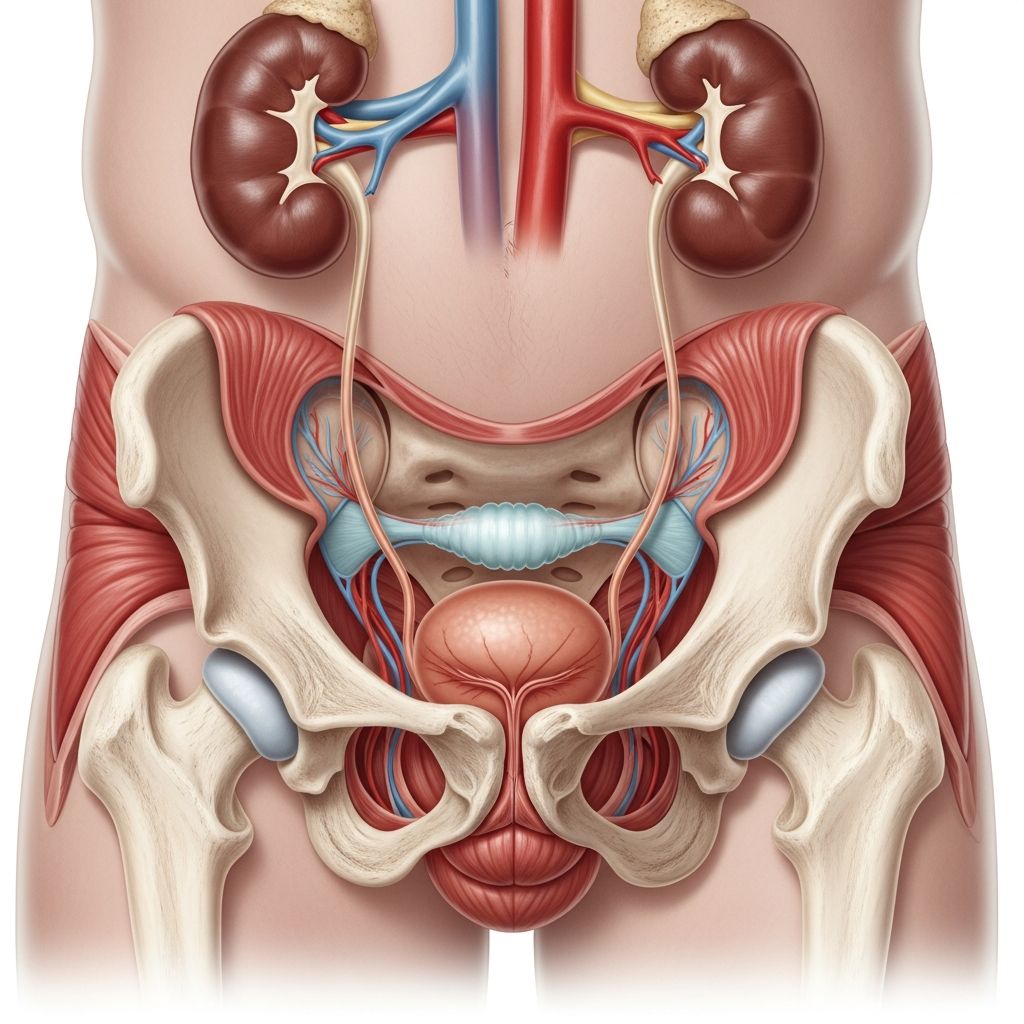
A posterior urethral valve (PUV) is a congenital birth defect in which abnormal tissue blocks the urethra—the tube through which urine travels from the bladder to exit the body. This obstruction prevents the bladder from emptying properly, causing urine to back up into the urinary system. The backed-up urine can then damage the bladder, ureters, and kidneys, potentially leading to serious complications if left untreated. PUV is exclusively a male condition and represents the most common cause of urinary tract obstruction in boys.
Approximately 500 babies are born with posterior urethral valves each year, making it a relatively rare but significant congenital condition. While the exact cause of the extra tissue formation remains unknown, researchers believe the abnormal development occurs early during fetal development. Understanding this condition, recognizing its symptoms, and pursuing appropriate treatment are essential for protecting kidney function and ensuring healthy urinary development throughout a child’s life.
What Causes Posterior Urethral Valves?
Posterior urethral valves develop due to the formation of extra tissue in the urethra near the bladder. This excessive tissue creates an obstruction that narrows the urinary passage, restricting the normal flow of urine. The abnormal tissue development occurs during fetal development, typically early in pregnancy when the urinary system is forming.
Healthcare providers have not yet identified the specific cause that triggers this abnormal tissue growth. The condition is not inherited or passed down from parents, nor can it be prevented through lifestyle changes during pregnancy. It simply represents an error in normal fetal development that results in this structural abnormality. Ongoing research aims to better understand the developmental mechanisms behind PUV formation, which may eventually lead to improved prevention strategies or early intervention methods.
Key Risk Factors and Affected Populations
Posterior urethral valves affect only male infants and children. The condition occurs regardless of race, ethnicity, or socioeconomic status, affecting approximately 1 in 4,000 to 1 in 10,000 male births. Interestingly, research has shown that PUV occurs at elevated rates in patients with Down Syndrome (trisomy 21), appearing in 3-4% of individuals with this genetic condition compared to the general population. This higher incidence suggests potential genetic factors or developmental pathways that may predispose certain populations to this urinary obstruction.
Recognizing Symptoms of Posterior Urethral Valves
Symptoms of posterior urethral valves vary depending on the severity of the obstruction. Some children may present with obvious signs shortly after birth, while others might not show symptoms until later in childhood or even into adulthood. The following symptoms should alert healthcare providers to investigate for possible PUV:
– Difficulty urinating or weak urine stream- Frequent or urgent urination- Recurrent urinary tract infections (UTIs)- Painful urination or dysuria- Urinary incontinence or inability to control urine flow- Abdominal or bladder pain- Fever associated with urinary infection- Poor growth or failure to thrive (in severe cases)- Elevated kidney function markers discovered during routine blood tests
In severe cases discovered during prenatal ultrasound, the condition may present with signs of fetal distress, including abnormal fluid levels in the amniotic sac or signs of lung underdevelopment due to decreased amniotic fluid production.
Complications of Untreated Posterior Urethral Valves
When posterior urethral valves remain untreated or when the obstruction is severe, several serious complications can develop. The backed-up urine creates pressure in the urinary system that can progressively damage kidney tissue. Over time, this chronic pressure and inflammation lead to chronic kidney disease (CKD). Research indicates that approximately 15% of children diagnosed with PUV progress to kidney failure requiring dialysis or transplantation.
Related Stories



Additional complications include vesicoureteral reflux (VUR), in which urine flows backward from the bladder into the ureters and kidneys, further damaging renal tissue. Recurrent urinary tract infections can cause scarring and additional kidney damage. In severe cases, bilateral kidney damage can progress to end-stage renal disease (ESRD), necessitating long-term dialysis or kidney transplantation.
Diagnosing Posterior Urethral Valves
Posterior urethral valves may be detected at various stages—during prenatal screening, immediately after birth, or during childhood when symptoms prompt investigation. Early detection provides the opportunity for timely intervention before significant kidney damage occurs.
Prenatal Diagnosis
Occasionally, healthcare providers diagnose PUV through ultrasound imaging during pregnancy. Prenatal ultrasound may reveal signs such as enlarged kidneys (hydronephrosis), a thickened or enlarged bladder, or decreased amniotic fluid levels. When PUV is suspected prenatally, specialized care planning can be initiated, allowing for coordinated delivery at a facility equipped to provide immediate postnatal care.
Postnatal and Childhood Diagnosis
At or after birth, healthcare providers may employ several diagnostic tests to confirm PUV:
– Renal Bladder Ultrasound (RBUS): Uses sound waves to visualize the kidneys, bladder, and urinary tract, revealing structural abnormalities, hydronephrosis, or signs of obstruction.- Voiding Cystourethrogram (VCUG): A special X-ray study where contrast dye fills the bladder while the patient urinates, clearly showing the obstructing valve and any vesicoureteral reflux.- Abdominal Ultrasound: Provides detailed imaging of the urinary system and surrounding organs.- Blood Tests: Measure kidney function through creatinine and blood urea nitrogen (BUN) levels, indicating whether kidney damage has occurred.- Urine Tests: Analyze urine for signs of infection or kidney dysfunction.
Treatment Options for Posterior Urethral Valves
Treatment for posterior urethral valves aims to remove or destroy the obstructing tissue, restoring normal urine flow and preventing further kidney damage. The specific treatment approach depends on the severity of the obstruction, the presence of complications, and individual patient factors.
Primary Treatment: Endoscopic Valve Ablation
The standard treatment for PUV is endoscopic fulguration, a minimally invasive procedure performed under general anesthesia. During this procedure, a urologist inserts a specialized instrument (cystoscope) through the urethra into the bladder. Using electrical energy to generate heat, the surgeon carefully destroys or ablates the abnormal valve tissue, widening the urethral passage and restoring normal urine flow. This procedure is often successful in relieving the obstruction and preventing further complications.
Temporary Urinary Diversion
In cases where the urinary system has been severely damaged by obstruction or infection, or when a newborn is too premature or medically fragile for immediate valve ablation, temporary urinary diversion may be necessary. Options include:
– Vesicostomy: A surgical opening created between the bladder and abdominal wall, allowing urine to drain directly into a collection pouch- Ureterostomy: A surgical opening from the ureter to the abdominal wall- Foley Catheter: A temporary catheter placed through the urethra to drain urine while the infant stabilizes
These temporary measures allow the kidneys and bladder to recover while preventing infection and further damage. Once the patient is medically stable, definitive valve ablation surgery can be performed.
Prenatal Intervention
In rare cases where severe PUV is diagnosed during pregnancy and shows signs of severe obstruction that might harm fetal lung development, specialists may recommend prenatal intervention. Procedures such as amniotic shunting or fetal bladder aspiration can temporarily bypass the obstruction, allowing urine to drain and preserving amniotic fluid levels necessary for normal lung development.
Adjunctive Treatments
Depending on associated complications, additional treatments may be necessary:
– Antibiotic Prophylaxis: Long-term low-dose antibiotics to prevent recurrent urinary tract infections- Vesicoureteral Reflux Management: Treatment of any coexisting VUR through medication, endoscopic injection, or surgical reimplantation- Renal Replacement Therapy: For patients progressing to kidney failure, dialysis followed by kidney transplantation
Long-Term Management and Follow-Up Care
Children with posterior urethral valves require lifelong monitoring to assess kidney function and detect any progressive renal disease. This comprehensive management involves regular clinical evaluations with pediatric urology and nephrology specialists.
Regular Monitoring Protocols
Ongoing care typically includes:
– Periodic blood tests to monitor kidney function (creatinine, BUN, eGFR)- Regular ultrasound imaging to assess kidney structure and detect hydronephrosis- Annual or semi-annual clinical evaluations- Assessment for urinary tract infections or other complications- Evaluation of bladder function and urinary continence
Transition to Adult Care
A multidisciplinary approach beginning in fetal life and continuing through adulthood optimizes outcomes for PUV patients. Specialized pediatric teams coordinate with adult urology and nephrology providers to ensure seamless care transitions as patients mature. Research demonstrates the critical importance of continued monitoring into adulthood, as kidney function can decline even years after the initial diagnosis and treatment. Some patients experience stable renal function, while others may show progressive decline requiring intervention.
Prognostic Indicators and Risk Stratification
Several imaging and laboratory findings help predict which patients are at highest risk for chronic kidney disease progression. Nadir creatinine level during the first year of life serves as a strong predictor of future renal outcomes, with higher creatinine values indicating greater risk of ESRD. The presence of vesicoureteral reflux on initial voiding cystourethrogram also significantly increases the likelihood of progressive kidney disease. Additionally, imaging findings such as bilateral hydronephrosis, renal dysplasia, or signs of kidney scarring suggest more severe obstruction and higher risk for adverse outcomes.
Frequently Asked Questions About Posterior Urethral Valves
Q: Can posterior urethral valves be prevented?
A: No, PUV cannot be prevented as it results from abnormal fetal development. The specific cause remains unknown, and it is not related to maternal lifestyle, nutrition, or any preventable factor.
Q: Does PUV affect females?
A: No, posterior urethral valves affect only males due to anatomical differences in the male urethra. Females have different urinary anatomy that does not allow for this type of obstruction.
Q: What is the success rate of valve ablation surgery?
A: Endoscopic fulguration is successful in relieving the urethral obstruction in the majority of cases. However, success in removing the valve does not guarantee prevention of all complications, and ongoing monitoring remains essential.
Q: Will my child need dialysis or transplantation?
A: Approximately 15% of children with PUV progress to kidney failure requiring dialysis and transplantation. The severity of the initial obstruction and early kidney function are important prognostic factors. Regular monitoring helps identify patients at risk.
Q: Can posterior urethral valves recur after treatment?
A: While the ablated valve tissue typically does not regrow, some patients may experience recurrent symptoms due to scar tissue formation or other complications. These cases may require additional procedures or interventions.
Q: How does PUV affect quality of life?
A: With appropriate treatment and monitoring, many children with PUV maintain excellent quality of life with normal renal function. However, some may experience urinary incontinence or require long-term management for kidney disease. Psychological support and family education are important components of comprehensive care.
Emerging Research and Future Directions
Ongoing research continues to improve understanding and management of posterior urethral valves. Novel imaging methods are being developed to better assess kidney disease progression and predict which patients will develop chronic kidney disease. Emerging pharmacological treatments, such as antifibrotic agents, show promise in limiting kidney scarring and fibrosis in various kidney diseases and may eventually benefit PUV patients. Additionally, research into the developmental biology of the urinary system may eventually reveal the underlying causes of valve formation, opening possibilities for prevention or prenatal intervention strategies.
A multidisciplinary approach from prenatal diagnosis through adulthood, combining pediatric and adult urology, nephrology, and supportive services, provides the best outcomes for children born with posterior urethral valves. With appropriate early treatment and lifelong monitoring, many individuals can preserve kidney function and maintain excellent quality of life.
References
- Treating Posterior Urethral Valves Across the Lifespan — Cleveland Clinic. 2024. https://consultqd.clevelandclinic.org/treating-posterior-urethral-valves-across-the-lifespan
- Predicting chronic kidney disease progression in children with posterior urethral valves — Weaver JK, et al. Journal of Pediatric Urology. 2024-10. https://pubmed.ncbi.nlm.nih.gov/39648111/
- Posterior Urethral Valves: Causes, Symptoms and Treatment — Cleveland Clinic. 2024. https://my.clevelandclinic.org/health/diseases/17781-posterior-urethral-valves
- Posterior urethral valves in patients with trisomy 21 — Xiang A, et al. 2023. https://pubmed.ncbi.nlm.nih.gov/37453875/
- Clinical Guidelines on Congenital Urinary Obstruction — National Institutes of Health, National Institute of Diabetes and Digestive and Kidney Diseases. 2024. https://www.niddk.nih.gov
Similar Articles








Read full bio of Sneha Tete